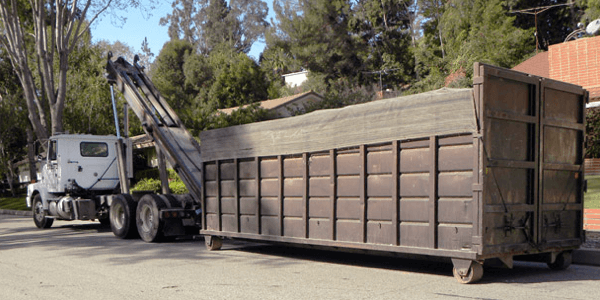
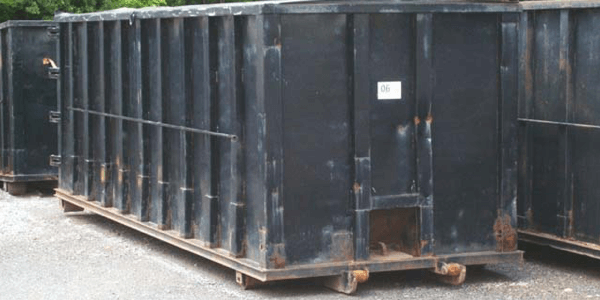
Renting a dumpster in 2026 comes with a cost range that varies depending on several factors, including the size of the dumpster, rental duration, and your location. Typically, the price spans from as low as $285 to as high as $1,034, with the average sitting around $621.
The amount of debris to be collected and also the period of time you will need the dumpster for your disposal highly affect the costs, but there are tips to reduce the impact of professional quotes (which you will learn by reading this guide).
So, grab a pen and start to list all the things you have to take into consideration when budgeting for home remodelings and other tasks that end up with piles and piles of debris to be disposed of.
Types of Dumpster Rental and Cost Ranges
Dumpster rental services encompass a variety of container sizes and rental durations tailored to different cleanup, renovation, and construction needs. Pricing varies based on factors such as the size of the container, rental time, type of waste, location, and any special handling or disposal requirements.
| Type of Service | Cost | Features |
|---|---|---|
Residential Dumpster Rental | $233 - $818 | Ideal for home cleanouts, small renovations, and yard debris waste removal. |
Commercial Dumpster Rental | $140 - $400 | Suitable for ongoing business waste, large-scale renovations, and remodeling projects. |
Construction Dumpster Rental | $440 - $1,583 | Used on construction sites for disposal of heavy materials like concrete, wood, and metal in adequate landfills[1]. |
Roll-Off Dumpster Rental | $285 - $1,547 | Large, open-top containers, primarily used for bulky debris and large volumes of waste. |
Metal Recycling Dumpster Rental | $329 - $1,085 | Specialized dumpsters for collecting scrap metal separately for recycling purposes. |
Hazardous Waste Dumpster Rental | $416 - $1,537 | Containers designed for the safe disposal of chemicals, asbestos, and other regulated materials. |
Residential Dumpster Rental Costs
Residential dumpster rental is perfect if you are undertaking tasks like decluttering, small renovations, or landscaping projects. These dumpsters usually come in smaller sizes with shorter rental periods.
The cost by time of this service typically ranges from $233 to $818, with an average dumpster rental cost around $490.
Key price factors include the container size, rental duration, and type of waste materials accepted.
Construction Dumpster Rental Costs
Construction dumpster rentals are essential for building sites and renovation projects involving heavy debris such as concrete, wood, and drywall[2]. These dumpsters are larger and designed to handle tougher materials.
Pricing by period of rental can vary widely, from $440 to $1,583, with an average close to $867.
The final quotes can increase with the size of the dumpster, rental time, and whether hazardous materials are present.
Hazardous Waste Dumpster Rental
For projects involving toxic or regulated materials, hazardous waste dumpster rentals provide compliant containers for proper disposal. These specialized dumpsters ensure safety and legal compliance when dealing with substances like asbestos, chemicals, or paint[3].
Expect the cost by time of rental to range from $416 to $1,537, averaging around $843.
Prices depend heavily on the toxicity of materials, disposal fees[4], and handling requirements[5].
Dumpster Rental Cost by Time of Rental
You can rent dumpsters in increments based on the rental duration, typically charged by the hour or day, depending on the provider. The final price will reflect how long you keep the dumpster on your property, making it crucial to estimate the rental window accurately.

Generally, smaller dumpsters offer lower cost by time rental, ideal for minor projects like yard cleanups or small remodeling jobs. Medium and large containers come with a higher cost by time rental, suitable for larger projects needing more capacity or longer periods.
To optimize costs, some rental companies may provide discounts for longer rental times. Just keep in mind that some businesses often set minimum rental days, which impact the overall cost.
7 Main Factors That Affect Dumpster Rental Cost
Several unique factors influence the overall cost of dumpster rental, especially when charged based on time rental. Here are the main ones:
- Dumpster Size and Capacity: Larger dumpsters naturally have higher costs by time rental due to their increased hauling capacity and disposal fees.
- Rental Duration: The length of time you keep the dumpster on site directly affects the price you are going to pay.
- Type of Waste: Acceptable waste types vary by rental company, and certain materials, like hazardous waste, construction debris, or electronics, may incur extra fees due to disposal regulations[6].
- Location and Accessibility: Delivery and pickup fees differ based on your geographic location, distance from the rental company, and ease of access for the delivery truck. Remote or difficult-to-access properties often experience increased costs.
- Permits and Regulations: If you require a street permit to place the dumpster on public property (like a curb or sidewalk), permit fees and associated administrative costs will add to the rental price.
- Weight Limits and Overages: Dumpsters come with specified weight limits. Exceeding these can trigger overage fees, raising the overall cost by time rental unexpectedly.
- Seasonal Demand: Peak seasons for home projects or cleanups can drive up demand, leading to higher rates for rentals within certain time windows.
Keep an eye on these details and ask the company you are renting the dumpster from about them in advance!
Dumpster Rental Cost by Size and Configuration
Dumpster rental companies typically offer a range of sizes to accommodate different project scales, from small home cleanouts to large construction debris removal. Selecting the right size ensures you do not overpay for unused space or risk additional fees for excess waste.
Here are common examples of what you might find as options:
10-Yard Dumpster Cost
A 10-yard dumpster is usually the smallest rental option and is ideal for minor cleanouts, such as attic or garage decluttering. It can hold roughly 2 to 3 pickup truck loads of waste.
- Best for: Small-scale renovations, yard waste, or minor demolition debris.
- Cost Range: $235 to $593.
- Average Cost: $361.
15-Yard Dumpster Cost
Slightly larger, 15-yard dumpsters are good for medium-sized projects like bathroom remodels or mid-sized home cleanouts. They provide more room without being oversized.
- Best for: Moderate home additions or renovations, roofing debris, or larger household cleanups.
- Cost Range: $280 to $702.
- Average Cost: $422.
20-Yard Dumpster Cost
A 20-yard dumpster is among the most popular sizes since it suits a wide variety of residential and commercial projects. It roughly holds the equivalent of 6 to 8 pickup truck loads.
- Best for: Whole-house cleanouts, siding projects, or medium construction debris.
- Cost Range: $391 to $794.
- Average Cost: $543.
30-Yard Dumpster Cost
Ideal for large construction or demolition projects, a 30-yard dumpster can hold significant amounts of heavy waste or bulky items.
- Best for: Large home remodeling, major construction debris, or commercial cleanups.
- Cost Range: $512 to $845.
- Average Cost: $657.
40-Yard Dumpster Cost
The largest size commonly available, 40-yard dumpsters are best for extensive commercial projects or major property cleanouts requiring substantial waste disposal.
- Best for: Commercial construction sites, large-scale demolition, or extensive property cleanouts.
- Cost Range: $543 to $1,171.
- Average Cost: $855.
Emergency Dumpster Rental Services: How Much Will You Pay?
When unexpected situations arise, like storm damage, fire restoration, or urgent property cleanouts, having fast access to a dumpster is essential. Emergency dumpster rental services offer same-day or next-day delivery, but convenience comes at a price.

Keep in mind that the prices shown above are estimated on the national average for this sort of service. Costs might vary according to your region[7].
Dumpster Rental Costs by Type of Debris
Dumpster rental costs also vary significantly depending on the type of debris being disposed of due to differing handling, disposal, and recycling requirements. Check it out!
- General Household Waste: Typically involves mixed debris such as furniture, packaging materials, and non-hazardous refuse[8]. Rental fees for general waste dumpsters usually fall within the range of $300 to $794 for the standard rental period.
- Construction and Demolition Debris: Includes materials like wood, drywall, concrete, and metal scraps. Disposal fees may be higher because of weight and recycling regulations[9]. Expect rental pricing from $476 to $1,104.
- Yard Waste: Consists of branches, grass clippings, and leaves. Since organic waste can sometimes be composted, landfill fees may be lower, but regional rules vary. Rental rates generally range from $255 to $838.
- Heavy Materials (Concrete, Brick, Asphalt): These materials significantly increase dumpster weight, prompting higher fees based on weight limits. Cost by time rental for heavy debris dumpsters typically spans $569 to $1,181.
- Hazardous Materials: Items such as paint, chemicals, batteries, and asbestos require special handling and disposal processes[10]. Rental companies often charge additional hazardous junk fees (see next section) alongside base rental costs.
Besides them, be ready to face some hidden charges.
Additional Dumpster Rental Cost Factors
There are some costs that are not always explicit when you need a dumpster rental service, like landfill fees[11] and overload surcharges.
| Item | Cost | Description |
|---|---|---|
Landfill Fees (per ton) | $48 - $79 | Passed-through disposal costs at local landfills |
Overload Fees | $94 - $290 | Fees for exceeding the maximum dumpster weight |
Remote Location Fees | $58 - $279 | Extra charges for difficult or distant locations |
Extra Day Fees | $35 - $90 | Costs for extending the dumpster rental beyond the standard period |
Hazardous Junk Fee | $154 - $319 | Fee for disposing of hazardous materials |
When evaluating dumpster rental offers, always confirm which additional fees are included or excluded in the base rental price to accurately compare total costs by time rental and avoid surprises in billing.
How to Truly Save on Dumpster Rental Costs
Dumpster rental costs can add up quickly, but there are smart ways to reduce your overall expenses without cutting corners on quality or safety.
Here are some practical tips:
- Estimate the Right Size: Renting a dumpster that is too large or too small can increase costs. Calculate the volume of your waste carefully to select the best size.
- Compare Multiple Quotes: Obtain estimates from several reputable dumpster rental companies to find the best price and services.
- Ask About Flat Rates: Some providers offer flat-rate pricing for certain rental periods, which can protect you from unexpected fees.
- Schedule Efficient Rental Periods: Avoid extending rental time unnecessarily by planning your project timeline carefully to reduce extra daily charges.
- Recycle and Separate Waste: Removing recyclable materials or separating junk can lower disposal fees and the size of the dumpster needed[12].
- Avoid Prohibited Materials: Check what can and cannot go into the dumpster to avoid costly disposal surcharges or fines.
For the best deals and hassle-free dumpster rental, it is wise to contact a professional company through homeyou, a network of local experts that offers competitive pricing, specialized advice, and reliable service to make your project smooth and affordable.
Usually, you do not need to be home if the drop spot is clearly marked and accessible. Confirm placement instructions when scheduling, and keep cars, gates, and low branches out of the way. For pickup, ensure nothing blocks the container and the area is safe for the truck.
Choose a flat, hard surface with adequate clearance for the delivery truck. To protect asphalt or pavers, ask about placing wood boards under the wheels or rails. Avoid soft ground after rain, and keep the dumpster away from septic components, sprinkler heads, and low-hanging wires.
Most companies prohibit liquids, chemicals, paint, propane tanks, batteries, tires, and certain electronics due to disposal rules. Mattresses and appliances may be accepted with extra handling requirements. Always ask for a prohibited-items list before loading, since rules vary by landfill and local regulations.
You typically must keep debris level with the top rim and avoid overhanging items. Loads that stick out can be unsafe to tarp and may be refused at pickup or charged extra. Break down bulky items, distribute weight evenly, and ask about walk-in doors for safer loading.
You should not move a dumpster yourself. Dragging can crack driveways, damage pavement, and create liability if it shifts or tips. If placement needs to change, call the rental company to reposition it with the proper truck. Repositioning may affect scheduling or add a service fee.
Start by listing materials and how you will break them down, then think in bulky items rather than bags. A common approach is estimating how many pickup-truck loads you would generate and converting that to container volume. If you are between sizes, discuss weight and space with the provider.
Standard dumpster rental is usually drop-off and pickup only, and you load it yourself. Some companies offer add-on labor or can coordinate a junk removal crew, but that is a different service model. Ask upfront if loading help is available, insured, and scheduled with your delivery window.
Booking several days to a week ahead is a safer plan, especially during busy remodeling seasons or after storms. If you need a specific delivery time, reserve earlier and confirm access instructions. For short-notice needs, ask about same-day availability and any cutoff times for scheduling.
References
[1] "Industrial and Construction and Demolition (C&D) Landfills | US EPA." US EPA, 5 May 2026, www.epa.gov/landfills/industrial-and-construction-and-demolition-cd-landfills.
[2] "Construction and Demolition Waste." U.S. General Services Administration, www.gsa.gov/about-us/gsa-regions/region-8-rocky-mountain/sustainability-and-environmental-management/construction-and-demolition-waste
[3] U.S. Environmental Protection Agency. Hazardous Waste Management. www.epa.gov/hw.
[4] "Land Disposal Restrictions for Hazardous Waste | US EPA." US EPA, 16 Oct. 2024, www.epa.gov/hw/land-disposal-restrictions-hazardous-waste.
[5] "Hazardous Waste Permitting | US EPA." US EPA, 11 June 2026, www.epa.gov/hwpermitting.
[6] FEMA. Debris Management Guide. www.fema.gov/pdf/government/grant/pa/demagde.pdf.
[7] "U.S. State And Local Waste And Materials Characterization Reports | US EPA." US EPA, 20 May 2026, www.epa.gov/facts-and-figures-about-materials-waste-and-recycling/us-state-and-local-waste-and-materials.
[8] "Municipal Solid Waste Landfills | US EPA." US EPA, 11 Mar. 2026, www.epa.gov/landfills/municipal-solid-waste-landfills.
[9] "State Authorization Under the Resource Conservation and Recovery Act (RCRA) | US EPA." US EPA, 4 June 2026, www.epa.gov/rcra/state-authorization-under-resource-conservation-and-recovery-act-rcra.
[10] "
Hazardous Waste Transportation | US EPA." US EPA, 5 May 2026, www.epa.gov/hw/hazardous-waste-transportation.
[11] "Basic Information About Landfills | US EPA." US EPA, 25 June 2026, www.epa.gov/landfills/basic-information-about-landfills.
[12] "Recycling Waste Into Sustainable Manufacturing Solutions." U.S. Small Business Administration, www.sba.gov/success-story/recycling-waste-sustainable-manufacturing-solutions.