

Whether you are installing a new system, repairing an existing one, or upgrading to a more energy-efficient model, the hourly prices for heating services in 2026 typically range from $63 to $179, with an average expenditure around $93.
The long-term energy efficiency of your heating system depends heavily on professional installation and maintenance. A correctly sized and installed system can operate up to 30% more efficiently, leading to significant savings on utility bills[1]. Expert professionals ensure optimal performance and extend the unit's lifespan, protecting your investment.
This guide aims to illuminate the complexities of heating system costs with a clear breakdown of potential expenses, exploring the various factors that influence your final investment, and offering you practical advice on how to assess different choices. Keep reading!
Types of Heating Services and Their Costs
Heating services encompass a variety of systems designed to keep your home warm and comfortable[2]. Common types include furnace installation, heat pump servicing, boiler repair, and radiant floor heating. Costs for these services can vary widely depending on the system complexity, materials used, urgency, geographic location, and the size of the project.
| Type of Service | Cost | Features |
|---|---|---|
Furnace Installation | $2,787 - $9,758 | Installing a new furnace system to heat your home efficiently. |
Heat Pump Installation | $4,202 - $15,214 | Setting up a heat pump for energy-efficient heating and cooling. |
Boiler Repair | $193 - $975 | Fixing issues with your boiler to restore heating functionality. |
Boiler Heat Exchanger Clean-Up | $153 - $528 | Full cleaning of the heat exchanger for optimal boiler performance. |
Radiant Floor Heating Installation | $1,797 - $15,349 | Installing heating elements beneath floors for even warmth distribution[3]. |
Furnace Tune-Up | $83 - $197 | Routine maintenance to improve furnace performance and safety. |
Heat Pump Maintenance | $73 - $219 | Regular upkeep to extend the heat pump's lifespan and efficiency. |
Heat Pump Installation Costs
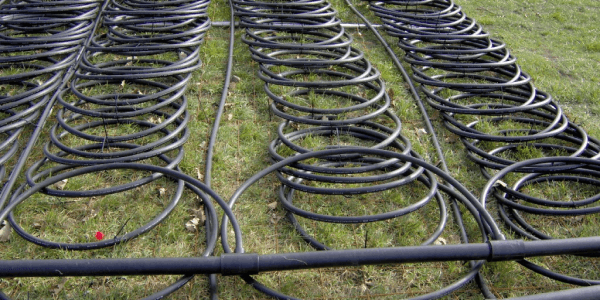
Heat pump installation provides a dual heating and cooling[4] solution by transferring heat between your home and the outside air or ground. This modern and energy-efficient system is ideal for moderate climates, and pricing can vary from $4,202 to $15,214, with an average near $9,607.
Key cost drivers include:
Boiler Heat Exchanger Clean-up Costs
A boiler heat exchanger clean-up is a vital maintenance service for your boiler. Over time, scale and debris can build up in the heat exchanger, reducing your boiler's efficiency and potentially leading to costly breakdowns. This cleaning ensures optimal performance and extends the lifespan of your heater.
You can expect the cost for a boiler heat exchanger clean-up to range from $153 to $528, with an average cost of $320, as the price can depend on the following.
- Boiler Type and Size: Larger or more complex boilers may take longer to clean.
- Extent of Build-up: Heavily scaled heat exchangers require more intensive cleaning.
- Accessibility: If the heat exchanger is difficult to reach, labor costs may increase.
Floor Heating Installation Costs
Radiant floor heating[7] involves embedding electric or hydronic heating elements beneath flooring surfaces to deliver consistent, comfortable warmth. It is often chosen for new construction or extensive remodeling projects.
Costs fall between $1,797 and $15,349, with an average of $4,807, but the quote depends largely on floor area, heating method, flooring costs in terms of material, and installation accessibility.
Heating Prices Per Hour: Average Service Rates
Heating cost per hour often varies depending on the type of service (maintenance, repair, or installation) and the experience level of the technician. Knowing these hourly costs helps you plan your expenses and make informed hiring decisions.

Typically, the low end of the hourly rate reflects basic maintenance or minor repairs done by less experienced technicians or in areas with lower labor costs. The average rate covers standard repairs and routine service calls from experienced heating professionals in most regions of the United States.
The high end, finally, is usually associated with emergency repairs, highly specialized work, or services provided by technicians in metropolitan areas with higher living costs. Also, take the following factors into consideration.
- Some HVAC expenses include a flat service fee in addition to the hourly rate, so always ask upfront to avoid surprises.
- Labor rates may fluctuate depending on the time of year, with peak heating season often commanding higher prices.
- Certain jobs require multiple technicians, which can increase the total hourly labor cost.
- Extra travel fees may apply if your home is far from the service provider's base.
Understanding these hourly rates ensures you can compare quotes more accurately and avoid overpaying for heating services in 2026.
7 Other Factors That Affect Heating Cost
The cost of heating services is influenced by several specific factors that can cause significant price variation, such as:.
- Type of Heating System: Different heating systems (furnaces, heat pumps, boilers, or radiant heating) vary in complexity and parts availability, impacting labor time and cost.
- Nature of the Service Required: Routine maintenance generally costs less per hour than emergency repairs or full installations, which require more time, skill, and specialized equipment.
- Age and Condition of Equipment: Older or poorly maintained systems can be more challenging to repair, often requiring more labor hours or replacement parts that add to the overall hourly rates.
- Geographic Location: Labor costs tend to be higher in urban areas or regions with increased demand for heating services, affecting the hourly rate charged by technicians.
- Technician Experience and Certification: Highly trained or certified HVAC professionals typically charge more per hour but may provide better quality work and faster service[8].
- Time and Day of Service: Services provided after hours, weekends, or during holidays often include premium hourly charges.
- Accessibility and Complexity of the Job Site: Difficult-to-access heating units or hazardous locations require more time and specialized tools, increasing labor hours and hourly costs.
Considering these factors will help you better interpret heating service quotes and make decisions based on accurate cost expectations.
Heating Costs by Unit Type and Home Size
Larger homes and more complex heating setups naturally require more materials, labor, and energy, which reflect in the pricing. Below, you can see examples of the typical cost influences of different heating unit types and home sizes to help you prepare for your specific situation.
Furnace Heating for Small to Medium Homes
Furnace units[9] are commonly rated by output capacity, often measured in British Thermal Units (BTUs), which correlates with the home size they can efficiently heat. Small to medium homes usually need furnaces with lower BTU ratings, translating to less expensive systems and installation fees.
- Cost Range: $3,480 to $7,847
- Average Cost: $5,089
These systems typically involve simpler ductwork and fewer materials, keeping overall costs moderate.
Furnace Heating for Large Homes or Multi-Story Buildings
Larger homes or multi-story residences require higher-capacity furnace units, often resulting in higher material and labor expenses. The system may also include zoning controls to regulate different floors, which can add complexity.
- Cost Range: $5,849 to $14,847
- Average Cost: $9,061
Expect increased costs associated with larger equipment and additional installation requirements.
Heat Pump Systems Based on Size and Efficiency
Heat pumps[10] are a popular option for both heating and cooling[11], and their costs vary based on unit size and SEER/HSPF ratings, which measure efficiency. Smaller homes usually require smaller capacity pumps with fewer zones, while larger properties often need more powerful units or multiple systems.
- Cost Range: $4,135 to $25,930
- Average Cost: $9,232
Higher-efficiency models come with premium prices but may save money in the long run through reduced energy consumption[12].
Radiant Floor Heating by Coverage Area
Radiant floor heating costs depend largely on the square footage being heated. Smaller rooms or areas require less piping and fewer materials, whereas full-home installations demand extensive labor and components.
- Cost Range: $1,735 to $47,234
- Average Cost: $4,688
Because installation is labor-intensive, scaling up the heated area increases both labor and material costs significantly.
Boiler Systems for Various Home Sizes
Boiler heating prices vary according to the home's size and the boiler's output capacity. Small homes might use compact boilers with lower output, while larger homes or those with complex heating zones require more powerful and often costlier units.
- Cost Range: $3,875 to $23,260
- Average Cost: $5,921
Additional costs may include piping, radiators, and maintenance for larger systems.
Common Heating System Maintenance Services and Their Costs
The cost of heating system maintenance varies depending on the type of system and the comprehensiveness of the service. Below is a table outlining typical services and their approximate price ranges:
| Maintenance Type | Cost | Details |
|---|---|---|
Furnace Tune-Up | $83 - $197 | A standard annual check-up, including cleaning, filter replacement, safety inspections, and calibration to ensure efficient and safe operation |
Boiler Tune-Up/Service | $137 - $514 | Involves inspection of burners, controls, pressure, and fluid levels; cleaning components. |
Heat Pump Tune-Up/Service | $73 - $197 | A comprehensive service including coil cleaning, refrigerant level check, electrical connection inspection, and fan lubrication. |
Heating Coil/Heat Exchanger Inspection (Residential) | $131 - $440 | Inspection and cleaning of the main heat transfer component within a furnace or air handler. |
Radiant Floor Heating Inspection (Hydronic/Electric) | $91 - $328 | Checks for proper fluid circulation (hydronic) or electrical continuity (electric), control function, and leak detection. |
Annual HVAC Maintenance Plan | $153 - $414 | Often includes two visits per year (for heating and cooling[13] seasons), priority service, and discounts on repairs. |
Also, keep in mind that extra-hour jobs might incur emergency rates.
Emergency Heating Services Costs: Surcharges and Rates
When a heating system unexpectedly fails, especially during colder months, prompt professional attention becomes essential. Emergency heating services address critical malfunctions outside of standard business hours, ensuring a swift restoration of warmth and safety to a home.

Keep in mind that the prices may vary from region to region.
DIY vs. Professional Heating Costs: Risks Explained
When it comes to heating your home[15], DIY attempts might appear to save money upfront, but the complexities of heating systems often lead to costly mistakes or safety hazards. Understanding the true cost difference can help you make a more informed choice, ensuring your home stays warm and safe throughout 2026 and beyond.

Observe how DIY projects involve hidden expenses such as equipment rentals, tool purchases, and the risk of improper installation, leading to costly future repairs. On the other hand, licensed professionals offer a transparent pricing structure, warranties, and safety guarantees, delivering better long-term value and peace of mind.
Risks of DIY Heating Solutions
- Incorrect installation or repair can cause system damage, leading to higher future costs.
- Potential safety hazards such as gas leaks, electrical issues, or carbon monoxide exposure.
- Lack of warranty or professional guarantees on work performed.
- Tools and materials might require additional investment, reducing initial savings.
- Time-consuming troubleshooting and upkeep without specialized knowledge.
Advantages of Hiring a Qualified Professional
- Expert diagnosis and accurate repairs reduce the risk of repeat problems.
- Proper licensing and insurance protect your home and your investment.
- Access to industry-grade tools and high-quality parts is not typically available for DIY.
- Faster service with guaranteed workmanship, often saving money in the long run.
- Potential access to energy efficiency recommendations boosts system performance.
Hiring a professional heating technician may come with a higher upfront cost, typically ranging from $149 to $20,359, depending on the service. However, the prevention of hazards, longer equipment lifespan, and peace of mind make it the smarter choice for most homeowners.
How to Save on Heating Costs: Best Tips
Managing heating expenses does not have to be daunting. With a few strategic steps, you can keep your home comfortable while optimizing your heating budget. Here are practical tips to help you reduce heating costs effectively throughout 2026:
- Regular Maintenance: Schedule annual professional inspections and tune-ups to keep your system running efficiently, avoiding costly breakdowns.
- Upgrade to Energy-Efficient Equipment: Consider replacing outdated heaters with ENERGY STAR-certified models that cost $12,208 or less but deliver significant savings over time.
- Smart Thermostats: Installing programmable or smart thermostats[14] helps you control temperatures remotely and reduce energy waste.
- Seal Air Leaks: Check windows, doors, and ducts for leaks and seal them to prevent heat loss[15] and unnecessary energy usage.
- Use Zoning Systems: Heating only occupied spaces avoids wasting energy on unused areas of your home.
- Optimize Insulation: Adding or upgrading insulation[16] in key areas like attics and basements preserves heat better and lowers heating demands.
- Switch Heating Methods Seasonally: Utilize alternative heating sources like space heaters or fireplaces strategically during milder days to reduce central system usage.
For those looking to maximize savings while ensuring quality and safety, hiring a trusted heating professional through homeyou is the best bet. The vetted experts on the platform offer competitive rates, with specials and discounts that help you get the most value out of your investment.
Do not compromise on comfort or security. Find a homeyou pro today and get the perfect heating solution tailored to your home and budget.
Frequent breakdowns, rising utility bills, uneven heat, and difficulty finding parts are common signs replacement may make more sense. If the system is older and repairs are recurring, a contractor can compare repair history with expected remaining lifespan and efficiency gains from a new, properly sized unit.
Clear access to the furnace, boiler, air handler, thermostat, and outdoor heat pump unit. Replace the air filter if applicable and note any error codes, unusual noises, or times the problem occurs. If you have fuel or gas appliances, ensure the technician can reach shutoff valves and vents.
Ask whether the company is licensed and insured, what warranties apply to labor and parts, and whether technicians are certified for your equipment type. Request an itemized estimate, clarify service call and after-hours policies, and ask how they determine proper sizing and airflow needs for your home.
They can be worthwhile if you value predictable scheduling, priority service during peak season, and included tune-ups. Review what is covered, whether parts or diagnostics are discounted, and any exclusions. Compare the plan's benefits with how often you typically need service and your system's age.
Common surprises include duct repairs, electrical upgrades, venting or chimney liner changes, condensate drainage fixes, and bringing older installations up to code. Access issues, multiple technicians for heavy equipment, or travel fees can also affect the final invoice. Ask upfront what triggers add-on charges.
Short cycling, rooms that never reach set temperature, noisy operation, and large temperature swings can point to sizing or airflow problems. An oversized system often turns on and off too frequently, while an undersized one runs constantly. A proper load calculation is more reliable than guessing by square footage.
A programmable or smart thermostat can reduce waste by lowering temperatures when you are asleep or away and improving control of schedules and zoning. It will not fix underlying equipment or duct issues, but it can help a properly functioning system run more efficiently and maintain steadier comfort.
A technician should inspect burners, ignition components, heat exchanger condition, gas pressure, venting, and carbon monoxide risks. They may also check combustion air supply and test safety controls. If you smell gas, hear hissing near gas lines, or suspect carbon monoxide, leave the home and contact emergency services.
References
[1] "HEAT.gov - National Integrated Heat Health Information System." HEAT.gov - National Integrated Heat Health Information System, www.heat.gov.
[2] International Energy Agency. "Heating." IEA, www.iea.org/energy-system/ buildings/heating.
[3] "Heat Distribution Systems." Energy.gov, www.energy.gov/energysaver/heat-distribution-systems.
[4] "Principles of Heating and Cooling." Energy.gov, www.energy.gov/energysaver/principles-heating-and-cooling.
[5] "Air-Source Heat Pumps." ENERGY STAR, www.energystar.gov/products/air\_source\_heat\_pumps.
[6] "Geothermal Heat Pumps." ENERGY STAR, www.energystar.gov/products/geothermal\_heat\_pumps.
[7] "Radiant Heating." Energy.gov, www.energy.gov/energysaver/radiant-heating.
[8] "High-Efficiency Heating and Cooling." ENERGY STAR, www.energystar.gov/newhomes/features-benefits/heating-cooling.
[9] "Furnaces and Boilers." Energy.gov, www.energy.gov/energysaver/furnaces-and-boilers.
[10] "Heat Pump Systems." Energy.gov, www.energy.gov/energysaver/heat-pump-systems.
[11] "How Does a Heat Pump Work?" ENERGY STAR, 2 Feb. 2024, www.energystar.gov/products/ask-the-experts/how-does-heat-pump-work.
[12] ENERGY STAR Certified Air-Source Heat Pumps | ENERGY STAR. 20 June 2026, data.energystar.gov/Active-Specifications/ENERGY-STAR-Certified-Air-Source-Heat-Pumps/w7cv-9xjt/data\_preview?\_gl=1\*1qqng7q\*\_ga\*MTYwMzEzMzM0NC4xNzUwNDI0MzQ3\*\_ga\_S0KJTVVLQ6\*czE3NTA0MjQzNDckbzEkZzEkdDE3NTA0MjUyNDgkajQkbDAkaDA.
[13] "Consumer Guide to Home Heating and Cooling Fact Sheet." Energy.gov, www.energy.gov/energysaver/consumer-guide-home-heating-and-cooling-fact-sheet.
[14] "Programmable Thermostats." Energy.gov, www.energy.gov/energysaver/programmable-thermostats.
[15] "Minimizing Energy Losses in Ducts." Energy.gov, www.energy.gov/energysaver/minimizing-energy-losses-ducts.
[16] "Consumer Guide to Home Insulation Fact Sheet." Energy.gov, www.energy.gov/energysaver/consumer-guide-home-insulation-fact-sheet.