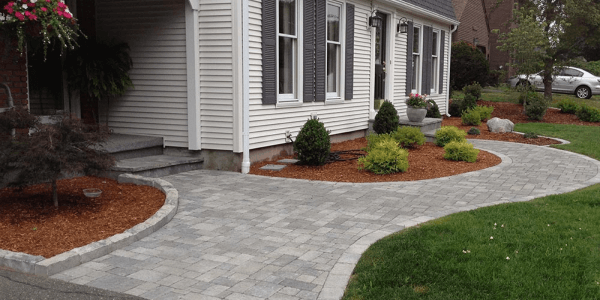


The cost of masonry work in 2026 ranges from $382 to $24,468, with an average expenditure around $5,685, depending on whether you are looking to build a new brick patio, install stone veneer, or repair existing work.
Masonry brings a sense of permanence and craftsmanship that few other materials offer. The charm of a custom masonry fireplace or the solid feel of a stone wall under your hand are projects that often enhance more than just the structure; they elevate the entire experience of a home.
This guide explains the key factors that influence masonry pricing and helps you understand the difference between basic services and more premium work. With this information in hand, it becomes easier to plan your budget and choose professionals who align with both your expectations and your resources.
Key takeaways
Masonry costs typically start as low as $382 and can go up to $24,468
The average price homeowners pay is approximately $5,685
Factors such as materials, project complexity, and labor influence the wide cost range
Proper budgeting ensures a smoother hiring process and project outcome
Types of Masonry Services and Their Costs
Masonry encompasses a variety of construction and repair services involving stone, brick, concrete, and other durable materials. The types of masonry work typically offered include installation, repair, restoration, and customization of structural and decorative elements[1]. Pricing for these services can vary widely depending on factors such as the project's size and complexity, material choice, labor intensity, urgency, and regional cost differences.
| Type of Service | Cost | Features |
|---|---|---|
Brick Wall Construction | $3,921 - $14,246 | Building new walls using bricks for structural or decorative purposes. |
Concrete Block Wall Repair | $382 - $1,941 | Fixing cracks, chips, or structural damage in concrete block walls[2]. |
Chimney Masonry Repair | $472 - $3,133 | Restoring or repairing brick or stone chimneys affected by weather or age. |
Masonry Fireplace | $3,825 - $17,574 | Constructing or upgrading fireplaces using brick, stone, or block materials. May include custom hearths, mantels, or decorative surrounds. |
Masonry Stove | $9,733 - $24,468 | Building high-efficiency wood-burning stoves made from brick or stone to retain and radiate heat over long periods. |
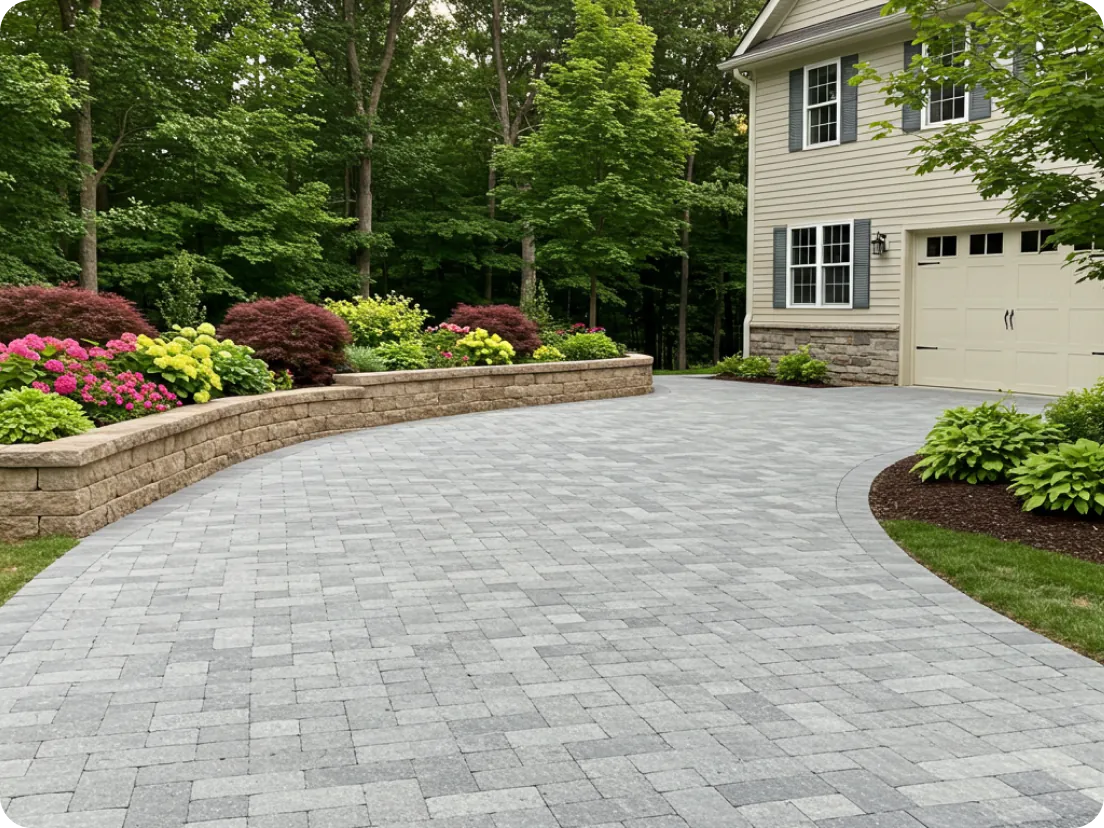
Retaining Wall Construction[3] | $3,899 - $18,651 | Building walls designed to hold back soil on uneven terrain. |
Chimney Masonry Repair Costs
Chimney masonry repair addresses deterioration such as cracked bricks, mortar joint erosion, or structural instability caused by weather and aging. This service is essential to ensure chimney safety and function[4], with prices falling between $472 and $3,133, with an average near $1,376.
The extent of damage, chimney height, and materials used are key cost drivers.
Masonry Fireplace Costs
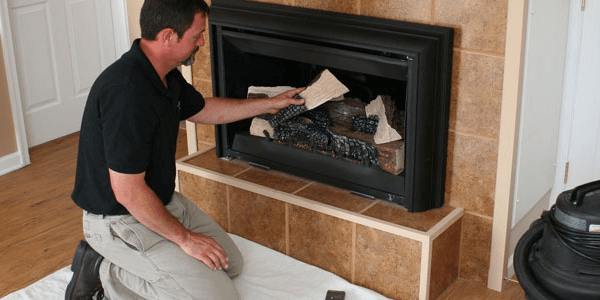
A masonry fireplace brings warmth, durability, and architectural charm to a living space. Whether built from brick or natural stone, it serves as both a heating source and a striking design feature.
The total cost generally depends on the size, material choice, and whether it is a new build or a retrofit, typically ranging from $3,825 to $17,574, with an average of $9,302 per project.
Masonry Stove Costs
Masonry stoves are designed for efficient, long-lasting heat retention. Built from stone or firebrick, these units use radiant heating to warm interior spaces over many hours[5].
The cost of a masonry stove often falls between $9,733 and $24,468, reaching an average of $14,416, influenced by the size of the stove, its placement in the home, and the complexity of the build.
Masonry Work Cost per Hour
Masonry work, which includes building and repairing brick, stone, and concrete structures, is often priced on a per-hour basis to account for the variability of tasks and project complexity. You can expect hourly costs to vary depending on location, the expertise of the mason, and the specific scope of work[6].

Hourly rates for masonry labor typically include the costs of skilled craftsmanship, tools, and small materials but generally exclude the cost of large supplies like stone or bricks. It is also common for masons to charge differing rates depending on the type of project: residential, commercial, or custom artistic work.
Project size can affect whether the hourly rate feels economical; smaller, detailed projects might cost more per hour compared to larger jobs where labor is spread over more work hours. In all cases, you should verify what is included in the hourly rate to ensure complete budgeting.
7 Main Factors That Affect Masonry Cost
Masonry costs can vary widely due to several unique factors tied directly to the nature of the materials, project complexity, and site conditions.
- Material Type: The choice of materials (brick, natural stone, concrete blocks, or decorative veneers) can significantly influence both material costs and the required labor skill level.
- Project Complexity: Simple walls or patios are generally less expensive than intricate designs or custom finishes. Curves, arches, and multi-patterned layouts increase time and craftsmanship, impacting labor costs.
- Site Accessibility and Preparation: Projects on difficult-to-access properties or locations requiring extra site preparation, such as grading or demolition costs, may lead to increased labor hours.
- Labor Skill: Highly skilled masons with certifications or specialized experience may charge premium rates, reflecting their expertise and the quality assurance they provide[7].
- Geographic Location: Regional labor market differences can affect mason hourly rates. Urban areas or regions with high living costs generally have higher labor costs.
- Job Duration: Larger projects often benefit from economies of scale, whereas smaller or very short-term jobs can incur proportionally greater hourly costs due to setup and minimum charge policies.
- Weather and Seasonal Conditions: Outdoor masonry work can be affected by seasonal weather, possibly leading to delays or the need for specialized equipment to maintain work progress, influencing overall labor costs[8].
Factor number two deserves a topic on its own!
Masonry Cost Based on Project Size and Configuration
Larger or more complex masonry work typically requires more materials, labor, and time, which directly impacts the overall cost, as you can see in the common examples below.
Small Masonry Projects (e.g., Garden Walls, Fire Pits)
Small-scale masonry projects usually involve limited square footage and simpler designs. These might include features like garden retaining walls, outdoor fire pits, or small pathway edging.
- Description: Typically under 50 square feet, these projects require fewer materials and less labor. Often completed within a day or two.
- Cost Range: $639 to $2,117
- Average Cost: $1,290
Medium-Sized Masonry Walls and Patios
Medium projects cover structures such as backyard patios, medium retaining walls[9], or decorative facades. These usually demand more precise craftsmanship and moderate material quantities.
- Description: Approximately 50 to 200 square feet in size, these projects may involve more complex design elements and a longer installation timeline.
- Cost Range: $4,983 to $14,247
- Average Cost: $8,334
Large Masonry Walls and Structural Features
Large-scale masonry includes significant walls, foundation costs[10], or feature elements that serve structural or heavy-duty purposes. These projects require substantial material volume and skilled labor.
- Description: Often 200+ square feet, large projects usually involve reinforcing techniques such as rebar or concrete footings and extend over several days or weeks to complete.
- Cost Range: $14,446 to $43,069
- Average Cost: $23,787
Custom Masonry Installations (Intricate or Multi-Feature Builds)
Custom masonry projects combine different materials and detailed craftsmanship, such as decorative stone veneers, built-in seating, or multi-tiered retaining walls. These require extensive design work alongside skilled labor.
- Description: Variable size with complex configurations, often combining multiple elements to create a unique outdoor or indoor feature.
- Cost Range: $8,434 to $27,373
- Average Cost: $16,416
Masonry Repair by Scope and Scale
Even repair work can vary significantly in cost depending on how extensive the damage or deterioration is. Smaller repairs capitalize on simple patching, while large repairs may require rebuilding entire sections.
- Description: From minor tuckpointing or crack filling under 20 square feet, up to major reconstruction of walls or chimneys covering hundreds of square feet.
- Cost Range: $382 to $6,246
- Average Cost: $1,841
Stone Masonry Labor Cost per Square Foot
Stone masonry is known for its durability and timeless appearance, but it requires precision and experience to install correctly. Labor costs are typically higher than other masonry types due to the extra time needed to cut and place each stone by hand. This type of work is often used for facades, garden walls, landscaping projects, walkways, and custom features that demand visual impact and structural strength.
- Description: Projects are priced per square foot of surface area, with final costs influenced by stone type, layout complexity, and site conditions.
- Cost Range: $17 to $37 per sq. ft.
- Average Cost: $23 per sq. ft.
Emergency Masonry Services Costs: Special Surcharges
From chimney repairs after a storm to urgent crack stabilization in load-bearing walls, these services are designed to prevent further deterioration and protect the integrity of the building. Due to the urgent nature of the work, costs are often higher than scheduled repairs and vary depending on the severity of the issue, materials requifred, and response time.

When masonry damage happens suddenly, it is rarely just a cosmetic issue. Acting quickly helps prevent more serious structural problems and avoids bigger repairs later on. Having a general idea of the cost range makes it easier to reach out for help right away, before a small emergency turns into a major rebuild.
Estimating Masonry Costs: Service Pricing Options
Masonry costs generally fall into three primary pricing options: per square foot, per brick, and hourly rates. Each model can impact the total project cost based on the scope, material type, and complexity.
Per Square Foot Pricing
Charging by the square foot is common for projects involving large surface areas such as walls, patios, and walkways. This method simplifies estimating costs by calculating the total area and applying a rate that covers labor and materials.
- Best Suited for: Brick walls, stone veneer installations, large patios, and driveways.
- Factors Affecting Cost: Type of masonry material (brick, stone, concrete block), surface preparation, and finish complexity.
Per Brick Pricing
For smaller projects like chimney repairs, decorative brickwork, or detailed facades, pricing per brick provides granular control over expenses. This option accounts for the individual cost of bricks plus the labor required to install each unit.
- Best Suited for: Brick repair, custom brick patterns, and chimneys.
- Factors Affecting Cost: Brick type and quality, pattern intricacy, and mortar type.
Hourly Rates
Hourly pricing applies when projects have uncertain scopes, require specialized craftsmanship, or involve repairs with variable tasks. It allows flexibility but may result in variable project costs.
- Best Suited for: Masonry repairs, custom design elements, and projects with changing scope.
- Factors Affecting Cost: Mason's experience, project complexity, and equipment needs.
| Pricing Model | Cost |
|---|---|
Per Square Foot | $13 - $38 |
Per Brick | $1 - $4 |
Hourly Rate | $71 - $147 |
You should also verify if debris or junk removal is included or charged separately; some debris types, especially hazardous materials like electronics, can significantly increase costs.
Finally, request detailed estimates that break down costs per pricing model and debris handling. For hourly rate projects, ask about potential total hours expected and whether travel or equipment fees apply, and do not forget to compare multiple quotes to balance price with contractor reputation and quality of materials offered.
DIY vs. Professional Masonry Costs Explained
Taking on masonry projects yourself can seem like a great way to save money upfront, but it is important to weigh the total costs and risks before grabbing the trowel. While DIY may appear budget-friendly, masonry work demands skill, proper tools, and safety know-how to achieve lasting results.
Hiring a professional, on the other hand, often leads to higher quality workmanship, fewer mistakes, and ultimately, better value for your investment.

Why DIY Masonry Can Be Risky
- Lack of experience often leads to structural issues or uneven finishes that require costly repairs.
- Improper mixing or application of materials can reduce durability and lifespan.
- Safety hazards from working with heavy materials and tools, especially for complex tasks like chimney repair.
- Time-consuming, often taking much longer than anticipated, increasing frustration, and indirect costs.
Advantages of Hiring a Professional
- Access to specialized tools and high-quality materials is included in the service cost.
- Skilled craftsmanship ensures even, strong, and weather-resistant work.
- Projects are completed faster with minimal disruption to your daily routine.
- Masonry workers are up-to-date with regulations and permits[11], saving you time.
- Professionals typically offer warranties or guarantees for their work, providing peace of mind.
When you compare the cost ranges for common masonry tasks, the initial expense of hiring a pro might be higher than buying materials for DIY. However, professionals bring experience and efficiency that often translates to fewer costly errors, less time spent, and a finished product that requires less maintenance over time[12].
How to Save on Masonry Costs Without DIY
Armed with a few savvy cost-cutting strategies, you can keep your masonry project within budget without compromising quality or having to do it yourself.
Here are some practical tips to reduce your project expenses:
- Gather Multiple Quotes: Compare at least three professional estimates to find the best balance of price and quality.
- Plan Your Project Carefully: Avoid last-minute changes that can increase labor and material costs.
- Choose Cost-Effective Materials: Ask
your mason about durable yet affordable material alternatives. - Do Prep Work Yourself: Simple tasks like clearing the site or demolition can lower labor hours charged by pros.
- Combine Projects: Bundle related masonry jobs to negotiate a package deal or volume discount.
- Schedule During Off-Peak Seasons: Some contractors offer discounts during slower times of the year.
Ready to get quality masonry work done without overpaying? Contact and hire verified professionals through homeyou to access competitive pricing and trusted expertise. Do not wait: start your project smart today!
References
[1] "Careers in Construction: Masonry." NAHB, www.nahb.org/advocacy/top-priorities/workforce-development/careers-in-the-construction-trades/masonry.
[2] "Concrete Building Systems: Trends and Benefits." NAHB, www.nahb.org/other/consumer-resources/types-of-home-construction/concrete-building-systems.
[3] Concrete Masonry and Hardscapes Association. "Segmental Retaining Walls - Concrete Masonry and Hardscapes Association." Concrete Masonry and Hardscapes Association, 21 Aug. 2024, www.masonryandhardscapes.org/building-solutions/segmental-retaining-walls.
[4] "Heating Fire Safety." U.S. Fire Administration, www.usfa.fema.gov/prevention/home-fires/prevent-fires/heating/
[5] "Wood and Pellet Heating." Energy.gov, www.energy.gov/energysaver/wood-and-pellet-heating.
[6] "Masonry Workers." Bureau of Labor Statistics, 18 Apr. 2026, www.bls.gov/ooh/construction-and-extraction/brickmasons-blockmasons-and-stonemasons.htm.
[7] Masonry | U.S. Department of the Interior. careers.doi.gov/occupational-series/masonry.
[8] Federal Emergency Management Agency. Flood-Resistant Material. FEMA, 2020, https://www.fema.gov/about/glossary/flood-resistant-material
[9] Masonry Walls. FEMA, 2020, https://www.fema.gov/about/glossary/masonry-walls.
[10] Federal Emergency Management Agency. Foundation Walls. FEMA, 2020, https://www.fema.gov/about/glossary/foundation-walls.
[11] 1926.706 - Requirements for Masonry Construction. | Occupational Safety and Health Administration. www.osha.gov/laws-regs/regulations/standardnumber/1926/1926.706.
[12] "Routine Home Maintenance." NAHB, www.nahb.org/other/consumer-resources/routine-home-maintenance.