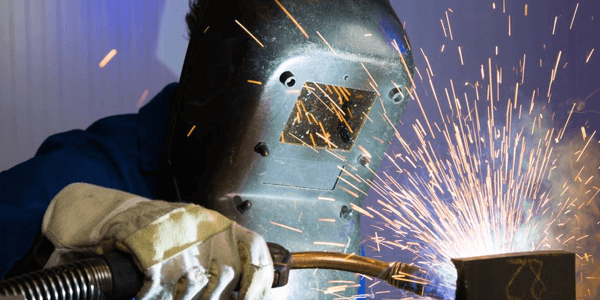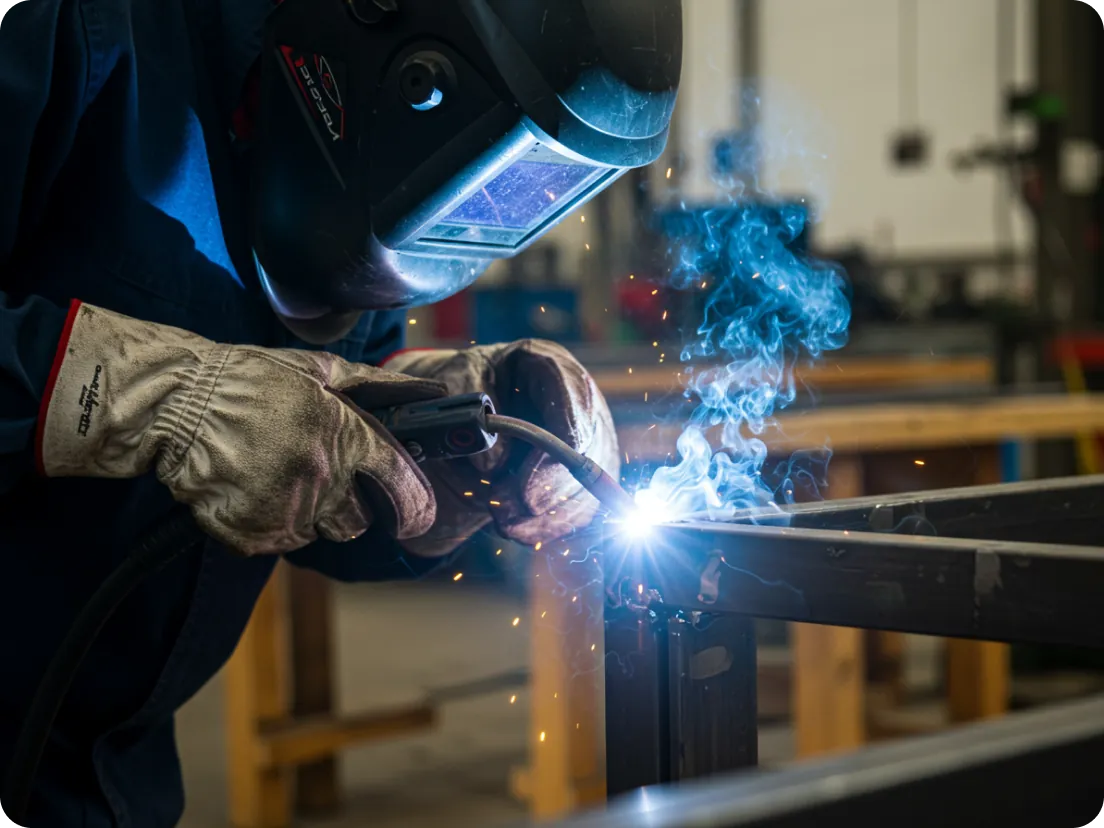


Welder's costs in 2026 can vary significantly depending on the scope of the project, materials used, and labor requirements. Typically, you can expect prices ranging from $78 to $899, with an average cost sitting around $321.
From gates and fences to stair railings, support beams, and even outdoor furniture, hiring a welder is the best way to guarantee reliability, experience, and know-how to assess the job properly. After all, improperly welded joints are one of the leading causes of premature metal failure in residential settings, especially when repairs are rushed or done without proper inspection.
Use this guide to understand the typical expenses involved in this kind of service and how much the best low-cost MIG or TIG welder would charge for the task. Learn how to compare estimates, choose a qualified pro, and avoid surprises along the way.
Types of Welding and Their Costs
Welding encompasses a variety of techniques used to join metals and other materials permanently. Common types include MIG, TIG, stick welding, and flux-cored arc welding, each suited for different applications and metal types. The overall cost for these services can vary greatly depending on factors like the complexity of the task, materials involved, project size, urgency, and geographic location[1].
| Type of Service | Cost | Features |
|---|---|---|
MIG Welding | $138 - $492 | A versatile welding method suitable for automotive and fabrication jobs. |
TIG Welding | $218 - $1,020 | Precision welding, ideal for thin metals and intricate projects. |
Stick Welding | $114 - $979 | Common outdoor welding process used on heavy metals and structures. |
Flux-Cored Arc Welding | $219 - $887 | Fast welding for thicker materials, often used in construction. |
Spot Welding | $74 - $339 | Used to join sheet metals, typical in automotive and manufacturing. |
Underwater Welding | $5,880 - $24,334 | Specialized welding performed underwater for repairs and construction. |
MIG Welding Costs
Metal Inert Gas (MIG) welding is one of the most popular methods due to its ease of use and versatility, commonly applied in automotive repairs and metal fabrication.
For these reasons, it is typically priced between $138 and $492, with an average cost around $323, but the thickness and type of metal, weld length, and project accessibility might affect the final budget.
TIG Welding Costs
Tungsten Inert Gas (TIG) welding provides precise, clean welds and is especially suited for thin materials and sensitive projects that require high-quality finishes.
Due to its quality, this service generally costs between $218 for low-cost TIG weldings and $1,020 in the high-end, with an average near $597. Costs are influenced by metal type, weld complexity, and required equipment setup.
Underwater Welding Costs
Since it is a highly specialized service performed to repair or construct structures below water surface, such as pipelines or ship hulls, this service command higher costs due to the technical difficulty and safety risks[2], with prices ranging from $5,880 to $24,334, and an average of about $14,080.
Cost drivers include depth, water conditions, and duration of the operation.
All About Welding Cost per Hour
Welding costs can vary significantly depending on the type of welding required, the complexity of the job, and the region. Generally, you can expect to pay an hourly rate that reflects the welder's expertise, equipment used, and the materials involved[3].

Hourly welding costs typically start at $63 for straightforward repairs and can rise to $128 or more for highly specialized tasks. MIG welding often costs less per hour than TIG welding due to the differences in technique and equipment complexity. Structural welding, used in projects like custom frameworks or load-bearing components, generally commands a premium price because of the precision and safety standards required[4].
For smaller repairs or when services are requested for a short duration, some welders may charge a minimum service fee or a flat-rate call-out charge in addition to the hourly rate, which can also vary if the job site requires travel or if welding needs to be performed under challenging conditions, such as outdoors or in confined spaces.
You should also be aware that the hourly rate often covers labor only. Materials like rods, gases, or specialized welding wire may incur extra charges. Be sure to clarify with your welder whether the quoted hourly cost includes these supplies or if they will be billed separately.
8 Main Factors That Affect the Cost to Weld
From the type of welding to the expertise of the professional, there are many factors influencing the price you will pay for this kind of service:
- Type of Welding Process: Different welding techniques, such as MIG, TIG, stick, or flux core, require various levels of skill[5], equipment, and time. MIG welding is generally faster and less costly, while TIG welding is more precise and expensive due to the complexity involved.
- Project Size: Larger or more intricate welding projects, such as building structural components or custom fabrications, typically require more time, preparation, and skill, driving up the hourly costs.
- Material Type and Thickness: Welding steel, aluminum, stainless steel, or exotic metals affects labor time and equipment needs[6]. Thicker materials require more powerful welding machines and additional filler materials, impacting overall cost.
- Accessibility and Location of the Weld: Welding in tight, confined, or hard-to-reach areas may increase labor time and require specialized tools, resulting in higher fees.
- Travel Time: Travel distance might be a factor added to the final price due to logistical requirements.
- Job Site Conditions: Environmental factors, like outdoor weather conditions or working heights, can increase the labor cost due to additional risk.
- Expertise of the Welder: Certified welders with specialized training or experience charge higher hourly rates, reflecting their ability to handle complex or safety-critical projects[7].
- Urgency: Emergency or after-hours welding services may come with surcharge fees, increasing the hourly rate beyond standard pricing.
Some of these factors will be explained in more detail in the next topics. Keep on reading!
Welding Costs by Size and Configuration
When it comes to welding, the size and configuration of the project play a major role in determining the overall cost. Larger or more complex welds require more labor, materials, and time, which naturally increases expenses.
Here are the main scenarios, so you can better anticipate your needs and budget:
Small-Scale or Spot Welding
Spot welding involves fusing metal surfaces at small, localized points. This type is commonly used for minor repairs and thin materials.
- Description: Ideal for quick fixes or joining thin metal sheets without the need for large weld beads.
- Cost Range: $74 - $339.
- Average Cost: $182.
Medium Welds (Standard Joint or Seam)
Medium welds refer to typical welding jobs such as standard butt joints or seams on plumbing pipes, frames, or machinery parts.
- Description: These welds cover moderate lengths or diameters and may require more preparation and cleanup.
- Cost Range: $244 - $538.
- Average Cost: $369.
Large Welds (Structural or Heavy Duty)
Large welds are necessary for substantial projects, including structural steel frameworks or heavy-duty equipment. These welds involve thicker materials and extended weld lengths.
- Description: Requires specialized skills and equipment to handle increased thickness and stress requirements.
- Cost Range: $486 - $1,648.
- Average Cost: $873.
Complex or Multi-Axis Welding
This type involves welding in challenging positions or on intricate geometries such as pipe bends, enclosed spaces, or vertical surfaces.
- Description: The complexity increases labor time and requires advanced expertise, often used in custom fabrication.
- Cost Range: $480 - $1,547.
- Average Cost: $869.
Custom or Specialty Welds
Custom welding projects go beyond typical dimensions or configurations and can include artistic metalwork, specialized alloys, or high-precision welds.
- Description: Often unique in scale and technique, this category commands a premium due to customization and specialized materials.
- Cost Range: $349 - $2,394.
- Average Cost: $1,145.
Emergency Welding Cost Surcharges
When unexpected welding repairs are needed, emergency service pricing can differ significantly from standard rates, as these situations often require quick response times and flexible availability, which factor into the overall cost.

Emergency welding costs can vary based on factors such as the urgency of the job, time of day or weekend rates, travel distance, and the complexity of the welding required. Always prioritize hiring certified welders with emergency service capabilities to ensure quality and safety in urgent situations.
The Cost of a Welder by Different Pricing Models
Welding costs are typically calculated based on one or a combination of the following models:
- Hourly Rate: Most welders charge by the hour, with rates varying according to their experience, specialization, and geographic location. This model is common for on-site repairs or projects where the scope may evolve.
- Project-Based Pricing: For well-defined jobs such as fabricating a metal gate or a custom railing, welders often provide a fixed price. This approach helps avoid surprises but requires a clear scope of work.
- Per Inch or per Foot: Pricing can be based on the length of the weld bead, especially for industrial projects. This is more common in fabrication shops.
Here are the main costs related to each one of these pricing options:
| Pricing Model | Cost | Description |
|---|---|---|
Hourly Rate | $57 - $128 | Common for repairs, maintenance, and small jobs. |
Project-Based Pricing | $188 - $1,497 | Fixed price for discrete fabrication or installation. |
Per Inch/Foot of Weld | $2 - $7 | Used for production or structural welding. |
Some welders also itemize the cost of materials and consumables, including metal stock, welding rods, shielding gas, and labor, especially when the client supplies materials.
Welding Material Costs
Material costs are a critical component of overall expenses for homeowners. These include the metals, consumables, and supplies needed to complete the job. When budgeting or requesting quotes, be sure to clarify who will supply materials and understand their pricing implications[8].
Here are the most common welding materials and their associated costs:
| Material Type | Cost | Details |
|---|---|---|
Steel (per Pound) | $0.42 - $0.83 | Most common welding material. |
Aluminum (per Pound) | $1 - $2 | Lightweight metal, typically more costly. |
Stainless Steel (per Pound) | $0.42 - $0.73 | Corrosion resistant; premiums apply. |
Welding Rods/Filler Wire | $3 - $15 | Consumables used in most welding types. |
Shielding Gas (per Tank) | $58 - $270 | Required for MIG/TIG welding processes. |
Before closing a deal, make sure to clarify if materials are included in the quote, check the quality of what is being used, and keep in mind that prices may vary with market shifts. If needed, explore more affordable material options, but be aware that they might affect durability or the final finish.
DIY vs. Professional Welding Costs
Some people might even consider tackling the job themselves to save some money, but what they do not know is that the DIY welding process often involves hidden expenses such as rental of equipment, materials, and potential safety risks. On the other hand, professional welders bring expertise, efficiency, and reliable results that can ultimately save you time and money.

Why choose a professional over DIY?
- Safety Risks: Welding involves high heat, sparks, and potentially toxic fumes. Inexperience increases the risk of serious injury or property damage[9].
- Equipment Costs: Quality welding machines, protective gear, and consumables are costly and may exceed the expense of hiring a pro for a one-time job.
- Skill and Quality: Professionals ensure strong, code-compliant welds that last, avoiding costly repairs or failures[10].
- Time Efficiency: Professionals complete jobs faster with minimal errors, preventing costly rework.
- Warranty and Insurance: Many professionals offer guarantees and are insured, providing peace of mind not available with DIY efforts.
Choosing a licensed welding expert is often the smarter, more cost-effective solution, especially for complex or safety-critical projects.
How to Save on Welding Costs Without Compromising Your Safety
Welding services can be a valuable investment in your home's upkeep and improvement, but only savvy homeowners know how to reduce costs without cutting corners or risking their safety. Following the list below will make you one of them!
- Get Multiple Quotes: Compare several professionals to ensure competitive pricing and services.
- Bundle Services: If you have multiple welding or metalwork jobs, bundling them can lower per-project costs.
- Prepare the Project Area: Clear and pre-measure materials ahead of the professional's arrival to reduce labor time.
- Choose Off-Peak Seasons: Some pros may offer discounts during slower months.
- Discuss Materials: Ask if the welder can source materials cheaper or if providing your own will reduce costs.
- Focus on Preventative Maintenance: Schedule home inspections regularly to address minor welding needs before they escalate into costly repairs.
Ready to get the best deal with certified professionals? Contact or book your expert welder today and ensure quality work at competitive prices, customized to your home's unique needs!
Provide clear photos, approximate dimensions, metal type if known, and where the weld is located. Describe whether it is a repair or new fabrication, any finish expectations, and site access details. Mention if power is available on-site and whether the work must meet a specific code.
Shop work is often better for precision, controlled conditions, and easier finishing. Mobile welding is convenient for fixed items like railings, frames, or structural repairs that cannot be moved. Decide based on portability, safety, and whether the work area allows proper fire protection and ventilation.
Requirements vary by state, city, and project type. Many residential repairs do not require a specific welding license, but structural or permit-related work may. Ask about relevant certifications, insurance, and experience with similar projects. When a permit is involved, confirm the inspector will accept the welder's credentials.
A safe repair should look continuous, properly fused, and free of obvious cracks, holes, or heavy spatter around the joint. For load-bearing items, request the welder explain the joint design and reinforcement used. If safety is critical, ask about basic testing methods and whether additional bracing is recommended.
It can. Heat, sparks, and grinding debris may scorch paint, melt vinyl, or ignite dry materials. A responsible welder uses fire-resistant blankets, shields, and a controlled work zone, and keeps an extinguisher nearby. Homeowners should clear flammables, cover delicate surfaces, and confirm post-work cleanup is included.
Yes, but preparation matters. Coatings often must be removed near the joint to prevent contamination, weak welds, and hazardous fumes. Galvanized metal in particular can release toxic smoke when heated, so ventilation and proper respiratory protection are important. Ask how the area will be prepped and refinished afterward.
Common add-ons include travel time, a minimum service charge, materials and consumables, cutting and grinding, and surface finishing like priming or painting. Disposal of old metal and permit-related coordination may also be separate. Ask for an itemized estimate showing what is included, what is optional, and what could change.
Make the work area accessible, well lit, and free of clutter. Move vehicles, propane tanks, chemicals, and dry debris away from the spark zone. Confirm a nearby electrical source if needed and provide a clear path for equipment. If pets or children are present, plan to keep them away during the work.
References
[1] "Career Map: Welder, Solderer, and Brazer." Energy.gov, www.energy.gov/eere/wind/career-map-welder-solderer-and-brazer.
[2] Welding, Cutting, and Brazing - Standards | Occupational Safety and Health Administration. www.osha.gov/welding-cutting-brazing/standards.
[3] "Welders, Cutters, Solderers, and Brazers." Bureau of Labor Statistics, 28 Aug. 2026, www.bls.gov/ooh/production/welders-cutters-solderers-and-brazers.htm.
[4] Green Job Hazards - Geo-Thermal Energy: Welding and Cutting | Occupational Safety and Health Administration. www.osha.gov/green-jobs/geo-thermal/welding-cutting.
[5] Hetherington, Paget. "What Skills Does a Welder Need?" Build Your Future, 18 July 2024, www.byf.org/what-skills-does-a-welder-need.
[6] National Center for Construction Education & Research. "Inside the Hard Hat: Welder." NCCER, 20 Mar. 2023, www.nccer.org/newsroom/inside-the-hard-hat-welder.
[7] National Center for Construction Education & Research. "Welding - NCCER." NCCER, 15 May 2026, www.nccer.org/craft-catalog/welding.
[8] GoWelding.org Staff. Welding Processes and Information About Different Types of Welds | GoWelding.org. 30 June 2026, gowelding.org/welding.
[9] Safety in Welding, Cutting, and Allied Processes. American Welding Society, 2 July 2021, https://aws-p-001-delivery.sitecorecontenthub.cloud/api/public/content/f524cc78ee9c4e00a703bbe12b2f368b.
[10] "Shaping the Future of Welding Standards." American Welding Society, www.aws.org/standards-and-publications/codes-and-standards/#numberOfResults=5.