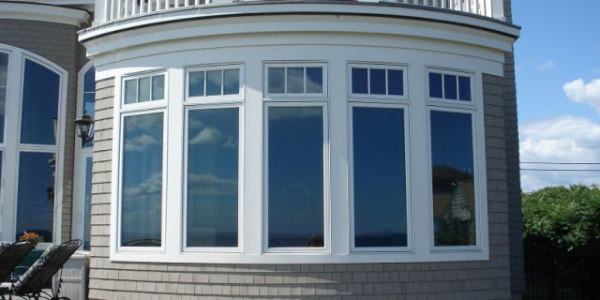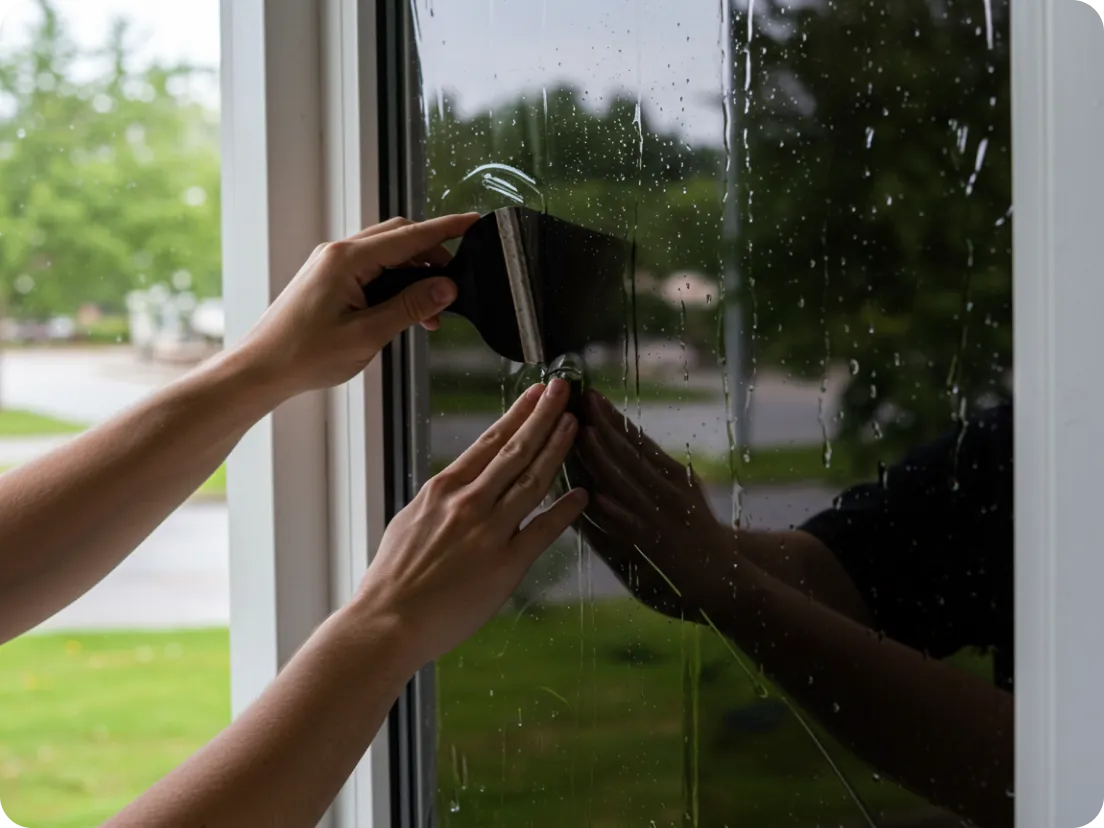


Window tinting in 2026 continues to be a popular and effective way to improve your home's privacy, comfort, and energy efficiency, with costs of installation typically ranging from $187 to $729, with the average reaching around $638. These prices can vary based on factors such as the type of tint film, the number of windows, and the installation complexity.
Beyond aesthetics and heat control, the window tint cost is often outweighed by the long-term benefits it brings. Quality window tints can block up to 99% of harmful UV rays, protecting your furniture and preserving your property's interior. Also, certain films reduce glare and maintain consistent indoor temperatures, which can ease the load on your HVAC system and extend its lifespan[1].
These added advantages are key reasons why more homeowners are investing in this resource this year. Discover the key factors that influence window tinting cost and learn how to navigate your options by exploring the types of films available and their cost range, and find out what to look for in a reliable installer!
Key takeaways
Window tinting in 2026 typically ranges from $187 to $729, with an average around $638.
Per square foot is the most common pricing model, though per window quotes are also available in some regions.
Tint type, window size, and installation complexity are major cost drivers.
Standard dyed films are the most affordable, while ceramic and decorative tints sit at the higher end of the range.
DIY may save money upfront, but it increases the risk of material waste and poor results.
How Much Does Window Tinting Cost per Material
Window tinting services cover a variety of film types and applications that can improve privacy, reduce glare[2], and enhance energy efficiency in homes[3]. Pricing varies widely depending on the type of tint selected, the number and size of windows, installation complexity, materials used, and your geographic location.
| Type of Service | Cost | Features |
|---|---|---|
Standard Dyed Window Tint | $187 - $574 | Basic tint that reduces glare and enhances privacy by darkening windows. |
Metalized Window Tint | $274 - $694 | Tint with metallic particles that reflect heat and strengthen glass. |
Ceramic Window Tint | $382 - $789 | Advanced tint offering superior heat rejection and UV protection[4] without signal interference. |
Hybrid Window Tint | $221 - $419 | Combines dyed and metalized layers for balanced performance and appearance. |
Carbon Window Tint | $384 - $722 | A film that blocks infrared light and prevents fading without a shiny appearance. |
Decorative or Frosted Window Tint | $420 - $1,199 | Provides privacy and aesthetic effects with patterns or frosted looks. |
Standard Dyed Window Tint Costs
This is one of the most affordable and commonly used options for enhancing privacy and reducing glare. While it does not offer the same level of heat rejection or longevity as more advanced films, it remains a popular choice for homes where basic protection and aesthetic improvement are the main goals[5].
The cost of window tinting with standard dyed film typically ranges from $187 to $574, with an average cost of window tinting around $368.
Prices may vary based on the number of windows, total surface area, and the complexity of the installation.
Ceramic Window Tint Costs
Ceramic window tint is a premium option designed for homeowners seeking top-tier heat rejection, UV protection, and durability without metallic interference affecting electronic signals. It is ideal for sunrooms or larger windows exposed to intense sunlight[6].
The cost typically ranges from $382 to $789, with an average around $614. Pricing mainly depends on window size, number of panes, and installation difficulty.
Decorative or Frosted Window Tint Costs
Decorative or frosted window tint serves both functional and aesthetic purposes[7] by adding privacy and unique design elements to glass surfaces. This type of tint is often chosen for bathrooms, office partitions, or storefronts.
Expect costs between $420 and $1,199, averaging near $714.
Factors influencing price include the complexity of design, the window surface area, and customization options.
Window Tint Costs per Square Foot or Number of Windows
When hiring professionals for residential window tinting, you will typically find two main pricing models: per square foot and per number of windows. The first option is the industry standard, especially for projects with varied window sizes or more advanced films, while per-window pricing is sometimes used for quick estimates or homes with uniform window dimensions.
Below, you see the national average costs per square foot:

Now, if the regional experts near you charge per window, you should expect prices like these:
| Type | Cost |
|---|---|
Standard Dyed Tint | $27 - $54 |
Metalized (Reflective) Tint | $61 - $117 |
Ceramic Tint | $83 - $163 |
Dual-Reflective Tint | $79 - $163 |
Spectrally Selective Tint | $137 - $284 |
Decorative or Frosted Tint | $73 - $187 |
Additionally, there are other factors that might affect your final quotes. You will get to know them in the next topic!
7 Factors That Affect Window Tinting Costs
From the type of film you chose to the number of windows, seven main elements can affect the price of this service:
- Type of Window Film Used: Basic dyed films are more affordable, while ceramic or metallic films designed for heat reduction[8] and UV protection cost more, impacting both materials and labor.
- Window Size and Number: Larger windows or a greater number of windows increase the amount of film required and labor time, driving up the total cost.
- Complexity of Installation: Curved or hard-to-reach windows take longer to tint and require specialized tools or techniques, increasing labor costs.
- Location and Accessibility: Tinting windows in high-rise buildings or apartments with limited access can necessitate additional safety measures or equipment rental, adding to the price.
- Warranty: Premium films with long-term warranties often carry higher upfront costs but may provide better durability, which affects overall value.
- Labor Rates in Your Area: Regional differences in labor costs can significantly impact pricing, as window tinting technicians charge rates that reflect local market conditions.
- Additional Services: Services such as window cleaning prior to tinting or the removal of old tinting can add time and expense to your project.
By pinpointing these specific factors, you can compare quotes more effectively and hire installers that align with your needs and budget.
Window Tint Cost by Size and Configuration
Different window sizes, from the small ones to large residential glass panels, require varying amounts of film and labor, which directly influences the price. Here are the most common scenarios and prices for you to base on:
Standard Residential Window
Residential window tinting usually involves standard-sized double-pane windows found in most homes. These surfaces can vary slightly in size but generally fall within a consistent range for pricing estimates.
- Cost Range: $34 - $113
- Average Cost: $68
This option is suitable for homeowners seeking to reduce glare, protect furniture from UV rays, and improve energy efficiency[9].
Large Residential or Commercial Windows
Tinting large windows, such as floor-to-ceiling panels or commercial storefronts, requires more film and careful handling during installation. The larger the glass surface, the greater the cost.
- Cost Range: $119 - $475
- Average Cost: $269
This service is perfect for custom homes or businesses with expansive glass features looking to enhance privacy or thermal comfort.
Custom or Irregularly Shaped Windows
Windows with custom shapes, such as arches or angled panes, often require specialized cutting and fitting techniques. This can increase both labor time and material waste, impacting the overall price.
- Cost Range: $298 - $865
- Average Cost: $528
Ideal for unique architectural designs where standard tint sizes do not apply, requiring expert craftsmanship for a precise fit[10].
Additional Costs You Might Face
When budgeting for window tint installation, you should consider several potential additional costs that may not be included in the initial quote, like these ones:
- Film Type Upgrades: Higher-quality or specialty films (e.g., ceramic, carbon, or security films) typically incur additional charges due to enhanced performance and durability, going from $87 to $250, depending on the brand and features selected.
- Surface Preparation: Extra fees may apply if windows require cleaning, paint removal, or the elimination of old tint before new installation can proceed. This extra usually falls between $53 and $278.
- Complex Window Shapes: Customized solutions for non-standard or curved windows often require more labor and precision, increasing labor costs, which can range from $82 to $274, especially for bay windows, arches, or high-reach areas.
- Removal Services: If existing tint needs to be removed, expect a separate removal fee distinct from installation charges, with costs between $111 and $388.
- Permits or HOA Approvals: Some jurisdictions or homeowner associations may require permits or approvals, which could include administrative fees that can range from $137 to $881.
- Warranty Extensions: Extended warranties or service guarantees beyond the standard coverage may require additional payment, ranging from $69 to $288.
- Travel or Mobilization Fees: For locations outside typical service areas, contractors might charge travel fees or surcharges for mobilization, typically ranging from $37 to $177, depending on the distance and access conditions.
Always ask your installer in advance about these possibilities.
Repair vs. Replacement Costs
If you are dealing with damaged or degraded window tint, you must decide whether to opt for repairs or complete replacement, each with distinct cost implications:
Repair Costs
Small defects such as bubbles, scratches, or peeling at the edges can sometimes be repaired, which involves spot treatments or partial film patching, but may be limited by film type and extent of damage.
Repair costs tend to be lower than full replacement, going from $67 to $183 for small repairs.
Replacement Costs
Now, when damage is extensive, discoloration occurs, or repair is not feasible, full removal and reinstallation of tint is recommended.
Replacement costs are typically higher due to complete material and labor requirements, going from $117 to $392 for partial re-tinting and ranging from $279 to $933 for a full replacement.
Key considerations when choosing between repair and replacement include:
- the age and condition of the existing film;
- warranty status; and
- long-term durability expectations.
Selecting a trusted professional who can provide an accurate assessment will help ensure cost-effective outcomes aligned with your needs.
DIY vs. Professional Window Tinting: Cost Comparison
Both options come with different cost implications, and while a DIY project may seem cheaper upfront, it often carries risks and hidden expenses. In contrast, professional window tinting offers efficiency, quality assurance, and long-term savings that make it a smarter investment for most homeowners.

Risks of Attempting DIY Window Tinting
- Imperfect Application: Bubbles, creases, or peeling can occur without proper technique.
- Material Waste: Errors may require purchasing additional film, increasing costs.
- Time-Consuming: Installation can take several hours and requires patience and skill.
- Potential Damage: Improper use of blades or cleaning chemicals can damage windows.
Advantages of Hiring a Qualified Professional
- Guaranteed Quality: Professionals have experience and tools to ensure smooth, bubble-free installation.
- Saves Time: Experts complete the job quickly and efficiently.
- Warranty and Service: Many pros offer warranties that protect your investment[11].
- Better Product Options: Professionals often use higher-grade films and offer advice tailored to your needs.
- Long-Term Savings: Fewer mistakes and longer-lasting results reduce future costs.
With expert installation, the results are not only more durable and visually appealing but also more likely to deliver long-term value. Choosing professional window tinting is an investment in both comfort and confidence.
How to Save on Window Tint Costs Without DIY
Looking to keep your window tinting project budget-friendly without sacrificing quality? There are several smart strategies you can use to save money while achieving great results:
- Compare Multiple Quotes: Get estimates from several reputable window tinting professionals to find the best price and service package.
- Bundle Services: Combine window tinting with other home services, such as glass repair or cleaning, to qualify for discounts.
- Choose Standard Tint Options: Opt for popular tint films and avoid overly specialized or custom films that drive up costs.
- Schedule During Off-Peak Seasons: Many pros offer better pricing during slower times of the year.
- Maintain Existing Tint: Proper care extends the lifespan of your tint, reducing how often you need replacement.
- Ask About Promotions: Look out for seasonal deals or special offers that reduce labor or material expenses.
For the best window tint prices and professional installation in your area, contact homeyou today: a network of trusted experts offers transparent pricing, reliable service, and warranties to safeguard your investment.
Do not risk costly DIY mistakes: let the pros handle your project with skill and care!
References
[1] "Abnormally Hot Summer Temps May Lead to More AC Use and Strain Power Grids - International Window Film." International Window Film Association, 4 June 2024, iwfa.com/articles/hotsummersacstrain.
[2] "Privacy and Glare - International Window Film Association." International Window Film Association, 27 June 2024, iwfa.com/privacy-and-glare.
[3] "An 'Out of Sight' Energy Saver - International Window Film Association." International Window Film Association, 22 Apr. 2024, iwfa.com/articles/an-out-of-sight-energy-saver.
[4] "UV Protection - International Window Film Association." International Window Film Association, 27 Mar. 2026, iwfa.com/benefits-of-window-film/uv-protection.
[5] Home Improvements | HUD.gov / U.S. Department of Housing and Urban Development (HUD). www.hud.gov/helping-americans/home-improvements.
[6] "Don't Let the Winter Sun Catch You off Guard - International Window Film Association." International Window Film Association, 22 Apr. 2024, iwfa.com/articles/low-winter-sun-and-glare.
[7] "Aesthetics - International Window Film Association." International Window Film Association, 9 July 2026, iwfa.com/aesthetics.
[8] "Heat Control - International Window Film Association." International Window Film Association, 27 June 2024, iwfa.com/heat-control.
[9] "Energy Savings - International Window Film Association." International Window Film Association, 27 June 2024, iwfa.com/energy-control.
[10] "Architectural Installation Process - International Window Film Association." International Window Film Association, 14 July 2026, iwfa.com/architectural-installation-process.
[11] "After You Buy - International Window Film Association." International Window Film Association, 14 July 2026, iwfa.com/after-you-buy.