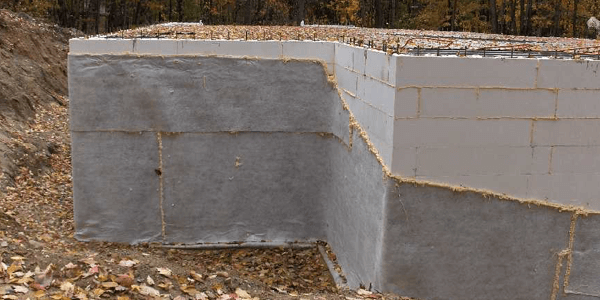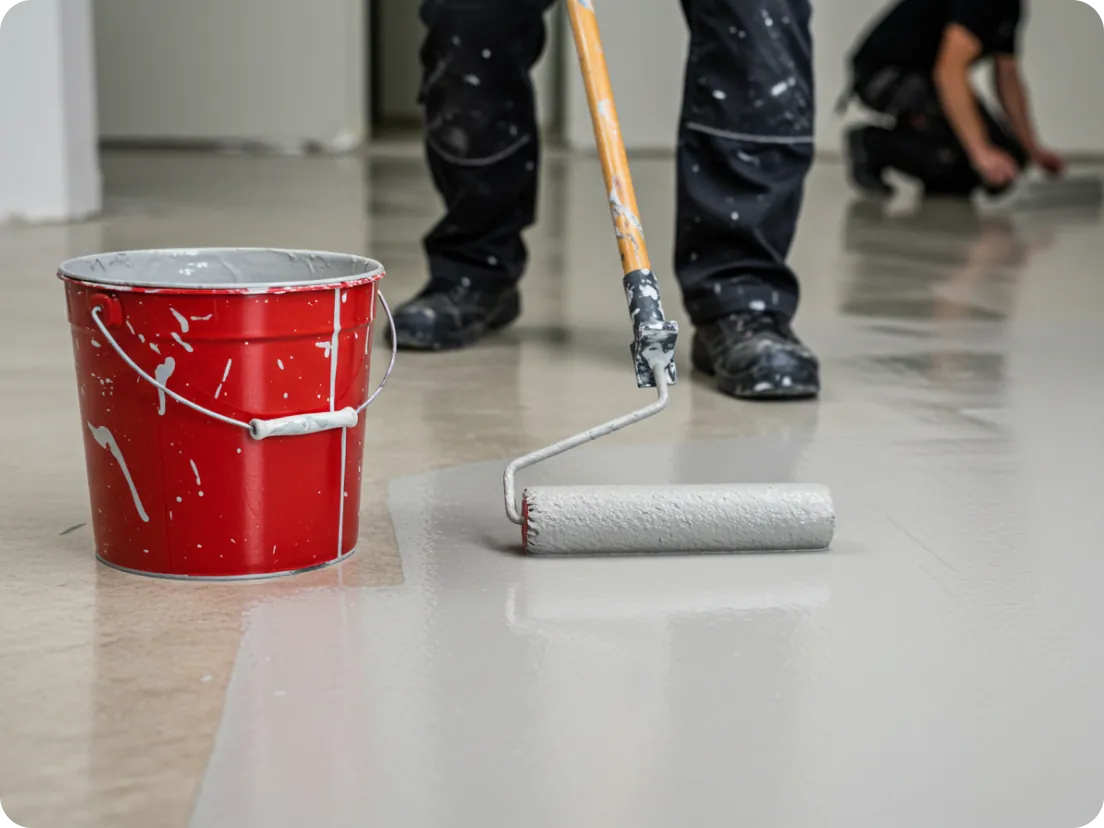


Basement waterproofing costs in 2026 can vary significantly depending on the extent of the work needed, the materials used, and the size of the basement area. You should expect to encounter a price to waterproof your basement ranging from approximately $468 to $11,391, with the average cost hovering around $5,649.
Imagine losing years of family photo albums, seasonal decorations, or a fully furnished guest suite because of an avoidable basement leak. For many homeowners, that is the turning point when waterproofing shifts from "nice to have" to a necessary investment. Understanding the average cost to waterproof a basement becomes less about budgeting and more about protecting the things that matter most.
In this reading, you will get a clear understanding of what affects basement waterproofing costs, from the type of materials used to the complexity of labor and optional services that may be required. Know what to expect at each price range so you can plan confidently, compare options with ease, and choose a solution that fits both your needs and your budget.
Types of Basement Waterproofing Services and Costs
Basement waterproofing includes various methods to prevent water intrusion and protect your home's foundation[2]. The types of services can range from surface treatments to extensive interior drainage systems. Pricing depends on factors such as the project's scope, urgency, complexity, materials used, and regional labor costs.
| Type of Service | Cost | Features |
|---|---|---|
Interior Drainage System Installation | $3,194 - $17,849 | Installation of drainage channels inside basement walls to direct water away from the foundation. |
Exterior Waterproofing Membrane Application | $7,376 - $18,771 | Application of waterproof coatings or membranes on the exterior foundation walls. |
Basement Crack Injection | $328 - $1,576 | Filling foundation cracks with epoxy or polyurethane to seal leaks and prevent water seepage. |
Sump Pump Installation | $507 - $2,405 | Installing a sump pump to remove accumulated water from the basement area. |
Exterior Drainage System Installation | $1,985 - $12,644 | Installing French drains or perimeter drains around the home's exterior to redirect water. |
Foundation Sealant Application | $528 - $1,875 | Applying sealants to foundation surfaces to reduce porosity and water penetration. |
Interior Drainage System Installation Costs
An interior drainage system consists of channels installed along the basement floor perimeter that collect water and divert it to a sump pump or drainage outlet. This service is typically needed when exterior waterproofing is impractical or during basement finishing projects.
Costs range from $3,194 to $17,849, with an average of $8,761. Key pricing factors include basement size, floor accessibility, and the choice of drainage materials.
Basement Crack Injection Costs
Basement wall crack injection seals active or dormant cracks using epoxy or polyurethane resins to stop water leaks and stabilize the foundation[3]. This is a targeted waterproofing method used when visible cracks cause water intrusion.
This kind of basement leak repair cost starts at $328 and can reach $1,576, with an average of $873. The number, size, and accessibility of cracks influence pricing.
Sump Pump Installation Costs
A sump pump system helps protect basements from flooding[4] by pumping out collected water from a sump pit. Installation is recommended in water-prone areas or when interior drainage systems are present.
The cost to put in a sump pump or replace it falls between $507 and $2,405, averaging $1,316. Key expenses include pump capacity, excavation needs, and whether electrical work is needed.
Foundation Sealant Application Costs
Applying a waterproof sealant to the foundation is one of the most common first lines of defense against basement leaks. This method involves coating the exterior or interior walls with a specialized sealant that blocks moisture[5] from seeping through.
The cost for this foundation waterproofing typically ranges from $528 to $1,875, with an average of around $1,139.
Factors that influence pricing include wall surface preparation, the type of sealant used, and whether the application is done inside or outside the home.
Average Cost to Waterproof a Basement per Hour
Basement waterproofing typically involves specialized skills and equipment to effectively seal your basement against water intrusion, with costs varying according to the complexity of the job.
The graph below shows the national average of hourly labor costs for this kind of service.

Interior waterproofing methods, such as installing drainage systems and sump pumps, may have a different pricing range compared to extensive exterior excavation and sealing. For jobs focused on repairing active leaks, hourly costs can reflect the additional labor and specialized treatment needed.
You should also note that labor costs are just one part of the overall expenses, which can also include materials, permits, and any necessary repairs to foundation surfaces. It is also useful to understand that some contractors prefer flat-rate pricing for basement waterproofing projects, but hourly rates provide a good starting point for comparison, especially for smaller, time-based repairs.
8 Factors That Affect Basement Waterproofing Cost
From the extent of the water damage to the method you selected to protect the room, costs may vary extremely, so take these points into consideration:
- Extent of Water Damage or Moisture Levels: Basements with more severe or widespread water damage require additional materials and labor, such as mold remediation[6] or structural repairs, increasing overall costs.
- Waterproofing Method Selected: Exterior waterproofing usually requires excavation and more materials, costing more than interior systems.
- Size and Layout of the Basement: Larger basements or those with complex layouts and multiple corners or levels take longer to waterproof, increasing labor hours and material needs.
- Soil Type and Drainage Conditions: Rocky or clay-heavy soils are more difficult to excavate and may require extra drainage solutions like French drains, driving up labor and material costs.
- Access to the Basement: Limited access or the need for specialized equipment in tight spaces can increase the time and effort required, affecting hourly charges.
- Local Climate and Water Table Levels: Areas with high water tables or heavy rainfall may require more robust waterproofing systems, influencing both material quality and installation complexity.
- Material Quality and Warranty Options: Premium waterproofing membranes, sump pumps, and drainage systems often come with higher upfront costs but better long-term protection and warranties.
- Contractor Experience and Licensing: Experienced, licensed professionals usually charge higher rates, but offer better craftsmanship and reliability, which can save money on future repairs[7].
Make sure to ask about these factors once you quote with different professionals.
Average Cost to Waterproof a Basement per Square Foot
Larger basements or unique configurations generally require more materials, labor, and time, which can increase the total price.
Below, you will see a cost breakdown of common scenarios.
Small Basement (Under 500 sq ft)
A small basement typically includes compact spaces commonly found in urban properties or older homes. Costs for waterproofing these areas are usually on the lower end due to fewer linear feet of walls and minimal floor area to treat.
- Description: Limited square footage means fewer waterproofing materials and less labor.
- Cost Range: $2,448 to $6,702.
- Average Cost: $4,206.
Medium Basement (500 to 1,000 sq ft)
Medium-sized basements are more typical in suburban houses and require a balance between material usage and labor efforts. The cost scales up as the wall perimeter and floor area to waterproof increase.
- Description: Standard dimensions with moderate wall length and surface area needing protection.
- Cost Range: $4,045 to $9,457.
- Average Cost: $6,310.
Large Basement (1,000 to 2,000 sq ft)
Large basements offer more space but come with proportionally higher waterproofing costs. More materials, additional prep work, and longer project timelines contribute to pricing.
- Description: Expansive basements with extensive wall lengths and floor surfaces requiring comprehensive treatment.
- Cost Range: $5,885 to $17,293.
- Average Cost: $10,338.
Basement with Complex Layout or Multiple Levels
Basements featuring irregular shapes, multiple rooms, or varying levels complicate waterproofing projects. These configurations require custom solutions and potentially extra labor, raising the overall cost.
- Description: Unique basement layouts with additional corners, staircases, or split levels, increasing waterproofing complexity.
- Cost Range: $9,857 to $19,356.
- Average Cost: $14,202.
Walk-Out Basement
Walk-out basements expose part of their wall above ground level, which can reduce some waterproofing requirements but may add complexity to others, like drainage and exterior treatments.
- Description: Partial exterior exposure demands combined interior and exterior waterproofing measures.
- Cost Range: $5,883 to $32,483.
- Average Cost: $19,523.
Additional Basement Waterproofing Cost Considerations
One major aspect that is not included in the regular costs of this service is the debris removal, which varies significantly depending on the type of material that needs clearing prior to waterproofing work:
- Electronics Removal: Disposing of TVs, computers, and other electronics involves recycling and hazardous material handling, costing between $63 and $294.
- Appliance Disposal: Large appliances like fridges and washers add to labor due to weight and size. Costs typically range from $67 to $217.
- Yard Debris: Removing dirt, branches, and leaves tends to be cheaper but may require cleanup. Expect to pay $147 to $619.
- Construction Waste: Concrete, lumber, and drywall need special disposal, with prices from $290 to $851.
- Furniture Removal: Clearing bulky furniture varies by size and access, costing between $87 and $328.
Do not forget to discuss these possible fees with your contractor upfront!
Cost of Interior vs. Exterior Basement Waterproofing
The choice between interior and exterior basement waterproofing significantly influences overall project costs and should be evaluated based on structural needs, property layout, and soil conditions, with interior waterproofing costs going from $3,480 to $10,438 and exterior projects costing $9,146 to $28,375 per project.
The interior work involves applying sealants and installing interior drainage systems to redirect water, which is usually easier and less expensive, as it requires only moderate repair work inside the basement. It is most effective for managing minor water seepage and causes minimal disruption to landscaping.
On the other hand, an external job uses membranes and drainage panels but requires excavation around the foundation.[8], which raises labor and equipment costs. It is more intensive, often involving structural work, and provides more comprehensive protection against water damage. However, it can damage landscaping and concrete driveways due to the excavation process.
Waterproofing vs. Damp-Proofing Costs
Waterproofing treatments typically range from $468 to $11,391 per service completed, while damp-proofing tends to cost less, falling between $1,486 and $4,658.
Waterproofing is designed to fully prevent water penetration and is applied to both foundation walls[9] and floors. It uses materials like membranes, sealants, and drainage systems, offering long-lasting protection, especially important in basements at high risk of flooding or groundwater intrusion[10].
Damp-proofing, on the other hand, helps reduce moisture seepage but does not stop water under pressure. It is typically limited to exterior walls and uses bituminous coatings or paint-like materials. While more affordable, it is less durable and better suited for minor dampness rather than serious water damage restorations.
Choosing the right solution depends on the level of moisture exposure, the age and condition of the foundation, and budget limitations. For homes in wetter climates or with past flooding issues, waterproofing offers a more robust and reliable defense.
DIY vs. Professional Basement Waterproofing Costs
DIY projects can seem appealing due to lower upfront expenses, but basement waterproofing is a critical and complex task that requires specialized knowledge, tools, and experience. Poor waterproofing can lead to costly water damage, mold growth, and structural issues, making professional services a safer and more reliable choice in the long run.

Why DIY Basement Waterproofing Can Be Risky
- Incomplete waterproofing can allow water intrusion, causing mold and mildew growth that affects indoor air quality[11].
- Lack of professional-grade equipment and waterproofing products often leads to reduced effectiveness and premature failure.
- Improper installation of drainage systems or sump pumps increases the risk of flooding and structural damage.
- Missed hidden issues, such as foundation cracks, may go unnoticed without professional inspection.
Advantages of Hiring a Qualified Professional
- Experts provide comprehensive assessments and tailor waterproofing solutions to your home's specific needs.
- Professionals use high-quality materials and proven techniques, resulting in long-lasting protection[12].
- Skilled installers ensure proper drainage and sump pump placement, preventing costly water damage.
- Warranties and service guarantees offer peace of mind that DIY projects cannot match.
- Hiring a pro may save money over time by avoiding expensive repairs and repeat waterproofing attempts.
Do not risk the integrity of your home: there are smarter ways to save money in this kind of project!
8 Best Ways to Save on Basement Waterproofing Costs
Basement waterproofing is an important investment to protect your home from water damage, but that does not mean you have to overspend. With some smart planning and savvy strategies, you can reduce costs without compromising quality:
- Get multiple quotes from licensed waterproofing professionals to find competitive pricing.
- Focus on critical areas first, such as major cracks and drainage problems, then prioritize additional repairs later.
- Maintain gutters and downspouts regularly to prevent excess water from pooling near your foundation.
- Clear debris around the foundation so water can flow away naturally.
- Consider installing a sump pump only if necessary, rather than as a default solution.
- Look for seasonal discounts or promotions offered by contractors.
- Handle surface preparation yourself, like cleaning basement walls, to reduce labor costs.
- Ask about warranties and service plans to avoid unexpected future expenses.
For the best waterproofing results at the right price, consider hiring a professional through homeyou, a network of trusted contractors that offers verified reviews, transparent pricing, and personalized service that ensures your basement stays dry and protected year-round[13]. Contact a pro today and get started with confidence!
Start by tracking when and where moisture appears. Occasional condensation or a small leak after heavy rain may point to a localized crack or grading issue. Recurring seepage, puddling at wall edges, or damp flooring usually signals drainage or hydrostatic pressure problems needing a broader solution.
Ask the contractor to identify the water entry path, not just the symptom. Request moisture readings, notes on grading and downspouts, and an explanation of proposed materials. Confirm what prep, cleanup, and disposal are included, and whether the plan addresses future water pressure and seasonal changes.
Waterproofing can reduce moisture sources that feed musty odors, but it is not always a complete humidity solution. If damp air is the main issue, you may also need air sealing, a dehumidifier, or improved ventilation. Moldy materials, wet insulation, or carpets must be removed or treated.
Many projects are completed within a few days, but timelines depend on method, cure times, and access. Interior work often allows normal home use, though noise and dust are common. Exterior excavation is more disruptive. Most homeowners can stay, but plan for limited basement access.
Permits are sometimes required when work affects plumbing discharge, electrical connections for sump pumps, or structural elements. Requirements vary by city and county. Ask your contractor who pulls permits and whether inspections are included. Proper permitting helps protect you during resale and may support warranty claims.
Maintenance depends on the system. Sump pumps should be tested periodically, including the float switch and discharge line. Clean gutters, extend downspouts, and keep grading sloped away from the foundation. Check for new cracks or efflorescence. Ask for a maintenance schedule in writing for warranties.
A documented, warrantied waterproofing system can make a home easier to sell by reducing buyer concerns and supporting disclosures. It does not always raise appraised value dollar-for-dollar, but it can improve marketability and reduce negotiation pressure. Keep invoices, warranty terms, and photos of completed work.
Compare scope first: what areas are treated, what materials are used, and whether drainage, pump, and discharge are included. Confirm warranty length, transferability, and exclusions. Ask about who performs the work, insurance coverage, and cleanup responsibilities. A clear, detailed proposal usually signals fewer surprises later.
References
[1] American Society of Home Inspectors, Inc. "Moisture Control in Homes - American Society of Home Inspectors, Inc." American Society of Home Inspectors, Inc., 21 Jan. 2026, www.homeinspector.org/reporter-articles/moisture-control-in-homes-3.
[2] "VOL 1: REHAB: FOUNDATIONS." U.S. Department of Housing And Urban Development, Office of Policy Development and Research, www.huduser.gov/publications/pdf/found.pdf.
[3] Filonenko, Olena, et al. "IMPROVING WATERPROOFING PROPERTIES IN THE WALL BASEMENT AREA BY INJECTION METHOD." ACADEMIC JOURNAL Series Industrial Machine Building Civil Engineering, vol. 2, no. 53, Oct. 2019, pp. 122-27. https://doi.org/10.26906/znp.2019.53.1902.
[4] Five Facts to Know About Flooding. 1 Aug. 2023, agents.floodsmart.gov/articles/five-facts-know-about-flooding.
[5] "Moisture-Resistant Homes." U.S. Department of Housing And Urban Development, Office of Policy Development and Research, www.huduser.gov/Publications/pdf/moisturehomes.pdf.
[6] "A Brief Guide to Mold, Moisture and Your Home | US EPA." US EPA, 27 Mar. 2026, www.epa.gov/mold/brief-guide-mold-moisture-and-your-home.
[7] American Society of Home Inspectors, Inc. "Moisture Mystery: The Efficiency (and Caution) of Experience - American Society of Home Inspectors, Inc." American Society of Home Inspectors, Inc., 21 Jan. 2026, www.homeinspector.org/reporter-articles/moisture-mystery-the-efficiency-and-caution-of-experience.
[8] "Foundation." FEMA.gov, 22 Dec. 2021, www.fema.gov/about/glossary/foundation.
[9] Federal Emergency Management Agency. Foundation Walls. FEMA, 2020, https://www.fema.gov/about/glossary/foundation-walls.
[10] American Society of Home Inspectors, Inc. "Preventing Basement Flooding - American Society of Home Inspectors, Inc." American Society of Home Inspectors, Inc., 21 Jan. 2026, www.homeinspector.org/reporter-articles/preventing-basement-flooding.
[11] American Society of Home Inspectors, Inc. "INDOOR AIR QUALITY: Who or What Are the Real Culprits in 'Sick Homes'? My 600/300Study - American Society of Home Inspectors, Inc." American Society of Home Inspectors, Inc., 21 Jan. 2026, www.homeinspector.org/reporter-articles/indoor-air-quality-who-or-what-are-the-real-culprits-in-sick-homes-my-600-300study.
[12] Protecting Basements From Flooding: Understanding Insurance Coverage. 1 Apr. 2024, agents.floodsmart.gov/articles/hurricane-season-coming-dont-forget-basement.
[13] American Society of Home Inspectors, Inc. "Keeping Basements Dry - American Society of Home Inspectors, Inc." American Society of Home Inspectors, Inc., 21 Jan. 2026, www.homeinspector.org/reporter-articles/keeping-basements-dry.