

Flooring expenses in 2026 typically range from $231 on the low end to $7,258 for premium materials and complex installations, with an average cost landing around $3,285, reflecting a variety of flooring types, installation methods, and regional variations.
According to national estimates, the flooring installation cost can vary significantly based on material and square footage. For instance, installing luxury hardwood or custom tile can easily exceed $4,748, while budget-friendly options like vinyl plank or laminate range from $7 per square foot, including labor.
And, even if you turn to flooring cost calculators to anticipate expenses, these tools may overlook complexities like subfloor preparation, old floor removal, and regional labor rates, factors that can substantially impact the final bill, but do not worry: This guide will inform you of all the expenses you might face.
Types of Flooring Installation and Related Services
Flooring services cover a wide range of installations and repairs using various materials such as hardwood[2], tile, laminate, vinyl, and carpet. Costs for these services can vary significantly based on factors like the type of material, installation complexity, area size, and regional labor rates.
| Type of Service | Cost | Features |
|---|---|---|
Hardwood floor installation | $2,642 - $7,258 | Installation of solid or engineered hardwood flooring, known for its durability and classic appeal[3]. |
Tile Floor Installation | $919 - $5,793 | Laying ceramic, porcelain, or natural stone tiles, often used in kitchens and bathrooms. |
Laminate Floor Installation | $1,877 - $6,812 | Affordable, easy-to-install flooring mimicking wood or stone appearance. |
Carpet Installation | $488 - $1,841 | Wall-to-wall carpet installation varies widely by material and pile length. |
Flooring Removal and Disposal | $231 - $875 | Removal and disposal of old flooring materials before new installation. |
Floor Refinishing and Sanding | $1,139 - $2,692 | Sanding and refinishing hardwood floors to restore appearance and protect the surface. |
Read more


Hardwood Floor Installation Costs
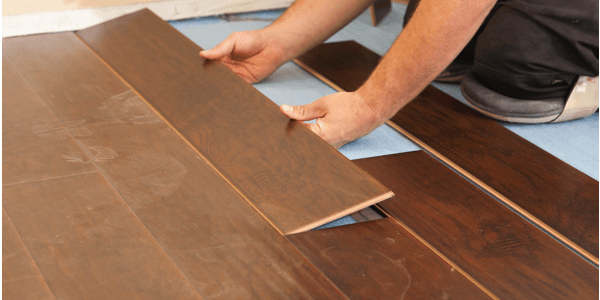
Hardwood floor installation[4] involves placing solid or engineered wood planks to create a durable and timeless surface. It is typically chosen for living rooms, bedrooms, and dining areas, with costs ranging between $2,642 and $7,258, with an average of $4,748. Major pricing factors include:
- the type of wood (e.g., oak, maple, walnut);
- plank width;
- square footage; and
- optional subfloor preparation.
Tile Floor Installation Costs
The cost to install a tile floor ranges from $919 to $5,793, averaging at $2,141.
This service includes setting ceramic, porcelain, or natural stone tiles with grout and adhesive, and it is common in bathroom remodelings, kitchens, and entryways due to the tile's water resistance and durability[5].
Just keep in mind that the tile size, material quality, pattern complexity, and labor intensity can influence pricing.
Floor Refinishing and Sanding Costs
Refinishing and sanding are specialized services performed primarily on hardwood floors[6] to remove surface scratches, stains, and wear, extending the lifespan of the material and improving the look of aging floors.
The cost varies between $1,139 and $2,692 with an average price of $1,887.
The quotes can vary for noble kinds of wood, though: the cost to refinish hardwood floors can reach $2,673, with an average of $1,887.
Other key factors affecting the budget include floor size, number of sanding passes required, and finish type chosen (e.g., matte, gloss).
Flooring Cost Per Hour: What Is the Average National Price?
You can expect to pay a variable hourly rate depending on the type of flooring, the complexity of installation, and the expertise required. Flooring professionals typically charge by the hour for tasks such as installation, repair, removal, and refinishing, with rates reflecting the scope of work and local market conditions[7].

Hardwood installation may command a higher hourly rate compared to vinyl planking due to the skill level and tools required. Additionally, repairs such as fixing damaged planks or tiles can range from simple fixes charged at lower rates to complex repairs requiring specialty tools that cost more per hour.
Removal services are also often charged hourly, especially if the existing floor requires significant dismantling or if the material is difficult to remove. On the high end, you can expect to pay more for refinishing of hardwood floors, as this service typically involves sanding and multiple coats of finish, which can extend the project timeline and impact hourly charges.
8 Other Factors That Affect Flooring Prices
Several factors influence the overall cost of flooring, and many of these interact directly with the hourly rates professionals set. Here they are:
- Type of Flooring Material: Hardwood floors typically cost more to install or repair than vinyl or laminate because they require precision cutting and finishing.
- Room Size and Shape: Larger rooms require more labor hours, increasing costs. Unusual shapes or the presence of obstacles (like built-in furniture) can also complicate installations, lengthening the time needed.
- Condition of Existing Flooring: Removing or repairing old flooring adds complexity and costs to your project. If the subfloor needs repair or leveling, this will increase labor time and materials.
- Level of Flooring Preparation Needed: Some floors must be sealed, cleaned, or leveled before installation, which affects hourly labor rates and time required.
- Installation Complexity: Detailed patterns (such as herringbone or diagonal layouts) or custom borders add installation time and cost compared to straightforward, linear placements.
- Geographic Location: Local labor costs and market demand influence hourly rates, with urban areas often charging more than rural locations.
- Experience and Reputation of the Contractor: Highly skilled professionals or those with strong reputations may charge higher hourly rates, reflecting the quality of work and demand.
- Access and Site Conditions: Difficult access, such as multi-story buildings without elevator access, tight spaces, or cluttered work areas, can slow down work and increase hourly labor costs.
The next topic will cover common examples of projects based on type and size.
Flooring Cost By Type and Size: Price Per Square Foot
Different flooring materials come with varying price points, and the overall square footage or room configuration can significantly influence your final expense. This section breaks down common flooring types and typical size categories to help you estimate how much your flooring project might cost.
If you are interested in carpeting a room, make sure to check this other guide on the costs to install carpet flooring!
Laminate Flooring Costs
Laminate offers a budget-friendly alternative to hardwood, mimicking wood or stone finishes at a lower cost[8]. It is generally easier and quicker to install, so labor expenses tend to be on the low side, but prices vary depending on quality and thickness, and larger rooms will require more material.
- Typical Cost to Install Laminate Flooring : $3 to $11 per square foot.
- Average Cost: $7 per square foot.
Vinyl Flooring Costs
Vinyl is a highly versatile and moisture-resistant material, making it suitable for kitchens and bathrooms. Prices fluctuate by style (sheet vinyl, tiles, or luxury vinyl planks), and larger surface areas add to the total cost[9].
If you are looking for budget-effective options, vinyl remains one of the more affordable flooring choices.
- Typical Cost Range: $3 to $12 per square foot.
- Average Cost: $7 per square foot.
Tile Flooring Costs
Tile is favored for its durability and design variety, ranging from ceramic to porcelain and natural stone. The price range to install tile floors is based on complexity, including grout work and layout patterns, affecting labor costs and varying with the room size and shape.
- Typical Cost Range: $10 to $31 per square foot.
- Average Cost: $18 per square foot.
Additional Cost Factors on Flooring Projects
Subfloor preparation, removal or disposal of pre-existing floor, complexity of installation, additional accessories and materials, and labor pricing formats are factors that you should take into consideration when budgeting for flooring projects.
Subfloor Preparation and Repair
Before new flooring installation, the subfloor condition needs to be inspected, as it plays a crucial role in the project and may require leveling and smoothing at times. Contractors might also need to replace damaged sections and add moisture barriers[10] or vapor retarders to waterproof basements and similar environments.
| Type of Labor | Cost |
|---|---|
Leveling and Smoothing | $388 - $2,386 |
Section Replacement | $1,584 - $4,907 |
Moisture Barrier Installation | $1,175 - $3,869 |
Removal and Disposal of Existing Flooring
Removing old flooring is often required before new installations and can vary in complexity based on the current material, as removing tile work or glued-down flooring typically demands more labor and disposal effort than carpet or laminate.
Also, some contractors may charge additional fees for debris hauling and disposal.
| Material Type | Cost |
|---|---|
Carpet | $1 - $3/square foot |
Hardwood | $2 - $6/square foot |
Tile | $2 - $8/square foot |
Complexity of Installation
Irregular room shapes, numerous corners, or multiple transitions increase installation time. Also, patterns and custom designs, such as herringbone, chevron, or inlaid patterns, require advanced skills and meticulous work, which needs to be taken into account once you quote for this kind of project.
Installing flooring on stairs or around door thresholds involves specialized techniques, too, influencing the final price.
| Installation | Cost |
|---|---|
Standard Layout | $1,785 - $5,943 |
Complex Patterns | $1,420 - $3,434 |
Staircase Installation | $1,320 - $6,029 |
Additional Materials and Accessories
Certain materials and supplies used during flooring installation can add to the cost, like underlayments to provide cushioning or soundproofing[11], often required under laminate or engineered wood; transition strips and moldings, necessary where flooring meets other surfaces or different heights; and adhesives and fasteners.
| Accessory | Cost |
|---|---|
Underlayment Installation | $0.74 - $5/square foot |
Transition Strips | $1 - $6/linear foot |
Adhesives/Fasteners | $53 - $218/square foot |
Labor Pricing Structures
Labor costs may be charged differently depending on the contractor and project specifics: Some jobs are priced by time, others by scope, and smaller projects might include a minimum labor charge.
Additionally, you already know that labor rates vary regionally based on market conditions.
| Pricing Model | Cost |
|---|---|
Hourly Rate | $22 - $40 |
Flat Project Rate | $1,742 - $7,206 |
Minimum Service Fee | $73 - $217 |
Time of Year and Scheduling
Demand fluctuations can strongly affect pricing, as peak seasons (usually spring and summer) have higher demands and may increase labor and material costs. Also, expedited work or weekend installations often incur premiums.
| Item | Cost |
|---|---|
Peak Season Surcharge | $117 - $379 |
Weekend or Holiday Installation | $87 - $318 |
Now, you can consider yourself a pro on the variables beyond basic flooring prices, enabling more accurate budgeting and effective communication with contractors.
DIY vs. Professional Flooring Costs Breakdown
You should definitely not try to DIY flooring projects. This service requires time, skill, and the right tools, factors that can quickly add up and lead to costly mistakes. Hiring a professional flooring contractor ensures expert craftsmanship, saves you time, and often avoids hidden expenses that arise from do-overs or damage.
In the long run, professional installation proves more reliable and cost-efficient.

Risks of DIY Flooring Projects
- Improper installation can lead to uneven surfaces, gaps, or fast wear, costing more to fix later.
- Lack of specialized tools and experience may increase damage to materials or the subfloor.
- Time-consuming process that might affect your daily routine and cause project delays.
- DIY mistakes can potentially lower the home's value or cause safety hazards, such as loose boards.
Advantages of Hiring a Professional
- Skilled installers bring expertise and precision, ensuring a durable, flawless finish.
- Professionals work efficiently, often completing the job faster than a DIY approach.
- Access to quality materials and warranties that protect your investment.
- Peace of mind knowing the flooring will meet building codes and safety standards[12].
Do not worry: You can save up on other fronts.
How to Save on Flooring Costs: Effective Tips
Flooring can be a significant investment, but there are smart ways to reduce expenses without compromising quality. With some strategic planning and informed decisions, you can enjoy beautiful, well-installed floors at a better price. Below are practical tips to save on your flooring project.
- Compare multiple professional quotes to find competitive pricing. Do not settle for the first estimate!
- Choose cost-effective materials that still match your style, such as vinyl or laminate versus solid hardwood.
- Schedule your project during off-peak seasons when contractors may offer discounts or more flexible rates.
- Prepare the area yourself by removing old flooring or clearing furniture, which can save labor charges.
- Opt for partial replacement or refinishing instead of a full flooring overhaul when possible.
- Check for manufacturer rebates or discounts on flooring products.
- Ask about financing options [13] or payment plans offered by reputable flooring professionals.
Ready to get the best value on your flooring project? Contact a qualified homeyou flooring pro to access verified contractors, competitive pricing, and expert guidance tailored to your home's needs. Let the pros handle the hard work so you can enjoy beautiful, lasting floors without the hassle or risk.
Timing depends on the material, room size, and how much prep is needed. Straightforward floating floors often move faster than nail-down hardwood or tile, which require acclimation, layout work, and curing time. Add time for old-floor removal, subfloor leveling, stairs, and multiple transitions.
Many installers can move basic furniture, but heavier items and appliances may be excluded or billed separately. Plan to clear fragile items, electronics, and closets, and ask what must be emptied. Clearing the space yourself can reduce labor time and helps the crew start immediately on prep.
A good estimate includes measuring rooms, noting obstacles and transitions, checking door clearances, and assessing subfloor condition. The contractor should explain the installation method, underlayment or moisture barrier needs, trim work, and disposal plan. Ask for a written scope detailing what is included and excluded.
Signs include squeaks, bounce, dips, cracked grout, or visible ridges telegraphing through existing flooring. Installers usually verify flatness with long levels and check for moisture and rot. If the subfloor is not sound or flat, new flooring can fail early, so fixing issues first protects your investment.
Yes. Thicker flooring or underlayment can raise the finished height, affecting door swing, thresholds, and appliances. Doors may need trimming, and baseboards may need removal and reinstallation or shoe molding to cover gaps. Ask your installer to identify height changes and include trim work in the plan.
Ask who will be on site, whether they are insured, and what warranty covers labor versus materials. Confirm the exact product, installation method, prep work, and moisture testing. Request a timeline, payment schedule, and cleanup plan. Also ask how they handle change orders if hidden damage is found.
Frequent surprises include subfloor repairs, leveling compound, moisture mitigation, asbestos testing in older homes, and extra labor for glued-down flooring removal. Transitions, stair work, and custom patterns can also add time. Avoid surprises by having the contractor inspect under existing flooring when possible.
Ask about dust containment, plastic barriers, and whether sanding will require extra ventilation. Keep HVAC returns covered if recommended, and plan for noise during cutting and demolition. If adhesives or finishes are used, confirm cure times and ventilation needs, and arrange pet and child safety zones.
References
[1] National Wood Flooring Association, NWFA. "Hardwood Flooring in Your Home | National Wood Flooring Association | NWFA." National Wood Flooring Association | NWFA, 13 Oct. 2023, woodfloors.org/hardwood-flooring-in-your-home.
[2] National Wood Flooring Association, NWFA. "Why Wood Floors | National Wood Flooring Association | NWFA." National Wood Flooring Association | NWFA, 12 June 2026, woodfloors.org/why-wood-floors.
[3] "Hardwood Floors Gain Bolder Design, Technical Advancements | INSTALL Floorcovering Professionals." INSTALL Floors, 1 May 2024, installfloors.org/news-events/hardwood-floors-gain-bolder-design-technical-advancements-this-year.
[4] "Updated Guidelines for Installing Wood Flooring." NAHB, 20 Feb. 2020, www.nahb.org/blog/2020/02/Updated-Guidelines-for-Installing-Wood-Flooring.
[5] Installing Tile Floors With Peel & Stick Membranes. www.nahb.org/nahb-community/councils/20-clubs/pages/resources/20-clubs-sponsors/schluter-peel-stick-membranes.
[6] Heidari, M. Davoud, et al. Life-cycle Assessment of Solid Hardwood Flooring in the Eastern United States. 13 Oct. 2023, https://doi.org/10.2737/fpl-rp-717.
[7] "Flooring Installers and Tile and Stone Setters." Bureau of Labor Statistics, 18 Apr. 2026, www.bls.gov/ooh/construction-and-extraction/tile-and-marble-setters.htm.
[8] Jiménez, Paul, et al. "Wood or Laminate?-Psychological Research of Customer Expectations." Forests, vol. 7, no. 11, Nov. 2016, p. 275. https://doi.org/10.3390/f7110275.
[9] RFCI. "Vinyl Resilient Flooring Types - RFCI." RFCI, 18 Feb. 2022, rfci.com/resources/vinyl-resilient-flooring-types.
[10] Resilient Floor Covering Institute. "Moisture Mitigation: Installation Considerations for Resilient Floor Covering." Resilient Floor Covering Institute, RFCI, 29 Sept. 2022, rfci.com/wp-content/uploads/2022/02/Moisture-and-Resilient-Floor-Covering\_09\_29\_2022\_Final.pdf.
[11] Golden, Matthew, and Musafere Faiz. "Long-term Acoustical Performance of Underlayments Under Load." The Journal of the Acoustical Society of America, vol. 148, no. 4_Supplement, Oct. 2020, p. 2551. https://doi.org/10.1121/1.5147081.
[12] International Code Council (ICC). CHAPTER 5 FLOORS - 2021 INTERNATIONAL RESIDENTIAL CODE (IRC). codes.iccsafe.org/content/IRC2021P1/chapter-5-floors.
[13] Government Home Repair Assistance Programs | USAGov. www.usa.gov/home-repair-programs.