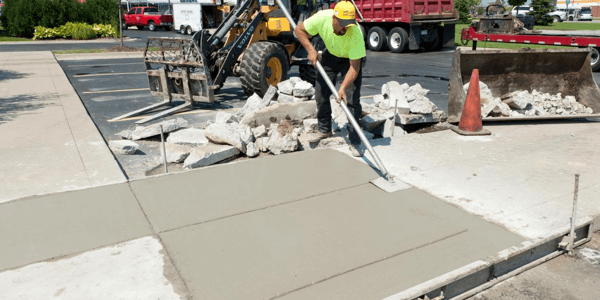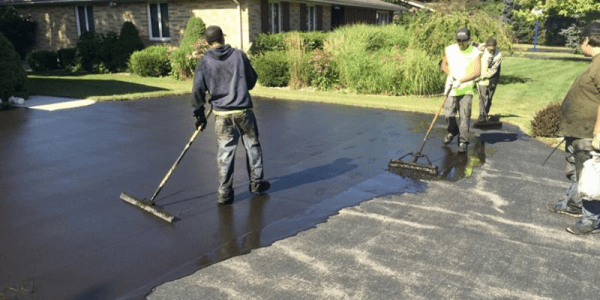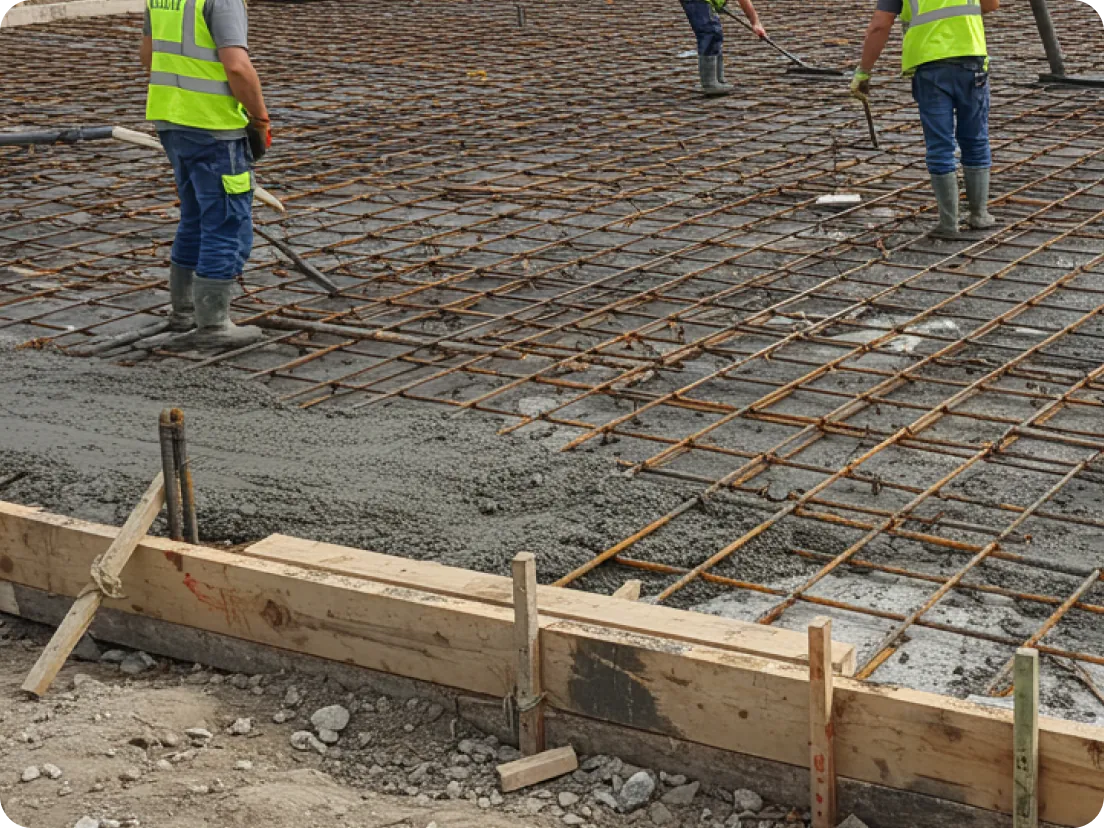


Project costs involving concrete in 2026 typically range from $123 to $16,871, with an average spend of around $4,187. This broad price range reflects factors such as the size of the project, type of concrete mix, and any additional finishing or preparation work required. Per yard, you can estimate a budget of $123 to $193 per cubic yard of concrete.
When properly installed and maintained, a concrete surface can last 30 to 50 years[1] (or even longer!). That is why doing it right from the start is crucial. A poorly executed pour may lead to early cracking, shifting, or drainage problems that dramatically shorten its lifespan.
This cost guide will walk you through the typical expenses associated with concrete services, helping you understand what influences pricing and how to budget effectively. Keep reading!
Concrete Services: Types, Costs, and Details
Concrete work covers a variety of services that range from simple repairs to large-scale installations. Costs for these projects can vary widely depending on the size and complexity of the job, the materials used, and how urgently the work needs to be completed.
Check it out!
| Type of Service | Cost | Features |
|---|---|---|
Concrete Driveway Installation | $4,382 - $12,944 | New driveway, standard 2-car size, includes base prep |
Concrete Patio Installation | $1,234 - $9,837 | Outdoor living space, various shapes and finishes |
Concrete Sidewalk Installation | $614 - $3,478 | Narrow paths, typically 4-5 feet wide |
Concrete Repair[2] | $320 - $3,494 | Crack filling, resurfacing, and patching |
Decorative Concrete[3] | $614 - $3,806 | Stamped, stained, or colored finishes for aesthetic appeal |
Concrete Foundation Work | $5,123 - $38,517 | Basement or concrete slab foundations (this project involves excavation) |
Concrete Stamping | $8,935 - $24,687 | Textured patterns imprinted on fresh concrete |
Concrete Driveway Costs
Installing a concrete driveway usually involves excavating the site, installing a base layer, pouring the material, and finishing the surface. For a standard two-car driveway, expect costs to range between $4,382 and $12,944, with the average cost typically falling around $7,703.
Factors influencing price include the driveway's size, thickness (4 to 6 inches is typical), and any additional reinforcement such as wire mesh or rebar. Finishes like brooming or stamping can also add to the overall cost.
Concrete Patio Costs
Concrete patios create durable, low-maintenance outdoor spaces. Typical patio projects range from $1,234 to $9,837, with an average of around $3,550 depending on size and design complexity.
Costs can rise if you opt for:
- custom shapes;
- steps;
- integrated seating; and
- decorative finishes.
Site accessibility and ground preparation, including leveling or drainage, also impact pricing.
Concrete Repair Costs
Repairs encompass a wide range of fixes, including patching cracks, filling holes, and resurfacing worn concrete. Small crack repairs start around $320, while extensive patch jobs or resurfacing can top $3,494.
The cost depends on the severity of damage, the repair method chosen, and whether the surface requires sealing afterward. Quick fixes are generally affordable, but larger issues hint at underlying structural problems.
Concrete Slab Costs
Foundation work is one of the most critical and costly concrete services. Installing a new basement or slab foundation involves excavation, forming, pouring, and curing concrete, commonly costing between $5,123 and $38,517 or more.
Prices vary based on foundation size, depth, soil conditions, and any additional reinforcements such as footings or waterproofing measures. Because this work supports your entire structure, quality and durability are especially important.
Concrete Cost: How Much Professionals Charge Per Hour
You can expect to pay between $57 and $143 per hour for concrete services in 2026. This hourly rate covers labor costs[4] for pouring, finishing, and curing concrete, as well as the use of any standard tools and equipment.

Hourly concrete costs can vary based on the type of concrete work being done. For example, simple slab pours typically fall at the lower end of the price range, while customized decorative or stamped concrete finishes command higher hourly rates due to the additional expertise and time required.
Also, costs may increase if specialized equipment or labor is required, such as concrete pumping or finishing with advanced techniques. Keep in mind that some contractors may have a minimum hourly charge or offer discounts for longer projects.
9 Factors That Affect the Cost of Concrete in Projects
Several unique factors influence the overall cost of concrete services, making accurate estimates dependent on specific project requirements and site conditions.
- Type of Concrete Mix: Different mixes, such as standard, high-strength, or fiber-reinforced concrete, vary in price due to material differences. Specialty mixes used for decorative or industrial applications tend to cost more.
- Project Complexity: Intricate designs, stamping, coloring, or polishing can significantly increase labor time and skill needed, affecting hourly rates.
- Site Accessibility: Limited access for equipment or rugged terrain can increase setup time and labor expenses.
- Concrete Thickness and Volume: Thicker slabs or larger pours require more time and materials, impacting overall labor cost per hour.
- Preparation and Cleanup: Extensive site prep, including excavation, carpentry, or removing old material[5], adds to labor time.
- Reinforcement Materials: Adding rebar or wire mesh to strengthen slabs, especially for driveways and foundations, will increase the costs.
- Delivery Charges: Ready-mix concrete is usually delivered by truck, and most suppliers charge fees based on distance, load size, and waiting time. Small loads under 3 yards may also incur a "short load fee".
- Curing Time and Conditions: Specialized curing techniques or longer cure periods to meet structural requirements may require more supervision and effort.
- Geographic Location: Labor costs and availability of materials vary regionally, influencing local hourly rates for concrete services.
Another significant factor that will undoubtedly influence the cost of your project is the type and size of the job.
Concrete Pricing: an Estimate Based on Type and Size of the Project
Concrete projects vary widely from small slabs to large foundations, and each requires different amounts of materials, labor, and preparation. After all, the more volume needed or the more complex the shape, the higher the total cost.
Below, we break down common concrete project types by their size and configuration, highlighting typical budgets on this sort of concrete cost calculator for 2026.
Small Concrete Slabs (Driveways, Patios, Walkways)
Small slabs are often used for DIY-friendly projects like walkways, patio pads, or garden paths. These slabs typically cover areas up to 200 square feet and have depths ranging from 3 to 4 inches. Pricing primarily depends on the square footage and thickness, with larger areas requiring more material and labor.
- Cost Range: $6 to $12 per square foot
- Average Total Cost: $1,290 to $3,194 for a 100 to 200 sq. ft. slab
- Notes: Additional costs may apply for color stamping or decorative finishes.
Medium Concrete Slabs (Garage Floors, Larger Patios)
Medium slabs include garage floors or expanded patios ranging from 200 to 600 square feet. These projects usually require thicker slabs (4 to 6 inches) to support heavier loads and often involve reinforcement, which increases material and labor costs.
- Cost Range: $6 to $14 per square foot
- Average Total Cost: $3,885 to $9,157, depending on size and reinforcements
- Notes: Reinforced concrete costs more but provides greater durability.
Concrete Foundations and Basements
Foundations are among the largest and most complex jobs, involving thick slabs or walls designed to support an entire structure. Also, this kind of work includes demolition costs, forms, reinforcement, and precise pouring, contributing to higher prices.
- Cost Range: $24,751 to $127,059+, depending on home size and depth
- Average Concrete Cost Per Cubic Yard: $131 to $189, including labor and materials
- Notes: Foundation costs fluctuate with soil conditions and local building codes.
Concrete Driveways (Standard to Decorative)
Driveways vary widely in size and style. A standard 2-car concrete driveway typically measures 400 to 600 square feet and is poured 4 inches thick, but decorative options like stamped or colored concrete add significant cost.
- Cost Range: $7 to $18 per square foot
- Average Total Cost: $3,835 to $12,644 for a typical 400 to 600 sq. ft. driveway
- Notes: Decorative driveways can add 20-40% to base pricing.
Large Commercial or Industrial Concrete Pours
Large-scale concrete pours for industrial slabs, commercial parking lots, or warehouse floors require extensive materials, heavy equipment, and skilled labor teams to ensure proper curing and strength.
- Cost Range: $123 to $231 per square foot for large, flat slabs over 1,000 sq. ft.
- Total Costs: $87,391 to $259,717 based on project size and specifications
- Notes: Volume discounts may apply, but complex site conditions can increase costs.
Also, you can find different costs per square foot and yard.
Concrete Cost Per Yard (and How Much Is a Yard of Concrete?)
In 2026, the cost of concrete per yard ranges from $123 to $193, depending on your location, the mix type, and whether delivery is included. This price usually covers the basic ready-mix concrete used in most residential projects.
But what does "a yard of concrete" actually mean? One cubic yard is equal to 27 cubic feet (3 feet long × 3 feet wide × 3 feet deep), which is enough to cover:
- 81 square feet at 4 inches thick
- 54 square feet at 6 inches thick
This makes it a standard unit of measurement when calculating the cost of concrete slabs for driveways, patios, or foundations. Consulting a concrete cost estimator can help you determine exactly how many yards you will need for your project.
Concrete Cost Per Square Foot: 2026 Calculation
Now, if you are measuring your project per square foot, you should know that the concrete cost per square foot typically ranges from $6 to $14, depending on factors like slab thickness, site preparation, and finishes.
For basic flatwork (like a simple patio or walkway), expect costs around $4 to $10 per square foot, but projects requiring thicker slabs, reinforcement, or decorative finishes can push the price up to $29 or more per square foot.
For example:
- A 10x10 concrete slab (100 sq ft) may cost between $895 and $2,082.
- A 500 sq ft concrete driveway could range from $4,536 to $10,001, depending on material and labor.
These estimates help you plan for total expenses when calculating an approximately budget. To get precise numbers, it is always best to request quotes from local contractors.
Concrete Maintenance and Repair Costs to Go Easy on Your Budget
Maintaining and repairing concrete surfaces helps extend their lifespan and maintain the structural integrity and aesthetic appeal of your property. Typical maintenance and repair costs vary widely based on the type and extent of the work needed, from pressure cleaning to large crack repair.
| Type of Labor | Cost | Details |
|---|---|---|
Patch Small Holes/Cracks | $81 - $217 | Minor localized repairs |
Large Crack Or Slab Repair | $618 - $3,185 | May require partial slab replacement |
Concrete Leveling (Mudjacking Or Slabjacking) | $328 - $1,390 | Repairs uneven or sunken slabs |
Sealing | $675 - $2,018 | Application of concrete sealer protects against moisture, stains, and wear |
Cleaning And Power Washing | $132 - $497 | Removes dirt, mildew, and stains to preserve appearance |
Resurfacing | $1,485 - $6,998 | Application of a thin overlay to worn or damaged concrete restores surface uniformity and looks |
These maintenance and repair measures, while sometimes costly, can prevent more expensive slab replacement or structural work down the line. Regular upkeep is advisable, especially in climates with freeze-thaw cycles or heavy usage areas.
Concrete Installation: Timeline and Labor Costs
Depending on the project size and complexity, the total installation time from start to walkable surface is roughly 3-5 days, although final curing continues for weeks, and the labor costs range from $3 to $6 per square foot of concrete installed[6].
Here is an example of a timeline for this sort of project:
- Site Preparation: 1-2 days. Includes excavation, grading, and forming the area.
- Pouring and Finishing Concrete: 1 day. It is the actual placement and smoothing of concrete.
- Curing Time: 3-7 days (initial set), up to 28 days for full strength. Concrete should be kept moist and undisturbed during this period.
| Project | Cost | Description |
|---|---|---|
Basic Driveway Or Patio | $7 - $14/square foot | Includes forming, pouring, and finishing |
Decorative Stamped Concrete | $8 - $27/square foot | Additional patterning and coloring |
Complex Foundation Work | $13 - $47/square foot | May include reinforcements and detailed forms |
Labor typically accounts for 30% to 50% of total concrete installation costs. Request detailed bids, breaking out labor versus material costs for transparency.
Permits and Inspection Fees for Concrete Projects
Many concrete installation projects require permits and inspections to ensure compliance with local building codes, zoning laws, and safety standards.
Common Permit Requirements
- Driveway and sidewalk replacements
- Concrete
patios, decks, and walkways - Foundations and structural slabs
- Retaining walls and large stamped concrete features
Typical Permit Costs
- Residential Concrete Permit: Fee ranges from $138 to $875 (Flat fee or based on project value)
- Building Permit (for Foundations): Fee ranges from $388 to $2,589+, as it may vary by municipality
As for the inspection fees, they are often included in the permit fee, but sometimes can be billed separately, as they occur pre-pour, post-pour, and during curing[7] for foundation projects. Fees range from $325 to $978 per inspection visit.
Final Tips for Homeowners:
- Confirm permit requirements with your local building department before hiring contractors.
- Verify that your contractor obtains all necessary permits and schedules inspections.
- Non-permitted work can result in fines, costly rework, and complications when selling your home.
Budgeting for permits and home inspections upfront ensures a smooth project timeline and compliance with regulations.
DIY vs. Professional Costs: the Best Way to Work on Concrete Projects
DIY projects may seem budget-friendly upfront, but the reality is often more complicated. Concrete work requires specific tools, materials, and skills to ensure a durable, safe[8], and aesthetically pleasing result. Mistakes in mixing, pouring, or finishing can lead to cracking, uneven surfaces, or costly repairs down the road.

DIY concrete projects can be risky due to poor mixing ratios, improper preparation, and inadequate finishing, leading to weak, cracked, or uneven surfaces. Safety hazards also arise when handling heavy materials without proper equipment.
Hiring a professional ensures expert work, time savings, and long-term durability. They use the right tools and materials, often backed by warranties, giving you peace of mind and a high-quality result.
Overall, while DIY concrete work might appeal as a weekend project, hiring a professional is often safer, more efficient, and more cost-effective over time.
Best Tips to Save on Concrete Costs
Concrete projects can be a significant investment, but there are smart ways to reduce expenses without sacrificing quality (and they were listed below!).
- Plan and Measure Accurately: Avoid ordering too much or too little concrete. Precise planning cuts waste and multiple delivery fees.
- Choose the Right Mix: Standard concrete is more affordable than specialty mixes unless needed for strength or aesthetics.
- Limit Complexity: Simple shapes and finishes reduce labor time and cost. Avoid intricate patterns or excessive stamping unless necessary.
- Prepare the Site Yourself: Doing basic site prep, such as clearing vegetation and leveling, can reduce labor costs.
- Schedule During Off-Season: Prices may be lower in cooler months when demand is slower.
- Compare Multiple Quotes: Get at least three estimates to ensure competitive pricing and better negotiation power.
- Bundle Services: If you need additional landscaping or masonry work, hiring one contractor for multiple tasks can lower overall costs.
Ready to get quality concrete work done without breaking the bank? Contact a trusted professional through homeyou for personalized quotes and expert advice. Our vetted contractors offer transparent pricing, top-notch workmanship, and reliable service, ensuring your project is smooth and cost-efficient.
Get your free estimate today and start saving upfront!
Concrete firms up quickly, but it continues gaining strength for weeks. Many surfaces are safe for foot traffic after a couple of days, while vehicles usually need a longer wait. Ask your contractor for a curing plan based on thickness, weather, and expected loads.
Hairline surface cracks are common as concrete cures, but wider cracks, uneven edges, or sections that lift or sink can signal base, drainage, or soil issues. If doors or garage slabs shift, or water pools near the crack, request a professional evaluation before patching.
Control joints encourage concrete to crack in planned lines instead of randomly. They are typically cut or formed soon after the pour and laid out in a grid that matches slab dimensions and shapes. Proper joint spacing and depth depend on slab thickness and layout complexity.
Clear access for trucks and equipment, mark sprinklers or hidden utilities, and move vehicles away from the work zone. If pets or children use the yard, plan barriers. Confirm where washout will occur and how landscaping, fences, or gates will be protected during delivery and finishing.
Finish choices matter for traction. A broom finish, exposed aggregate, or slip-resistant sealer additives can improve grip compared with smooth troweled surfaces. Discuss drainage and slope as well, since standing water increases slip risk. Request a sample panel to confirm texture.
Sealing helps resist stains, moisture intrusion, and freeze-thaw damage, especially on driveways, patios, and decorative finishes. The right schedule depends on traffic, sun exposure, and the sealer type. Ask for the specific product used and maintenance instructions to avoid peeling or discoloration.
Ask about licensing and insurance, who handles permits, and what base preparation and reinforcement are included. Request the concrete mix design, thickness, joint plan, and curing method in writing. Also confirm the timeline, warranty terms, and how they handle weather delays and cleanup.
Common surprises include removing old slabs, extra excavation for unstable soil, drainage corrections, and access challenges that require pumping or additional labor. Decorative upgrades can also expand beyond the original scope. A detailed site visit and itemized bid help uncover these issues early.
References
[1] Portland Cement Association. "CONCRETE PAVEMENTS: INTEGRATED PAVING SOLUTIONS." Think Harder. Concrete, 2010, p. https://www.cement.org/wp-content/uploads/2024/07/concrete-pavements-pcc-%5Fpca-logo.pdf.
[2] Appendix - Partial-Depth Repairs - Concrete - Pavement and Materials - Pavements - Federal Highway Administration. www.fhwa.dot.gov/pavement/concrete/repair09.cfm.
[3] "Applications of Cement - American Cement Association." American Cement Association, 2 June 2026, www.cement.org/cement-concrete/applications-of-cement.
[4] U.S. Bureau of Labor Statistics. Occupational Employment and Wages, May 2024: Cement Masons and Concrete Finishers. BLS, https://www.bls.gov/oes/current/oes472051.htm.
[5] U.S. Army Corps of Engineers. Engineering and Design: EVALUATION AND REPAIR OF CONCRETE STRUCTURES. Washington, DC, United States of America, DEPARTMENT OF THE ARMY, 30 June 1995, www.publications.usace.army.mil/Portals/76/Publications/EngineerManuals/EM\_1110-2-2002.pdf. Accessed 6 June 2026.
[6] U.S. Department Of Labor. www.osha.gov/laws-regs/regulations/standardnumber/1926/1926SubpartQ.
[7] "8. Curing and Autogeneous Shrinkage of Concrete | NIST." NIST, 16 Nov. 2019, www.nist.gov/el/materials-and-structural-systems-division-73100/inorganic-materials-group-73103/8-curing-and.
[8] "Infrastructure: Concrete Pavement (PCCP) Preservation." FHWA, highways.dot.gov/fed-aid-essentials/videos/other-programs/infrastructure-concrete-pavement-pccp-preservation.