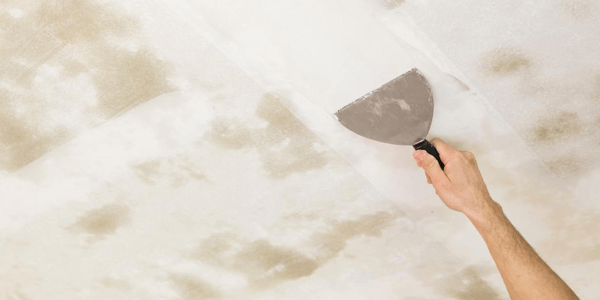
Painting your home is a significant investment that varies widely depending on factors such as the size of the area, the type of paint used, and the complexity of the job. In 2026, the cost for this kind of project typically ranges from $1,107 at the low end to $2,013 for premium services, with the average homeowner spending around $1,460.
While you might initially wonder how much does it cost to paint a house, it is equally important to consider the long-term value of hiring a professional. Skilled painters ensure proper surface prep, select the right products, and deliver superior workmanship, often saving you time, frustration, and unexpected costs down the road.
Enjoy this reading to learn what drives painting costs in 2026, how to compare quotes with confidence, and what to look for when choosing a trusted professional. You will see that, with the right information, it becomes much easier to plan your budget, avoid unnecessary expenses, and ensure a result that adds true value to your home.
Types of Painting and Costs of Services
Painting services cover a wide range of applications, from interior walls and exterior siding[1] to specialized finishes and detailed cabinetry work. Pricing varies widely based on the scope of the project, urgency, surface complexity, choice of paint and materials, and geographic location.
| Type of Service | Cost | Features |
|---|---|---|
Interior House Painting | $1,283 - $7,945 | Painting interior walls and ceilings, often involving prep work such as patching and priming. |
Exterior House Painting | $1,859 - $8,326 | Application of weather-resistant paint to an entire home's exterior surfaces, including trim and siding projects. |
Cabinet Refinishing | $923 - $5,216 | Sanding, priming, and repainting or staining kitchen or bathroom cabinets. |
Decorative or Faux Painting | $676 - $4,245 | Artistic finishes[2] like sponging, marbling, or color washing to add texture or pattern. |
Commercial Painting | $2,548 - $15,340 | Large-scale painting projects for commercial properties typically require specialized equipment. |
Deck and Fence Staining | $319 - $1,980 | Applying protective stains or paints to outdoor wooden decks and fences to enhance appearance and durability. |
Read more


Interior Painting Costs
Interior wall painting[3] involves applying new paint to walls and ceilings inside a home. This service is commonly requested during house remodelings or to refresh a room's appearance, with costs typically ranging from $1,283 to $7,945, and an average cost around $3,645.
Key factors influencing cost include:
- room size;
- number of walls;
- paint type; and
- the extent of surface preparation needed.
Exterior House Painting Costs
The cost to paint the exterior of a house ranges from $1,859 to $8,326, with an average near $4,297.
This kind of project requires specialized paints designed to withstand weather conditions and protect building materials, hence the prices are a little higher than the ones you experience when painting the interior of a house.
Also, the costs are driven by house size, surface condition (e.g., peeling paint, mildew), complexity of architectural features, and accessibility.
Commercial Painting Costs
Commercial painting covers office buildings, retail stores, and industrial facilities. These jobs often require different paint formulations and larger crews or equipment like lifts and scaffolding, reasons why the cost range goes from $2,548 to $15,340, with an average around $6,893.
Budget depends on building size, surface materials, paint specifications for durability, and any regulatory compliance needed.
Painting Cost Per Hour: What You Should Expect to Pay
Painting contractors typically charge based on the complexity and size of the job, but hourly rates give a useful benchmark to compare costs and estimate labor expenses. Just keep in mind that painting hourly labor costs across the U.S. can vary widely due to factors like location, experience, and type of painting service requested[4].
On average, homeowners should expect rates that reflect these variations within a reasonable range.

In general, hourly rates often include labor only, excluding materials like paint and supplies. Some painters may charge a project flat fee rather than hourly, but having an hourly estimate helps you compare and understand pricing structures better.
8 Factors That Affect Painting Cost
The final cost of painting services hinges on various factors unique to each project. Understanding these factors can help homeowners anticipate where their dollars go and make more informed hiring choices.
- Surface Preparation Needs: Prep work, such as sanding, scraping, caulking, and priming, significantly adds to labor. Surfaces with stains, damage[5], or previous coatings may require extensive prep before painting can start.
- Type of Paint and Materials Used: High-quality or specialty paints (e.g., low-VOC, waterproof, textured) influence material costs and sometimes labor due to their application methods.
- Complexity of the Job: Intricate features like crown molding, window frames, doors, built-in cabinetry, or multi-color layouts require more skill and time, raising hourly labor totals.
- Location and Accessibility: Jobs in hard-to-reach areas, such as high ceilings or exterior second-story walls, may need scaffolding or ladders, which can increase labor time and cost[6].
- Painter Experience and Reputation: Highly experienced or specialized painters often command higher hourly rates, reflecting their skill level, speed, and quality assurance.
- Timing and Season: Demand fluctuations, such as peak seasons in spring and summer, might affect availability and pricing, especially for exterior painting projects.
- Bundled Hourly Rates: Some contractors provide bundled hourly rates that include travel time, setup, and cleanup.
- Pricing Method: Most painters charge by the hour for smaller jobs or repairs rather than entire projects.
Also, the size of your project will certainly influence the final price you will pay.
Painting Costs Per Square Foot and Surface Type
Larger surfaces require more materials and labor, while the complexity of the area, such as high walls, ceilings, or intricate trims, can also drive up expenses.
Take a look at these common examples of costs to paint a house!
Small Room Painting
A small room typically refers to a bedroom, bathroom, or office space averaging around 100 to 150 square feet of wall surface. These projects often involve painting a limited number of walls with minimal trim work, making them one of the most affordable painting options.
- Process: Painting walls and ceilings of a compact room, usually accompanied by minimal preparation like patching small holes or light sanding.
- Cost Range: $320 to $993.
- Average Cost: $577.
Large Room or Living Area Painting
Larger rooms, such as living rooms, family rooms, or open-concept spaces, require more paint and time to complete. The height of walls and any architectural details like crown molding or built-ins can also affect pricing.
- Process: Painting multiple walls and often ceilings in a spacious area, potentially with some detail work around fixtures, windows, or doors.
- Cost Range: $531 to $1,825.
- Average Cost: $1,202.
Accent Wall or Feature Painting
Creating an accent wall involves painting a single wall in a different color[7] or finish to add visual interest. It is a smaller-scale project but may include specialized paints or techniques like textured finishes.
- Process: Painting one wall within a room with a distinct color or texture, requiring careful edging and maybe additional coats.
- Cost Range: $347 to $2,936.
- Average Cost: $1,490.
Here's a breakdown of prices you can expect to pay.
| Type of Labor | Cost | Details |
|---|---|---|
Interior Painting | $1,255 - $7,865 | Includes walls, ceilings, and trim |
Exterior Painting | $1,831 - $8,247 | Includes siding, doors, and shutters |
Surface Preparation | $214 - $1,100 | Cleaning, patching, and sanding |
Specialty Finishes | $675 - $4,215 | Decorative or textured painting |
And do not forget about the materials and other "hidden" costs!
Painting Costs Breakdown: Labor, Material, and More
Painting costs typically include labor, materials, surface preparation, and any additional services required to achieve a quality finish[8].
Labor Costs
Labor typically accounts for a significant portion of total painting expenses. Rates depend on the scope of work, complexity, and regional market conditions.
However, interior painting labor rates across the U.S. can go from $28 to $79 per hour, while exterior painting labor ranges from $29 to $93 per hour.
Detailed or specialty work (e.g., trim, moldings, ceilings) might imply in higher hourly rates.
Material Costs
Materials encompass paint, primers, sealants, and supplies like brushes, rollers, tape, and drop cloths.
- Paint cost per gallon can vary widely, going from $18 to $93.
- On primers and sealants, you can expect to pay from $15 to $57.
Also, the average quantity of paint required depends on surface area and paint type, with coverage typically expressed in square feet per gallon.
Surface Preparation
Proper surface preparation[9] ensures paint adhesion and durability, significantly affecting overall costs.
- Cleaning and washing surfaces service may be included in labor or charged separately.
- Scraping, sanding, and patching damaged areas costs go from $214 to per square feet.
- Repairs such as filling cracks, holes, or replacing trim have variable prices, depending on the extent and complexity of the problem.
And, as much as it seems too many details to pay for, you would probably face more costs and physical wear and tear.
DIY vs. Professional Painting: Cost Breakdown
DIY approaches often seem like a way to save money in any project; however, painting a house by yourself can often lead to hidden costs and time-consuming setbacks that would probably not happen under the supervision of professionals. They bring expertise, efficiency, and quality that ensures the job is done right the first time.

Risks of DIY Painting
- Inadequate surface preparation, leading to peeling or uneven finish
- Improper application causing streaks, drips, or insufficient coverage
- Extended time commitment, often days or weeks, for amateurs
- Potential safety hazards from using ladders, scaffolding, or harsh chemicals without training[10]
- Repeated efforts, if mistakes require repainting or repairs
Advantages of Hiring a Qualified Professional
- Expert surface preparation that ensures smooth, durable results
- Access to premium tools and quality paints for a superior finish
- Faster job completion with a trained crew
- Warranty or guarantees on workmanship and materials
- Peace of mind knowing the work meets local codes and standards
- Reduced risk of accidents and material waste
If you agree that the "savings" are not worthy the hassle, you will be happy to know that there are other ways to save on this sort of project!
How to Save on Painting Costs and Get the Job Done
Saving money on your painting project should not imply that you have to compromise on quality. With the right planning and strategies, you can lower expenses while still enjoying beautiful, professional results.
Try these tips:
- Choose the right time to paint: Off-season periods might come with contractor discounts.
- Prep your walls yourself: Cleaning, sanding, and removing fixtures can cut down labor hours.
- Select cost-effective paint options: Discuss with your painter to find quality brands that fit your budget.
- Limit your project scope: Focus on high-impact areas rather than every room at once.
- Get multiple quotes: Compare bids from several licensed painters to find competitive pricing.
- Bundle services: Combining painting with other home improvements can sometimes get you a package discount.
For hassle-free, affordable painting services, consider reaching out to professionals at homeyou, a network of contractors and painters who offer competitive pricing and expert advice to ensure your project looks fantastic without breaking the bank.
Get a free estimate today and start your painting project now!
Most painting projects include surface protection, basic prep work, priming where needed, paint application, and cleanup. Many contractors also include minor patching, caulking, and sanding, but extensive repairs may cost extra. Your quote should specify rooms or surfaces, number of coats, and who supplies paint.
Timelines depend on square footage, prep needs, and how many painters are on the crew. Interior jobs may take a few days per group of rooms, while exterior work can take longer due to scraping, priming, and weather delays. Detailed trim or cabinets also extend the schedule.
Common surprises include extra surface preparation for peeling paint, stains, mildew, or damaged drywall and trim. Hard-to-reach areas may require ladders, lifts, or scaffolding. Color changes sometimes need additional coats or primer. Moving furniture, protecting floors, and repairing prior paint failures can also add labor.
Hourly pricing can work well for small jobs, touch-ups, or when the scope is uncertain. Flat pricing is often better for full rooms or whole-house projects because it sets expectations for total labor. Ask what is included either way, since hourly rates often exclude paint and supplies.
Interiors often benefit from durable, washable finishes suited to each space, such as more moisture-resistant products for bathrooms. Exteriors need coatings designed to withstand sun, rain, and temperature swings. Specialty options like low-VOC, waterproof, or textured paints can improve performance but may require specific prep and application.
Clear furniture from the room or move it to the center and cover it. Remove wall hangings, curtains, and switch plates if possible. Let the painter know about any surface issue, stains, cracks, water damage, so they can factor prep time into the estimate. Good preparation reduces billable time and avoids surprises on the day of the job.
Ask what prep is included, the exact paint products and sheen, number of coats, and whether materials are included. Confirm who moves and protects furniture, how repairs are handled, and the cleanup process. Also request a written timeline, proof of insurance and licensing, and warranty terms for workmanship.
A fresh coat is one of the highest-return cosmetic improvements before a sale, particularly in neutral tones that appeal to a broad range of buyers. Interior painting typically recoups a significant portion of its cost at resale, especially when it addresses visibly worn or dated walls. Exterior painting also improves curb appeal, which influences buyer perception before they even enter the home.
References
[1] "General Guidelines for Painting Exterior and Interior Surfaces." U.S. General Services Administration, 11 Dec. 2017, www.gsa.gov/real-estate/historic-preservation/historic-preservation-policy-tools/preservation-tools-resources/technical-procedures/general-guidelines-for-painting-exterior-and-interior-surfaces.
[2] "Definition and Application of Decorative Finishes." PCA, Painting Contractors Association, www.pcapainted.org/wp-content/uploads/2023/10/PCA-Industry-Standards\_20230918-P19.pdf.
[3] United States Environmental Protection Agency. "Healthy Indoor Painting Practices." EPA, United States Environmental Protection Agency, May 2000, www.cpsc.gov/s3fs-public/painting.pdf.
[4] "Painters, Construction and Maintenance." Bureau of Labor Statistics, 18 Apr. 2026, www.bls.gov/ooh/construction-and-extraction/painters-construction-and-maintenance.htm.
[5] "Touch Up Painting and Damage Repair, and Definition of a Properly Painted Surface." PCA, Painting Contractors Association, www.pcapainted.org/wp-content/uploads/2023/10/PCA-Industry-Standards\_20230918-P1.pdf.
[6] "Measurement of Surface Area for Estimating Painting and Decorating Work." PCA, Painting Contractors Association, www.pcapainted.org/wp-content/uploads/2023/10/PCA-Industry-Standards\_20230918-P10.pdf.
[7] "Color Selection Made Easy." PCA, 21 Aug. 2024, www.pcapainted.org/blog/color-selection-made-easy.
[8] "Tips for the Trade: How to Create a Flawless Finish With Farrow & Ball." PCA, 12 Feb. 2026, www.pcapainted.org/blog/tips-for-the-trade-how-to-create-a-flawless-finish-with-farrow-ball.
[9] "Levels of Surface Preparation for
Repainting and Maintenance Projects Receiving Architectural Coatings." PCA, Painting Contractors Association, www.pcapainted.org/wp-content/uploads/2023/10/PCA-Industry-Standards\_20230918-P14.pdf.
[10] "Renovation, Repair and Painting (RRP) Program: Consumers | US EPA." US EPA, 17 Dec. 2024, www.epa.gov/lead/renovation-repair-and-painting-rrp-program-consumers.