
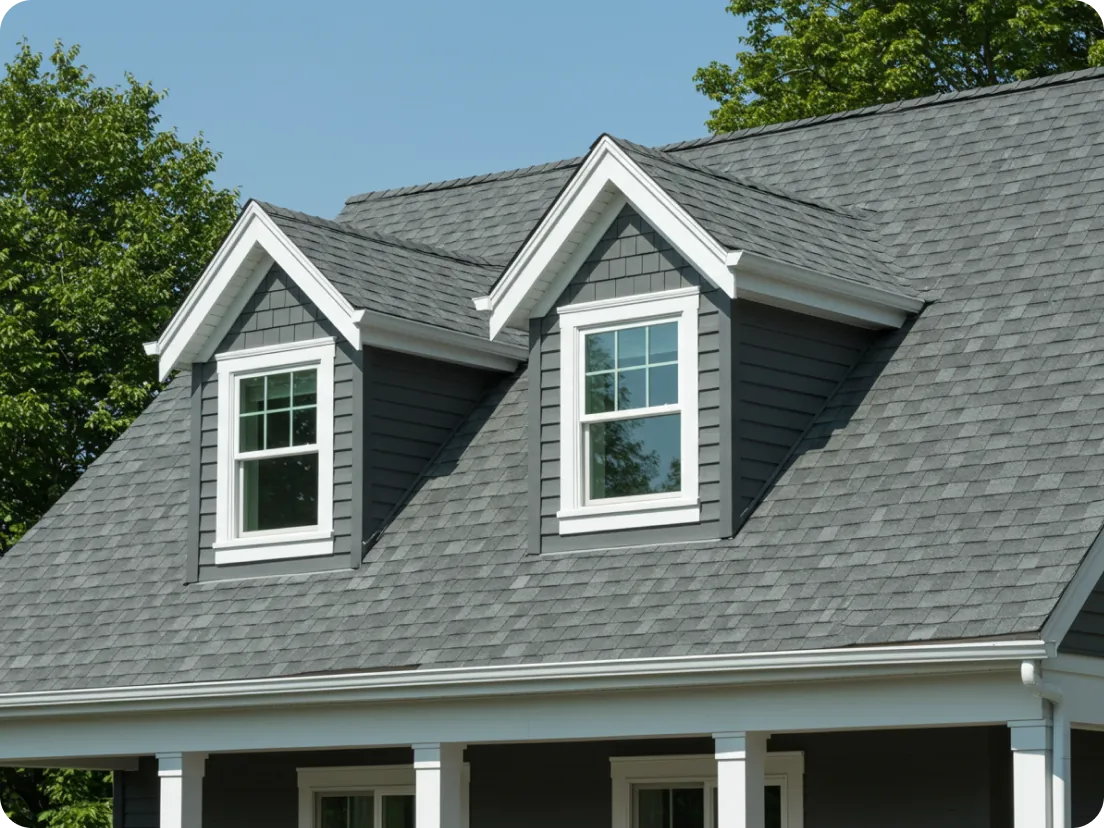


On average, a complete roofing replacement tends to fall near $11,758, depending on factors such as the size of the project, material choice, labor rates, and job complexity. If you plan to replace or repair your roof in 2026, be prepared to spend anywhere from $6,271 to $32,666.
Completing the job correctly the first time is essential for your home's safety and longevity, helping to avoid costly rework. Poor installation or repairs can rapidly increase the cost to replace the roof due to leaks, structural problems, and potentially voided warranties.
This guide will walk you through the key cost components of the cost of a new roof in 2026, showing you key factors that might influence pricing and what to expect for different types of projects. Asphalt shingles, metal roofing, or tile, this page provides valuable insights to help you find the best value for your investment[1].
Roofing Services and Costs: All You Need to Know
Roofing services cover a broad spectrum of work related to the installation, repair, and maintenance of a roof, and that is why costs can vary significantly depending on the scope of the project, the urgency, the complexity of the chosen design, and the materials used[2].
Take a look at the most common types of roofs and the price of the services related to them in 2026.
| Type of Service | Cost | Features |
|---|---|---|
Roof Replacement | $9,772 - $23,394 | Complete removal and installation of new roofing materials. |
Roof Repair | $151 - $7,047 | Roof leak repair, damaged shingles, or minor structural issues. |
Roof Inspection | $130 - $419 | Professional evaluation to assess conditions and damage. |
Roof Cleaning | $201 - $805 | Removing debris, moss, and algae to prolong roof life. |
Roof Coating | $631 - $3,239 | Applying protective sealants to extend roof durability. |
Gutter Installation | $604 - $1,611 | Installing gutters to improve roof drainage and prevent damage. |
Skylight Installation | $1,611 - $4,228 | Adding or replacing skylights to increase natural light. |
Read more


Roof Repair Costs
Roof repairs focus on addressing specific issues like leaks, broken or missing shingles, and minor structural damage. Repairing a roof is less expensive than replacing it, typically ranging between $151 and $7,047, depending on the severity of the problem and the materials involved.
Key factors influencing cost:
- Size and location of the damage
- Roof accessibility and height[3]
- Material matching and availability
- Presence of mold or water damage
If you need to replace a roof due to a climate catastrophe, be aware that some cities offer support and emergency programs to help you with funding![4]
Roof Inspection Costs
Regular inspections help identify potential problems early, preventing costly repairs or replacements down the line. A professional of home inspection usually costs $130 to $419.
Some roofing companies may offer free inspections if you proceed with repair or replacement work, so go ahead and ask the professionals you are quoting. Also, specialized equipment (drones, infrared cameras) might be needed, which increases the cost of a roof inspection.
Roof Cleaning Costs
Cleaning services remove dirt, moss, algae, and debris that can degrade roofing materials and cause leaks. The cost typically ranges from $201 to $805. Although less expensive, regular cleaning helps extend your roof's lifespan and maintain curb appeal. Below are some of the key factors that might affect the price of this service.
- Roof pitch and accessibility
- Extent of moss or algae growth
- Type of cleaning method (pressure washing, chemical treatments)
Roof Coating Costs
Coatings are protective layers applied over the existing material to improve waterproofing, reflectivity, and durability. Coating a roof can cost $631 to $3,239, depending on the extension of the project and the type of coating (elastomeric, silicone, acrylic).
Roof Replacement Costs
Involves completely removing your existing roof covering and installing a new one. This is often necessary when the coverage is at the end of its lifespan or has sustained extensive damage. The average replacement cost ranges from $9,772 to $23,394, but can exceed $58,033 for larger homes or premium materials like slate or metal roofs.
How Much Does It Cost to Replace a Roof?
The cost to replace your roof will vary depending on the material you choose. Check out the most common options available and their prices + lifespan.
| Material Type | Cost | Details |
|---|---|---|
Asphalt Shingles | $1 - $5/square foot | Estimated lifespan of 15 - 30 years |
Metal Roofing | $7 - $24/square foot | Estimated lifespan of 40 - 70 years |
Tile (Clay/Concrete) | $8 - $24/square foot | Estimated lifespan of 50 - 100 years |
Slate | $10 - $36/square foot | Estimated lifespan of 75 - 150 years |
Wood Shingles | $6 - $16/square foot | Estimated lifespan of 20 - 30 years |
Tricky decision? Consider the following suggestions that might help you make up your mind about which type of roofing fits your budget and goal.
- If you are on a tight budget, asphalt shingles are the most affordable option, costing around $1 to $5 per square foot. They typically last 15 to 30 years and are a practical choice for standard residential roofs[5].
- If you want a balance between cost and appearance, wood shingles offer a natural look at a moderate price ($6 to $16 per square foot) and a lifespan of 20 to 30 years. They require more maintenance but appeal to those who value traditional aesthetics.
- If you are thinking long-term and want energy efficiency, metal roofing costs more upfront ($7 to $24 per square foot) but lasts 40 to 70 years and reflects heat, helping reduce cooling expenses over time[6].
- If you want a durable and attractive roof and are willing to invest more, clay or concrete tiles cost between $8 and $24 per square foot and can last 50 to 100 years. They are ideal for adding curb appeal and value to the property.
- If you are building a high-end or historic property, slate is the most premium option, with costs ranging from $10 to $36 per square foot and an impressive lifespan of 75 to 150 years. It is best suited for luxury projects that prioritize longevity and architectural distinction.
Detailed Roofing Costs Per Hour
Homeowners hiring roofing contractors can expect to pay between $45 and $120 per hour, depending on the project's scope, location, and complexity. This rate covers labor for inspection, repair, maintenance, and preparation for larger projects like roof replacement.

Additional details to consider include:
- Basic Roof Inspection: Often on the lower end of the hourly scale, inspections focus on assessing the roof's condition and identifying potential issues.
- Roof Repair: Involves the price of fixing roof leaks, replacing shingles, or addressing minor structural damage, which can increase hourly rates due to the manual labor involved.
- Roof Installation or Replacement: This complex and labor-intensive work commands the highest hourly rates, reflecting the expertise and equipment required.
- Emergency Services: Roofers providing urgent repairs outside normal business hours typically charge a premium rate.
8 Hidden Factors That Affect The Cost of Your Roof Replacement
Multiple unique factors influence how much a roofing project will cost, directly impacting hourly rates and overall expenses. These elements stem from the technical demands, materials, and site conditions specific to roofing work.
- Roof Size and Pitch: Larger roofs with steep pitches require more labor time and safety precautions, driving up hourly costs.
- Material Type: The complexity of working with certain materials, such as slate, tile, or metal, affects labor intensity and, therefore, hourly rates.
- Roof Accessibility: Difficult-to-access spots that require scaffolding, lifts, or additional safety measures will increase labor costs.
- Extent of Damage: Repairing significant storm damage or structural issues requires specialized skills and additional time, influencing hourly charges.
- Weather Conditions: Work delays or hazards caused by weather can extend project duration, resulting in higher overall labor hours billed.
- Permitting and Local Regulations: Areas with stringent building codes or mandatory permits can increase the prep and inspection time, reflected in hourly fees.
- Contractor Experience: More experienced roofing professionals may charge higher hourly rates but often deliver faster and higher-quality work.
- Roofing warranties: Manufacturer warranties (20-50 years) can add $413 - $1,585 to material costs. Comprehensive workmanship warranties can increase labor costs by 5%-10%, but they help avoid expensive repairs in the future.
Do not forget to mention these details if you ever use a roofing cost calculator, as the results might be very different depending on your situation.
Roofing Costs Based on Roof Type and Size
When budgeting for roofing in 2026, it is crucial to recognize how the type and size of your roof affect overall costs. Roofing costs vary significantly based on materials, complexity, and surface area.
Larger or more complex roofs incur higher material and labor expenses, and some types require specialized installation. The following breakdown outlines common roof configurations and their typical cost ranges to help you estimate your project more accurately.
Flat Roofs
Flat roofs are commonly found on commercial buildings and some modern residential designs. They generally involve fewer materials and simpler installation compared to the pitched ones, which often makes them more affordable.
- Description: A flat or low-slope roof[7] with minimal pitch, typically covered with materials like EPDM rubber, TPO, or modified bitumen.
- Cost Range: $3 to $16 per square foot
- Average Cost: Around $6,010 to $21,613 for a 1,500 sq. ft. roof
- Considerations: Flat roofs are easier to walk on, which may reduce labor costs, but quality waterproofing is crucial, which can add to material expenses.
Asphalt Shingle Roofs (Standard Gable)
Asphalt shingles are the most popular material for residential homes due to their affordability and versatility. Their configuration (often a simple gable shape) directly impacts the amount of materials and installation complexity.
- Description: Roofs with a traditional pitched shape covered in asphalt shingles.
- Cost Range: $1 to $5 per square foot
- Average Cost: $16,393 to $14,476 for 1,200-2,500 sq. ft.
- Considerations: Larger or multi-faceted roofs with dormers or intersecting planes increase labor time and waste, causing higher costs.
Metal Roofs (Standing Seam or Panel)
Standing seam or panel, they are rising in popularity for their durability and energy efficiency, but metal roofing pricing depends on both type and size.
- Description: Coverage with metal panels or standing seam metal roofing, known for its longevity.
- Cost Range: $7 to $24 per square foot
- Average Cost: $9,936 to $37,890 for 2,000 sq. ft.
- Considerations: Complex designs with many angles and penetrations will push the price higher due to cutting and custom-fitting requirements.
Tile Roofs (Clay or Concrete)
Tile works are typically heavier and require extra structural support, as well as skilled installers, all factored into the overall cost depending on the roof's scale.
- Description: Coverage in clay or concrete tiles, popular in Mediterranean or Southwestern-style homes.
- Cost Range: $8 to $24 per square foot
- Average Cost: $9,412 to $47,705 for about 2,000 sq. ft.
- Considerations: Roofs with a steep pitch or multiple levels will increase labor demands, further elevating costs.
Large or Complex Roofs (Multiple Stories or Custom Designs)
When a roof spans multiple stories or has a custom architectural layout with numerous hips, valleys, and dormers, costs rise accordingly due to extra labor and specialized materials.
- Description: Large homes or buildings with multi-level roofs, intricate slopes, or complex framing.
- Cost Range: $9 to $33+ per square foot, depending on materials used
- Average Cost: $17,767 to $54,681+ for homes above 3,000 sq. ft.
Points to consider: Complexity affects everything from the safety equipment needed to the amount of waste generated, so both labor and materials can substantially increase the final price.
The good news, though, is that you can finance the cost of replacing a roof[8]!
Examples of Roofing Cost Estimates
In general, a 1,700 sq ft asphalt shingle roof typically costs between $7,137 and $16,841, while a 2,000 sq ft roof can range from $6,191 to $15,976. Larger projects, like a 2,500 sq ft
roof, may cost between $8,848 and $16,851, and a 3,000 sq ft roof could reach $9,956 to $17,757, especially when using premium materials or dealing with intricate layouts.
Roofing Cost Calculator in Practice
Below are example estimates for different roof sizes, showing how material quality impacts overall pricing. These figures combine both material and installation costs:
1,700 sq ft:
- $7,137 - $16,841 (asphalt shingles)
- $12,956 - $29,173 (premium materials)
2,000 sq ft:
- $6,191 - $15,976 (asphalt shingles)
- $12,865 - $26,968 (premium materials)
2,500 sq ft:
- $8,848 - $16,851 (asphalt shingles)
- $10,852 - $26,435 (premium materials)
3,000 sq ft:
- $9,956 - $17,757 (asphalt shingles)
- $18,442 - $31,458 (premium materials)
It is wise to observe that this example is just an estimate based on the average of roof costs you saw in this guide. Real prices might differ according to regions and materials.
Emergency Roofing Costs: What Is The Average?
Emergency roofing services typically cost more than standard repairs due to urgency, off-hours labor, and immediate material needs. On average, homeowners can expect to pay between $390 and $2,756 for emergency roof repairs. However, the final price depends on several factors.

- Type and severity of damage: Minor leaks or a few missing shingles may cost around $214 to $1,497, while significant storm damage or structural issues can push the cost above $683.
- Time of service: Emergency calls made at night, on weekends, or during holidays may include an additional fee ranging from $119 to $371.
- Temporary vs. permanent fix: A short-term patch (like tarp installation) typically costs $320 to $1,927, while a full repair solution will increase the final bill.
- Material and roof type: Repairs on metal or tile roofs are charged at a more expensive rate than asphalt shingles due to labor complexity and material cost.
While emergency services come at a premium, quick action can prevent far more costly issues like interior water damage or mold growth. If you are concerned about budget, ask your roofer to quote both a temporary fix and a full solution so you can plan accordingly.
Should You DIY or Hire a Roofing Professional?
While DIY roofing might seem like a way to save money upfront, it often comes with hidden costs and risks that can quickly outweigh any initial savings. Professional roofing services, by contrast, provide expertise, safety, and efficiency that not only protect your investment but save you money in the long run.

While DIY roofing materials alone may cost between $3,896 and $18,764, the labor, safety equipment, and potential mistakes are not factored in. Professional roofing, although costlier upfront at $6,624 to $33,008, includes expert installation, warranties, and safety compliance. Mistakes from a DIY attempt often lead to expensive repairs, pushing total costs much higher.
Risks of DIY Roofing
- Safety hazards: Roofing is physically demanding and risky[9]; falls and injuries are common without proper training and equipment.
- Lack of expertise: Improper installation can lead to leaks, structural damage, and decreased roof lifespan.
- Time-consuming: A DIY project can take weeks and may interrupt your schedule significantly.
- No warranties: DIY work usually is not covered by a warranty, leaving you financially vulnerable.
Advantages of Hiring a Qualified Professional
- Safety first: Professionals have the right tools, training, and insurance[10] to work safely.
- Quality workmanship: Certified roofers ensure proper installation aligned with local building codes.
- Long-term savings: Fewer mistakes mean reduced repair costs and longer roof durability.
Faster completion: Experienced crews can finish projects efficiently, minimizing disruption to your home life. - Warranties and guarantees: Most pros offer labor and material warranties, giving you peace of mind.
In summary, though DIY roofing may look appealing, the hidden risks and potential costs often make hiring a professional the smarter financial and safety choice.
How to Save on Roofing Costs
Roofing can be a significant investment, but there are effective ways to reduce expenses without compromising quality. By planning ahead and making informed decisions, homeowners can save money while securing a durable new roof at a fair price.
Here are practical tips to keep your roofing costs down:
- Get multiple quotes: Collect at least three estimates from reputable roofing contractors to compare prices and scope.
- Choose quality materials wisely: Opt for durable but cost-effective options like asphalt shingles, which offer good longevity at a reasonable price.
- Schedule in the off-season: Roofing companies may offer discounts during slower months (fall or early spring).
- Prep your home: Clear the work area around your house to reduce labor time and costs.
- Consider partial repairs: If a full replacement is not necessary, repairing just the damaged areas can save thousands.
- Ask about warranties: Sometimes, extended warranties come at a little extra cost but add protection and value.
- Combine services: Some contractors offer discounts if you bundle roofing with gutter or siding work.
Ready to get the best deal on your roofing project? Hiring a professional through homeyou ensures you connect with trusted, vetted roofers who provide competitive pricing and quality work. Do not gamble with DIY risks.
Repairs usually make sense when damage is localized, such as a small leak, a few missing shingles, or flashing issues. Replacement becomes more likely when problems are widespread, the roof is near the end of its expected lifespan, or repeated repairs keep failing. A professional inspection can confirm the best path.
Most residential roof replacements take a few days, but timelines vary with roof size, steepness, material type, weather, and the amount of tear-off required. Complex rooflines and multiple penetrations slow the work. Ask your contractor for a schedule that includes cleanup, inspection, and contingencies for rain delays.
Ask for proof of licensing and insurance, who will be on-site supervising, and whether the crew is employees or subcontractors. Request a detailed written scope, including tear-off, underlayment, ventilation, flashing, and cleanup. Confirm warranty terms for both materials and workmanship, plus how change orders are handled.
Common surprises include hidden decking rot discovered after tear-off, damaged flashing or chimney work, and the need to upgrade ventilation or add ice-and-water protection. Steep or hard-to-access roofs may require extra safety equipment. Permit fees, disposal, and matching specialty materials can also increase the total.
A new roof often improves resale appeal because buyers worry less about leaks and major near-term expenses. Value gains depend on local market conditions, the material chosen, and whether the roof solves visible issues like staining or curling shingles. Keep documentation of permits, warranties, and contractor invoices for buyers.
Move vehicles and outdoor furniture away from the house, and cover delicate plants if possible. Ask the roofer where debris will be staged and how they will protect siding, windows, and HVAC units. Confirm daily cleanup practices, nail sweeping methods, and where dumpsters and material deliveries will be placed.
Most roofs involve a manufacturer material warranty and a separate workmanship warranty from the installer. Warranties may be reduced or voided by improper installation, inadequate ventilation, unapproved repairs, or failure to maintain the roof. Ask for warranty documents in writing and confirm registration requirements and transferability.
Mild, dry weather generally makes scheduling easier and reduces delay risks, but reputable contractors work year-round when conditions are safe. Availability can be tighter during peak storm-repair seasons. If budget and flexibility matter, consider booking during slower months and securing a start date before urgent demand increases.
References
[1] FORTIFIED - A Program of IBHS. "Build Resilience to Your Budget - FORTIFIED - a Program of IBHS." FORTIFIED - a Program of IBHS, 11 Feb. 2026, https://fortifiedhome.org/article/build-resilience-to-your-budget.
[2] The Rehab Guide Volume 3: Roofs | HUD USER. https://www.huduser.gov/portal/publications/destech/roofs.html.
[3] Skellogg. "Roof Guide: Codes & Standards." Insurance Institute for Business & Home Safety, 2 Oct. 2019, https://ibhs.org/guidance/ricowi-roof-guide-codes-and-standards.
[4] "Roofing Installation Support Emergency Utilization Program (RISEUP)." FEMA.gov, 21 Jan. 2026, https://www.fema.gov/fact-sheet/roofing-installation-support-emergency-utilization-program-riseup.
[5] Mastering Roof Inspections: Roof Styles - InterNACHI. https://www.nachi.org/roof-styles-1/benefits.htm.
[6] "Cool Roofs." Energy.gov, https://www.energy.gov/energysaver/cool-roofs.
[7] Skellogg. "Low-Slope Metal." Insurance Institute for Business & Home Safety, 23 Oct. 2019, https://ibhs.org/guidance/ricowi-roof-guide-low-slope-metal.
[8] "Single Family Housing Repair Loans and Grants." Rural Development, 14 Apr. 2026, https://www.rd.usda.gov/programs-services/single-family-housing-programs/single-family-housing-repair-loans-grants.
[9] "Roofing Safety." NAHB, https://www.nahb.org/advocacy/industry-issues/safety-and-health/safety-365/video-toolbox-talks/video-pages/roofing-safety.
[10] Government Home Repair Assistance Programs | USAGov. https://www.usa.gov/home-repair-programs.


