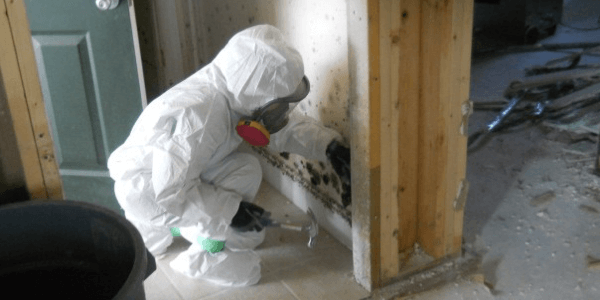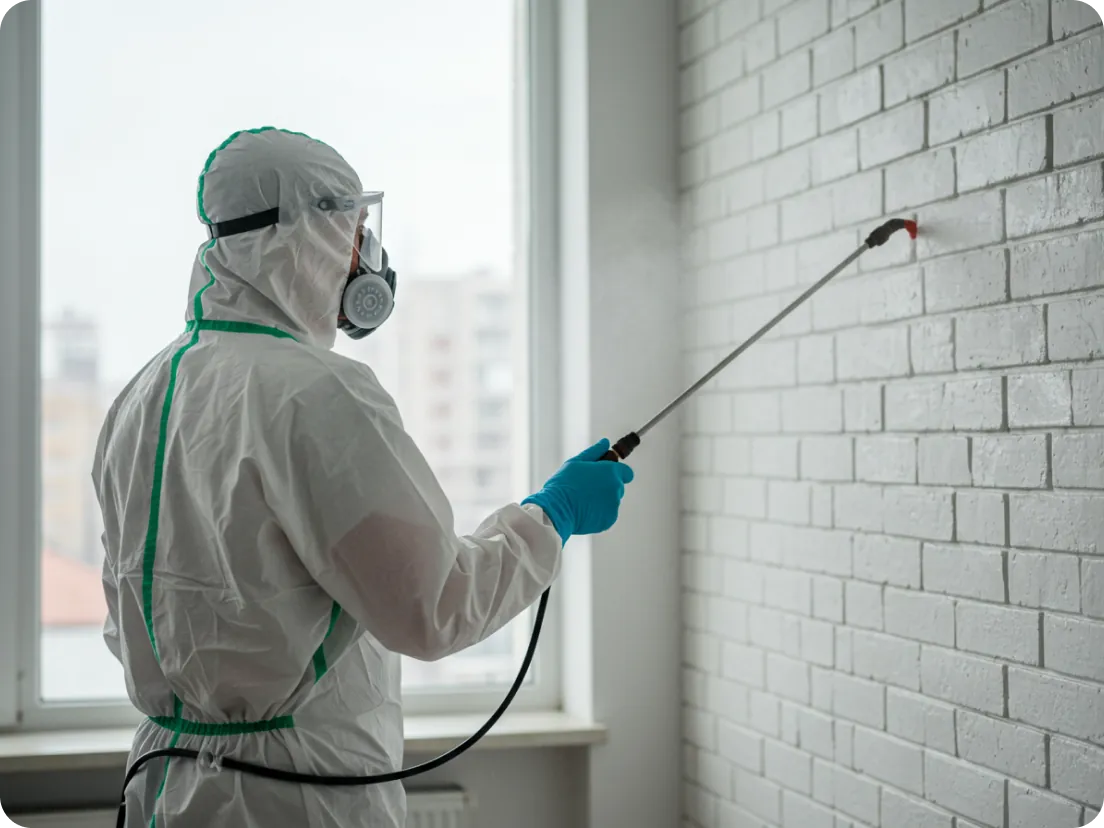


The price to remediate or remove mold varies depending on the extent of the problem, affected areas, and the remediation methods required. Typically, you can expect costs to range from as low as $293 to as high as $7,363, with an average cost around $2,743.
And acting ASAP is crucial here: mold is not just a structural threat, it is a health hazard[1]. Prolonged exposure can trigger respiratory issues, allergies, and in more serious cases, chronic illness, especially when black mold is involved, which makes the black mold remediation cost a small price to pay for long-term well-being.
Get a clear understanding of the key factors that affect mold remediation costs, including what is typically included in the service and how prices can vary. Also, learn what to expect when hiring a qualified professional and how to make informed decisions without going over budget!
Types of Mold Removal and Their Costs
Mold services cover a range of treatments designed to identify, remove, and prevent various types of mold infestations in homes and buildings. Pricing can vary significantly depending on factors such as the extent of contamination, urgency of service, complexity of mold type, materials affected, and geographic location.
| Type of Service | Cost | Features |
|---|---|---|
Surface Mold Removal | $348 - $1,821 | Removal of visible mold from non-porous surfaces using cleaning agents. |
Mold Inspection & Testing | $292 - $1,320 | Professional evaluation to identify mold presence and types through sampling and lab analysis. |
Black Mold Remediation | $1,139 - $7,847 | Specialized removal and treatment of toxic black mold, requiring safety precautions. |
Attic Mold Removal | $1,534 - $7,138 | Targeted removal of mold growth in attics, addressing ventilation and moisture issues. |
Basement Mold Treatment | $1,175 - $7,363 | Mold remediation focused on damp basement environments prone to recurring moisture problems. |
Mold Prevention Services [2] | $474 - $4,222 | Measures such as sealing, waterproofing, and HVAC system cleaning to prevent mold growth. |
Black Mold Remediation Costs
Black mold remediation[3] is a critical service involving the removal of Stachybotrys chartarum[4], a toxic mold that can pose serious health risks. This service is needed when black mold is detected in areas such as walls, ceilings, or HVAC systems.
The cost typically ranges from $1,139 to $7,847 with an average of $3,420. Factors impacting cost include:
- size of the affected area;
- containment requirements;
- specialized protective equipment[5]; and
- levels of toxicity involved.
Mold Inspection and Testing Costs
Mold inspection and testing[6] involve comprehensive sampling to identify mold types and concentration levels in homes or commercial buildings. This service is essential before remediation to assess hidden mold and guide treatment plans.
Costs for mold inspection vary between $292 and $1,320, averaging around $684, with pricing depending on the number of samples taken, lab processing fees, and accessibility of testing locations within the property.
Basement Mold Treatment Costs
Basements are prone to mold issues due to moisture[7] and poor ventilation, and the treatment involves cleaning, drying, and fixing moisture sources to eliminate mold growth and prevent recurrence[8].
This service generally costs between $1,175 and $7,363 with an average price of $2,692. Key cost drivers include:
- the extent of mold colonization;
- presence of water damage; and
- complexity of basement waterproofing measures needed.
How Much Does Mold Remediation Cost per Hour?
Mold-related work is often charged on an hourly basis because the time required can vary depending on the extent of the contamination and the methods used. Generally, you can expect mold service providers to charge anywhere from $73 to $123 per hour, with many projects falling near the average cost of $97.

In more detail, mold inspectors typically charge on the lower end of the hourly scale, as their work involves identifying mold presence and assessing the problem without extensive cleanup[9]. Testing services, which may include air sampling[10] and laboratory analysis, can cost a bit more due to the specialized equipment involved.
Mold removal and remediation are labor-intensive tasks that typically involve containment, removal of affected materials, and sometimes antimicrobial treatments. Due to the complexity and risk, these services command higher hourly rates. It's essential to clarify with contractors whether their rates include equipment or disposal fees.
7 Main Factors That Affect Mold Cost
Mold remediation is not a one-size-fits-all process; the scope and approach depend on many conditions that impact both labor and material costs.
Here are the primary factors that affect the prices for this sort of remediation:
- Severity and Spread of Mold: Extensive hidden mold inside walls or HVAC systems can significantly increase costs compared to small, surface-level patches.
- Type of Mold Present: Certain mold species, such as black mold (Stachybotrys chartarum), require specialized handling and safety measures due to toxicity, which increases labor costs and the need for protective gear[11] and containment.
- Inspection and Testing Requirements: More comprehensive testing, including multiple air samples or swabs, naturally increases the hourly billing for inspection and lab work.
- Accessibility of Mold Growth Areas: Mold located in hard-to-reach areas will drive up expenses if it involves drywall, ventilation, or flooring costs, as they require additional labor and equipment.
- Remediation Method Chosen [12] : Techniques vary from basic cleaning and removal to full structural replacement and antimicrobial application. More aggressive or involved methods take more time and resources, impacting hourly rates.
- Contractor Experience and Certification: Licensed and certified mold remediation professionals often charge higher hourly rates based on their expertise, advanced training, and adherence to industry standards.
- Project Timeline and Emergency Services: If mold remediation is required urgently due to health hazards or ongoing damage, expedited scheduling and overtime work may result in higher hourly charges.
The next topics will cover two of these factors: the size of the infestation and the emergency costs.
Cost of Mold Remediation by Type and Size
Larger or more extensive mold growth requires more labor, materials, and specialized equipment, driving up overall expenses. Additionally, certain types of mold can be more challenging or hazardous to remove, which may also influence the cost range.
Take a look at these common examples!
Small Mold Infestation
These are the most common problems when dealing with mold, typically found in confined areas such as a single wall, bathroom, or under a sink. This size is usually limited to a few square feet and does not require extensive demolition costs or repairs.
- Cost Range: From $474 to $1,631.
- Average Cost: $1,250.
Small infestations often involve surface cleaning and treatment with mold inhibitors[13], which keeps costs on the lower end due to minimal disruption.
Medium Mold Growth
Mold covering multiple rooms or larger wall sections, often 10 to 30 square feet, may involve removing drywall, insulation, or parts of the flooring in the affected areas.
- Cost Range: From $1,630 to $5,174.
- Average Cost: $3,304.
Handling medium-sized growth typically requires professional containment methods, air filtration, and sometimes minor structural repairs.
Large-Scale Mold Contamination
Infestations affecting an entire room or several areas throughout the home, with mold spreading over more than 30 square feet, usually involve compromised framing, extensive drywall removal, and may require rebuilding.
- Cost Range: From $10,158 to $29,779.
- Average Cost: $18,721.
Costs escalate due to the complexity of containment, removal, and restoration; specialized equipment is often necessary to safely remediate all affected areas.
Black Mold (Toxic Mold) Infestation
Stachybotrys chartarum (commonly known as black mold) requires special handling due to potential health risks. Its removal often demands higher safety standards and more stringent containment.
- Cost Range: From $1,139 to $7,847.
- Average Cost: $3,420.
Remediation costs for black mold tend to be higher than non-toxic varieties because of enhanced protective gear, testing, and disposal procedures needed to ensure a safe clearance.
Need to Remove Mold ASAP? Check Emergency Mold Services Cost
Unexpected mold outbreaks, especially after floods[14], leaks, or severe humidity, often require immediate action to prevent health risks and structural damage. Emergency mold remediation services are available 24/7; however, the urgency and after-hours response can significantly increase the overall cost.

Emergency mold services typically range from $1,817 to $10,159, with an average cost of $4,386 per visit.
Prices may be higher for weekend, nighttime, or holiday calls, and can increase further if black mold or hidden infestations are involved.
Additional Costs to Get Mold Removed
When addressing mold issues, you should be aware that the initial remediation price may not cover all expenses. Additional costs can arise depending on the extent of the contamination and property conditions. Common situations that may influence extra charges include the following!
- Inspection and Testing Fees: Mold inspection and air quality testing may be billed separately, either hourly or as a flat rate, with an average cost of around $668.
- Containment and Air Scrubber Rental: Setting up containment zones and renting HEPA air scrubbers can raise costs, typically averaging $682.
- Water Damage Repair: If moisture issues are the source of mold, repairing leaks or structural damage may add an average fee of $3,826 to the total budget.
- Disposal Fees: Removing and disposing of contaminated materials like drywall, insulation, or carpeting, especially when hazardous, often costs around $217.
- Post-Remediation Verification: Follow-up testing to confirm the success of remediation may involve an additional $418 fee.
- Hidden Mold Removal: When mold is located inside walls, under floors, or within ductwork, the average cost tends to increase by $3,434 due to the complexity of access and treatment.
Awareness of these potential additional costs is essential when obtaining quotes and comparing service providers to avoid unexpected expenses.
How Much Does Removal Cost by Type of Mold
The price of mold remediation varies largely depending on the type of mold infestation detected. Different mold species present varying levels of health risk and require specific handling procedures, influencing labor intensity and material costs.
| Type | Cost | Details |
|---|---|---|
Surface Mold | $348 - $1,821 | Common visible mold on walls or ceilings. Easier removal, limited containment. |
Black Mold (Stachybotrys) | $1,139 - $7,847 | Requires specialized equipment and PPE for safe removal. Toxic mold is often found in water-damaged areas. |
Aspergillus | $698 - $3,425 | May require thorough cleaning and HEPA filtration. Widespread indoor mold can trigger allergies |
Penicillium | $718 - $6,194 | Moderate difficulty, potential HVAC system cleaning. Often found on water-damaged items and HVAC systems. |
Cladosporium | $714 - $6,025 | Usually less toxic, but can spread extensively. Outdoor and indoor mold, allergenic. |
The type of mold largely determines safety protocols and containment measures, impacting labor time, equipment use, and remediation scope.
DIY vs. Professional Mold Removal: Average Costs
Do not risk your health by trying to remove mold by yourself. Hiring a professional mold remediation service ensures thorough removal, safer handling, and more reliable results, offering not only peace of mind but often better long-term value.

Why DIY Mold Remediation Can Be Risky
- Health Hazards: Mold spores can cause respiratory issues, allergies, and other health problems. Without proper protective gear and containment, DIY attempts may worsen exposure.
- Incomplete Removal: Mold often hides beneath surfaces or inside walls. DIY methods may only address visible mold, causing regrowth and prolonged issues.
- Improper Disposal: Mold-contaminated materials need careful disposal to prevent spreading spores, which DIYers may overlook.
- Hidden Damages: Mold often indicates underlying moisture problems that require professional assessment and repair.
Why Hiring a Professional Mold Remediation Service Is Worth It
- Expert Knowledge and Equipment: Professionals use specialized tools, HEPA vacuums, and containment units for safe, efficient mold removal.
- Thorough Inspection and Testing[15]: Pros can accurately identify mold species and affected areas, ensuring targeted treatment.
- Long-term Cost Savings: Proper remediation prevents mold recurrence and reduces potential property damage, saving money over time.
- Guarantees and Peace of Mind: Licensed professionals often provide warranties on their work and comply with safety regulations, giving added assurance.
Additionally, there are other smarter ways to save on this kind of service.
6 Ways to Save on Mold Costs
Mold remediation can be a significant expense, but with some smart planning and preventative measures, you can reduce costs without sacrificing safety or quality. Below are practical tips to help you save.
- Address Moisture Issues Immediately: Fix leaks, improve ventilation, and control humidity to prevent mold growth at the source.
- Do Regular Home Inspections: Early detection of damp areas or minor mold can keep problems from escalating into costly repairs.
- Get Multiple Quotes: Compare estimates from several certified professionals[16] to ensure competitive pricing.
- Combine Services: Schedule mold inspection and remediation together or alongside related home repairs to negotiate better rates.
- DIY Minor Prevention Tasks: Use mold-resistant paint or sealants and keep your home dry in areas like basements and bathrooms. Just avoid full DIY remediation on serious infestations.
- Check for Insurance Coverage: Some home insurance policies may cover mold remediation if caused by a covered peril. Verify your policy details!
When it is time to hire a pro, trust homeyou to connect you with experienced, vetted mold remediation specialists who offer transparent pricing and high-quality service. Contact homeyou today to get your free quote and make sure you are getting the best deal on safe, effective mold removal.
Testing is most helpful when you cannot see obvious growth, you smell persistent musty odors, symptoms worsen indoors, or you suspect hidden mold after a leak. It can also clarify what areas are impacted and help plan containment. If visible mold is widespread, pros may proceed with a remediation plan without extensive testing.
Often yes, but it depends on where the mold is, how much area is affected, and what containment is used. If the work involves bedrooms, HVAC systems, or large demolition, temporary relocation may be safer. Ask the contractor about dust control, air filtration, and which rooms will be off-limits.
Clear access to affected areas, remove personal items from nearby shelves and floors, and secure pets away from the work zone. If instructed, shut off HVAC to reduce spore circulation. Document damage with photos for insurance. Do not disturb moldy materials, since that can spread spores and increase cleanup.
It can, but odor removal depends on eliminating both the mold and the moisture source. If damp materials remain or humidity stays high, smells can return even after cleaning. Professionals may use HEPA filtration and targeted treatments, but lasting results typically require drying, repairs, and improved ventilation.
Removal usually refers to cleaning or taking out contaminated materials you can see. Remediation is a broader process focused on controlling spore levels, preventing spread, addressing hidden contamination, and fixing conditions that caused growth. A true remediation plan typically includes containment, filtration, cleaning or demolition, and moisture correction.
Look for relevant licensing where required, industry certifications, written scope-of-work, and clear safety protocols for containment and PPE. A reputable pro explains how they will prevent cross-contamination and how disposal is handled. Ask for proof of insurance and references, and confirm whether they offer any workmanship warranty.
Common surprises include opening walls to find wider spread, replacing insulation or flooring, repairing the leak or drainage issue that caused moisture, and renting or using air scrubbers for longer than expected. Post-remediation verification testing can also add cost. Clear estimates should separate remediation from repairs and rebuilding.
Focus on moisture control: fix leaks promptly, keep indoor humidity in check, vent bathrooms and kitchens outside, and improve airflow in damp spaces. Use dehumidifiers in basements or during humid seasons, and avoid storing items directly against cool exterior walls. Periodically inspect areas with past issues for early signs.
References
[1] B. D. Hardin, B. Kelman, A. Saxon. "Adverse Human Health Effects Associated With Molds in the Indoor Environment." Journal of Occupational and Environmental Medicine, vol. 45, no. 5, May 2003, pp. 470-78. https://doi.org/10.1097/00043764-200305000-00006.
[2] National Academies Press (US). "Prevention and Remediation of Damp Indoor Environments." Damp Indoor Spaces and Health - NCBI Bookshelf, 2004, www.ncbi.nlm.nih.gov/books/NBK215647.
[3] Singh, Jagjit, et al. "Building Pathology - Toxic Mould Remediation." Indoor and Built Environment, vol. 20, no. 1, Dec. 2010, pp. 36-46. https://doi.org/10.1177/1420326x10392056.
[4] Nelson, B. D. "Stachybotrys Chartarum: The Toxic Indoor Mold." APSnet Feature Articles, Jan. 2001, https://doi.org/10.1094/apsnetfeature-2001-1101.
[5] M. Brandt, Clive Brown et. al. "Toxic Moulds and Indoor Air Quality." Indoor and Built Environment, vol. 14, no. 3-4, May 2005, pp. 229-34. https://doi.org/10.1177/1420326x05054015.
[6] "Mold Testing or Sampling | US EPA." US EPA, 4 Feb. 2026, www.epa.gov/mold/mold-testing-or-sampling.
[7] "A Brief Guide to Mold, Moisture and Your Home | US EPA." US EPA, 27 Mar. 2026, www.epa.gov/mold/brief-guide-mold-moisture-and-your-home.
[8] Mold and Moisture Dynamics | WBDG - Whole Building Design Guide. www.wbdg.org/resources/mold-and-moisture-dynamics.
[9] "Mold Cleanup in Your Home | US EPA." US EPA, 11 July 2024, www.epa.gov/mold/mold-cleanup-your-home.
[10] "Mold Inspection Standards of Practice - International Association of Certified Indoor Air Consultants." International Association of Certified Indoor Air Consultants, 27 July 2022, iac2.org/mold-inspection-standards-of-practice.
[11] "Mold Clean Up Guidelines and Recommendations." Mold, 16 Feb. 2024, www.cdc.gov/mold-health/about/clean-up.html.
[12] SHIB 03-10-10 A Brief Guide to Mold in the Workplace - English | Occupational Safety and Health Administration. www.osha.gov/publications/shib101003.
[13] Clausen, Carol A. and Vina W. Yang. "Curbing indoor mold growth with mold inhibitors." (2004), https://www.researchgate.net/publication/50951777_Curbing_indoor_mold_growth_with_mold_inhibitors.
[14] Federal Emergency Management Agency (FEMA). "Dealing With MOLD and MILDEW IN YOUR FLOOD DAMAGED HOME." FEMA Publications, www.fema.gov/pdf/rebuild/recover/fema\_mold\_brochure\_english.pdf.
[15] "Who Can Test My Home or Clean, Fix and Remediate My Home for Mold? | US EPA." US EPA, 24 Feb. 2026, www.epa.gov/mold/who-can-test-my-home-or-clean-fix-and-remediate-my-home-mold.
[16] Mold Training and Mold Certification From the National Association of Mold Professionals (NAMP). www.moldpro.org.