Rental Services in 2026 come with a wide variety and cost range, typically starting from $41 and going up to $1,296, with an average price of about $595.
From home improvement projects to large-scale events, rental services have become a practical solution for individuals and businesses looking to save time and storage space[1]. For instance, the growing demand for pressure washer rental has been fueled not only by its affordability but also by its convenience, giving homeowners and contractors the ability to deep-clean surfaces without the long-term commitment of ownership.
This trend reflects a broader shift toward on-demand access over permanent acquisition, making rentals a smart choice in today's fast-paced, efficiency-driven world. From weekend projects to large-scale operations, understanding the value behind rental services is key, so keep reading this guide to uncover costs, tips, and insights that help you rent smarter!
Types of Rental Services and Their Costs
Rental services cover a wide range of tools and machinery used for construction, landscaping, event setup, and more[2]. Pricing for these services varies depending on the rental duration, equipment size and complexity, delivery requirements, and geographic location.
| Type of Service | Cost | Features |
|---|---|---|
Small Tools | $29 - $121/day | Includes hand tools and small power tools for short-term use. |
Heavy Machinery | $181 - $1,208/day | Large equipment, such as excavators and bulldozers, used for major projects. |
Event Equipment | $60 - $604/day | Tents, tables, and audio/visual gear for events and gatherings. |
Porta-Potty | $82 - $482/day | Portable toilets, essential for outdoor events, construction sites, and remote locations. |
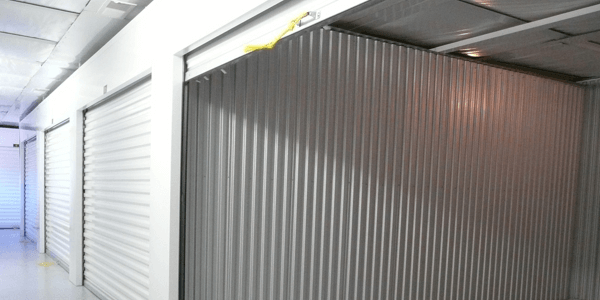
Pod/Storage Facility | $6 - $24/day | Portable storage units or on-site storage facilities commonly used during moves, renovations, or to free up space temporarily. |
Lawn and Garden Equipment | $36 - $242/day | Mowers, trimmers, and other landscaping machinery. |
Construction Scaffold | $18 - $97/day | Temporary scaffolding setups for construction or maintenance work. |
Generators | $72 - $604/day | Portable and standby generators for temporary power supply. |
Tools Rental Costs
Tool rental covers a wide range of equipment, from simple hand tools to advanced power tools used in home additions, remodelings, repairs, and landscaping. Renting tools is a practical alternative to buying, especially for one-time or seasonal projects.
Prices generally range from $29 to $121, with an average around $65.
Rates vary based on the tool's complexity, brand, rental duration, and whether accessories or safety gear are included in the package.
Porta-Potty Rental Costs
Porta-potty rentals are a staple for outdoor events, festivals, and construction sites, offering convenient sanitation where permanent facilities are unavailable[3]. Units range from basic single stalls to deluxe options with sinks and flushing capabilities.
The portable toilets costs typically fall between $82 and $482, with an average around $138, depending on unit type, number of porta potties[4], duration of the rental, and whether servicing or delivery is included.
POD Rental Costs
PODs (Portable On-Demand Storage) offer flexible moving and storage solutions, allowing you to load and unload at your own pace. They are commonly used during home moves, remodeling, or when extra space is needed.
This storage facility rental costs usually range from $6 to $24, averaging about $12, according to container size, rental length, transportation distance, and whether short- or long-term storage is required.
Generator Rental Costs
Generators offer temporary power solutions for job sites, outdoor events, or emergency backup[5]. Rental prices vary between $72 and $604, with an average cost of $181.
The primary price drivers include generator output capacity (kilowatts), fuel type, rental length, and delivery requirements[6].
Equipment Rental Services Cost per Day
The most common pricing format for rental services is on a daily basis. This model provides straightforward budgeting and is ideal for both homeowners and professionals who need access to equipment for full-day use or short-term projects[7], providing greater flexibility and better value for extended use.

Keep in mind that additional fees, such as delivery, insurance, and fuel costs, may apply depending on the rental provider and equipment type.
8 Factors That Affect Rental Services Cost
The cost of renting equipment can vary widely depending on several unique factors related directly to the equipment, project scope, and rental conditions. Here are the main ones:
- Size of Equipment: Renting a compact power drill will cost significantly less than a heavy-duty excavator. The complexity and power capabilities of the item also influence price.
- Rental Duration: Some rental companies have minimum rental periods (e.g., 1 or 3 days), and longer rentals may qualify for discounted rates.
- Delivery and Pick-Up Services: Costs often increase if the rental company provides delivery and pick-up, especially for large or heavy equipment[8]. Distance from the rental depot and accessibility to your property can also affect these fees.
- Seasonal Demand: During peak seasons or construction booms, rental prices can rise due to higher demand. Conversely, off-season rates may be more affordable, but equipment availability might be limited.
- Equipment Condition: Newer or premium-brand equipment typically comes with higher rental costs but may offer better performance and reliability.
- Required Accessories: Some equipment requires additional accessories (like hydraulic breakers for excavators or specialized blades), which usually add to the overall cost.
- Insurance and Liability Coverage: Depending on your agreement, you may need to purchase insurance or provide a damage deposit, increasing the upfront total.
- Fuel and Maintenance Charges: Certain rentals require that you refill fuel or cover maintenance costs during use.
Keep in mind that some companies include these items, like the fuel, in the price, while others charge extra for these factors, so make sure to ask about them in advance.
Rental Services Pricing: Costs by Type and Size
When renting equipment, the total cost often depends heavily on the type and size of the equipment needed. Larger or more specialized machines generally come with higher rental fees, while smaller or more common equipment tends to cost less.
Compact Equipment Rentals
Compact equipment typically refers to small-scale machinery, such as mini excavators or compact skid steers. These units are ideal for tight spaces and smaller projects like landscaping or minor demolition. Because of their size and versatility, compact equipment rentals usually carry the most affordable rate range.
- Cost Range: $291 - $663
- Average Cost: $422
Medium-Sized Machinery Rentals
A step-up in both power and capability, medium tools are often used for larger residential or commercial tasks like digging foundations or moderate earth moving. This category might include standard excavators, forklifts, or mid-sized backhoes.
- Cost Range: $210 - $651
- Average Cost: $390
Large-Scale Equipment Rentals
If you need to cover heavy-duty, the bigger machines are the ones suitable for extensive construction or landscaping projects, such as full-size bulldozers, cranes, or large excavators. Due to their complexity and demand for heavy maintenance, rental fees tend to be significantly higher.
- Cost Range: $718 - $3,562
- Average Cost: $1,296
Specialty Equipment Rentals
Specialty equipment encompasses unique or uncommon machines tailored to specific tasks. Examples include trenchers, aerial lifts, or concrete mixers. Their specialized nature means costs can vary widely, but often trend higher than average equipment fees.
- Cost Range: $190 - $953
- Average Cost: $369
Extended Duration Rentals
Many rental companies offer scaled pricing based on how long you rent the equipment. Longer periods generally decrease the daily rate but increase total cost, an important aspect to consider for large projects needing extended use.
- Typical Daily Cost Range: $65 - $1,288
Weekly or monthly pricing often offers discounts compared to daily rates, but varies by equipment size and provider.
6 Hidden Fees in Rental Services
These fees are not always clearly listed upfront and may vary depending on the rental company's policies, but they sure are something you need to take into consideration when budgeting for tools and equipment rental:
- Delivery and Pickup Charges: Many rental services charge separate fees for delivering the equipment to your home and picking it up afterward, charging per trip or per mile. Average cost stays around $85.
- Fuel or Cleaning Fees: If you return equipment without refueling or in a dirty condition, expect additional charges for fuel replenishment or cleaning services, around $58.
- Overtime or Late Return Fees: Returning equipment after the agreed rental period often results in added daily or hourly penalties, ranging around $19.
- Damage or Wear and Tear Fees: Costs may be applied for damages beyond normal use or missing parts[9], with costs averaging $218.
- Environmental or Disposal Fees: Certain machinery may incur recycling or environmental disposal charges, so companies might charge a $90 fee for junk removal.
- Minimum Rental Period Charges: Some rentals enforce a minimum rental duration even if you need the equipment for a shorter time. Ask about this condition in advance.
In fact, you should always request a detailed rental agreement outlining all possible fees before committing to any equipment rental.
Comparing Rental vs. Purchase Costs
Deciding between renting and purchasing equipment depends largely on usage frequency, cost-effectiveness, and maintenance responsibilities. Below is a practical comparison framework:
| Cost Factor | Renting | Purchasing |
|---|---|---|
Initial Outlay | Low daily fees | High upfront investment |
Maintenance and Repairs | Typically included or charged as fees | You will be fully responsible for upkeep costs |
Storage Costs | N/A | Recurring storage expenses |
Depreciation | Not applicable | Implicit in the purchase value loss |
Flexibility | High; rent only when needed | Low; fixed asset availability |
Long-Term Cost Efficiency | Cost-effective for short-term or occasional projects | More economical for frequent or extended use |
Estimated Cost Comparison: Renting vs. Purchasing Equipment
- Renting (Per Project Total): $3,218
- Purchasing (Upfront Total): $3,822
In conclusion, it is up to you to evaluate how often you will need the equipment in order to compare associated rental fees and potential resale value before making a decision[10].
Insurance and Liability Costs for Equipment Rentals
Insurance and liability coverage are crucial considerations for equipment rental services due to the risk of damage, theft, or injury. Here are some of the key points to understand:
- Rental Insurance Coverage: Some rental companies include basic insurance, while others offer optional damage waivers or loss protection at an additional cost that usually averages $27 per rental.
- Third-Party Insurance: You may choose to purchase separate rental equipment insurance (average of $29) or check if your existing homeowner's policy covers rented machinery.
Keep in mind that, without adequate insurance, you might be held financially responsible for equipment damage, theft, or accidents caused during use. Reviewing insurance options carefully can help you minimize unexpected expenses and liability exposure when renting equipment.
How to Save on Rental Services
Reducing the cost of your rental needs does not mean you have to compromise on quality or safety. With a few smart strategies, you can stretch your budget and still get professional-grade outcomes:
- Plan Ahead: Booking equipment and services well in advance can secure lower rates and better availability.
- Compare Multiple Rental Providers: Shop around for competitive pricing on equipment and service packages.
- Choose the Right Equipment: Rent exactly what you need. Oversized or unnecessary equipment can drive up costs.
- Bundle Services: Many professionals offer discounts for combining rental, operation, and removal services.
- Leverage Off-Peak Times: Scheduling your project during slower seasons or weekdays may result in lower fees.
- Ask About Package Deals: Some companies provide cost-saving bundles for long-term rentals or multiple projects.
For the best combination of cost, safety, and quality, contact homeyou professional rental services for a vetted network of serious companies that ensures you get the right equipment and expert service at a competitive price, saving you time, money, and hassle!
Ask what is included with the rental (attachments, hoses, blades, safety gear), the exact checkout and return times, and how breakdowns are handled. Confirm delivery options, identification and deposit requirements, and whether cleaning, fuel, or inspection standards apply at return to avoid surprises.
Start with the scope of work, access constraints, and your comfort level operating equipment. Measure gate widths, slopes, and turning space, then match the machine to material volume or power needs. When unsure, describe the job to the rental desk and request recommended capacities.
Delivery can be safer and simpler for heavy or trailer-mounted equipment, especially if you lack a tow-rated vehicle or loading experience. Pickup may save money for small tools. Compare total time, transport risk, and your ability to secure the load before deciding.
Call the rental provider immediately and stop using the equipment to prevent further damage. Many companies will troubleshoot, swap units, or dispatch service depending on the agreement. Ask in advance whether downtime is credited, and what is considered misuse versus normal mechanical failure.
Some items require proof of competency or offer a brief walkthrough at pickup. Even when not required, request operating instructions, safety procedures, and startup and shutdown steps. Review the manual and practice in an open area. Proper PPE and stable footing prevent common injuries.
Many rental shops offer half-day or hourly options for smaller tools, but availability varies and minimum periods are common. Confirm the billing increment, what counts as overtime, and the exact clock start. If your task is uncertain, a day rate may reduce stress.
Coverage depends on your policy and the type of equipment. Some policies cover limited theft or liability, while others exclude rented machinery or commercial-grade equipment. Call your insurer with the rental details and confirm deductibles, exclusions, and whether you need a rider or waiver.
Document the equipment condition at pickup with photos, then follow the provider's return checklist. Refill fuel if required, empty tanks, and remove debris from intakes and compartments. Return accessories and pins. Ask what counts as “clean” and whether normal blade wear is included.
References
[1] Carbajo, Marco. "Business Equipment Financing and Leasing: 7 Key Tips to Know." U.S. Small Business Administration, 11 Oct. 2017, www.sba.gov/blog/business-equipment-financing-leasing-7-key-tips-know.
[2] "Rental of Industrial Equipment." U.S. General Services Administration, www.gsa.gov/buy-through- us/products-and-services/industrial-products-and-services/rental-of-industrial-equipment.
[3] "Owners of Rental Property With Septic Systems | US EPA." US EPA, 10 Mar. 2026, www.epa.gov/septic/owners-rental-property-septic-systems.
[4] Occupational Safety and Health Administration. "Sanitation." OSHA.gov, https://www.osha.gov/laws-regs/regulations/standardnumber/1926/1926.51.
[5] "Pictograph: Use Portable Generators Outdoors." U.S. Fire Administration, www.usfa.fema.gov/gallery/pictographs/pictograph31.html.
[6] "Energy Equipment Leases | US EPA." US EPA, 25 Feb. 2026, www.epa.gov/statelocalenergy/energy-equipment-leases.
[7] "Short-Term Rentals." U.S. General Services Administration, www.gsa.gov/buy-through-us/products-and-services/transportation-and-logistics-services/fleet-management/shortterm-rentals.
[8] "Rental and Leasing Services: NAICS 532 : U.S. Bureau of Labor Statistics." Bureau of Labor Statistics, www.bls.gov/iag/tgs/iag532.htm.
[9] "Equipment Leaks | US EPA." US EPA, 17 Mar. 2026, www.epa.gov/natural-gas-star-program/equipment-leaks.
[10] "Buy Assets and Equipment." U.S. Small Business Administration, www.sba.gov/business-guide/manage-your-business/buy-assets-equipment.