

The cost to replace windows or install them can vary widely depending on factors like size, material, brand, and installation complexity. Typically, you can expect to pay anywhere from $339 on the low end to $2,542 for premium options, with the average cost hovering around $1,059.
As this sort of service impacts both the appearance and energy performance[1] of your home, considering the average cost to replace windows represents a smart long-term investment. Trusting an experienced installer ensures your new windows perform as expected, maintain warranty coverage, and contribute to overall energy efficiency[2].
Do not worry: this comprehensive guide was written to help you understand the typical price ranges, the factors that affect them, and how to choose the right windows and installation service for your home and budget.
Key takeaways
Window costs in 2026 range from $339 to $2,542, depending on type and features[3].
The average homeowner pays around $1,059 for standard window installation.
Affordable windows provide good value but may have fewer design and energy-efficiency options.
Premium windows often carry higher price tags but offer enhanced durability and aesthetics.
Installation complexity and material choice significantly impact overall pricing.
Types of Services and Cost Average to Install or Replace Windows
When considering window-related home services, several types are commonly offered, including window installation, replacement, repair, and custom upgrades. The prices for these home services can vary significantly depending on the scope of work, urgency, complexity of the window, materials used, and geographical location.
| Type of Service | Cost | Features |
|---|---|---|
Window Installation | $562 - $1,349 | Installing new windows in a new or existing home structure. |
Window Replacement | $338 - $2,502 | Removing old windows and installing new ones with updated[4] features. |
Window Repair[5] | $173 - $638 | Fixing broken panes, seals, or hardware without full replacement. |
Custom Window Installation | $1,175 - $2,937 | Installing specialty or custom-shaped windows tailored to unique designs. |
Energy-Efficient Window[6] Upgrade | $3,839 - $22,183 | Upgrading windows to energy-efficient models to reduce utility costs. |
Storm Window[7] Installation | $247 - $687 | Adding protective windows designed to withstand severe weather. |
Read more


Window Installation Costs
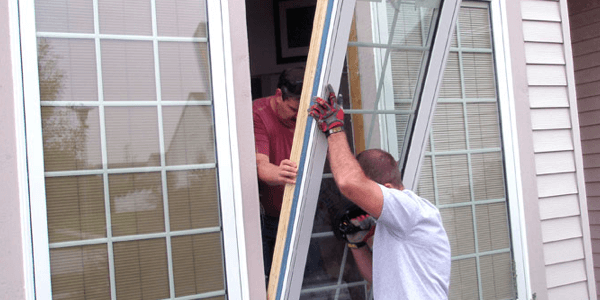
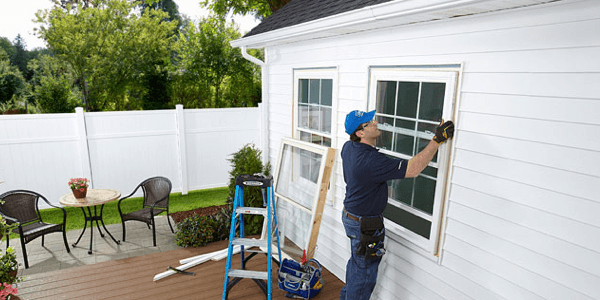
Involves fitting brand-new windows into either new construction or existing walls. This is essential when building or remodeling a home, with window installation costs ranging from $562 to $1,349, and an average of $824.
Major cost drivers include the size and type of the window, the material[8] (vinyl, wood, aluminum), and the difficulty of accessing the installation site.
Window Replacement Costs
This task includes removing old units and installing replacements that may have improved features, such as better insulation[9] or security. Typically, the costs to replace a window range between $338 and $2,502, with an average cost of $1,049.
Factors influencing price include:
- window size;
- frame material; and
- any required structural repair.
Custom Window Installation Costs
Custom window installation covers the installation of windows that deviate from standard shapes and sizes, such as arched, bay, or stained glass ones.
Costs vary from $1,175 up to $2,937, averaging around $1,871, as custom windows often require specialized design and fitting, making this one of the more expensive options.
Key cost considerations are the complexity of the design and materials used, as well as the craftsmanship involved.
Energy-Efficient Window Upgrade Costs
Energy-efficient window[10] upgrades are intended to improve a home's insulation and reduce cooling and heating costs[11] by installing double- or triple-pane windows with low-E coatings or gas fills.
This service ranges from $3,839 to $22,183 in cost, averaging near $11,711.
Pricing depends heavily on:
- window dimensions
- type of energy-saving technology; and
- installation complexity.
Windows Cost Per Hour: Estimated Quotes
In 2026, the hourly rates for window repair, installation, or maintenance vary depending on factors like location, complexity of the work, and the type of service required. You typically pay for labor on an hourly basis when the scope of work is uncertain or involves multiple tasks.

To give you a better idea, the hourly cost for window services usually covers labor only and does not include materials or window products.
For simpler tasks like minor repairs or window hardware replacement, rates tend toward the lower end of the spectrum. More complex jobs, such as custom window installations or energy-efficient upgrades, can command rates closer to or above the average.
Additionally, labor costs may vary if the contractor charges a flat rate for some services but bills hourly for troubleshooting or unexpected issues. Below is a breakdown of what hourly costs might represent
- Basic Repairs and Adjustments: Includes fixing broken locks, sealing drafty windows, or window screen replacement budget, generally closer to $39 to $91.
- Standard Installation Labor: The hourly labor related to installing new windows or replacing old ones, often around $63.
- Specialty Work or Custom Requests: For specialty window types like bay windows, stained glass, or custom shapes, the hourly rate can increase to $132 due to added expertise and time.
Considering these hourly rates can help you make informed decisions, especially when comparing quotes or estimating the total cost of projects where hours of labor are uncertain.
7 Factors That Affect the Price of Window Services
Several unique factors influence the overall cost associated with window services, beyond just the labor hourly rate, such as:
- Window Type and Material: Vinyl windows may be less costly to repair or install than wood or aluminum-framed units, which require specialized knowledge and tools.
- Window Size and Complexity: Larger windows or those with complicated designs[12], including bay, bow, or picture windows, take longer to install or repair, increasing the labor hours and materials needed.
- Access and Location: Windows located on higher floors or in hard-to-access areas, such as above stairwells or behind landscaping, can add complexity and labor time to the project.
- Scope of Work Required: The type of work required, whether it involves a simple glass replacement, complete window replacement, or custom modifications, significantly influences the labor intensity and hourly charges.
- Permit and Code Requirements: Some installations or replacements require permits or must comply with local building codes, which may add time and cost due to paperwork or home inspections.
- Season and Regional Differences: Labor rates and service availability can fluctuate based on the season and region, particularly in areas with extreme weather conditions or high demand.
- Contractor Experience and Reputation: Highly experienced or specialized contractors typically charge higher hourly rates reflecting their expertise, reliability, and quality of work.
Numbers 1 and 2 can have such a big influence on your window service investment that we have written a section detailing both of them. Keep reading to learn more!
Windows Cost by Type and Size Considerations
Larger windows or those with specialized features typically require more materials and labor, resulting in higher expenses. Below, you can see the average cost for common window replacements according to types and sizes in 2026.
Standard Single-Hung Windows Costs
Single-hung windows feature a fixed upper sash and a lower sash that moves vertically. They are typically more affordable due to their straightforward design and smaller size options.
- Best for: Bedrooms and bathrooms, as these windows offer ventilation and traditional styling.
- Cost Range: $288 to $720.
- Average Cost: $449.
Double-Hung Windows Costs
Double-hung windows allow both the upper and lower sashes to slide vertically, providing improved airflow control and easier cleaning access. They tend to be larger and more complex than single-hung units.
- Best for: Popular in living areas and kitchens, because they support versatile airflow and aesthetic appeal.
- Cost Range: $284 to $1,099.
- Average Cost: $672.
Casement Windows Costs
Casement windows are hinged on one side and open outward using a crank. Their size options vary widely, often larger than standard singles or doubles, especially in combination casement styles.
- Best for: Ventilation in kitchens and hard-to-reach areas, as casements often have higher upfront costs due to hardware and seal quality.
- Cost Range: $440 to $1,787.
- Average Cost: $783.
Picture or Fixed Windows Costs
Picture windows are large, fixed panes designed to maximize natural light without opening functionality. Because of their size, they often carry higher price tags compared to operable windows.
- Best for: Unobstructed views and living room walls, as these windows require sturdy framing to support their dimensions.
- Cost Range: $418 to $1,330.
- Average Cost: $975.
Bay and Bow Windows Costs
Bay and bow windows are larger, multi-panel assemblies that project outward from the exterior wall. Due to their size and structural requirements, they typically represent the higher end of window costs.
- Best for: Living spaces with panoramic views, as they add architectural interest but involve more complex installation and materials.
- Cost Range: $1,590 to $8,484.
- Average Cost: $3,871.
Emergency Window Replacement Prices
Broken windows caused by storms, accidents, or break-ins often require immediate attention to restore home security and prevent further damage. Emergency window replacement costs more than scheduled work, as they involve after-hours labor, rapid response, and temporary fixes if needed. Understanding these costs helps you prepare for unexpected situations.

The graph above shows the national average for emergency window replacement costs, but the real quotes may vary depending on your region.
Warranty and Maintenance Cost Considerations
Long-term window costs extend beyond installation and include warranty and maintenance expenses. Most manufacturers offer warranties for defects, usually limited to lifetime coverage, while professional installation may also provide labor warranties. Maintenance costs can involve:
- cleaning and lubricating hardware;
- re-caulking or weatherstripping;
- glass or hardware repairs outside warranty; and
- potential professional inspections for early issue detection.
Take a look at the cost breakdown for these factors:
| Type of Labor | Cost | Details |
|---|---|---|
Manufacturer Warranty Cost | $127 - $398 | Optional extended warranty fees |
Installation Labor Warranty | $81 - $328 | Coverage for repair labor for a limited time |
Routine Maintenance | $131 - $274 | Average cost for annual cleaning/inspection |
Repairs & Replacements | $131 - $795 | Charges for out-of-warranty fixes or parts |
When it comes to these topics, you should compare warranty length, coverage details, and claim processes. Premium warranties can add upfront cost but provide peace of mind and reduce future expenses.
DIY vs. Professional Windows Costs: The Real Deal
While handling windows yourself might seem like a straightforward cost-cutting measure, it is important to weigh the true expenses involved. DIY window projects often start with low immediate costs but can quickly escalate due to unforeseen challenges, mistakes, or the need for specialized tools.
On the other hand, hiring a professional ensures your windows are installed or repaired correctly the first time, which saves time, avoids costly errors, and offers peace of mind backed by warranties.

Risks of Attempting DIY Windows
- Incorrect installation that leads to drafts, water damage, or security flaws
- Lack of specialized tools needed for proper fitting and sealing
- Potential injury due to handling glass and heavy window units
- No warranty or guarantee on your work, which increases future repair expenses
Advantages of Hiring a Qualified Professional
- Expert assessment ensures the right type of window and installation method
- High-quality workmanship reduces the risk of drafts, leaks, and damage
- Faster project completion to minimize disruption
- Manufacturer warranties and service guarantees offer lasting protection and peace of mind
Choosing professional window services often results in greater long-term value by combining reliability and performance, something DIY projects rarely match.
How to Save on Windows Costs Without Doing It Yourself
Smart strategies can help you get quality work done without overspending and without making you deal with equipment and stuff you do not really know how to use.
Here are practical ways to reduce your project expenses:
- Compare multiple quotes from trusted professionals to find competitive pricing
- Schedule projects during off-peak seasons when contractors may offer discounts
- Prioritize window repairs over full replacements when possible to extend window life
- Consider energy-efficient models that qualify for rebates or tax incentives
- Bundle window services with other home improvements to negotiate better rates
- Install low‑e storm windows, as they can yield $113 - $464 annually in savings[13]
For a seamless experience and the best value on your window project, talk to qualified home service experts. Homeyou pros offer transparent pricing, guaranteed workmanship, and personalized service, ensuring your windows perform perfectly without breaking the bank.
Get your free estimate today and make your home brighter, more efficient, and more beautiful!
References
[1] Carmody, John et al. "Residential Windows: A Guide to New Technologies and Energy Performance." (1996).
[2] Facts on the Fence | Office of Justice Programs. www.ojp.gov/ncjrs/virtual-library/abstracts/facts-fence.
[3] Vatin, Nikolay, and Olga Gamayunova. "Choosing the Right Type of Windows to Improve Energy Efficiency of Buildings." Applied Mechanics and Materials, vol. 633-634, Sept. 2014, pp. 972-76. https://doi.org/10.4028/www.scientific.net/amm.633-634.972.
[4] U.S. Department of Energy. "Update or Replace Windows." Energy Saver, U.S. Department of Energy,
2026. https://www.energy.gov/energysaver/update-or-replace-windows.
[5] Baker, P. Measure Guideline: Window Repair, Rehabilitation, and Replacement. 1 Dec. 2012, https://doi.org/10.2172/1060622.
[6] McCall, James D., et al. Cost Modelling for Energy Efficient Window Replacements. 11 Apr. 2019, https://doi.org/10.2172/1507690.
[7] U.S. Department of Energy. "Storm Windows." Energy Saver, U.S. Department of Energy, 2026. https://www.energy.gov/energysaver/storm-windows.
[8] U.S. Department of Energy. "Window Types and Technologies." Energy Saver, U.S. Department of Energy, 2026. https://www.energy.gov/energysaver/window-types-and-technologies.
[9] Miller, B. Window Insulation: How to Sort Through the Options. 1 Mar. 1984, https://doi.org/10.2172/5038165.
[10] Selecting Windows for Energy Efficiency. 1 May 1997, https://doi.org/10.2172/291035.
[11] Frost, K., et al. Savings From Energy Efficient Windows: Current and Future Savings From New Fenestration Technologies in the Residential Market. 1 Apr. 1993, https://doi.org/10.2172/6214476.
[12] Bostancioğlu, Esra and Benihan Telatar. "Effect of Window Size on Residential Buildings' Energy Costs." (2013).
[13] "Do-It-Yourself Savings Project: Install Exterior Storm Windows With Low-E Coating." Energy.gov, www.energy.gov/energysaver/do-it-yourself-savings-project-install-exterior-storm-windows-low-e-coating.