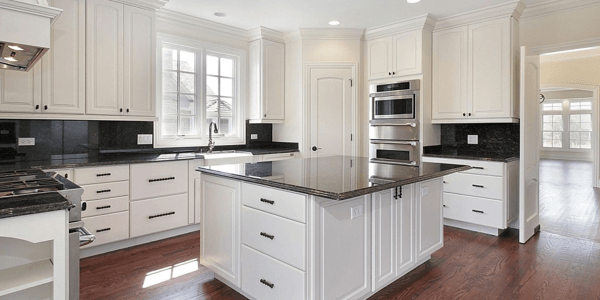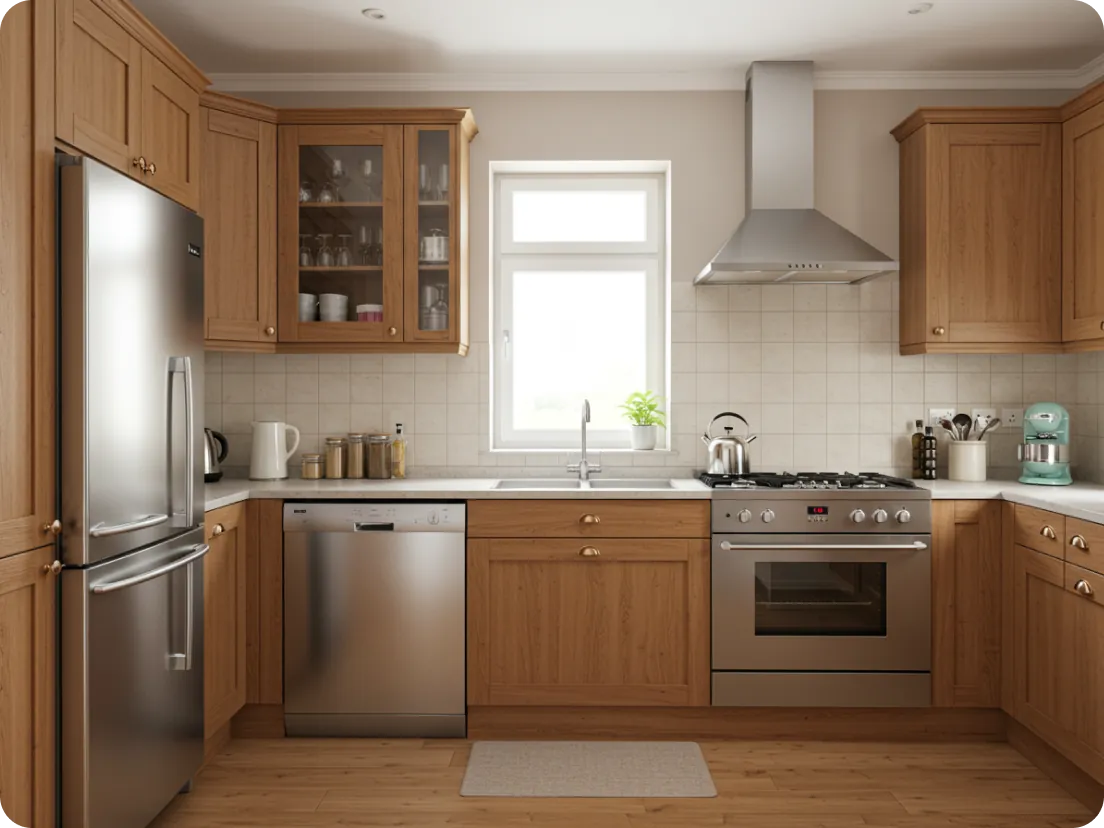


The price of cabinets in 2026 varies depending on factors such as materials, design complexity, and installation requirements. Typically, you can expect to spend anywhere from $578 up to $29,614, with an average cost around $8,825.
According to the Better Homes & Gardens Magazine, updating or adding cabinetry is consistently cited by designers as a top ROI contributor, with options like cabinet refacing, painting, or hardware upgrades delivering dramatic visual impact at a comparatively low cost.
For readers, this underscores that understanding the cost of kitchen cabinets is not just about budgeting; it is about investing in one of the most influential levers in kitchen transformation.
Use this guide to explore the full range of cabinet costs in 2026, from basic installations to high-end custom designs. Learn what drives prices up or down, what to expect at each budget level, and how to make choices that align with both style and practicality!
Types of Cabinets, Services, and Costs
Cabinet services cover a wide range of options, from installation and replacement to custom cabinetry and refinishing. Costs can vary significantly depending on the size and complexity of the project, the materials used, labor intensity, urgency, and your geographic location[1].
| Type of Service | Cost | Features |
|---|---|---|
Custom Kitchen Cabinetry | $13,502 - $48,237 | Tailored cabinets designed to fit your kitchen's exact specifications and style preferences. |
Stock Cabinet Installation | $3,943 - $13,375 | Installation of pre-manufactured, ready-to-install cabinets available in standard sizes and finishes. |
Cabinet Refacing | $4,215 - $10,306 | Updating cabinet appearance by replacing doors and veneers without full replacement. |
Bathroom Vanity Replacement | $486 - $3,349 | Removing and installing a new bathroom vanity to update the style or functionality. |
Built-in Bookcase Installation | $1,380 - $4,910 | Custom or semi-custom built-in bookcases installed to suit specific wall spaces or design needs[2]. |
Cabinet Painting/Repainting | $979 - $5,423 | Applies a fresh coat of paint to existing cabinets, restoring their appearance and updating the style. Suitable for wood, MDF, or laminate surfaces. |
Read more


Kitchen Cabinet Costs
Custom kitchen cabinetry[3] involves designing and building cabinets specifically for your kitchen layout, often using premium materials and finishes. This service is ideal when you require optimal space utilization or unique stylistic elements.
Expect pricing typically ranging from $13,502 to $48,237, with an average around $26,562, varying according to the cabinet size, choice of wood or materials, hardware, and complexity of design.
Cabinet Refacing Costs
Cabinet refacing is a cost-effective alternative to full replacement where existing cabinet boxes remain intact, but doors, drawer fronts, and veneers are replaced to give a fresh look, perfect for kitchens or bathrooms[4] with good structural condition but outdated design.
The cost range generally falls between $4,215 and $10,306, averaging near $7,362. Material quality, cabinet size, and extent of repairs needed influence final pricing.
Cabinet Installation Costs
Cabinet installation refers to the labor involved in securely mounting new or refaced materials, ensuring proper alignment, functionality, and visual consistency. This service is typically performed by experienced contractors or carpenters and may include tasks such as leveling, securing to wall studs, adjusting doors, and installing hardware.
Installation costs usually range from $3,943 to $13,375, with an average near $7,631.
The final price depends on:
- the number of cabinets;
- the complexity of the layout;
- wall conditions; and
- whether any additional preparation or customization is required.
Keep in mind that high-end or custom cabinetry may require more intricate and time-consuming installation[5], which can raise overall labor costs.
Average Cost of Kitchen Cabinets per Hour
Hourly rates for cabinet-related work can vary depending on the scope of services, the expertise of the contractor, and the region. The graph below shows you the national average for the main services.

Hourly cabinet work involves a range of specialized tasks depending on the service. Standard installation includes measuring, assembling, and fitting cabinetry with precision.
Repair and refinishing work, on the other hand, may require additional attention to detail, especially when addressing material damage or wear, while custom cabinet making tends to involve the most skilled labor, as it includes crafting tailored pieces designed to fit unique layouts and design requirements.
To get the best value, you should request detailed quotes that specify hourly rates and estimated project hours. This transparency helps avoid surprises and ensures that both labor and material costs are clearly understood.
7 Main Factors That Affect Cabinet Cost
Several factors unique to cabinet services can significantly impact the overall expense. Here are the main ones:
- Material Type: Exotic hardwoods or durable engineered materials typically cost more than standard wood options.
- Cabinet Design Complexity: Simple box cabinets generally cost less than intricate designs with detailed molding, custom door styles, or specialty finishes.
- Size and Quantity of Cabinets: Larger kitchens or additional cabinetry pieces naturally require more labor and materials, increasing total costs.
- Custom vs. Stock Cabinets: Stock cabinets are pre-manufactured and usually less expensive[6], whereas custom cabinetry is tailored to specific dimensions and design preferences, leading to higher prices.
- Labor Rates and Contractor Experience: Hourly rates vary by location and the expertise level of the cabinet installer or carpenter, with highly skilled professionals charging premium rates[7].
- Installation Complexity: Factors like uneven walls, the need for structural modifications, or integration with appliances add to installation difficulty and labor time.
- Finishing and Hardware Upgrades: Specialty finishes, paint, stains, and high-end hardware such as handles and hinges also increase the overall cabinetry cost.
Identifying which of these factors apply to your project will help you obtain accurate estimates and make informed decisions on where to invest your budget.
Cabinets Cost Based on Type and Size
Larger cabinets or more complex configurations naturally require more materials and labor, which drives pricing higher. Similarly, the chosen type, such as custom, semi-custom, or ready-to-assemble, influences not just the design possibilities but also how much you will invest per square foot or linear foot.
Below, you see a breakdown of common cabinet categories by size and type to give you a clearer picture of what to expect in 2026.
Standard Base Cabinets
Standard base cabinets are the foundational units typically installed beneath countertops. They usually measure 34.5 inches tall and about 24 inches deep, with widths varying based on kitchen layout.
- Description: These cabinets provide essential storage for pots, pans, and kitchen essentials, offering a good balance of capacity and accessibility.
- Cost Range: $168 to $516 per linear foot
- Average Cost: $356 per linear foot
Wall Cabinets
Wall cabinets are mounted above countertops or appliances and are generally shallower but taller than base cabinets.
- Description: Designed to maximize vertical storage without occupying floor space, wall cabinets usually range from 12 to 24 inches deep and can be customized in height.
- Cost Range: $164 to $485 per linear foot
- Average Cost: $326 per linear foot
Tall or Pantry Cabinets
Tall cabinets or pantry units extend from floor to ceiling and offer significant storage capacity in a compact footprint.
- Description: These large vertical cabinets typically measure 84 to 96 inches high, often housing pantry items or built-in appliances.
- Cost Range: $292 to $618 per linear foot
- Average Cost: $420 per linear foot
Custom Cabinets
Custom cabinets are tailored to fit unique spaces or design preferences, allowing complete customization of size, materials, finishes, and hardware[8].
- Description: Ideal for irregular layouts or high-end designs, custom cabinets generally involve detailed craftsmanship and premium materials[9].
- Cost Range: $526 to $1,426 per linear foot
- Average Cost: $988 per linear foot
Ready-to-Assemble (RTA) Cabinets
Ready-to-assemble cabinets are pre-manufactured units[10] shipped flat and require homeowner or contractor assembly on site.
- Description: Often the most economical option, RTA cabinets come in standard sizes and limited finishes but save on labor costs.
- Cost Range: $114 to $489 per linear foot
- Average Cost: $188 per linear foot
Additional Costs for Cabinet Installation
Cabinet installation costs can vary widely based on several factors, including the type and quality of cabinets, the complexity of the installation, and regional labor rates. Typically, professional installers charge either by the hour or as a flat fee based on the total project scope.
| Installation | Cost | Details |
|---|---|---|
Labor | Hourly rate, installer experience | $42 - $82 |
Material type | Stock, semi-custom, custom | $218 - $1,255 |
Removal and disposal | Old cabinets removal, hauling fees | $152 - $440 |
Additional modifications | Drywall repair, plumbing/electrical adjustments | $184 - $723 |
The material type is one of the factors that need your full attention!
Cabinet Material Comparison and Costs
The choice of cabinet material significantly impacts both the overall cabinet cost and long-term durability. Below is an overview of common materials and relative cost considerations for you:
| Material Type | Cost | Details |
|---|---|---|
Laminate | $3,867 - $7,427 | Budget-friendly, synthetic surface. Moderate durability, susceptible to chipping and heat damage |
Solid Wood | $6,776 - $18,962 | Classic, premium look and feel. High durability, can be refinished, but sensitive to moisture |
Plywood | $4,984 - $10,507 | Engineered wood, stable and strong. Durable with less warping; moderate maintenance required |
MDF | $1,508 - $8,074 | Medium-density fiberboard, smooth finish. Less durable than wood, can swell with moisture |
Metal | $4,098 - $10,406 | Industrial style, highly durable. Very durable and low-maintenance, but higher upfront cost |
Selecting materials aligned with intended cabinet use (e.g., heavy-duty storage, kitchen vs. bathroom) affects long-term satisfaction and costs, so keep these details in mind when choosing the best option for your bathroom or kitchen remodeling project.
Cost of Cabinet Maintenance and Repairs
Maintenance and repair are important considerations for cabinet longevity and preserving investment value. These costs can vary depending on the type of damage and material.
| Type of Labor | Cost | Details |
|---|---|---|
Surface Refinishing for Wood and Laminate Cabinets | Area size, finish type, labor complexity | $2,004 - $4,527 |
Hardware Replacement | Number of pieces, hardware quality | $28 - $74 |
Structural Repair | Damage extent, replacement parts needed | $239 - $1,561 |
Cleaning and Touch-ups | Frequency and materials used | $94 - $214 |
Cabinet maintenance and repair services cover a range of essential tasks that help keep your cabinetry functional and looking its best. Refinishing or repainting restores the surface of worn wood or laminate, bringing back its original appeal.
Replacing hardware such as hinges and drawer slides ensures smooth operation and prevents everyday frustrations, while structural repairs, like fixing warped doors or broken shelves, address deeper damage that can affect usability.
Finally, regular cleaning and small touch-ups not only enhance appearance but also extend the life of the cabinets by preventing deterioration. Together, these services maintain both the integrity and aesthetics of your space.
Hidden Costs of Cabinetry Projects
Costs can also be influenced by the type of junk or debris to be removed during renovation or replacement phases. For example:
- Appliances integration involves intricate cabinet alterations, increasing labor.
- Electronics embedded in cabinet systems may require special disposal.
- Furniture-style cabinetry might incur higher repair costs due to custom craftwork and finish.
- Yard debris or construction waste from outdoor cabinetry or shed installations requires add in junk removal cost.
Do not forget to take these into account when budgeting for cabinetry projects.
DIY vs. Professional Cabinets Costs Explained
Whether you are doing it yourself or counting on a cabinetry professional, there are some costs to calculate once you start your project. Here is a breakdown of common prices to compare which way to go.

Risks of Attempting DIY Cabinets
- Misaligned or poorly secured cabinets can lead to costly repairs and replacements.
- Lack of experience may result in improper measurements, causing material waste and delays.
- Time investment is often underestimated, potentially interfering with your daily schedule.
- Safety hazards due to handling power tools and heavy materials without proper training.
Advantages of Hiring a Qualified Professional
- Professionals bring experience and specialized tools, ensuring a precise fit and finish.
- Project completion is faster and more efficient, saving you time and stress.
- Access to industry-grade materials and possible discounts on hardware and supplies.
- Professionals often provide warranties, adding protection to your investment.
Also, professional cabinet installation ensures quality workmanship, saves time, and often proves more economical over the long term, especially for complex tasks or remodeling projects. Choosing a professional cabinet installer not only mitigates the risks, but often results in a higher-quality, longer-lasting outcome that justifies the initial cost difference.
How to Save on Cabinet Costs
With a few practical strategies, you can manage your budget without sacrificing quality or having to do it yourself. Here they are:
- Plan Thoroughly Before Purchasing: Measure your space accurately and finalize your cabinet style to avoid costly changes mid-project.
- Choose Semi-Custom or Ready-To-Assemble Cabinets: These options provide style and durability at a lower cost than fully custom-built cabinets.
- Reuse Existing Cabinet Boxes or Hardware: When possible, refinishing or updating what you already have can significantly reduce expenses.
- Opt for Less Expensive Materials: Solid wood faces with plywood boxes often strike a good balance of quality and price.
- Schedule Work During the Off-Season: Contractors may offer better rates in slower months, reducing labor costs.
- Bundle Multiple Services: Hiring professionals for both installation and finishing at once may qualify you for discounts.
Remember, the best way to get a competitive price and quality workmanship is to hire a professional through a trusted platform. Contact or hire a pro via homeyou to compare local cabinet installers, read reviews, and get the best deal tailored to your project needs!
Refacing works best when cabinet boxes are sturdy, square, and firmly anchored, with no major water damage or sagging. If doors look dated but the structure is sound, refacing is usually viable. If layouts must change or boxes are failing, replacement is the safer long-term choice.
Ask for a line-item quote covering demolition and disposal, site protection, leveling and shimming, hardware installation, filler panels, trim and molding, and any modifications for plumbing or appliances. Confirm who handles delivery inspection, damage claims, and final adjustments like door alignment and drawer tuning.
They can. Changing cabinet heights, depths, or layout may force countertop replacement and backsplash repairs. If flooring does not extend under existing cabinets, replacing them can reveal unfinished areas. Ask your contractor to assess clearances, overhangs, and transitions before ordering cabinets or scheduling tear-out.
Timeline depends on cabinet type and job complexity. Ordering and delivery can take weeks, especially for custom or specialty finishes. Installation often takes several days, but related work such as drywall repair, painting, countertops, and hardware can extend completion. Build in time for corrections or backordered parts.
Solid wood is strong and repairable but can expand and contract with humidity. Cabinet-grade plywood is stable and durable for boxes. MDF is smooth and excellent for painted doors but can swell if water penetrates. Particleboard is economical yet most vulnerable to moisture and fastener loosening over time.
RTA cabinets can perform well if the construction, hardware, and assembly are solid. They are a poor fit when you need unusual sizes, complex layouts, or fast turnaround without time for careful assembly. Improper squaring, weak fasteners, or rushed installation can cause long-term alignment problems.
Measure walls in multiple spots, not just one point, and note out-of-plumb corners and uneven floors. Record ceiling height, window and door trim projections, and appliance specs. Confirm plumbing and electrical locations. A professional field measurement or final verification after demo can prevent costly reorder issues.
Clean with mild soap and water, avoiding harsh abrasives that dull finishes. Wipe spills quickly, especially near sinks and dishwashers, and use ventilation to reduce humidity. Periodically tighten hinges and pulls, lubricate drawer slides if recommended, and touch up small chips early to prevent moisture intrusion.
References
[1] Cabinetry Buyer's Guide - Cabinet Makers Association. www.cabinetmakers.org/cabinetry-buyers-guide.
[2]
Help Sellers With Built-Ins. 13 Sept. 2017, www.nar.realtor/magazine/real-estate-news/home-and-design/help-sellers-with-built-ins.
[3] What's 'In' and 'Out' in the Kitchen: 10 Trends to Watch. 14 Mar. 2011, https://www.nar.realtor/blogs/styled-staged-sold/what%E2%80%99s-%E2%80%98in%E2%80%99-and-%E2%80%98out%E2%80%99-in-the-kitchen-10-trends-to-watch.
[4] Add a Color Punch to That All-White Bathroom. 4 Sept. 2023, www.nar.realtor/blogs/styled-staged-sold/add-a-color-punch-to-that-all-white-bathroom.
[5] "CABINETRY - Basis of Design." Basis of Design, www.poahbod.org/cabinetry#cabintery-general-information.
[6] Stock Cabinets Save Money on Kitchen Redos. 11 Oct. 2013, www.nar.realtor/blogs/styled-staged-sold/stock-cabinets-save-money-on-kitchen-redos.
[7] U.S. Bureau of Labor Statistics. "Occupational Employment and Wages: Carpenters." U.S. Bureau of Labor Statistics, May 2023, https://www.bls.gov/oes/current/oes472031.htm.
[8] "What Do Home Owners Want From a Remodel?" NAHB, 8 Dec. 2022, www.nahb.org/blog/2022/12/sponsored-what-home-owners-want-from-a-remodel.
[9] Hot Home Accent: Woven, Mesh Cabinet Details. 17 Feb. 2026, www.nar.realtor/blogs/styled-staged-sold/hot-home-accent-woven-mesh-cabinet-details.
[10] "More Builders Are Saving Time and Money With Pre-Finished Millwork." NAHB, 4 Oct. 2024, www.nahb.org/blog/2024/10/sponsored-metrie.