
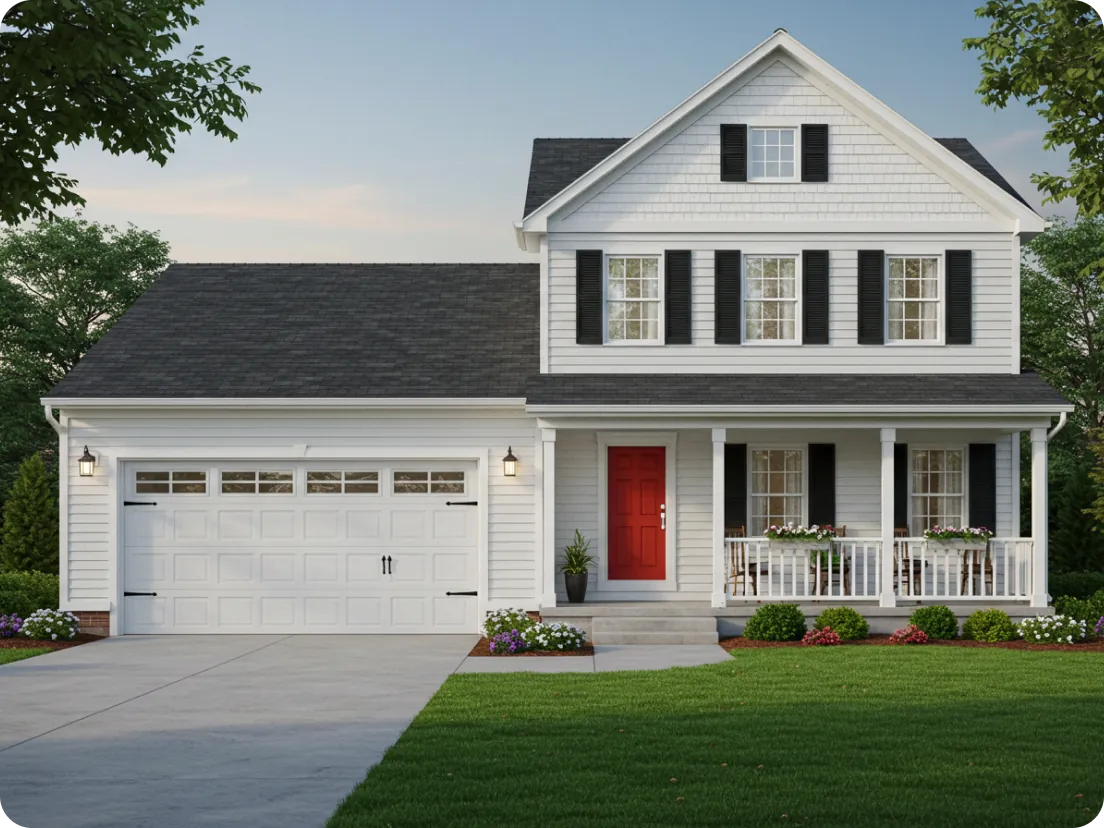


The price of siding a property includes factors such as material choice, labor, and the size and condition of your property. In 2026, you can expect siding costs to range from $6,745 on the low end to $23,661 for premium options, with an average around $12,939.
Beyond the initial siding installation cost, consider the long-term value and peace of mind that a professional brings. Experienced contractors possess a nuanced understanding of building codes, proper moisture barriers, and crucial expansion and contraction considerations that are often overlooked in DIY projects.
This guide aims to demystify the core components of commercial and house siding costs, providing clarity on various price points and their underlying influences. Ultimately, you will gain the expertise required to confidently select siding contractors, ensuring that the investment reflects both exceptional workmanship and sound budgetary considerations.
Key takeaways
Siding costs generally range from $6,745 to $23,661, accommodating various budgets.
Affordable siding options are available around $5,284, but may differ in durability and appearance.
Premium siding materials and complex installations can push costs closer to $33,040.
The average siding project cost sits near $12,939, reflecting a balance of quality and value.
Siding Types: Materials and Costs of Services
Siding[1] refers to the various exterior materials applied to a home's walls to protect against weather, enhance curb appeal, and improve insulation. Common siding services include installation, repair, replacement, and maintenance across a range of materials such as vinyl, wood, fiber cement, and metal.
| Type of Service | Cost | Features |
|---|---|---|
Vinyl Siding Installation | $6,745 - $18,174 | Durable and low-maintenance siding made from PVC panels[2]. Installation involves attaching panels over existing or new wall structures. |
Wood Siding Replacement | $13,899 - $39,258 | Replacing aged or damaged wood siding with new timber planks or shingles, often requiring surface preparation and finishing. |
Fiber Cement Siding Installation | $9,733 - $24,789 | Strong, fire-resistant panels applied to exterior walls, typically heavier and requiring specialized tools for installation. |
Aluminum Siding Repair | $414 - $1,931 | Fixing dents, scratches, and corrosion on metal panels, often involving patching or panel replacement. |
Stucco Siding Application | $13,741 - $33,246 | Applying a plaster-like finish over lath to create a durable, textured exterior surface favored in dry climates. |
Read more


Vinyl Siding Installation Costs
Vinyl siding installation involves placing PVC panels over the exterior walls[3] to create a weather-resistant and attractive home facade. This service is typically chosen when building new homes or upgrading existing siding due to vinyl's affordability and low maintenance.
Prices for this sort of service range from $6,745 to $18,174, with an average of $12,509. Key cost factors include the size of the home, architectural complexity, and the quality or style of vinyl selected.
Wood Siding Replacement Costs
Wood siding replacement entails removing old or damaged wood boards and installing new timber planks or cedar shingles, which is often required for homes with rotting, warped, or pest-damaged wood siding[4].
Pricing varies from $13,899 to $39,258, with an average near $23,661, and the main cost drivers are the extent of damage, wood type, and whether repainting or sealing is included.
Fiber Cement Siding Installation Costs
This sort of coverage uses cement-based panels reinforced with cellulose fibers, offering durability and fire resistance, which makes it a popular option for homeowners seeking a long-lasting alternative to wood or vinyl.
Installation costs fall between $9,733 and $24,789, averaging $15,519.
Factors that might influence the final quote include:
- panel thickness;
- wall surface prep; and
- labor intensity due to heavier materials.
Siding Cost Per Hour: National Average
Siding contractors generally charge based on labor time for tasks such as the removal of old siding, the preparation of the wall surface, and the installation of new siding material. Hourly rates for siding work often vary depending on the region, contractor expertise, and the job complexity[5].
Most siding professionals charge an hourly rate that reflects factors including:
- material handling;
- equipment use; and
- equired skill level.
The graph below will help you estimate labor costs separate from the price of materials, which can vary widely depending on the siding type chosen.

To give additional context, siding installation hourly rates tend to fall within a broad range due to varying job complexities. Simple repairs or patching may be billed at the lower end, while full siding replacement requiring scaffolding setup, intricate trim work, or working at greater heights usually drives up labor charges.
Here are more details about what influences hourly siding costs:
- Basic labor tasks like cleaning and prepping can have lower hourly fees.
- Skilled installation work, such as applying specific siding types (fiber cement, cedar shingles), generally commands higher hourly rates.
- Local market conditions, including labor demand, affect typical hourly prices, with urban areas often experiencing higher costs than rural locations.
- Hourly rates may cover only labor; additional fees might apply for materials, disposal of old siding, or specialty finishes.
Besides these ratings, other factors have to be taken into account once you are quoting to side a house.
7 Factors That Affect Siding Prices
While material choice plays a significant role, other variables tied to the specifics of the property and project details influence total pricing, such as:
- Type of Siding Material: Different siding materials vary drastically in price and installation difficulty. Vinyl siding typically offers lower material and labor costs, whereas fiber cement, wood, or engineered siding options usually require more time and specialized tools, increasing costs.
- Siding Removal and Preparation: Whether old siding needs to be removed or the wall surface requires repairs or insulation upgrades[6] before installation affects labor intensity and cost. Removing old siding can be labor-intensive and adds to the overall time spent.
- Project Size and Home Complexity: Larger homes or those with intricate architectural features require more siding material and labor time. Multi-story homes often need scaffolding or lifts, which add setup time and expense.
- Labor Rates in Your Location: Contractor hourly rates differ by region, reflecting local wage standards and demand for construction services. Urban areas typically have higher labor costs than rural locations.
- Accessibility and Work Conditions: Difficult-to-reach areas, such as steep roofs or tight spaces, can result in slow installation and increase labor hours. Weather conditions and the time of year can also impact efficient scheduling, influencing costs.
- Additional Services and Customization: Extras like trim installation, window flashing, decorative accents, painting projects, or applying weather barriers add to total labor and material costs.
- Contractor Experience and Reputation: Established contractors with strong reputations may charge premium rates for their workmanship and reliability. Less experienced installers might provide lower bids, but this could also affect quality and potential future repair costs.
The topic below will address item number three, which can have the most significant impact on your budget.
Understanding Siding Costs by Type and Project Size
When budgeting for siding installation or replacement, the overall cost is strongly influenced by the type of siding material chosen and the size or scale of the project. Larger homes or multi-story buildings typically require more materials and labor, which raises the expense.
Likewise, the structural complexity, including wall configurations, the number of windows, and architectural details, also plays a significant role in determining final pricing.
Below, you can see examples of common siding types and project sizes to help you better anticipate what your specific job might cost.
Small Single-Family Home Siding
This category generally covers homes with a total exterior siding area that falls under a smaller footprint, such as cottages or bungalows.
- What the Contractor Would Do: A smaller home usually means fewer square feet of surface area to cover, often with straightforward wall shapes and fewer corners or window projects to work around.
- Cost Range: $5,779 to $16,452.
- Average Cost: $11,156.
Medium-Sized Standard Suburban Home
Homes with two stories or moderate square footage often fit into this category, involving more siding material and potentially more complex labor.
- What the Contractor Would Do : Moderate-sized homes typically have more exterior walls, a mix of windows and architectural features, and might require additional preparation work.
- Cost Range: $7,242 to $28,044.
- Average Cost: $16,447.
Large or Multi-Story Residential Properties
For larger homes, especially those with multiple stories, more intricate designs, or expansive exterior surfaces, siding costs increase substantially.
- What the Contractor Would Do: These projects demand more materials and typically more labor hours. Installation may also require specialized equipment for height and maneuverability.
- Cost Range: $18,174 to $39,864.
- Average Cost: $27,674.
Custom or Architecturally Complex Siding Projects
This type involves properties with custom designs, unusual wall angles, extensive trim work, or integrated features like porches and dormers.
- What the Contractor Would Do: Custom siding jobs often require skilled craftsmanship, tailored materials, and longer installation times, leading to higher costs.
- Cost Range: $18,354 to $44,077.
- Average Cost: $27,193.
Commercial or Multi-Unit Residential Siding
While primarily residential-focused, some jobs include multi-unit buildings or mixed-use properties where siding scale and complexity differ from single-family homes.
- What the Contractor Would Do: Larger projects with multiple units or commercial components usually involve a bulk amount of siding material and coordination for minimal disruption.
- Cost Range: $32,817 to $123,151.
- Average Cost: $69,321.
Examples of Siding Installation Costs: Detailed Price Range by Material
Understanding the typical price range for siding projects helps you budget effectively and compare quotes from contractors. Siding costs vary significantly depending on the material type, home size, and project complexity.
The following table illustrates example cost ranges based on popular siding materials and installation types:
| Installation | Cost |
|---|---|
Vinyl Siding | $4 - $12/square foot |
Fiber Cement Siding | $6 - $15/square foot |
Wood Siding | $6 - $18/square foot |
Metal Siding | $4 - $18/square foot |
These figures typically cover material purchase and labor but vary based on the home's size and customization.
Additional Costs Besides Installation
Beyond the basic installation expense, several additional costs can impact the total siding project budget.
- Removal and Disposal of Old Siding: Removing existing siding is often necessary before installing new material. This process can add labor and demolition costs, with a total price around $2,273 per service.
- Repair of Underlying Structures: Damaged sheathing, insulation, or framing identified during removal may require repair or replacement, increasing costs and reaching an average of $127 per hour.
- Permits and Inspections: Some locations mandate permits and inspections for siding replacement projects, incurring fees that average $284.
- Upgrades or Enhancements: Adding insulation[7], vapor barriers, or custom trim details may add to both material and labor costs, with costs ranging around $1,581 per insulation upgrade and $1,396 per trim installation.
- Cleanup and Site Preparation: Pre-installation site prep and junk removal post-installation might be charged separately by contractors, with an average price of $362 per clean-up round.
- Additional Work on Exterior Features: Adjustments or refinishing to windows, doors, and gutters costs to accommodate new siding could raise the overall expense, reaching an hourly rate of around $89.
Factoring in these ancillary costs ensures a more accurate picture of total project expenditure and helps you avoid budget surprises during siding installation.
DIY vs. Professional Siding Expenses: Things to Consider
When considering siding projects, many homeowners weigh the option of doing it themselves versus hiring a professional, but although the DIY route may seem like a way to save money upfront, it often comes with hidden costs and challenges that can make professional services a wiser investment.

This comparison illustrates how DIY costs generally cover purchasing materials and necessary tools, which can add up quickly, while professional siding installation prices reflect not just labor but expertise, efficiency, and guarantees that can significantly reduce long-term expenses.
Attempting DIY siding carries risks such as improper installation, which can lead to water damage[8], reduced insulation efficiency[9], and costly repairs down the line. Additionally, lacking professional experience can extend project timelines considerably and increase safety hazards.
On the other hand, hiring a qualified siding contractor brings several important advantages:
- Expertise & Quality: Professionals ensure the siding is installed correctly the first time, protecting your home's structure and appearance.
- Time Efficiency: What might take weeks for a DIYer can be completed in days by an experienced crew.
- Safety: Working on exterior walls, often at heights, requires knowledge and equipment that professionals have to prevent accidents.
- Warranty & Insurance: Most contractors provide warranties on workmanship and carry insurance, offering peace of mind against unexpected issues.
Ultimately, while DIY may lower initial costs, professionals offer a safer, faster, and more reliable solution that often proves more cost-effective over time.
Effective Tips on How to Save on Siding Costs
Saving on siding does not mean cutting corners; it means making smart choices that maximize value without compromising quality. Here are some practical tips you can use to reduce your siding expenses in 2026:
- Compare Multiple Quotes: Getting at least three estimates from different siding professionals helps you identify competitive pricing and avoid overpaying.
- Choose Cost-Effective Materials: Some siding options offer great durability and appearance at a lower price point. Research materials that fit your budget while meeting your needs.
- Schedule During Off-Peak Seasons: Contractors may offer discounts or better availability during slower times of the year.
- Consider Partial Repairs or Replacement: If only a section of siding is damaged, repairing rather than replacing the entire home exterior can save money.
- Do Prep Work Yourself: Tasks such as removing old siding or clearing the work area can reduce labor hours billed by professionals.
- Check for Local Incentives: Some areas provide rebates or incentives for installing energy-efficient siding[10].
For the best combination of quality, safety, and value, it is wise to hire a siding professional. At homeyou, you can connect with trusted contractors offering competitive prices and reliable service, helping you get the best deal on your siding project without any hassle. Contact the pro you need today to start your project ASAP!
References
[1] Manning, Maurice. "Siding." Yale University Press eBooks, 2017, pp. 34-35. https://doi.org/10.12987/9780300138184-026.
[2] Sangrutsamee, Vachira, et al. "Thermal and Sound Performance of New PVC Prefabricated Wall Panel With Log Home Style." International Journal of Building Urban Interior and Landscape Technology (BUILT), vol. 21, no. 1, Apr. 2023, pp. 7-18. https://doi.org/10.56261/built.v21.247646.
[3] The Rehab Guide Volume 2: Exterior Walls | HUD USER. www.huduser.gov/portal/publications/destech/walls.html.
[4] Waltz, Miles E., and Peter E. Nelson. "Wood Siding Weather Protection: Don't Get Caught in the Rain Without It." Journal of Thermal Envelope and Building Science, vol. 22, no. 4, Apr. 1999, pp. 285-302. https://doi.org/10.1177/109719639902200405.
[5] U.S. Bureau of Labor Statistics. "Occupational Employment and Wage Statistics: Construction Laborers." BLS.gov, www.bls.gov/oes/current/oes472061.htm.
[6] Liaukus, Christine. "Re-Side Right: A Systems Approach to High-Performance Re-Siding Projects." (2023), https://www.osti.gov/servlets/purl/2204012/.
[7] "Re-siding Ext Insulation." PNNL, www.pnnl.gov/projects/re-siding-ext-insulation.
[8] Residential Building Enclosure | WBDG - Whole Building Design Guide. www.wbdg.org/resources/residential-building-enclosure.
[9] Present, Elaina, et al. Residential Facade Retrofits Modeling: Results and Documentation. 31 Jan. 2024, https://doi.org/10.2172/2290258.
[10] "Recommended Home Insulation R-Values." ENERGY STAR, www.energystar.gov/saveathome/seal\_insulate/identify-problems-you-want-fix/diy-checks-inspections/insulation-r-values.


