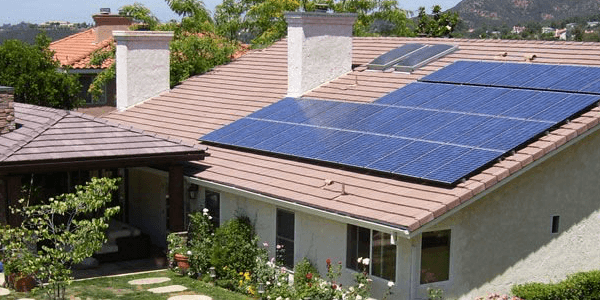
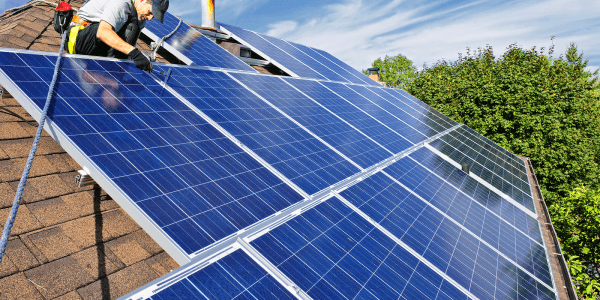
The cost of installing solar panels in 2026 can vary widely depending on the system size, quality, and geographic location. Typically, you can expect to pay anywhere from $15,886 up to $42,065, with the average project falling around $29,508.
Before diving into the numbers, it is worth considering what is the cost of renewable solar energy[1] in a broader sense. More than just a financial investment, solar power represents energy independence, environmental responsibility, and potential long-term savings. With government incentives and growing concerns about energy security, solar adoption is accelerating nationwide, making it more important than ever to understand how the process works before committing[2].
Here, you will find a clear breakdown of price ranges, the main factors that affect the cost of solar panels, and the key points to consider before choosing a solar installation company. The information provided in this guide aims to help you make a confident decision that aligns with your budget and long-term energy plans.
Types of Solar Panels and Their Costs
Renewable energy encompasses different types of panels and mounting services, each suited to various energy needs and budgets. Pricing varies widely depending on factors such as panel type, system size, installation complexity, materials used, and your geographic location.
| Type | Cost | Details |
|---|---|---|
Monocrystalline Solar Panel System | $16,792 - $26,562 | High-efficiency panels made from a single crystal, ideal for limited roof space and long-term energy production. |
Polycrystalline Solar Panel System | $11,288 - $24,882 | More affordable, slightly less efficient panels made from multiple silicon crystals. Best for larger rooftops. |
Thin-Film Solar Panel System | $8,125 - $20,146 | Lightweight and flexible panels, suitable for unconventional surfaces, but generally have lower efficiency. |
Solar Panel Mounting and Racking | $2,115 - $5,876 | Structures and hardware used to secure panels to rooftops or ground mounts. |
Solar Panel Wiring and Electrical Setup | $2,866 - $7,068 | Electrical connections, inverters, and system integration necessary for energy production and safety compliance. |
Monocrystalline Solar Panel System Costs
Monocrystalline solar panel systems consist of panels made from single-crystal silicon, recognized for their superior efficiency and longevity. These systems are typically chosen when roof space is limited and maximum energy output is desired.
The material's cost ranges from $16,792 to $26,562, while installation might cost anywhere from $17,698 to $25,375, with an average cost near $21,898.
Major cost drivers include panel wattage[4], total system size, and installation complexity, such as roof pitch and accessibility.
Polycrystalline Solar Panel System Costs
Polycrystalline panel systems use panels composed of multiple silicon crystals, making them more cost-effective but slightly less efficient than monocrystalline panels. They are a popular option for homeowners with larger roof areas who want to balance upfront costs and energy production[5].
Pricing for installation varies between $12,898 and $26,916, with an average around $18,419, while the materials themselves will cost you from $11,288 to $24,882.
Factors driving prices include panel quality, mounting type, and local permitting fees.
Solar Panel Mounting and Racking Costs
Mounting and racking services involve installing the physical support structures that secure solar panels on rooftops or the ground. This service is essential regardless of panel type and influences system durability and performance.
Costs range from $2,115 to $5,876, with an average price of $3,501. Key factors to determine your budget for this project include the mounting system type (fixed or adjustable), roof materials costs, and site accessibility.
Solar Panels Cost per Kilowatt
The cost to install solar energy panels is usually charged by a flat rate based on the total workload of the project or per watt/kilowatt, so expect your solar panel service providers to charge based on the complexity and nature of the job, which can vary widely during installation, inspection, or repairs.

For example, installation involves specialized labor, including wiring, mounting panels, and system setup, generally commanding a higher flat rate or watt cost than routine maintenance or inspections[6]. On the other hand, quick diagnostics or minor repairs may cost less, but require highly skilled technicians.
7 Factors That Affect Solar Panels' Cost
Several unique factors influence the overall cost of solar panel installation, maintenance, or repair, impacting how much solar energy panels will actually cost. Here they are:
- System Complexity: Larger solar arrays and more complex setups require more labor hours, specialized equipment, and expertise, which can increase total costs. Custom roof designs or multi-panel arrays may also add to installation difficulty.
- Type of Solar Panels: Premium panels or cutting-edge technology may require specialized handling or installation techniques that affect system configuration and labor intensity.
- Accessibility: Working on steep or challenging roof angles, heights, or hard-to-reach areas typically demands additional safety measures and time, raising the price you will pay for the service.
- Permit and Inspection Requirements: Local building codes and permitting processes can add time and cost to installation or major repairs. Coordinating inspections and compliance paperwork may affect hourly billing.
- Experience of the Service Provider: Highly skilled and certified solar technicians often charge more due to their expertise and quality assurance.
- Time of Year and Demand: Seasonal demand spikes, such as during spring and summer when solar installations peak, can influence labor availability and pricing. Off-peak seasons may offer more competitive rates.
- Scope and Urgency of Repairs: Emergency repairs or troubleshooting unexpected faults often require immediate, intensive labor and potentially above-average prices. Routine repairs generally cost less, but must be scheduled in advance.
The next topic will cover the basics of the first factor.
Solar Energy Panel Costs by System Size and Type
The total wattage capacity, the number of panels, and the panel technology can significantly impact the cost of your solar energy system, as the larger ones are designed to generate more electricity[7], naturally costing more due to increased materials and labor, while different panel types, such as monocrystalline or thin-film, vary in efficiency and price.
Take a look at the most common options to explore which one will be the best for you.
Small-Scale Home Solar Energy Systems (2kW - 4kW)
Designed for smaller households or those looking to offset a portion of their electricity usage, small-scale systems typically include fewer panels and a lower wattage capacity. These setups work well for limited roof space or supplemental power needs.
- Cost Range: $9,721 - $18,535
- Average Cost: $14,384
These systems generally cover basic household appliances and lighting, but may not fully power larger energy consumption needs.
Medium-Scale Solar Systems (5kW - 8kW)
Medium-sized systems are among the most popular for typical family homes, striking a balance between cost and energy output. They provide substantial electricity generation that can cover most or all of a household's daily energy needs.
- Cost Range: $14,734 - $24,278
- Average Cost: $18,696
They are ideal for average custom homes, as these installations often qualify for various rebates and incentives, improving overall affordability.
Large-Scale Solar Systems (9kW - 12kW)
Large-scale systems are suited for bigger homes or those with higher energy demands, such as electric vehicles or home workshops. These systems use more panels and higher-capacity inverters, which increases installation complexity and cost.
- Cost Range: $25,783 - $39,579
- Average Cost: $31,696
With higher energy output comes greater return on investment over time, especially in sunny regions.
Emergency Solar Panels Costs
When your solar panel system experiences an urgent issue, emergency service costs can be higher than regular maintenance or repairs, as they typically require prompt attention to restore energy functionality quickly and safely.

Emergency solar panel pricing can vary based on factors like the time of day, system complexity, and the immediacy of the repair. Urgent jobs performed during nights or weekends may carry additional fees. To ensure quality and safety, always seek certified solar technicians for emergency services.
Additional Solar Energy Costs to Take Into Consideration
Beyond panel installation, several additional expenses can impact the overall solar project cost:
- Permitting and Inspection Fees: Local government charges might be required for permits and compliance checks.
- Electrical Upgrades: Upgrades to home electrical systems or new wiring might be necessary.
- Mounting Hardware and Roof Modifications: Depending on the roof type, specialized mounts or reinforcements could be needed.
- Sales Tax and Incentives: Taxes vary by location, and applicable incentives may reduce net costs.
Here is how much they usually cost:
| Item | Cost | Details |
|---|---|---|
Permitting and Inspection | $319 - $1,402 | Fees charged by municipalities. |
Electrical Upgrades | $1,387 - $4,930 | Labor and materials for wiring and panel connection. |
Mounting and Roof Adjustments | $1,181 - $5,654 | Hardware and possible roof reinforcement. |
Also, keep in mind that maintenance will also be necessary from time to time.
Solar Energy Maintenance Costs
Solar panels generally require minimal maintenance; however, some routine and occasional tasks may involve cleaning, repair, and inspection costs.
| Maintenance Type | Cost | Details |
|---|---|---|
Cleaning | $122 - $279 | Frequency depends on the environment (e.g., dust, pollen). |
Inspection | $122 - $259 | Professional system check every 2-3 years. |
Repairs and Component Replacement | $233 - $1,275 | Inverter or panel repairs as needed over system's life. |
Solar Energy Storage Cost
Solar energy storage systems enable you to save excess solar power for later use, increasing energy independence and resilience[8]. The cost depends primarily on the storage capacity (measured in kilowatt-hours, kWh) and system technology[9].
| Component | Cost | Details |
|---|---|---|
Battery system (per kWh) | $722 - $1,396 | Includes battery pack, inverter, and installation. Lithium-ion batteries are common but may vary in lifespan and warranty. |
Installation and Setup | $1,885 - $5,332 | Labor and materials to integrate with the solar array. |
When comparing storage options, review warranty terms, expected lifespan, and potential incentives to maximize value.
DIY vs. Professional Solar Panels Costs
When it comes to installing solar panels, some people might wonder whether they can save money by tackling the project themselves or if hiring a professional is a better investment. Here is the answer: while going the DIY route might seem appealing initially due to lower upfront costs, professional installation offers many advantages that often translate into long-term savings, safety, and system reliability.

And Here Is Why Hiring a Professional Is the Smarter Choice
- Safety Concerns: Electrical work and rooftop installation carry serious risks. Professionals are trained to follow safety codes, reducing hazards like electrical shocks or falls.
- Permitting and Legal Compliance: Professionals ensure your solar system meets all local regulations and will pass inspections, so you avoid costly fines or redo work.
- System Efficiency and Warranty: Proper installation affects system performance and durability. Many solar panel manufacturers require professional installation to honor warranties.
- Time and Convenience: A pro handles all aspects, from design and permits to installation and testing, saving you time and stress.
- Long-Term Cost Savings: While DIY installation may start cheaper, mistakes or inefficiencies can lead to higher energy costs, repairs, or a shorter system lifespan.
Finally, hiring a licensed solar installer often saves money, protects your investment, and gives peace of mind for years to come.
How to Save on Solar Panel Costs Without DIY
Installing solar panels is a rewarding investment[10], but the upfront cost can be daunting. Fortunately, there are practical steps you can take to reduce expenses without compromising quality or performance:
- Shop Around for Quotes: Obtain multiple professional estimates to compare prices and services before committing.
- Take Advantage of Incentives: Explore federal, state, and local tax credits, rebates, or grants that offset installation expenses[11].
- Choose Your Equipment Wisely: Balance price with efficiency and warranty. Sometimes mid-tier panels deliver excellent performance at a lower cost.
- Consider System Size and Energy Needs: Install a system sized to your actual energy consumption rather than going bigger than necessary.
- Review Financing Options: Look into solar loans or leases that spread costs over time with competitive interest rates[12].
- Bundle Services: Hiring a professional for full-service installation can often reduce total costs compared to piecing the project together yourself.
- Schedule During Off-Peak Seasons: Installation companies may offer discounts during slower months or promotional periods.
Ready to find trusted professionals who offer competitive rates and quality service? Contact a qualified solar installer through homeyou today to get personalized quotes and save on your 2026 solar panel installation. Let the experts handle the hard work while you enjoy clean, affordable energy for years!
Start with sun exposure and shading. South-facing roof areas with minimal tree or chimney shade typically perform best, but east and west roofs can still work. Also consider roof age, slope, and condition. An installer can run a shade analysis and confirm structural capacity before final design.
Not always, but it is often smart if your roof is near the end of its life. Removing and reinstalling panels later adds labor and can complicate warranties. If your roof has active leaks, damaged decking, or worn shingles, address roofing work first to avoid future disruptions.
Net metering credits you for sending extra electricity to the grid, reducing your bill when you draw power later. A battery stores that excess on-site for nighttime use or outages. Which is better depends on your utility rules, rate structure, and how much backup power you want.
Often yes, but ownership matters. Purchased systems are typically more attractive because the new owner gets the benefit without taking over a contract. Leases or power purchase agreements can add paperwork and may affect offers. Keep permits, warranties, and production records to support value.
Timelines vary, but the longest part is frequently paperwork: system design, permitting, utility approvals, and scheduling inspections. The on-site installation itself is usually much shorter. Ask your installer for a step-by-step schedule and who handles each submission so you can anticipate delays.
Look for separate coverage for equipment and performance. Panels commonly include a product warranty for defects and a performance guarantee tied to output over time. Inverters and batteries have their own terms and may be shorter. Also confirm the installer workmanship warranty and what is excluded.
You can usually monitor production using the system app and visually check for debris or obvious damage from the ground. If cleaning is needed, use gentle water and a soft brush when safe, or hire a pro. Avoid pressure washing, harsh chemicals, or climbing on the array.
Ask who designs the system, what equipment brands are included, and whether subcontractors will be used. Confirm permits, interconnection, and inspection responsibilities. Request an estimated production report and assumptions behind it. Finally, review payment milestones, change-order policies, and warranty service procedures.
References
[1] "Renewable Energy Pillar." Energy.gov, www.energy.gov/eere/renewable-energy-pillar?nrg\_redirect=471927.
[2] SEIA. "Solar Industry Research Data - SEIA." SEIA, 9 June 2026, seia.org/research-resources/solar-industry-research-data.
[3] Barbose, Galen, Naïm Darghouth. Tracking the Sun VIII: The Installed Price of Residential and Non-Residential Photovoltaic Systems in the United States. Lawrence Berkeley National Laboratory, Aug. 2015, https://eta-publications.lbl.gov/sites/default/files/lbnl-188238%5F0.pdf.
[4] National Renewable Energy Laboratory. PVWatts Calculator. U.S. Department of Energy, https://pvwatts.nrel.gov/index.php.
[5] "Replacing Your Roof? It's a Great Time to Add Solar." Energy.gov, www.energy.gov/eere/solar/articles/replacing-your-roof-its-great-time-add-solar.
[6] "Homeowner's Guide to Going Solar." Energy.gov, 29 July 2021, www.energy.gov/eere/solar/homeowners-guide-going-solar.
[7] Photovoltaics and Electricity - U.S. Energy Information Administration (EIA). www.eia.gov/energyexplained/solar/photovoltaics-and-electricity.php.
[8] Solar-Plus-Storage Analysis | Solar Market Research and Analysis | NREL. www.nrel.gov/solar/market-research-analysis/solar-plus-storage-analysis.
[9] Solar Photovoltaic Technology Basics | NREL. www.nrel.gov/research/re-photovoltaics.
[10] "How Much Money Can I Save With Solar Energy?" Energy.gov, www.energy.gov/eere/solar/articles/how-much-money-can-i-save-solar-energy.
[11] "Federal Solar Tax Credit Resources." Energy.gov, www.energy.gov/eere/solar/articles/federal-solar-tax-credit-resources.
[12] Clean Energy States Alliance. "A Homeowner's Guide to Solar Financing: Leases, Loans and PPAs - Clean Energy States Alliance." Clean Energy States Alliance, 28 Apr. 2020, www.cesa.org/resource-library/resource/a-homeowners-guide-to-solar-financing-leases-loans-and-ppas.