

In 2026, the cost to install a bathtub is generally between $1,641 and $8,935, with most homeowners spending about $4,151. But these numbers only tell part of the story; your final price depends on more than just the tub itself.
The totals will depend on decisions made along the way, like the style of tub you choose (soaking, jetted, freestanding, or built-in), the complexity of the installation, and whether or not plumbing changes are needed[1].
But if it seems like a lot, don't worry, we are here to make sure you are equipped with all the information you need to plan this out the best way possible. Read on as we explain what drives pricing up or down, and share tips to help you choose the right installer. That way, you can know exactly what to expect before starting your bathroom project.
Key takeaways
Bathtub installation cost in 2026 runs from $1,641 to $8,935, with most projects averaging around $4,151.
Alcove tubs are the most budget-friendly, while whirlpool, freestanding, and oversized soaking tubs sit at the higher end of the scale.
Removal of an old tub, surround installation or replacement, permits, waterproofing, and mold remediation may add to your total[2].
DIY can save on upfront costs but risks leaks, code violations, and water damage[3]. Hiring a licensed pro ensures safety, compliance, and warranties.
Costs vary by state due to labor rates, permit fees, and availability of materials; urban/coastal areas tend to be more expensive.
Bundle bathroom projects, prep the space in advance, schedule during off-peak seasons, and get multiple quotes to find the best deal[4].
Cost of Bathtub Installation by Types
Bathtub installation services can vary widely depending on the type of bathtub being installed, the complexity of the job, and the materials used. Common types include alcove tubs, freestanding tubs, drop-in tubs, and whirlpool tubs, each with its own installation requirements[5]. Pricing is influenced by factors such as labor intensity, plumbing modifications, location, and the urgency of the project.
| Type of Service | Cost | Features |
|---|---|---|
Alcove Bathtub Installation | $975 - $3,905 | Installation of a standard three-wall bathtub unit, often the most common setup in homes. |
Freestanding Bathtub Installation | $2,386 - $9,748 | Installing a standalone tub that can be placed anywhere in the bathroom, requiring specialized plumbing and a flooring budget. |
Drop-in Bathtub Installation | $1,450 - $6,314 | A tub fitted into a pre-built deck or enclosure, often used to match bathroom design aesthetics. |
Whirlpool Bathtub Installation | $3,153 - $9,768 | Installation of a tub with jets and advanced plumbing, requiring electrical hookups and waterproofing measures. |
Soaking Bathtub Installation | $1,400 - $5,239 | Set up deep tubs designed for relaxation, often larger and may need reinforced flooring. |
Corner Bathtub Installation | $1,817 - $8,659 | Tub installation in a bathroom corner often involves custom fitting and plumbing adjustments. |
Alcove Bathtub Installation Costs
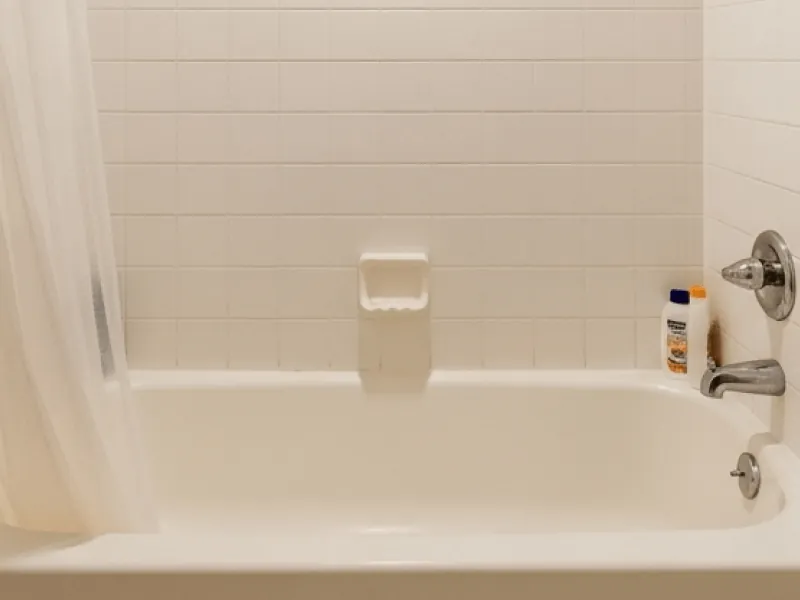
Alcove bathtub installation is the process of fitting a tub into a three-sided enclosure, which is typical in many bathrooms. This service is often needed in bathroom remodels investments, or new builds where space optimization is a priority[6].
The cost to install a new bathtub ranges from $975 to $3,905, with an average around $2,117.
Major factors affecting the price include the type of tub, the quality of surrounding walls, and plumbing accessibility.
Freestanding Bathtub Installation Costs
Freestanding tubs add an elegant centerpiece to bathroom design, but require unique installation considerations, such as robust flooring and flexible plumbing.
This service is generally more complex, costing between $2,386 and $9,748, with an average of $4,166.
Installation pricing depends largely on the tub's weight, material, and whether plumbing lines need to be rerouted for placement flexibility.
Whirlpool Bathtub Installation Costs
Installing a whirlpool tub involves additional components like water jets, an electrical system, and waterproof sealing, making it one of the more expensive and intricate bathtub installation types[7].
Prices typically vary from $3,153 to $9,768, with an average cost of bathtub installation near $5,835.
Key cost drivers include the complexity of electrical work, tub size, and brand-specific features.
How Much Does Bathtub Installation Cost per Hour?
Bathtub installation rates typically vary depending on the complexity of the job, the installer's expertise, and your location. You can expect to pay an hourly rate that covers labor, tools, and standard setup procedures.

Typically, the $117 rate reflects the labor cost to install a bathtub for straightforward installations where plumbing and surfaces do not require significant modification.
More intricate jobs, such as installing clawfoot tubs, whirlpool tubs, or those requiring extensive plumbing rerouting, can push the hourly cost toward the higher end of the range, as indicated by $195.
Hourly charges often apply when installers anticipate that the job may encounter unforeseen complications or when a per-project cost cannot be easily determined upfront. In some scenarios, contractors may combine hourly labor rates with fixed fees for parts or permits[8].
What to Expect in an Hourly Bathtub Installation Service
- Preparation and Site Assessment: Hourly costs include initial evaluation, protective measures for the bathroom, and positioning the new tub.
- Removal of Existing Tub: If you have an old tub being replaced, expect additional charges per hour depending on its size and accessibility ($75 on average).
- Plumbing Costs: Adjustments or replacements to water lines, drains, and venting typically incur separate hourly rates ($57 to $178).
- Installation and Finishing Touches: Fitting the tub, sealing edges, installing fixtures, and ensuring proper drainage all fall within the billed hours.
If your project includes any unique requirements or modifications, it will certainly affect the prices, whether hourly or a flat fee. However, there are other aspects to take into consideration to better gauge total labor costs.
8 Factors That Affect Bathtub Installation Cost
The considerations below will help you anticipate how your project's scope might affect pricing and allow you to discuss details more confidently with your installer, so get ready to take notes!
- Type and Size of Bathtub: Larger or specialty tubs are generally more expensive to install due to their weight, shape, and required support[9]. The complexity directly impacts labor time and may require special equipment.
- Existing Plumbing Configuration: If your current plumbing matches the new tub's drain and faucet positions, installation is simpler and cheaper, but rerouting or upgrades, like replacing old pipes or installing new shut-off valves, add to labor and material costs[3].
- Bathroom Layout and Accessibility: Limited access to the bathroom or tight spaces can extend installation time. If installers must navigate narrow doorways or remove cabinetry to maneuver the tub inside, expect higher labor charges.
- Removal and Disposal of Old Tub: Getting rid of an existing bathtub adds both labor hours and disposal fees. Removing heavy or cast-iron tubs is especially labor-intensive and may require special handling[1].
- Finishing Work and Surround Materials: Costs rise if you require tiling, waterproofing, or trim work around the tub. Installing or repairing surfaces after the tub is in place involves additional steps and time.
- Permit and Code Compliance Requirements: Local building codes sometimes require permits for plumbing changes related to bathtub installation[3]. Securing permits and inspections can add to your timeline and costs.
- Type of Contractor or Installer: Licensing, experience level, and geographic location affect hourly rates. Skilled plumbers or specialized bathtub installers often charge more, reflecting their expertise and guaranteed work quality.
- Emergency or After-Hours Service: If you need installation services on short notice or outside regular business hours, expect premium hourly rates.
The first item of the list has the most significant impact on the final price of bathtub installation, so the next section addresses its details and other aspects you should consider. Let's break it down so you can choose the best type of tub for your renewed bathroom.
Bathtub Installation Cost by Type and Size
Of course, larger or more complex tubs often require additional materials, labor, and sometimes plumbing modifications, which all contribute to the final price. Sure, a heart-shaped bathtub will look great on Instagram, but is it the ideal choice for your daily life?
Standard Alcove Bathtub
This is the most common bathtub type, designed to fit into a three-wall recess. Usually measuring around 60 inches in length, it suits most bathrooms and is often made from acrylic or fiberglass.
- Cost Range: $975 - $3,905
- Average Cost: $2,117
The installation typically involves basic plumbing adjustments and wall finishing, making it one of the more affordable options.
Freestanding Bathtub
Freestanding tubs stand alone and can be placed anywhere in the bathroom, offering a stylish, high-end look. These tubs come in various sizes, but often have deeper basins than standard models.
- Cost Range: $2,386 - $9,748
- Average Cost: $4,166
Due to their size and weight, installation may require reinforced flooring and more complex plumbing, impacting the cost.
Corner Bathtub
These tubs fit snugly into bathroom corners, maximizing space efficiency while offering more room for bathing compared to standard tubs. Sizes vary widely, sometimes featuring jets or whirlpool elements.
- Cost Range: $1,817 - $8,659
- Average Cost: $4,286
Installation costs increase with size and additional features, along with the complexity of fitting the tub into angled walls.
Walk-in Bathtub
Walk-in models provide easy entry, as they are designed for accessibility and safety, often favored by seniors or those with mobility issues. They tend to be deeper and may include jets or seating.
- Cost Range: $3,783 - $18,535
- Average Cost: $11,737
These tubs require specialized plumbing and electrical work, sometimes increasing labor costs significantly. Bear in mind that both plumbers and electricians charge per hour.
Oversized or Soaking Tub
Built for luxury and relaxation, these options offer extra depth and length, needing more space and sometimes custom installation support due to their weight and volume.
- Cost Range: $2,729 - $11,420
- Average Cost: $6,371
The installation cost reflects additional materials, labor, and potentially structural reinforcement requirements to support the tub's size.
Sometimes, you will need a new surround to go with your new bathtub, so let's talk about these prices next.
How Much Does a Bathtub Surround Cost?
The cost of installing or replacing a bathtub surround varies depending on the material, labor rates, and project scope. Typical bathtub surround materials include acrylic, fiberglass, tile, and stone, each with different price ranges and installation complexities. Take a look:
| Option | Cost | Considerations |
|---|---|---|
Acrylic Surround | $632 - $4,206 | Lightweight, easy to install, mid-range price |
Fiberglass Surround | $488 - $4,192 | Cost-effective, less durable than acrylic |
Tile Surround | $783 - $4,387 | Durable, customizable, but implies higher tile labor costs |
Stone Surround | $1,083 - $7,393 | Premium material, high installation complexity |
Don't forget to factor in the cost of removal of the old surround, wall repairs, plumbing modifications, and mold remediation prices[2].
Replacement vs. Repair: When to Do One or Another
Maybe your old tub just needs a little love, like investing in bathtub refinishing rather than a complete makeover. Here's how to evaluate the options financially and practically:
- Repair Costs: Repairing minor cracks, chips, or grout issues generally costs between $129 and $684. Repairs are less disruptive and faster, but might be temporary fixes if the underlying structure is damaged.
- Bathtub Replacement Costs: Full replacement, including removal and installation of a new surround, ranges from $1,534 to $6,321. Replacement is advisable if damage is extensive, the surround is outdated, or mold is present.
Minor damage often makes repair the smarter choice, but structural problems usually call for a full replacement. The age of the material also matters; older surrounds aren't always cost-effective to fix. And if you are aiming for a style upgrade, replacement is the best way to achieve a fresh, modern look with improved functionality.
Regional Cost Variations for Bathtub Installation
Bathtub installation costs can vary significantly depending on the region where you live. Factors such as local labor rates, material availability, and regional economic conditions contribute to these differences. Take a look at the table below:
| Region | Cost | Description |
|---|---|---|
Northeast | $1,393 - $8,806 | Higher labor costs and stricter building codes increase prices. |
Midwest | $1,374 - $6,797 | Generally moderate labor rates and lower material costs. |
South | $1,274 - $5,999 | Competitive labor market with fluctuating demand impacts cost. |
West | $2,191 - $9,406 | Higher costs due to expensive permits and scarcity of skilled contractors. |
Costs across different regions reflect more than just material prices or labor wages. For example, areas with stricter permitting requirements can add extra expenses and time to the installation process. Geographic factors, such as distance from supply hubs, also affect delivery fees and availability of certain types of bathtubs.
Additionally, contractor demand and seasonal workload can affect overall pricing. In regions with many renovation projects, securing a reputable installer might cost more, especially during peak periods, so keep that in mind when budgeting.
Prices of Bathtub Installation by State
Bathtub installation costs vary significantly by geographic location due to differences in labor rates, material availability, and permit requirements. Below is a sample table illustrating relative cost ranges by select states:
| State | Cost |
|---|---|
California | $1,741 - $9,798 |
Texas | $1,203 - $8,811 |
New York | $1,374 - $9,202 |
Florida | $953 - $6,196 |
Illinois | $1,234 - $8,548 |
Labor costs tend to be higher in coastal metropolitan areas compared to rural regions. Also, certain states may have stricter plumbing and building codes that impact costs[3]. Always check with your contractor about permits, so there are no surprises down the road.
Which Costs More: DIY vs. Professional Bathtub Installation?
Sure, a DIY approach might seem like a way to save money upfront, but how much do you know about plumbing? Professional installation guarantees the job is done correctly, safely, and efficiently, which often saves you time and money in the long run[7].

If you go the DIY route, you can save on labor, but if you don't have all the necessary tools at home, you will also need to include equipment rental expenses in your budget, so consider the following when deciding:
Risks of DIY Bathtub Installation
- Improper waterproofing can lead to costly water damage and mold issues down the road.
- Lack of plumbing expertise risks leaks or code violations that could require expensive fixes[3].
- The time-consuming process often takes longer than anticipated, potentially delaying other home projects.
- Potential safety hazards, including lifting injuries or improper handling of materials and tools[9].
Advantages of Hiring a Qualified Professional
- Expert knowledge ensures the installation meets local building codes and manufacturer specifications[3].
- Professionals can identify and address unforeseen issues during installation, avoiding costly mistakes.
- Using licensed plumbers and contractors often comes with guarantees or warranties on workmanship.
- Saves you time and stress, allowing for a smooth, hassle-free installation experience.
- Access to trade discounts on materials, potentially lowering overall costs[4].
Overall, while DIY may reduce upfront expenses, professional installation frequently offers better value through long-term reliability and safety. Here are other ways to save that don't require sacrificing quality.
Tips to Save on Bathtub Installation Costs
There are smart ways to lower expenses without compromising quality or, more importantly, safety. Follow these practical tips to help you save, so you can enjoy a fresh, beautiful bathroom without being in the red.
- Choose the Right Bathtub Material and Style: Selecting a popular, readily available model can reduce purchase costs and simplify installation[8].
- Prepare the Space in Advance: Clearing the installation area and removing the old tub yourself can lower labor time and cost.
- Bundle Services: If you are planning additional bathroom updates, hiring a professional to do all work at once can yield discounts[4].
- Obtain Multiple Quotes: Request estimates from several qualified installers to find the most competitive pricing.
- Schedule Installation During Off-Peak Seasons: Professionals may offer lower rates when demand is slower.
- Ask About Package Deals: Some contractors provide bundled pricing for materials and labor.
- Confirm Permits and Inspections: Proper permits can prevent fines and added expenses down the line[3].
But of course, the best way to really save money and get the best return on your investment is by hiring professional home services today to compare vetted bathtub installation professionals and secure the best deals tailored to your project and budget!
FAQs on Bathtub Installation
References
[1]U.S. Consumer Product Safety Commission. "Bathtubs or Showers." CPSC, 2026, www.cpsc.gov/Recall-Products/Bathtubs-or-Showers.
[2]U.S. Environmental Protection Agency. "Mold and Your Home." EPA, 2026, https://www.epa.gov/mold/mold-and-your-home.
[3]International Code Council. "2021 International Plumbing Code." ICC, 2021, www.iccsafe.org/products-and-services/i-codes/2021-i-codes/ipc/.
[4]U.S. Environmental Protection Agency. "Your Better Bathroom." EPA, 2026, https://www.epa.gov/watersense/your-better-bathroom.
[5]U.S. Environmental Protection Agency. "Bathroom Faucets." EPA, 2026, www.epa.gov/watersense/bathroom-faucets.
[6]U.S. Environmental Protection Agency. "Residential Toilets." EPA, 2026, www.epa.gov/watersense/residential-toilets.
[7]"Water Heating." Energy.gov, U.S. Department of Energy, 2026, www.energy.gov/energysaver/water-heating.
[8]"Look for WaterSense." EPA, 2026, lookforwatersense.epa.gov/.
[9]U.S. Consumer Product Safety Commission. "CPSC Releases New Study On Bathtub And Shower Injuries." CPSC, 1975, www.cpsc.gov/Newsroom/News-Releases/1975/CPSC-Releases-New-Study-On-Bathtub-And-Shower-Injuries.