
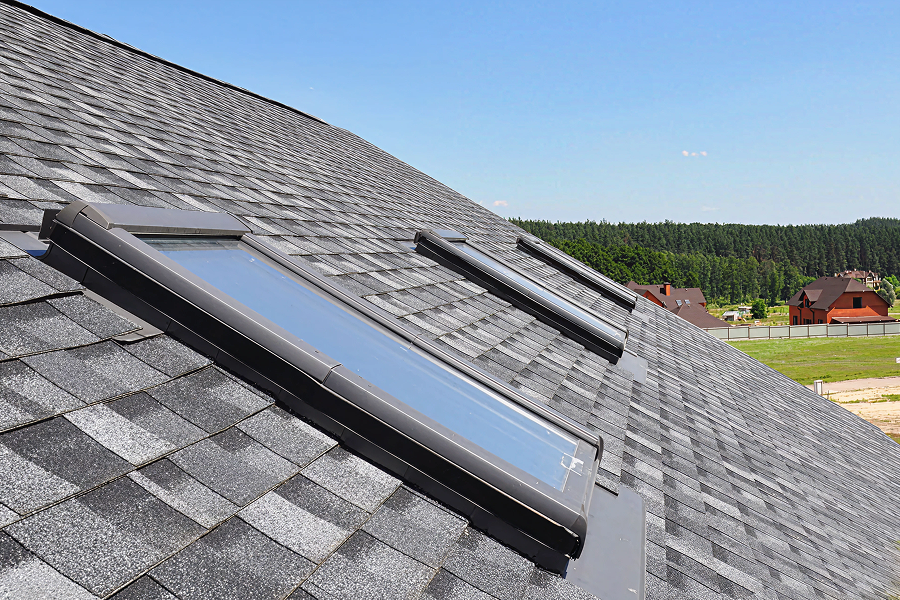


In 2026, the skylight installation cost varies widely depending on factors such as skylight type, size, and installation complexity. You can expect prices to install a skylight to range from $1,687 at the low end to $5,283 for premium options, with the typical project hovering around $3,571.
This guide will walk you beyond the benefits of installing this resource to improve natural light, ventilation, and boost the resale value of your property. Here, you'll find the key factors influencing the price of the service, compare different types and quality levels, and offer practical tips to help you make an informed hiring decision. Keep reading!
How Much Does It Cost to Install a Skylight by Type?
Skylight installation costs vary significantly based on the type of service required, project complexity, chosen materials, and your home's location. Services can include installing new standard or electric skylights, as well as more specialized work like ventilated skylights or roof flashing installation[2].
| Type of Service | Cost | Features |
|---|---|---|
Standard Skylight Installation | $1,687 - $5,283 | Installation of a fixed skylight that provides natural light, but does not open. |
Electric Skylight Installation | $2,873 - $6,891 | Installation of skylights equipped with electric controls for automated opening and closing. |
Ventilated Skylight Installation | $2,317 - $6,128 | Install of skylights designed for ventilation with manually or electrically operated vents. |
Replacement of Old Skylight | $1,423 - $4,528 | Removal of an old skylight and installation of a new one to upgrade or replace a damaged unit. |
Skylight Flashing Installation | $587 - $1,827 | Installation or replacement of flashing to prevent leaks around the skylight. |
Skylight Shade Installation | $317 - $1,613 | Installation of shades or blinds to manage light and heat from skylights. |
Standard Skylight Installation Costs
Standard, fixed skylights provide steady natural light without ventilation and are a good fit for living rooms, hallways, and stairwells, as they rely on basic flashing kits and straightforward roof cuts, which helps keep labor costs predictable and the overall skylight installation cost manageable.
Installing a skylight will cost you from $1,687 to $5,283, with an average of $3,571. Final pricing depends on skylight size and glazing, roof pitch and material, curb or deck mounting, and any local permit or disposal fees.
To lock in value and avoid surprises, request itemized quotes that separate materials, labor, and add-ons, then compare scopes side by side.
Electric Skylight Installation Costs
Electric options offer automated opening and closing, often with remote controls or compatibility with smart home systems. They provide ventilation and natural light, making them more advanced than fixed skylights.
Installation costs generally run between $2,873 and $6,891, with an average cost to install a skylight of $4,657. The total is influenced by the size of the skylight, the type of electric mechanism, and any extra electrical fees required.
Ventilated Skylight Installation Costs
These skylights allow fresh air into the space while admitting natural light. They may use manual or electric venting systems and are well-suited for kitchens, bathrooms, or areas that benefit from improved airflow.
The cost of skylights and installation of this type falls between $2,317 and $6,128, with an average of $3,943. Job complexity, type of vent, and roof conditions will affect final pricing.
7 Key Factors That Affect the Cost of Skylights and Installation
The total cost to install skylights depends on a blend of important considerations, like the seven factors you see right now:
- Skylight Size and Style: Larger units require additional materials and labor. Style differences, such as fixed, vented, or tubular skylights, add to the range of pricing due to varying complexity.
- Roof Type and Material: Steep, multi-level, or unusual roof designs call for more labor and specialized handling. Roofing materials like tile or slate may also demand delicate installation practices, raising expenses.
- Number of Skylights: Adding multiple skylights can allow for a lower per-unit cost, but increases the project's total price due to added materials and labor.
- Glass Type and Energy Efficiency: Choosing double-pane glazing, low-E coatings, or impact-resistant glass will increase initial costs but offer better insulation and longer-term savings.
- Labor and Permitting Fees: Local labor rates are a major factor in installation cost. Building permits or inspections may also be required, affecting both budget and schedule.
- Roof Modifications: Homes requiring roof reinforcement or additional framing to fit the skylight will incur higher material and labor costs, especially in older structures.
- Installation Location: Skylights located in hard-to-reach or hazardous areas[3], or near electrical lines, tend to add complexity and cost.
Grab a pen and a piece of paper as we detail further the factor number #2!
Installing a Skylight: Cost by Material Type
The material chosen for your skylight installation significantly influences not only the overall cost but also the appearance and durability of your skylight. There are several options, each varying in style, maintenance, and expected lifespan.
The table below compares popular skylight frame materials, with their typical cost ranges and details, to help you decide what fits your preferences and budget best.
| Item | Cost | Description |
|---|---|---|
Glass Framed Skylight | $2,143 - $5,128 | Glass skylights provide clear views and durability, but are heavier and may need extra structural support. |
Acrylic Skylight | $1,673 - $4,187 | Acrylic is lightweight and impact-resistant, keeps clarity well, but can scratch more easily. |
Polycarbonate Skylight | $1,837 - $4,637 | Polycarbonate offers outstanding durability and impact resistance, ideal for demanding environments. |
Metal-Framed Skylight | $1,981 - $4,898 | Metal frames are strong and modern, often finished to resist corrosion for longer life. |
Wood-Framed Skylight | $2,057 - $5,043 | Wood provides natural warmth and customization but needs maintenance against rot and warping. |
Vinyl-Framed Skylight | $1,721 - $4,421 | Vinyl is affordable, low-maintenance, and resistant to moisture, making it a practical option. |
Aluminum-Framed Skylight | $1,873 - $4,761 | Aluminum is lightweight, rust-resistant, and has a sleek, contemporary finish. |
Material prices fluctuate based on quality and frame grade. Glass and metal frames cost more for their strength and premium appearance, while acrylic and vinyl options keep upfront costs lower, possibly trading some durability.
Installations with heavier or custom frames increase labor due to added support and prep work. Regional pricing and skylight style preferences also play a role, so understanding these aspects helps select the right balance of value and performance.
Average Cost to Install a Skylight by Size
The size and type of skylight you select play a major role in determining the final cost, as larger or more specialized installations require additional materials, labor, and sometimes unique structural preparations.
Small skylights involve simple installation and less material, while medium or large options often require reinforced framing or custom roof flashing investments. Factors such as surface area and glass type influence both the material and labor needs.
Small Residential Skylight Installations
These compact skylights, usually under 2 feet by 2 feet, are perfect for bathrooms, closets, or narrow spaces that need more light.
Installation costs for these smaller units range from $987 to $2,483, with an average cost of skylight installation of $1,657. Smaller sizes tend to keep material and labor costs low, although working in tight interior spaces can present minor access challenges.
Basic installation is typically straightforward, requiring simple roof cuts and minimal reinforcement, making this an affordable daylighting upgrade[4].
Small to Medium Skylight Installations for Living Rooms or Kitchens
Pieces measuring 2 to 3 feet wide are popular in kitchens or living rooms for adding ample daylight to medium-sized spaces.
Typical costs fall between $1,313 and $3,167, with an average cost to install a skylight of $2,147. Totals rise with increased glass area, and installation may involve more delicate sealing to ensure protection from water and drafts.
Sometimes the project includes investing in insulation or accessing the attic, which adds to the complexity - and costs.
Medium Residential Skylight Projects for Bedrooms or Home Offices
Medium-sized options of roughly 3 to 4 feet work well for bedrooms or offices, where additional light is desired, but major roofing modifications and expenses are not possible.
Installation costs are usually in the $1,681 to $4,178 range, averaging $2,963. More material is required for these sizes, and proper flashing investment and waterproofing become increasingly important.
Roof pitch and installation access further contribute to project costs and planning.
Large Skylight Installations for Open-Concept Areas
Skylights in the 4 to 5 feet or larger range are often chosen for open-plan living spaces or big kitchens. These units are frequently custom-shaped or designed for a dramatic look.
Costs typically range from $2,347 to $5,583, averaging $3,871. These projects need more substantial glass, frames and may require extra safety measures and lifting equipment.
Structural reinforcement is often needed, making for a more significant investment and project scope.
Extra-Large or Premium Skylights for Custom Home Features
Custom skylights, such as multi-panel designs or domes, are used in luxury or architecturally distinctive homes.
Pricing for these installations goes from $3,173 to $7,588, with an average around $5,217. Costs reflect the need for specialized fabrication, detailed engineering, and extensive labor.
Upgrades like advanced glazing and special roof coating expenses can further increase totals, but these options deliver top performance and design impact.
How Much Does It Cost to Install a Skylight in Each Region?
Regional pricing for skylight installation reflects local labor rates, climate, material availability, and regulatory environment. The table below summarizes typical price ranges and factors for each major U.S. region.
| Region | Cost | Description |
|---|---|---|
Northeast | $1,921 - $5,128 | Higher labor costs and strict building codes contribute to increased pricing. Climate conditions affect material choice and installation methods. |
Midwest | $1,613 - $4,217 | Moderate labor rates and lower material prices produce mid-level costs. Demand varies by season and project timing. |
South | $1,537 - $4,031 | Warmer weather and lengthy installation seasons keep demand steady, but material shipping and supply can add to charges. |
West | $1,847 - $5,367 | A high cost of living, steady demand for renovations, and regional permit fees translate to higher installation costs for the roof area. |
In addition to these regional trends, local permit costs, contractor availability, and market competition may further increase or lower the final project price. Regions with more specialized installers often provide flexible bids, while weather and roofing demands shape material choices for long-term performance.
Cost to Install a Skylight by State
State-by-state pricing for skylight installation varies due to differences in labor markets, access to materials, logistics, and building codes. States with high contractor demand or strict permitting incur higher costs, while remote areas face added transportation expenses or weather-related challenges.
| State | Cost | Details |
|---|---|---|
California | $1,981 - $5,087 | Higher labor rates and permitting standards lead to greater installation costs. Diverse climate also affects material selection. |
Texas | $1,513 - $4,047 | Competitive markets offer reasonable pricing, but cities may see higher rates due to demand and local permit fees. |
Florida | $1,763 - $4,681 | Humidity and coastal regulations demand durable, hurricane-rated products, increasing price and complexity. |
New York | $2,037 - $5,423 | High labor rates and strict building codes, especially in urban areas, drive up costs. |
Illinois | $1,571 - $4,168 | Moderate pricing due to manageable labor costs, but weather and seasonality affect schedules and availability. |
Colorado | $1,738 - $4,617 | Mountain climates and local building rules result in higher material and installation expenses. |
Georgia | $1,487 - $3,961 | Suburban growth brings competitive pricing, but humidity still affects materials and choices. |
Washington | $1,867 - $4,937 | Wet climates call for advanced weatherproofing, and labor costs run higher in metropolitan regions. |
Ohio | $1,461 - $3,878 | Moderate prices overall, but costs fluctuate between cities and rural locations. |
These state-level ranges are a helpful starting point. For the most accurate estimate, seek personalized quotes from local contractors who account for your home's specific features and current market conditions. Continue reading to learn more factors that affect installation pricing!
DIY vs. Professional: Installing a Skylight Cost
DIY can lower initial expenses, but hidden costs may add up due to tool purchases, learning curve, or redoing mistakes. Professionals bring expert installation, efficient labor, and warranties that safeguard your investment, reducing the risk of leaks or damage.
The best approach depends on the complexity of your skylight project, your skill set, and your desired level of quality.

Challenges of DIY Skylight Installation
Installing or replacing a skylight yourself comes with several challenges. Accurate measurements and careful cuts are necessary to prevent leaks and damage. Many homeowners underestimate the required tools, time commitment, roof safety risks[5], and the expertise needed for correct sealing and flashing.
Mistakes may result in extra expenses due to roof repairs or wasted materials. DIY skylight installation is generally best for those with strong roofing and carpentry skills.
Advantages of Hiring Professional Skylight Services
A professional installer brings knowledge of best practices, building codes, and high-quality materials. Pros typically work faster and more efficiently, lowering the risk of water entry and insulation issues.
Also, professional work is often backed by guarantees, lending peace of mind and added value. Their expertise helps solve installation challenges and can prevent expensive repairs. For electric or complex ventilated skylights, professional installation is especially important for safety and warranty coverage.
Choosing Between DIY and Professional Installation
Assess your project scope and personal ability. For basic skylight types and minor repairs, experienced DIY enthusiasts may find success, but should still plan for safety and technical challenges. More advanced installations, such as electric skylights or complete replacements, are best handled by a pro to ensure function and long-term durability.
Consider your comfort working at heights, understanding of roofing systems, and whether you prefer to spend time or money solving the problem. A careful choice will protect both your home and your investment.
Skylight Repair vs. Replacement Costs
Skylight repair and replacement involve distinct costs, benefits, and concerns. Replacement requires removing the current skylight and installing a new one, resulting in a higher upfront investment but increased lifespan and efficiency. Repair, on the other hand, addresses specific issues for less money, but may offer only a short-term fix.
| Option | Cost | Considerations |
|---|---|---|
Replacement | $1,423 - $4,528 | Full replacement provides renewed performance, durability, and warranty improvements. It suits aging or poorly functioning skylights and offers long-term value. |
Repair | $387 - $1,713 | Repair costs less upfront and suits minor or isolated issues. This option may carry a shorter lifespan and require ongoing attention. |
When to Choose Skylight Replacement
Replacement is most appropriate when the existing skylight is outdated, damaged, or in frequent need of repairs. When repair estimates are close to half the price of a replacement, a new skylight is often more cost-effective and delivers better benefits, including updated energy efficiency and warranty protection.
When to Choose Skylight Repair
Select repair for new or under-warranty skylights dealing with minor leaks, small cracks, or cosmetic complaints. Repairs can address targeted issues at a lower cost and restore function quickly, making this a good short-term solution for budget-conscious homeowners or those planning future upgrades.
Talking about upgrade...
Common Add-Ons for Skylight Installation
Skylight installation add-ons are optional upgrades designed to improve performance, convenience, efficiency, or protection. While these extras increase the project's overall cost, they enable you to tailor your skylights for greater comfort and value.
The table below summarizes typical add-ons, their price ranges, and benefits to help you decide which to include.
| Add-On | Cost | Details |
|---|---|---|
Insulation Upgrade | $187 - $618 | Improves the skylight's resistance to heat transfer, ideal for extreme temperature areas. |
Weatherproof Sealing | $143 - $487 | Adds protection against leaks and drafts, increasing weather resistance and longevity. |
Insect Screen Installation | $117 - $397 | Prevents bugs and debris while still allowing light and air into your home. |
Tempered Glass Upgrade | $337 - $1,127 | Offers extra shatter-resistance and safety, perfect for high-impact zones. |
Sunshade Installation | $278 - $1,043 | Manages sunlight and glare, improving comfort and protecting interiors from fading. |
Remote Control Operation | $487 - $1,763 | Enables users to open or close the skylight remotely for extra convenience. |
The cost of skylight add-ons varies depending on material quality, product brand, and installation complexity. Premium materials, proprietary technologies, or advanced controls often have a higher price yet add long-term value.
Projects involving electrical work or extremely precise fitting may carry greater labor costs. Regional pricing, availability, and customization further influence the total investment for these extras.
Is Skylight Installation Worth It? See True Return on Investment
Beyond adding natural light, skylight installation can deliver a solid return on investment for homeowners in 2026. Knowing the potential ROI allows you to judge how skylights might affect resale value, energy efficiency, and household comfort. Energy-efficient products may even qualify for incentives or tax credits, increasing the benefit[6]!
Several key aspects affect the ROI for your skylight installation:
- Material Quality and Durability: Long-lasting skylights and frames preserve home value and reduce maintenance or replacement spending.
- Energy Efficiency: Efficient products[7] can lower energy bills[8] and qualify for tax incentives, improving returns over time.
- Professional Installation: Skilled contractors help avoid leaks or damage that could erode your investment.
- Market Demand: Attractive, well-installed skylights may boost appeal for buyers valuing daylight and modern upgrades.
- Curb Appeal and Aesthetics: Eye-catching features created by strategic skylight selection can raise perceived value among future buyers.
| Service | Estimated ROI | Details |
|---|---|---|
Basic Skylight Repair | 50-60% | Addresses functional problems with modest impact on resale. |
Standard Skylight Replacement | Around 70% | Updates style and durability while improving efficiency and buyer interest. |
Premium Skylight Installation | Approximately 80% | Features highest-quality units installed by pros for maximum durability and comfort. |
Energy-Efficient Skylight Upgrade[9] | 85% | Advanced glass and frame solutions maximize energy savings and can qualify for incentives[10]. |
Projected ROI depends on your location, property condition, and the caliber of the completed work. While these numbers help guide your financial decision, many homeowners also value the added enjoyment, comfort, and visual improvement skylights deliver.
How Seasons Affect How Much You'll Pay for Skylight Installation
The season in which you plan your skylight installation strongly affects cost and contractor availability. Demand peaks during popular home improvement months, especially as weather allows more exterior projects. Pro tip: During off-peak seasons, you may find better rates and scheduling flexibility.
| Season | Cost | Description |
|---|---|---|
Spring | $1,763 - $4,631 | Demand rises with better weather, resulting in moderate availability and some scheduling delays. |
Summer | $1,897 - $5,127 | The busiest season, often bringing peak pricing and full contractor schedules. |
Autumn | $1,701 - $4,483 | Slightly lower demand than summer, better availability, but still may face weather disruptions. |
Winter | $1,547 - $4,127 | You will find greater scheduling flexibility, though weather restrictions may limit project windows. |
Rainy Season | $1,813 - $4,781 | Higher risk of delays due to precipitation, which can sometimes increase costs. |
These seasonal price differences arise from labor demand, weather limitations, and changing contractor schedules. Peak periods mean higher labor rates and less flexibility, while colder or wet seasons can constrain installation options and introduce additional preparation steps.
Some regions have milder winters, allowing installations year-round, while others may benefit from scheduling during off-peak periods to save money and reduce wait times.
But fear no more: We just selected the best tips to save money on your newest project, no matter the season! Take a peek.
Best Ways to Save on Skylight Installation
There are several practical ways to reduce skylight installation costs while maintaining quality and longevity. By planning carefully, you can minimize unexpected expenses and improve overall satisfaction with the finished project.
- Choose Standard Sizes and Models: Avoiding customization or oversized skylights helps reduce both material and labor expenses.
- Plan Installation During New Construction or Renovations: Including skylight installation within larger projects allows for cost savings in labor and scheduling efficiency.
- Obtain Multiple Quotes from Trusted Professionals: Comparing bids reveals competitive pricing and helps you assess each installer's qualifications.
- Prepare the Installation Area Beforehand: Ensuring clear access speeds up work and can lead to lower labor charges.
- Inspect Your Roof's Condition in Advance: Fixing any roof issues before installation protects your investment and reduces the risk of expensive complications.
With the right planning approach, you can balance affordability with quality for year-round daylight in your home. When feeling ready, connect with local home improvement pros and let homeyou find you reputable experts for your skylight installation!
Frequently Asked Questions About Skylight Installation
Skylight installation typically involves opening the roof, securing the skylight unit, installing leak-proof flashing, sealing the edges, and handling any interior finishing work. Some projects may also incorporate shades or require structural modifications for support and waterproofing.
Standard skylight installation takes one to three days per unit, depending on factors like size, style, and roof structure. Adverse weather, extra modifications, or installing electric skylights may extend the timeline.
Small to medium skylights are commonly made from tempered glass for clarity and resilience, or from acrylic and polycarbonate for lighter weight and impact resistance. Frame choices include metal, vinyl, or aluminum, with each offering distinct style and durability.
Ask about the contractor's skylight experience, licenses, and insurance, and request references. Inquire about warranties, the quality of materials used, methods for weatherproofing, and disruption-minimizing steps during installation.
Unexpected expenses might include remedying hidden roof damage, reinforcing, addressing mold or existing leaks, or updating insulation or electrical wiring. Additional permit fees or complex roof flashing may also be necessary.
Potential drawbacks include leaks from improper installation, changes in energy usage due to heat transfer, and extra roof maintenance. Incorrect placement may cause glare or unwanted heat, while complex projects could extend construction time.
A well-installed skylight enhances value by providing more natural light, improved energy performance, and a modern look. Most buyers favor skylights when done with quality materials and effective weatherproofing.
Signs that a skylight requires attention include leaks, condensation between panes, cracked glass, draftiness, or visible stains on the roof. If the unit is old or in constant need of repairs, replacement is often the wiser choice.
References
[1] United States Department of Energy. "Skylights." Energy Saver, 11 Mar. 2024, https://www.energy.gov/energysaver/skylights.
[2] United States Department of Energy. "Windows, Doors, and Skylights." Energy Saver, 15 Sept. 2025, https://www.energy.gov/energysaver/windows-doors-and-skylights.
[3] Occupational Safety and Health Administration. Fall Protection in Residential Construction: OSHA Guidance Document. United States Department of Labor, 16 Dec. 2010, https://www.osha.gov/residential-fall-protection/guidance.
[4] United States Department of Energy. "Daylighting." Energy Saver, 11 Apr. 2025, https://www.energy.gov/energysaver/daylighting.
[5] Occupational Safety and Health Administration. "1926.501 Duty to Have Fall Protection." Occupational Safety and Health Standards for the Construction Industry, United States Department of Labor, n.d., https://www.osha.gov/laws-regs/regulations/standardnumber/1926/1926.501.
[6] ENERGY STAR. "Windows and Skylights Tax Credit." United States Environmental Protection Agency, n.d., https://www.energystar.gov/about/federal-tax-credits/windows-skylights.
[7] United States Department of Energy. "Purchasing Energy-Efficient Residential Windows, Doors, and Skylights." Federal Energy Management Program, Dec. 2021, https://www.energy.gov/femp/purchasing-energy-efficient-residential-windows-doors-and-skylights.
[8] ENERGY STAR. "Residential Windows, Doors, and Skylights." United States Environmental Protection Agency, 23 Oct. 2023, https://www.energystar.gov/products/res%5Fwindows%5Fdoors%5Fskylights.
[9] United States Department of Energy. "Energy Performance Ratings for Windows, Doors, and Skylights." Energy Saver, n.d., https://www.energy.gov/energysaver/energy-performance-ratings-windows-doors-and-skylights.
[10] ENERGY STAR. A Study of the Energy Impacts of Residential Skylights in Residential Homes. United States Environmental Protection Agency, 19 Feb. 2012, https://www.energystar.gov/sites/default/files/asset/document/VELUX%20America%20-%202012%20Energy%20Impact%20Report.pdf.


