
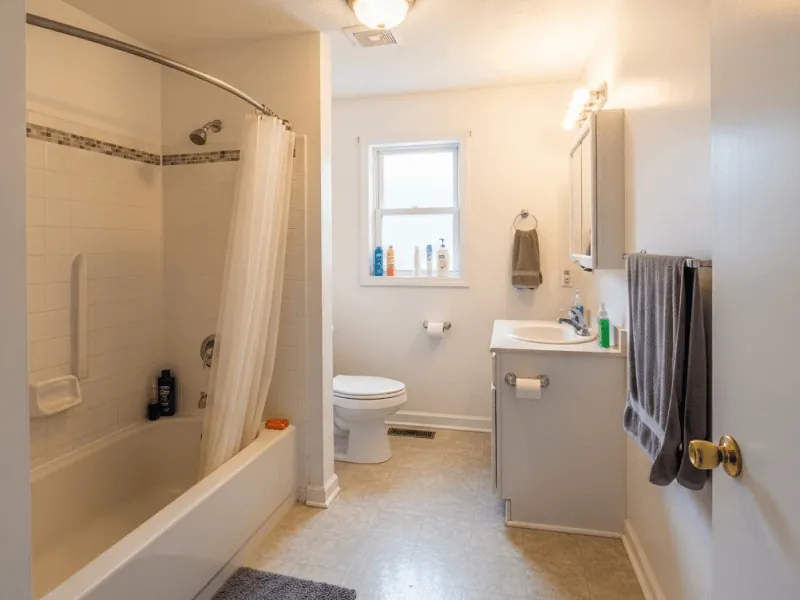


If adding a bathroom to your home is in your 2026 plans, keep in mind that the bathroom addition cost can look very different depending on the choices you make, from the overall size and layout to the finishes and labor required.
In most cases, homeowners spend anywhere between $13,646 and $45,511, with many projects averaging close to $28,341.
Instead of going in blind, we will help you know where your money is likely to go. This guide explores the biggest cost drivers behind a bathroom addition, gives you a clearer idea of what to expect, and shares tips for working with contractors so you can get the most value for your budget.
The time to have your dream throne room is now!
Key takeaways
The cost of a new bathroom addition generally ranges from $13,646 to $45,511, depending on project scope and finishes.
The average cost of a bathroom addition falls near $28,341, balancing quality and affordability.
Choosing standard materials and design options can help keep your cost of bathroom addition closer to the lower end of the spectrum.
Premium fixtures and complex layouts often push the cost toward the high end of the range.
What Type of Bathroom Do You Want to Add?
Bathroom additions come in various forms, each tailored to meet different space, functionality, and design needs. The cost for an additional bathroom can vary significantly depending on the size and complexity of the project, materials used, urgency, and your geographic location.
| Type of Service | Cost | Features |
|---|---|---|
Full Bathroom Addition | $13,645 - $45,511 | Complete new bathroom installation, including a brand-new plumbing project, fixtures, and finishes. |
Half Bathroom Addition | $5,137 - $13,815 | A smaller bathroom with a toilet and sink, often added in limited space areas. |
Master Bathroom Expansion | $23,234 - $59,099 | Enlarging an existing master bathroom with luxury upgrades and added features, especially common in custom home investments. |
Accessibility Bathroom Addition | $15,445 - $35,289 | Bathroom designed for accessibility with grab bars and walk-in showers additional costs. |
Powder Room Installation | $4,290 - $18,354 | Small bathroom, primarily consisting of a toilet and vanity for guests. |
Full Bathroom Addition Costs
A full bathroom addition involves building an entirely new bathroom from the ground up, including all plumbing, electrical, ventilation, and finishing work. This type of addition is ideal when you need a fully functional bathroom in a new space within your home.
The cost to add a full bathroom addition can range from $13,645 to $45,511, with an average around $28,341.
When considering how much a bathroom addition costs for a full bathroom, key factors include the size of the bathroom, the complexity of plumbing installation, the choice of fixtures, and the quality of materials.
Half Bathroom Addition Costs
A half bathroom addition typically includes only a toilet and sink, making it a more affordable and space-efficient option. These are popular for use in powder rooms or guest bathrooms where bathing facilities are not required.
Prices typically fall between $5,137 and $13,815, with an average cost of building a bathroom addition near $8,731. Major cost drivers include plumbing accessibility, fixture quality, and layout modifications.
Master Bathroom Expansion Costs
Expanding a master bathroom allows for more space and luxury features such as double vanities, separate tubs and showers, or premium finishes. This is often a more extensive remodeling project that affects existing room dimensions.
Costs for master bathroom expansions range from $23,234 to $59,099, with the average cost to add a bathroom addition around $36,788. Material upgrades, structural changes, and fixture choices are the primary factors influencing price. You can also check on additions and remodels pricing for a better understanding.
Accessibility Bathroom Addition Costs
Accessibility bathroom additions focus on creating barrier-free environments tailored for individuals with mobility issues. This includes installing grab bars and roll-in showers, as well as paying for lowered countertop prices[1].
These renovations typically range from $15,445 to $35,289 with an average cost of $23,836.
Customization, compliance with specific codes, and specialized hardware are the key cost considerations.
Bathroom Addition Cost per Square Foot
Another way to estimate your budget is by looking at the bathroom addition cost per square foot. This method is especially useful early in the planning process when you don't yet have full details about fixtures or finishes.
| Size | Cost |
|---|---|
Small (40-60 sq. ft.) | $11,641 - $27,797 |
Medium (70-100 sq. ft.) | $22,937 - $43,950 |
Large (120+ sq. ft.) | $38,809 - $78,741 |
Why Square Footage Matters
- Material Costs: Larger bathrooms require more flooring, tile work, drywall, and paint, which increase costs proportionally.
- Labor Intensity: Bigger spaces often involve more complex layouts and longer installation times.
- Fixture Count: A small half-bath might only need a sink and toilet, while a large master bath could include a tub, shower, or more expensive vanity installation.
Using the bathroom addition cost per square foot as a baseline makes it easier to compare bids from contractors and adjust your design choices to stay within budget.
How Much Does a Bathroom Addition Cost per Hour?
The hourly cost for bathroom addition services often varies based on the specific tasks performed, the contractor's expertise, and your location. You will typically encounter a range of hourly charges tied to different phases of the project, from demolition to plumbing and finishing work.

To break it down further:
- Demolition and Prep Work: Initial work, such as removing old fixtures and preparing the space, generally involves moderate hourly rates. Certified professionals ensure the space is ready for the build-out without damaging existing structures.
- Plumbing and Electrical Work: These critical services often command higher hourly rates due to the specialized skills and licensing requirements[2]. Proper installation is essential to avoid costly repairs later.
- Framing and Carpentry: Building the new bathroom's structure and installing cabinetry expenses are charged based on craftsmanship and complexity.
- Tiling and Finishing: Finishing touches like tile installation, painting, and fixture fitting have their own hourly fees, often dependent on material quality and design intricacy.
- Project Management: If you hire a general contractor or project manager, expect additional hourly charges that cover coordinating tradespeople, scheduling, and ensuring timelines are met.
This way, you can plan out labor costs more transparently. However, there are other factors that will affect the final price.
9 Common Factors Affecting a Bathroom Addition Cost
Recognizing these key elements can guide you in making cost-effective decisions while ensuring quality results. Here are the main factors that affect bathroom addition cost:
- Size of the Bathroom: Larger bathrooms with advanced features such as dual vanities, a separate shower and tub, or high-end finishes tend to increase both labor and material costs significantly.
- Existing Plumbing Access: The proximity and accessibility of existing water lines and sewage systems can impact the cost to build an additional bathroom space. More invasive or extensive plumbing work elevates the project price.
- Permits and Inspections: Local building codes often require permits and inspections for bathroom additions[3]. Fees for permits vary by location and may add to your overall project expenses.
- Fixture Selection: Choosing standard versus luxury fixtures (toilets, sinks, showers, faucets) affects material costs and can also impact installation difficulty and time[4].
- Structural Modifications: Adding a bathroom might require costly home foundation modifications to accommodate the new space, increasing labor and material expenses.
- Electrical Requirements: Bathrooms often need specialized electrical work such as GFCI outlets, lighting upgrades, and ventilation fans, which add to installation time and costs[5].
- Finishing Materials: The quality and type of flooring, tiling, cabinetry, and paint can widely vary in price and affect how long finishing work takes.
- Site Accessibility: Difficult access to the work area or unique site conditions (like older homes with outdated wiring/plumbing) can slow progress and raise hourly labor rates.
- Contractor Experience and Location: Rates fluctuate depending on the contractor's reputation, certifications, and your geographical area. Urban areas and high-demand markets generally have higher hourly costs.
However, if you are wondering if remodeling is best for you instead of adding, there are other factors to pay attention to.
Addition vs. Remodel: What Is Ideal for You, Your Bathroom, and Your Pocket
If you are debating between a new bathroom addition and an existing bathroom remodel, there are important aspects to take into consideration. Take a look:
- Bathroom Addition: This involves constructing a brand-new bathroom, typically requiring framing, plumbing, electrical, drywall, flooring, fixtures, and finishes. It often means structural work, extending the home's footprint, or converting unused spaces.
- Bathroom Remodel: Remodeling focuses on updating an existing bathroom without altering its location or size[6]. It includes replacing fixtures, upgrading finishes, improving layouts within existing walls, and addressing plumbing or electrical updates.
| Project | Cost | Description |
|---|---|---|
Bathroom Addition | $13,646 - $45,511 | Full build requiring structural and utility work. |
Bathroom Remodel | $6,727 - $32,880 | Cosmetic and functional upgrades within the existing space. |
Additions generally have higher upfront costs due to the breadth of construction, but they add significant livable space and potential property value. The budget for bathroom remodels offers less costly updates with faster completion, but does not expand usable square footage.
Financial Benefits of Bathroom Addition vs. Remodel
If you are wondering about the return on investment you will have in each of these options, the bathroom addition return on investment versus a remodel helps prioritize investment based on long-term property value impact.
| Project Type | Average ROI | Notes |
|---|---|---|
Bathroom Addition | 60% - 70% | Adds new functionality, highly desirable in most markets |
Bathroom Remodel | 50% - 60% | Updates fixtures and layouts, recoups a significant portion of the cost |
Several factors influence the return on investment (ROI) of a bathroom addition. The quality of materials and workmanship plays a big role in long-term value, while market demand for extra bathrooms or modern interiors can boost appeal to buyers.
- Bathroom Addition ROI: Adding a new bathroom can substantially increase a home's value, especially in markets where additional bathrooms are highly desired. The ROI will vary based on project scale, finishes, and local demand. It often yields a favorable percentage return due to increased functionality and appeal to buyers.
- Bathroom Remodel ROI: Remodels typically recoup a significant portion of their cost, but usually deliver lower overall ROI compared to additions. Mid-range remodels focusing on modern fixtures, improved layouts, and quality finishes tend to maximize ROI.
ROI also depends on how well the project aligns with neighborhood comparables and typical home layouts, as well as the scale and efficiency of the design itself.
How Much Does a Bathroom Addition Cost in My State?
Adding a bathroom is one of the most valuable home upgrades, but the price can vary widely depending on where you live. States with high labor costs, strict building codes[7], or expensive materials usually land at the top of the price range, while regions with lower wages and easier permitting processes tend to be more budget-friendly.
| State | Cost |
|---|---|
California | $18,960 - $82,362 |
Texas | $13,455 - $64,402 |
New York | $23,560 - $89,453 |
Florida | $10,935 - $60,563 |
Illinois | $13,547 - $69,069 |
Ohio | $11,250 - $62,473 |
Georgia | $12,138 - $61,309 |
North Carolina | $10,735 - $59,619 |
Arizona | $11,972 - $60,514 |
Washington | $15,393 - $70,326 |
States like California, New York, and Washington tend to be the most expensive places for a bathroom addition because of high labor costs, stricter building codes, and pricier materials.
On the other hand, locations such as Texas, Georgia, and North Carolina are generally more affordable thanks to lower wages, simpler permitting processes[8], and a competitive contractor market.
Regional Cost Drivers
- Labor costs: States like California and New York have some of the highest wage rates, which push installation costs upward.
- Material availability: Areas with strong local supply chains (like Texas or Florida) may see lower costs compared to regions where materials must be shipped long distances.
- Permitting and inspection fees: Certain municipalities require multiple permits and inspections for plumbing and electrical work investments, which can add hundreds to the final bill.
- Climate considerations: Cold-weather states may need extra insulation and waterproofing, while hot, humid climates may require mold-resistant materials.
It is especially important to get multiple quotes and explore cost-saving strategies like choosing standard fixtures or combining projects to reduce labor charges.
Wherever you live, always verify local building codes, ask about permit requirements, and compare bids from licensed contractors. This guarantees you will get an accurate estimate and avoid costly surprises once construction begins.
Should You DIY or Go Pro When Planning a Bathroom Addition?
Bathroom additions are complex and require expertise in plumbing, electrical work, and structural modifications. Attempting to do it yourself can quickly lead to unexpected expenses, safety hazards, or building code violations.

Risks of DIY Bathroom Additions
- Building Code Violations: DIY work without permits or knowledge can lead to costly fines and the need for rework[9].
- Safety Hazards: Improper plumbing or electrical work creates risks of leaks, electrical fires, or structural damage.
- Time and Stress: DIY projects often take much longer than expected and can cause frustration or burnout.
- Lower Resale Value: Poor workmanship can negatively impact your home's value and appeal.
Advantages of Hiring a Qualified Professional
- Expertise and Experience: Licensed contractors understand local codes, best materials, and efficient workflows.
- Quality and Warranty: Professionals provide warranties on labor, giving peace of mind.
- Time Savings: Projects finish faster with a skilled team managing the process.
- Cost Efficiency Long-Term: Avoid costly mistakes, repairs, and reworks by getting it right the first time.
Hiring a professional ensures that the job is done efficiently, safely, and up to local standards[10], often saving money over time by avoiding costly mistakes and delays.
How to Save on Bathroom Addition Costs Without DIY
Adding a bathroom is a significant investment, but there are smart ways to keep expenses under control without sacrificing quality or safety[11]. Here are some insider tips to reduce bathroom addition costs:
- Plan Thoroughly: Create a detailed budget and timeline before starting the project to avoid surprises.
- Reuse Materials: Salvage or refurbish existing fixtures, cabinetry, and tiles where possible.
- Choose Standard Fixtures: Opt for widely available, standard-size fixtures instead of custom or luxury alternatives.
- Limit Structural Changes: Minimize the need for major plumbing rerouting or wall demolition costs.
- Get Multiple Quotes: Compare estimates from several licensed professionals to ensure competitive pricing.
- Negotiate Payment Terms: Discuss deposit amounts and final payments to spread out costs comfortably.
- Schedule Wisely: Avoid peak construction seasons when prices and demand may be higher.
- DIY What You Can Safely Handle: Take on simple cosmetic tasks like painting or installing towel racks[12].
For the best value and quality, trust the experts. Reach out to a qualified home improvement professional today! Find reliable pros in your area who offer competitive prices and trustworthy service. Get personalized quotes and make your bathroom project stress-free and cost-effective.
Bathroom Addition FAQs: All About Your New Bathroom
References
[1]Portland Bureau of Development Services. "Do You Need a Permit for Your Home Project?" Portland.gov, 2024, www.portland.gov/ppd/residential-permitting/do-you-need-permit/residential-permits.
[2]Oregon Building Codes Division. "About Oregon Residential Building Permits." Oregon.gov, 2024, www.oregon.gov/bcd/lbdd/pages/oregon-permits.aspx.
[3]Los Angeles County Department of Public Works. "Building Permit Requirements for Bathroom Additions." LA County Building and Safety, 2024, pw.lacounty.gov/general/faq/index.cfm?Action=getAnswers&FaqID=JCFdPzZSMCAgCg%3D%3D.
[4]Portland Bureau of Development Services. "Simple Bathroom Permits." Portland.gov, 2024, www.portland.gov/ppd/residential-permitting/residential-projects/simple-bathroom-permits.
[5]U.S. Department of Justice. "Americans with Disabilities Act Accessibility Guidelines." ADA.gov, 2024, www.ada.gov/law-and-regs/design-standards/2010-stds/.
[6]Commonwealth of Massachusetts. "Massachusetts Law About Home Improvement." Mass.gov, 2024, www.mass.gov/info-details/massachusetts-law-about-home-improvement.
[7]San Diego Development Services Department. "Building Permit Information." San Diego.gov, 2024, www.sandiego.gov/development-services/permits/building-permit.
[8]Seattle Department of Construction and Inspections. "Construction Permit - Addition or Alteration." Seattle.gov, 2024, www.seattle.gov/sdci/permits/permits-we-issue-(a-z)/construction-permit---addition-or-alteration.
[9]City of New York Department of Buildings. "Renovating Kitchens & Bathrooms." NYC.gov, 2024, www.nyc.gov/site/buildings/property-or-business-owner/renovating-kitchens-bathrooms.page.
[10]Fairfax County Land Development Services. "Does My Project Require a Permit?" Fairfax County, 2024, www.fairfaxcounty.gov/landdevelopment/when-permit-required.
[11]St. Louis County Transportation and Public Works. "Kitchen and Bath Remodel Guidelines." St. Louis County Missouri, 2024, stlouiscountymo.gov/st-louis-county-departments/transportation-and-public-works/publications-and-manuals/pw-residential-guides/kitchen-and-bath-remodels1/.
[12]U.S. Department of Labor Occupational Safety and Health Administration. "Construction Safety Standards." OSHA.gov, 2024, www.osha.gov/construction.


