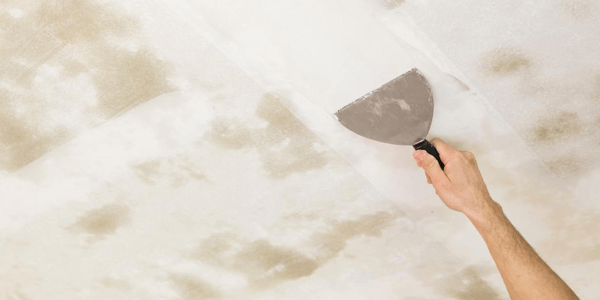
In 2026, knowing your house painting cost helps you plan an interior refresh, an exterior repaint, or both. Most projects fall between $3,000 and $6,743, with an average around $4,499.
Below, you will find labor vs. materials, common project sizes, per-square-foot pricing, add-ons, timelines, and hiring tips. It also includes industry context on surface prep and finishes[1]. Use it to compare written estimates and choose a scope that fits your home and budget.
House Painting Cost By Size
In 2026, painting cost changes quickly with size and layout because bigger or more detailed spaces take more paint, more prep, and more labor hours. Use the ranges below to match your scope to a realistic budget.
Project size also affects crew needs, access, and how much surface preparation is required. If you are mapping out a larger upgrade plan, the project cost estimates page can help you benchmark other common home projects.
Single-Room Paint Job (Bedroom or Office)
A single-room job usually includes one enclosed room, the walls, baseboards, and simple trim. Most do not involve scaffolding or major repairs.
- Cost Range: $486 - $1,484
- Average Cost: $862
For one-room projects, labor time is usually the main driver. Prep, patching, and the number of coats set the pace more than the room size alone. Many standard bedrooms take about half a day to a full day for a professional crew, depending on repairs and drying time.
Several-Room Project (Two to Four Adjacent Rooms)
Multi-room projects often include hallways and coordinated colors to keep the look consistent and reduce waste. This scope is common when updating connected living spaces.
- Cost Range: $1,386 - $4,186
- Average Cost: $2,482
Painting several rooms can reduce repeated setup, but total hours climb, especially in occupied homes. Furniture moving, protecting floors, touchup matching, and longer drying cycles can all affect scheduling. Many two to four room jobs take one to three days.
Whole Interior of a Typical Home
A whole-interior repaint usually includes living areas, bedrooms, ceilings, trim, and often closets. Contractors typically stage the work room by room to keep the home usable.
- Cost Range: $2,846 - $6,576
- Average Cost: $4,392
Condition matters most at this scale. Extensive patching, popcorn ceiling removal, or trim replacement adds time and labor. Special handling and disposal typically becomes a concern when hazardous materials such as lead or asbestos are involved, or when demolition goes beyond normal paint prep. Many occupied homes take several days to a week to complete.
House Exterior (Siding, Trim, and Fascia)
Exterior painting typically includes siding and trim, plus prep like washing, scraping, and caulking. One-story and two-story homes differ mostly in access, safety requirements, and setup time.
- Cost Range: $1,859 - $8,326
- Average Cost: $4,297
Exterior work often costs more because crews must manage ladders, scaffolding, and weather windows. Rotted wood repair, caulk replacement, and height-related safety needs can raise labor time. Because curing depends on temperature and moisture, exterior schedules can also stretch due to rain, cold, or extreme heat. Many exteriors take several days to a week or more, depending on conditions.
Entire House Painting Package (Interior Plus Exterior)
Bundling interior and exterior work can reduce repeated mobilization, but it also adds coordination. This option is common before listing a home or after a larger renovation.
- Cost Range: $6,482 - $13,844
- Average Cost: $9,368
With a combined scope, contractors coordinate crews, materials, and drying schedules across both areas. Exterior access equipment can become a meaningful line item. Painting alone usually does not require a permit, but permits may apply if the job includes structural repairs, scaffolding in public or right-of-way areas, or regulated lead or asbestos handling.
Cost to Paint a House Interior and Exterior by Type
House painting covers several related services, from repainting walls to refinishing cabinets. Pricing changes with surface condition, prep level, materials, and how detailed the work is. Many contractors break estimates into labor and materials, which you can also compare against typical house repaint pricing.
| Type of Service | Cost | Features |
|---|---|---|
Interior Painting | $2,157 - $6,157 | Painting walls, ceilings, and trim inside a home; includes prep such as patching and sanding for a fresh finish. |
Exterior Painting | $3,199 - $6,930 | Painting siding, trim, and sometimes fascia; often requires power washing, caulking, and weather-resistant coatings. |
Wallpaper Removal | $615 - $2,495 | Stripping old paper and adhesive, repairing any substrate damage, and preparing the wall for paint or new finishes. |
Drywall Repair | $249 - $1,390 | Fixing holes, cracks, or water damage with patching, tape, and skim coats before repainting. |
Cabinet Painting | $1,873 - $5,192 | Refinishing or repainting kitchen and bathroom cabinets, including priming and durable topcoats for frequent use. |
Deck Staining | $692 - $2,206 | Cleaning and staining or sealing deck surfaces to protect wood and enhance appearance; may include minor wood repairs. |
Interior Painting Costs
Interior painting ranges from single rooms to whole-home repaints. In 2026, pricing typically runs from $2,157 to $6,157, with an average near $3,880.
Common price drivers include paintable area, number of coats, trim detail, and how much surface prep is needed. For a deeper breakdown by room and scope, see the cost of interior painting.
Exterior Painting Costs
Exterior painting includes siding and trim, plus the prep needed to help coatings hold up to sun, wind, and moisture. Typical costs range from $3,199 to $6,930, with an average around $4,748.
Surface preparation standards and finish selection can influence both the price and how well the coating performs over time, based on industry guidance on decorative finishes[1].
Drywall Repair Costs
Drywall repair is often scheduled right before painting, especially after dents, settling cracks, or moisture issues. Costs commonly range from $249 to $1,390, with an average of $615.
Pricing depends on the size and location of the damage, whether sections need replacement or can be patched, and how closely the finish must match surrounding walls.
House Painting Cost Per Square Foot Breakdown
Many contractors quote painting per square foot because it ties labor, materials, and prep to a measurable area. Per-square-foot pricing often includes paint, basic prep, one or more coats, and cleanup.
When estimating, pros measure paintable surface area, and industry guidelines explain how openings and trim factor into those measurements[2]. For interiors, pricing is usually based on wall and ceiling surface area, not just the home's floor plan size. For exteriors, it is based on exterior wall surface area. That is why a home's listed square footage is only a starting point.
If you are comparing a per-room bid to a per-square-foot bid, the cost of painting a room guide can help you line up what is included.
| Service Type | Cost | Details |
|---|---|---|
Whole House Painting | $2 - $4 | Covers uniform exterior or interior projects, includes setup, basic masking, and standard cleanup; large jobs may lower per-square-foot labor costs. |
Interior Wall Painting | $2 - $4 | Price reflects wall prep, repairs, primer use, and number of coats; texture, patching, and high ceilings raise costs. |
Exterior Wall Painting | $2 - $4 | Factors include surface cleaning, weatherproof primers, scaffolding, and paint durability; exposure to elements increases labor and material needs. |
Ceiling Painting | $2 - $4 | Ceilings require different access and technique; popcorn removal, repairs, and higher ceilings increase time and per-square-foot price. |
Trim Painting | $2 - $6 | Trim work is more detailed and often billed per foot or per sq. ft. when included, with extra time for sanding, caulking, and precise finish work. |
Biggest drivers of per-square-foot changes include surface condition, primer needs, and the number of coats. Peeling paint, water damage, and heavy patching increase both labor time and material use.
Logistics matter, too. Scaffolding, extensive masking, staged work to keep rooms usable, and specialty finishes can all push the per-unit price higher.
House Painting Cost by Material
Material affects prep time, primer choice, and the type of coating that performs well. Porous or textured surfaces generally take more labor and more product, which raises costs.
Homes built before 1978 may contain lead paint, and testing or abatement can add cost and planning time[3].
| Item | Cost | Description |
|---|---|---|
Wood Siding | $3,526 - $8,296 | Natural boards that take stain or paint well. Often requires more prep and maintenance, but delivers warm, high-end appearance and can be spot-repaired. |
Vinyl Siding | $2,968 - $6,862 | Low-maintenance synthetic panels. Painting is less common but possible; requires heat-safe, flexible coatings and careful cleaning for adhesion. |
Brick Wall | $3,387 - $7,492 | Masonry has high porosity and may need masonry primer and breathable paint. Painted brick alters curb appeal and can require tuckpointing first. |
Stucco Wall | $3,298 - $7,288 | Rough, textured surface that often uses elastomeric or high-quality masonry acrylic coatings to bridge hairline cracks and resist moisture. Prep is labor-intensive. |
Fiber Cement Siding | $3,184 - $7,246 | Durable, dense panels that hold paint well and require less frequent repainting. Prep is moderate and finishes stay crisp for years. |
Aluminum Siding | $2,916 - $6,284 | Metal panels need deoxidizing cleaners and metal primers to prevent peeling. Painting restores color without replacement when done correctly. |
Concrete Wall | $2,478 - $5,714 | Poured or block concrete requires patching, cleaning, and breathable masonry paints. Some smooth bare concrete may need etching or grinding; pros select prep based on the specific surface. |
What typically changes the most across materials is how much cleaning, scraping, repair, and priming is needed before paint goes on. Access also plays a role. Multi-story elevations, tight setbacks, and heavy masking add labor hours.
Product and workflow choices can shift costs as well. Using pre-finished or factory-coated trim and siding can reduce on-site painting time, which may lower labor needs for certain scopes[4]. Color changes, coverage needs, and premium paint lines can also move the total up or down.
6 Factors That Affect the Average Cost to Paint a House
Painting estimates in 2026 can look very different, even for homes of similar size. The factors below are the ones that most often explain why one bid is higher than another.
- Surface Preparation: Prep can include cleaning, scraping, filling cracks, sanding, priming, and sometimes wallpaper removal. More prep means more labor, and it is often where estimates differ most. If wallpaper is part of the job, compare with the typical cost of wallpaper removal. Industry standards also outline different prep levels that affect both pricing and performance[5].
- Paint Type and Quality: Higher-grade paints can improve coverage and wear resistance, but they raise material costs. Specialty products, such as mildew-resistant coatings or masonry systems, also add cost because they require specific application steps.
- House Size and Complexity: Bigger homes cost more to paint, but complexity drives labor, too. Multiple colors, heavy trim, lots of windows, and decorative details mean more masking and cutting in.
- Accessibility and Height: Ladders, scaffolding, lifts, and extra safety setup add time. Tight landscaping or limited access can slow production and increase labor hours.
- Lead Paint, Testing and Containment: Homes built before 1978 may contain lead-based paint. If lead is present or suspected, testing, containment, and certified practices can raise costs under federal renovation requirements[6]. In these cases, look for contractors certified under EPA's Renovation, Repair and Painting (RRP) program, or equivalent state programs.
- Labor Rates and Contractor Experience: Regional wage differences and crew structure affect bids. Contractor experience, cleanup practices, warranty terms, and expectations for finish quality all influence pricing, including the role of labor cost per hour for house painting.
How Much Does It Cost to Paint a House by State
State-to-state price differences usually come down to labor rates, contractor availability, material logistics, and local demand. Use the ranges below as a planning tool for 2026, then confirm with local written quotes for your specific home.
| State | Cost | Details |
|---|---|---|
California | $3,588 - $7,816 | Higher labor and living costs raise contractor rates in urban areas. Coastal climate and strict local codes can increase prep work and paint grade requirements. |
Texas | $2,684 - $6,088 | Large state with variable pricing, lower labor costs in many areas, and seasonal demand driven by spring and fall projects. Long travel distances can add to remote job pricing. |
Florida | $3,126 - $6,964 | Humid, coastal climate increases need for weather-resistant paints and frequent maintenance. Strong market demand and hurricane-related repairs affect pricing. |
New York | $3,494 - $7,682 | High labor costs in metropolitan regions and strict building codes boost costs. Older homes often require more prep and restoration before painting. |
Illinois | $2,868 - $6,428 | Midwest labor rates are moderate, with seasonal peaks in spring and summer. Urban centers may cost more due to permit and access challenges. |
Washington | $3,278 - $7,246 | Pacific Northwest climate calls for moisture-resistant coatings and more exterior prep. Higher material costs in some areas and strong demand raise prices. |
Arizona | $2,742 - $6,241 | Dry, sunny climate influences paint selection and sometimes reduces prep for moisture issues. Heat and UV exposure drive demand for UV-resistant finishes. |
State ranges are useful for setting expectations, but neighborhood-level pricing can still differ. Size, condition, access, and paint specifications typically explain most of the difference between estimates.
Add-Ons for House Painting
Add-ons are optional services that can improve durability, correct problem surfaces, or create a more custom look. They increase the total project price, so it helps to decide what is worth it before you request bids.
| Add-On | Cost | Details |
|---|---|---|
Texture Application | $420 - $1,646 | Applies a consistent wall or ceiling texture to mask imperfections and create a uniform finish. Useful for matching existing surfaces. |
Accent Wall Painting | $187 - $615 | Single-wall color treatments, specialty finishes, or patterns that require extra time and precision. Often chosen for focal areas. |
Trim Painting | $430 - $1,732 | Includes doors, baseboards, window casings, and other trim, typically requiring sanding and multiple coats for a clean look. |
Molding Painting | $366 - $1,499 | Covers crown and decorative molding, which can require detailed brushwork and touchups for tight joints. |
Popcorn Ceiling Removal | $1,216 - $4,728 | Removes textured ceilings and prepares surfaces for paint; if asbestos is present, removal and disposal must follow strict regulations[7]. Older ceilings, especially pre-1980, should be lab-tested for asbestos before scraping; any asbestos must be handled by licensed abatement pros. |
Lead Paint Encapsulation | $1,184 - $4,624 | Encapsulation applies a specialist coating over lead paint to encapsulate hazards without full abatement, useful for certain older homes. Approved encapsulants should be used only on stable, intact surfaces and applied under lead-safety guidelines; some situations require full abatement instead. |
Surface Sealing | $286 - $1,186 | Priming and sealing porous or stained surfaces to improve adhesion and hide discoloration before finish coats. |
Add-on pricing usually depends on labor intensity, access, and the amount of prep required. Detailed trim work and ceiling projects often take longer than homeowners expect, especially when repairs and containment are involved.
If your bid includes ceilings, it can help to compare it to typical painting a ceiling costs so your budget reflects the added setup and surface work.
Return on Investment for House Painting
In 2026, painting can deliver meaningful value because it upgrades first impressions and helps protect surfaces from wear. ROI is most relevant if you are preparing to sell, trying to preserve home equity, or deciding between painting and a larger remodel. Some specialty coatings may be marketed as energy-related upgrades, but the real-world benefit depends on product data and local conditions.
Key ROI Drivers
- Material Quality and Durability: Higher-quality paints can hold color and resist wear longer, which may delay the next repaint.
- Energy Efficiency: Reflective exterior coatings may offer modest cooling benefits in hot, sunny climates. Marketing claims vary, so review product information carefully.
- Professional Installation: Good prep and application help prevent early peeling, flashing, and uneven coverage.
- Market Demand: Neutral, clean finishes typically align with common buyer expectations.
- Maintenance Requirements: Lower-maintenance coatings and better prep can reduce repaint frequency.
- Curb Appeal and Aesthetics: A cohesive exterior and fresh interior can improve perceived value during showings.
| Service | Estimated ROI | Details |
|---|---|---|
Touch-Up and Minor Repair | 60-80% | Small fixes and targeted touch-ups refresh appearance with limited cost, but impact is localized. |
Full Interior Repaint | 80-120% | Neutral, well-executed interior paint often yields high perceived value and can make spaces sell faster. |
Full Exterior Repaint | 70-100% | Exterior repaint protects structure and boosts curb appeal; timing and color choice influence buyer response. |
Premium Exterior Upgrade (Coatings/Insulative Paints) | 75-110% | Higher material cost can be offset by longer durability and, in some cases, modest energy benefits in suitable climates, improving net ROI. |
Treat ROI as a planning guide, not a guarantee. Results depend on local market conditions, the home's baseline condition, and the quality of the finished work. If resale is a priority, compare your paint plan with local market expectations and broader remodeling data[8].
Signs You Need House Painting
Paint problems often show up well before major damage, so it pays to catch them early. Use the signs below to decide whether you can touch up, schedule routine repainting, or bring in a pro to investigate.
- Peeling or Flaking Paint: Lifting sheets of paint usually signal adhesion failure and call for prep and repainting.
- Severe Fading or Chalky Finish: UV exposure and binder breakdown can leave a powdery residue, which often points to an upcoming repaint.
- Water Stains or Bubbling Paint: Blistering, bubbling, or brown stains often follow leaks, so find and fix the moisture source first[10].
- Mildew or Mold Stains on Paint: Spotting on exterior shade areas or in bathrooms suggests moisture issues. Clean and correct the moisture problem before repainting[11].
- Cracked Paint With Exposed Substrate: Cracks that reveal wood, plaster, or other substrate can let moisture in and may require repair before paint.
- Excessive Chalking or Surface Powdering: If old paint powders heavily, new paint may not adhere without thorough surface prep.
If the problem is limited to a small area, monitoring or a DIY touchup may be enough. If moisture, mold, exposed substrate, or occupant symptoms are involved, schedule an inspection and any needed remediation[12].
How Often You Need House Painting
A planned repaint schedule helps protect surfaces and avoids last-minute, damage-driven projects. Timing depends on exposure, surface type, prep quality, and how well the last coating was applied.
- Exterior Surfaces: Sun, wind, and precipitation speed up wear. In many climates, exterior wood siding is often repainted about every 5-7 years, fiber cement every 8-12 years, and stucco roughly every 7-10 years, depending on prep and paint quality.
- Interior Walls and Ceilings: Many interior walls are repainted every 5-7 years. High-traffic areas, such as halls and entryways, may need attention closer to every 3-5 years.
- Trim and Woodwork: Doors, windows, and trim can wear faster than walls, especially at edges and joints where moisture and abrasion are common.
- High-Moisture Areas: Bathrooms, kitchens, and basements may need more frequent repainting if ventilation is poor and humidity is high.
A practical approach is to inspect surfaces periodically and repaint when you see clear failure signs, such as peeling, cracking, blistering, chalking, mildew, or water stains. Keeping a record of the paint line, sheen, and prep performed during the last job can also help you plan the next repaint more accurately.
Pros and Cons of House Painting
Painting affects curb appeal, indoor feel, and long-term surface protection. Before you schedule work in 2026, weigh these practical trade-offs.
| Pros | Cons |
|---|---|
Refreshes curb appeal and modernizes the home without major renovation. | Preparation and masking take time and can disrupt daily routines. |
Creates a protective barrier against moisture and UV exposure when applied correctly. | Results depend on prep quality, poor prep can lead to early failure. |
Interior repainting can brighten rooms and improve perceived space and light. | Odors and temporary room restrictions can be inconvenient during drying. |
Regular repainting helps prevent rot and prolongs the life of siding and trim. | Working at height increases risk and may require specialized equipment. |
Provides a chance to repair minor surface defects and correct past workmanship. | Hidden issues, such as rot or lead paint, may be discovered and need separate work. |
DIY may reduce cash cost, but it can extend the timeline, especially if you are learning as you go. Professional crews can move faster and often deliver more consistent coverage and cut lines.
For interior work, plan for cure time and ventilation. For exterior work, schedule around dry weather. When ladders, scaffolding, or solvent exposure is part of the job, follow residential construction safety precautions, including fall protection and respiratory guidance[13].
How to Save on Professional House Painter Cost
You can often lower your overall painting cost by tightening the scope and reducing avoidable labor time. Clear planning also helps prevent rework, especially when you are aiming for a high-quality finish[14].
- Plan a Realistic Schedule: Give crews clean access and enough time for prep and drying so the job stays efficient.
- Prepare the Site Yourself: Move furniture, clear walls, remove outlet covers, and protect valuables before the crew arrives.
- Consolidate Work: Group rooms or exterior areas into one project to reduce repeated setup.
- Specify Scope and Coats: Confirm in writing what is being painted, how many coats are included, and what cleanup covers.
- Confirm References and Portfolio: Look for projects similar to yours, especially for trim, cabinets, or detailed exteriors.
- Choose Durable Finishes: Use the right product and sheen for the surface so it holds up longer.
- Balance Cost With Quality: If one bid is far lower, ask what prep steps and paint specs are included. The cheapest bid can become expensive if peeling or uneven coverage shows up early.
Request estimates from qualified house painting pros through homeyou, compare services, and hire with confidence.
Frequently Asked Questions About House Painting
Most painting contracts include basic surface prep, priming as needed, two finish coats on agreed areas, protection for floors and furniture, minor caulking and patching, and final cleanup. Larger repairs, popcorn removal, wallpaper stripping, or carpentry are often priced as separate line items, so ask for a detailed scope in writing.
A single room often takes about a day, several rooms one to three days, and a full occupied interior several days to a week. Typical exteriors also take several days to a week or more, depending on weather, repairs, and drying time. Complex layouts, lead-safe work, or major patching extend schedules.
Ask about license and insurance, how they handle prep and repairs, what brand and line of paint they use, how many coats are included, and whether they follow lead-safe rules for older homes. Request a written, itemized estimate, a schedule, references, and details on workmanship and paint warranties.
Hidden rot, damaged trim, or water problems discovered during prep can add carpentry or repair costs. Lead paint or asbestos in popcorn ceilings may require testing and specialized containment. Extensive drywall repair, extra coats for dramatic color changes, or changes in color plan after work begins can also raise the bill.
A clean, neutral interior repaint and a well-done exterior often improve first impressions, which can support a higher perceived value and smoother showings. Painting also signals good maintenance. While there is no guaranteed return, buyers usually respond well to fresh, cohesive colors and tidy finishes.
Painting the whole house at once can lower per-room setup costs, keep colors consistent, and finish the disruption in a single window. Breaking work into phases spreads expense and is easier if you are occupied, but may cost more overall and can make matching colors later slightly harder.
DIY works best for small projects, single-story areas, and walls in good condition. You should be comfortable with ladders, masking, sanding, and cleanup, and have enough time for multiple coats. Hire a pro for multi-story exteriors, major repairs, lead paint concerns, or when you need a tight timeline.
Clear the rooms, remove wall decor, and move furniture before crews arrive. Group rooms or combine interior and exterior work when practical. Choose a simple color scheme and sheens suited to each room. Focus on high-impact areas first, and insist on a detailed written scope so you avoid change orders.
References
[1] "Definition and Application of Decorative Finishes", PCA, https://pcapainted.org/wp-content/uploads/2023/10/PCA-Industry-Standards\_20230918-P19.pdf.
[2] "Measurement of Surface Area for Estimating Painting and Decorating Work", PCA, https://pcapainted.org/wp-content/uploads/2023/10/PCA-Industry-Standards\_20230918-P10.pdf.
[3] Consumer Product Safety Commission, "Lead in Paint", https://www.cpsc.gov/Business--Manufacturing/Business-Education/Lead/Lead-in-Paint.
[4] "More Builders Are Saving Time and Money With Pre-Finished Millwork", NAHB, https://nahb.org/blog/2024/10/sponsored-metrie.
[5] "Levels of Surface Preparation for Repainting and Maintenance Projects Receiving Architectural Coatings", PCA, https://pcapainted.org/wp-content/uploads/2023/10/PCA-Industry-Standards\_20230918-P14.pdf.
[6] U.S. Environmental Protection Agency, "Renovation, Repair and Painting (RRP) Program Consumers", https://epa.gov/lead/renovation-repair-and-painting-rrp-program-consumers.
[7] U.S. Environmental Protection Agency, "Overview of the Asbestos National Emission Standards for Hazardous Air Pollutants NESHAP", https://www.epa.gov/asbestos/overview-asbestos-national-emission-standards-hazardous-air-pollutants-neshap.
[8] National Association of REALTORS®, "2025 Remodeling Impact Report", https://cms.nar.realtor/sites/default/files/2025-04/2025-remodeling-impact-report%5F04-09-2025.pdf.
[9] Occupational Safety and Health Administration, "Residential Construction Industry", https://osha.gov/residential-construction.
[10] U.S. Environmental Protection Agency, "Fix a Leak Week", EPA WaterSense, https://epa.gov/watersense/fix-leak-week.
[11] U.S. Environmental Protection Agency, "A Brief Guide to Mold, Moisture and Your Home", https://epa.gov/mold/brief-guide-mold-moisture-and-your-home.
[12] Centers for Disease Control and Prevention, "Mold", https://cdc.gov/mold-health/about/index.html.
[13] U.S. Department of Labor, "Residential Construction Industry - Hazards and Solutions", Occupational Safety and Health Administration, https://osha.gov/residential-construction/hazards-solutions.
[14] "Tips for the Trade: How to Create a Flawless Finish With Farrow & Ball", PCA, https://pcapainted.org/blog/tips-for-the-trade-how-to-create-a-flawless-finish-with-farrow-ball.