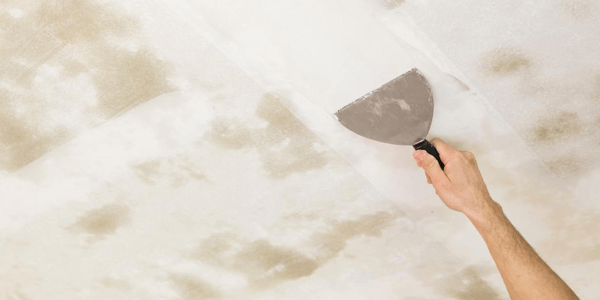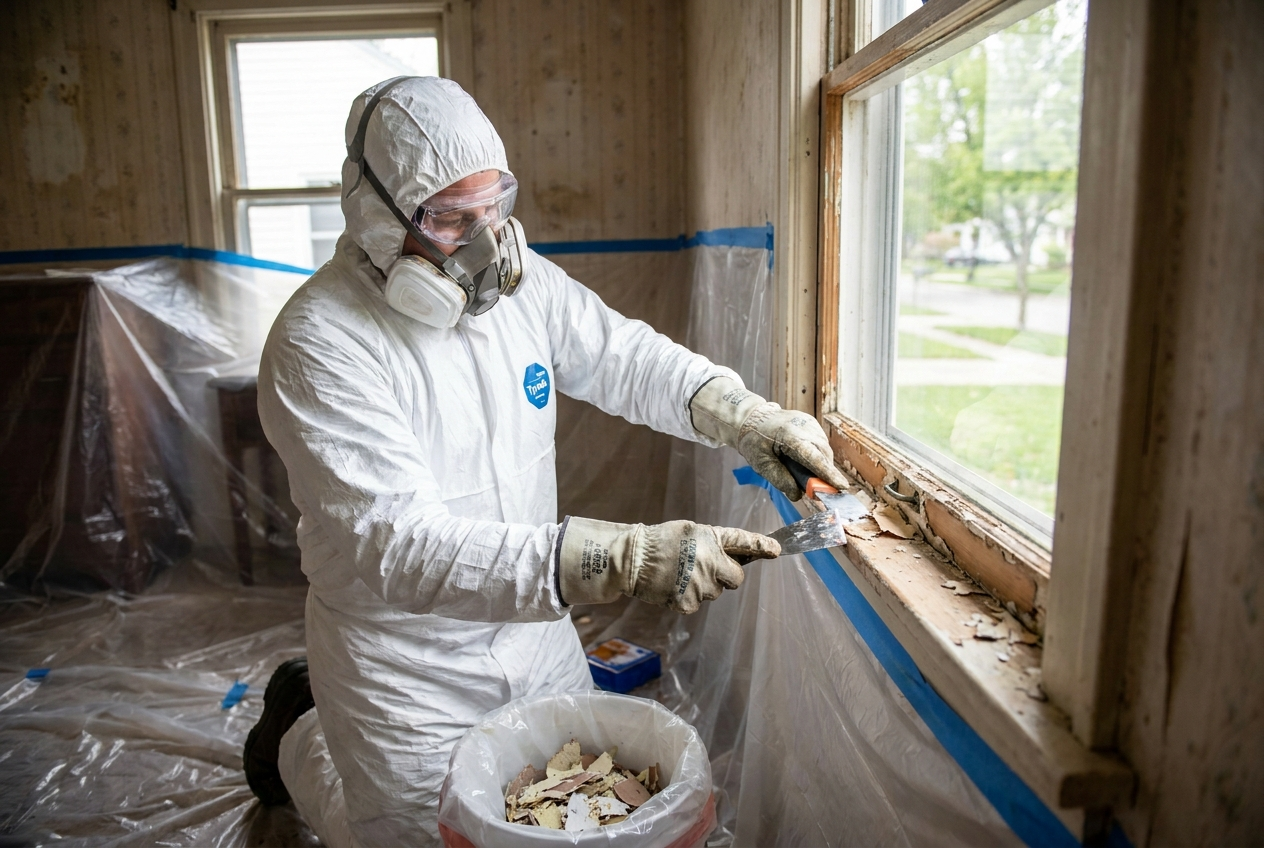


In 2026, lead paint removal cost typically ranges from $1,648 to $6,983, with an average around $3,427. If your home was built before 1978, work that disturbs older paint can fall under specific lead-safety rules; in many situations, you will want an EPA certified firm that follows Renovation, Repair and Painting (RRP) requirements and any state or local rules.
This guide walks through the biggest price drivers, compares common approaches, and explains what to ask for in a bid so you can plan the job without surprises[1]. Confirm that any contractor who will disturb old paint is trained and certified for lead-safe work, not only general remodeling.
Lead Paint Removal Cost Per Hour
Hourly pricing is most common for small areas, partial removals, or jobs where the full scope is still being defined. Hourly rates typically run $71 - $137 per hour. In many areas, lead related work still requires specific certification, so confirm local licensing and permit expectations and ask for documentation that the crew is qualified for lead-safe work[2].

Hourly work can make sense when setup and containment requirements are unknown, or when hidden damage could extend the timeline. Ask whether the hourly rate includes containment setup, HEPA filtration, cleanup, testing, and hazardous waste disposal.
Many contractors prefer flat-rate or per-square-foot bids for lead work because compliance steps are easier to define that way. If you do accept an hourly quote, ask for a written plan that lists tasks, estimated hours, and the safety steps they will use.
Read more


Lead Paint Abatement Cost by Type
Lead paint work can range from sealing paint in place to full removal with controlled cleanup. Your final price depends on the method chosen, the condition of the surfaces, and how much containment and verification the job requires. Choose the approach that fits the surface condition and your renovation plans, and make sure the work is performed using lead-safe practices.
| Type of Service | Cost | Features |
|---|---|---|
Lead Paint Encapsulation | $1,284 - $4,486 | Seal existing lead paint with specialty coatings to reduce chipping and dust. Often used when the substrate is sound and paired with a broader repaint plan. |
Full Lead Paint Removal | $1,648 - $6,983 | Complete abatement using chemical strippers and controlled mechanical methods with containment and compliant disposal. More invasive and typically higher labor costs. |
Remove Lead Paint From Windows | $312 - $1,007 | Detailed work on sashes, frames, and trim. Containment and trim repair can add time and cost. |
Remove Lead Paint From Doors | $274 - $882 | Targeted removal for interior and exterior doors. May involve taking doors off hinges, refinishing, and lead-contaminated waste handling. |
Clean Lead Paint Debris | $412 - $1,483 | Post-work cleanup with HEPA vacuuming, wet cleaning, and proper disposal. Costs scale with debris volume and any required testing. |
Lead Paint Encapsulation Costs
When evaluating lead paint encapsulation cost, keep in mind that encapsulation means applying a durable coating over intact lead paint. It is typically used to reduce dust and flaking when the underlying surface is in good shape, and it often pairs with broader painting investments once the hazard is sealed. Pricing commonly falls between $1,284 - $4,486, with an average near $2,569.
The biggest cost drivers are surface area, the number of coats, repairs needed to create a sound substrate, and access. Surface prep often follows established surface preparation levels used in the coatings industry[3]. Even when paint is sealed instead of removed, lead-safe containment and careful cleanup still matter, especially in older homes and child-occupied spaces.
Full Removal Costs
Full removal is used when paint is failing, surfaces are heavily worn, or long-term plans make removal the better fit. It may involve chemical stripping or controlled sanding and scraping using HEPA shrouded tools and containment. Expect costs in the $1,648 - $6,983 range, with an average around $3,427. Pricing increases with containment complexity, verification testing, and disposal requirements.
Some removal steps overlap with what you might see in paint stripping costs, but certified lead work usually adds time for containment, documentation, and specialized cleanup. Use contractors who can explain their process clearly and who have the right equipment, including HEPA vacuums and proper protective gear.
Debris Cleanup Costs
Debris cleanup covers HEPA vacuuming, wet wiping, bagging, and proper hauling of lead-contaminated waste after work is complete. It is often priced based on debris volume, how much of the home is affected, and whether post-work clearance testing is part of the scope. Typical costs run $412 - $1,483, with an average of $786.
You may see cleanup and disposal separated as their own line items on estimates. Treat them as core parts of lead work, not optional upgrades. Cutting corners here can leave dust behind and can create problems if clearance testing is required.
6 Factors That Affect the Average Cost to Remove Lead Paint from a House
Lead paint abatement pricing changes job to job because the safety plan and verification steps depend on your home and the surfaces being treated. These are the main factors contractors weigh when building a quote, and the same list can help you compare bids.
- Inspection and Testing: Testing helps confirm where lead is present and how extensive the work needs to be. Screening kits can be a first step, but formal inspection and clearance testing, when required, typically must be handled by qualified professionals. Ask for separate line items so you can compare lead paint testing and removal cost across bids.
- Size and Scope of Work: More square footage, more rooms, and more trim details usually mean more containment, more labor, and more waste.
- Local Permits and Regulations: Some areas require permits or specific documentation when remodels disturb painted surfaces, and those steps add time and fees[4].
- Abatement Method Selected: Encapsulation, enclosure, chemical stripping, and full removal have different labor and waste-handling requirements. Your choice also affects how long rooms may be unavailable.
- Containment, Cleanup, and Clearance Testing: More intensive containment and verification can add equipment and labor. EPA guidance on healthier painting and indoor practices highlights controls like ventilation and dust management that can influence how work is set up[5].
- Accessibility and Condition of Surfaces: High ceilings, tight stairwells, multi-story exteriors, and fragile or damaged substrates increase labor time and may require specialized access equipment.
Lead Paint Removal Cost Per Square Foot
Per-square-foot pricing is common because it ties labor, materials, and containment effort to the amount of surface being treated. Many per-square-foot bids include basic setup and cleanup, but testing and formal clearance sampling are often separate. Confirm what is included before you compare quotes[6].
Unit pricing also makes it easier to compare different strategies, such as full removal versus encapsulation, and to update the estimate if you add or remove areas from the scope.
| Service Type | Cost | Details |
|---|---|---|
Full Surface Lead Paint Removal | $8 - $22 | Complete abatement of painted surfaces, includes containment, HEPA vacuuming, and waste packaging. Complexity and access raise costs. |
Lead Paint Encapsulation | $3 - $9 | Applying sealants over existing paint. Lower disposal needs, but requires a sound substrate and ongoing monitoring. |
Wall Lead Paint Removal | $8 - $21 | Common interior wall treatments. Cost changes with wall height, trim detailing, and layered coatings. |
Ceiling Lead Paint Removal | $10 - $25 | Ceilings require more setup and may involve additional safety steps, which can raise labor and containment needs. |
Debris Cleanup and Disposal | $1 - $5 | Final HEPA cleaning and hazardous waste handling. Disposal fees and local rules are common cost drivers. |
Surface condition and containment complexity are usually the biggest drivers of per-square-foot pricing. Multi-layer paint systems and areas that require full-room containment or negative pressure setups take longer and use more equipment.
Disposal rules, the need for specialized HEPA tools, and whether clearance testing is part of the contract can also move the price. If you are planning to repaint afterward, compare timing and prep needs with interior painting prices so you do not pay twice for similar surface prep.
Add-ons: Cost to Remove Lead Paint from Windows and Doors
Add-ons are services that may be priced separately, depending on the contractor and the scope. Some are required parts of lead-safe work, while others are upgrades for extra control or convenience. Use this list to spot what is included in your base quote versus what is being added on.
Add-on pricing often comes down to how much equipment is needed, how large the contained area is, and whether work is being done room by room or across multiple spaces. When you compare bids, ask contractors to label which items are required for their process and which are optional upgrades.
Budgeting also goes more smoothly when you include lead paint inspection cost up front and coordinate finish work, such as costs for painting a room, so prep and scheduling are not duplicated.
DIY vs. Professional Lead Paint Removal Costs
Some homeowners consider DIY lead paint work for small areas, while larger projects are typically handled by certified professionals. This section compares common tasks and the practical trade-offs that affect safety, liability, and overall cost.
For many whole-room or whole-house projects, especially in pre-1978 homes, professional abatement is often the safer route and may be required depending on local rules and the type of property.

DIY Risks and What Professionals Bring
DIY lead paint work may look cheaper at first, but the risks are real, including spreading contamination, disposing of waste incorrectly, and missing verification testing. A DIY full removal commonly falls in the $186 - $915 range for materials.
Hiring a pro typically runs $1,726 - $7,218, which includes labor, documentation, and lead-safe procedures. For window work, DIY often costs $34 - $118 compared with $286 - $918 for professional service.
Federal consumer guidance for renovation highlights the importance of using lead-safe practices during remodeling and repair work[10]. Professional crews also follow workplace safety expectations for protective equipment when performing hazardous tasks[11]. If DIY work creates lingering dust or incomplete cleanup, it can complicate future inspections and create issues during a sale or rental disclosure.
To compare lead work with other projects you may be planning, review the project budget overview. If you are gathering bids for professional lead paint removal cost, use written scopes and proof of certification as your baseline for comparison.
Signs You Need Lead Paint Removal
Older homes can hide lead-based coatings under newer layers. Knowing what to look for can help you decide when to monitor, when to test, and when to call a professional. Focus on high-wear areas like windows, doors, trim, and stair rails, plus any surfaces that are chipping or generating dust. If you are planning related work, such as popcorn ceiling removal costs, plan lead testing early so the renovation scope stays consistent.
Homes built before 1978 are more likely to have lead-based paint, so take these signs seriously if your home is older or its renovation history is unclear.
- Chipping or Flaking Paint: Chips and flakes often signal failing layers that should be tested rather than simply painted over.
- Peeling Around Windows or Doors: Peeling in friction areas suggests rubbing has disturbed older coatings, which can release particles during normal use.
- Multiple Paint Layers or Ragged Edges: Visible layers or rough edges where paint has been scraped can point to older coatings beneath newer paint[12].
- Fine Dust on Floors or Sills: Dust that returns quickly near painted surfaces can indicate a hazard worth evaluating. The CPSC provides consumer information on lead in paint and related risks[13].
- Paint on Interior Trim That Rubs off: Smudging or transfer after light contact suggests weak adhesion and higher risk if the area is disturbed.
- Child-Accessible Chewed or Damaged Surfaces: Damage within reach of children warrants quicker inspection and a plan to reduce exposure.
Small, intact imperfections may be something you monitor. If you see chips, recurring dust, damaged trim in child-accessible areas, or multiple layers that test positive, schedule a professional inspection and discuss next steps.
Pros and Cons of Lead Paint Removal
Removing or controlling lead-based paint involves real trade-offs, including disruption, preservation goals, and long-term risk reduction. Use the list below to weigh the immediate inconvenience against the benefit of lowering exposure and improving documentation for future projects.
| Pros | Cons |
|---|---|
Reduces ongoing exposure to lead dust and chips, lowering health risks for children and pregnant adults. | Abatement is disruptive and can require temporary relocation or restricted access to rooms. |
Helps reduce hazards that could be released during future renovations or repairs. | Removal can damage original surfaces or historic finishes, complicating preservation goals. |
Can provide documentation and clearance results when performed by qualified professionals. | Proper removal may require specialized contractors, permits, and adherence to specific procedures. |
Allows fresh finishes that can simplify long-term cleaning and maintenance. | Work generates hazardous waste that must be handled and disposed of according to regulations. |
Improves homeowner confidence and may reduce disclosure concerns in future transactions. | Some methods require drying or curing time, which can delay follow-up work or reoccupancy. |
Spot repairs and encapsulation are often faster and less invasive, but they leave lead in place and require monitoring over time. Full removal reduces the chance that future renovations disturb lead paint, but it typically increases short-term disruption and the amount of waste handling.
If your home has historic features, talk with preservation specialists before removing original finishes, since method choice can affect both cost and appearance. When you plan renovations, align testing, scope, and any clearance steps early to avoid delays and change orders.
Compliance also matters. Local requirements tied to building codes and standards can affect who can perform the work and what documentation is required[14]. Ask for credentials, get the scope in writing, and confirm how the contractor will document cleanup before you treat the area as ready for normal use.
How to Save on Lead Paint Removal
You can often lower total project cost through planning, not by cutting safety steps. These moves help contractors work efficiently while keeping the scope focused and predictable.
- Prepare the Work Area: Move furniture, curtains, and breakables, and clear pathways so containment can be installed quickly.
- Bundle Related Repairs: Coordinate painting, carpentry, or window replacement so you avoid repeat setup and mobilization.
- Provide Clear Access: Secure pets, unlock work areas, and confirm utilities are available so crews can start on time.
- Obtain Multiple Written Quotes: Ask for itemized bids that separate testing, containment, removal, and disposal for clearer comparisons.
- Check Assistance Programs: Look into government home repair help that may address lead hazards for eligible households[15].
Ask each contractor for proof of certification and a written plan for how cleanup will be verified. Save money by reducing delays and rework, not by skipping containment, testing, or clearance steps.
Find vetted help by connecting with lead paint removal professionals through homeyou, so you can compare quotes, confirm certifications, and hire a crew with a clear scope and warranty.
Frequently Asked Questions About Lead Paint Removal
Lead paint projects usually start with testing and a written plan, followed by containment, protective gear, and dust control. Contractors then encapsulate, enclose, or remove lead paint, perform HEPA vacuuming and wet cleaning, bag and label waste, and may finish with clearance testing before the space is put back into normal use.
Timeline depends on the number of rooms, surface condition, and containment needs. A single small room may be done in a day, while a larger portion of a house can take several days or more, especially if there is extensive trim, high ceilings, detailed cleanup, and time needed for inspections or clearance testing.
Most homeowners focus first on high-risk areas: peeling paint, windows, doors, trim, stairs, and child-occupied spaces. Whole-house abatement is more disruptive but can simplify future projects. A lead inspection or risk assessment can help you prioritize which rooms or components need action now versus monitoring over time.
Ask if the firm and workers are currently certified for lead-safe work, what specific methods they will use, how they will contain dust, and what cleanup and clearance steps are included. Request references, a written scope, proof of insurance, and confirmation of how waste, testing, and documentation will be handled.
Surprise costs often come from discovering additional lead-painted surfaces, hidden damage that needs repair, extra containment for adjacent rooms, or added days of labor. Additional testing, repeated clearance samples, specialized disposal fees, and coordinating related repairs like window or trim replacement can also increase the final bill.
Lead paint work is disruptive, can temporarily limit access to rooms, and generates hazardous dust and waste that must be handled carefully. It may damage original finishes, especially on historic trim or windows, and often requires strict scheduling, inspections, and documentation that add complexity compared with ordinary repainting.
Very small, contained tasks may be manageable for careful homeowners following lead-safe guidelines, but larger jobs are safer with certified professionals. Pros have training, equipment, and procedures to control dust and waste. In some locations or rental settings, regulations effectively require certified firms for most disturbance of lead paint.
Clear furniture and decor from work areas, provide easy access, and plan to keep children and pets away. Decide in advance which rooms are priorities and coordinate follow-up work like painting or window replacement. Good preparation helps crews set up containment quickly and reduces the chance of schedule changes or rework.
References
[1] Consumer Product Safety Commission, "Lead in Paint", https://www.cpsc.gov/Business--Manufacturing/Business-Education/Lead/Lead-in-Paint.
[2] U.S. Small Business Administration, "Apply for Licenses and Permits", https://sba.gov/business-guide/launch-your-business/apply-licenses-permits.
[3] "Levels of Surface Preparation for Repainting and Maintenance Projects Receiving Architectural Coatings", PCA, https://pcapainted.org/wp-content/uploads/2023/10/PCA-Industry-Standards\_20230918-P14.pdf.
[4] City of San Bruno, "2022 Kitchen, Bath and Laundry Remodel Requirements", Community & Economic Development Department, https://sanbruno.ca.gov/DocumentCenter/View/4177/2022-Kitchen-Bath-and-Laundry-Remodel-Requirements.
[5] United States Environmental Protection Agency, "Healthy Indoor Painting Practices", https://cpsc.gov/s3fs-public/painting.pdf.
[6] "Home Improvement ExpertTM Checklists", Building America Solution Center, http://basc.pnnl.gov/home-improvement-expert/checklists.
[7] Najafabadi, Seyyed Abbas Noorian, et al, "Impact of Carpets on Indoor Air Quality", Applied Sciences, https://doi.org/10.3390/app122412989.
[8] U.S. Environmental Protection Agency, "Mold and Your Home", https://www.epa.gov/mold/mold-and-your-home.
[9] "Definition and Application of Decorative Finishes", PCA, https://pcapainted.org/wp-content/uploads/2023/10/PCA-Industry-Standards\_20230918-P19.pdf.
[10] U.S. Environmental Protection Agency, "Renovation, Repair and Painting (RRP) Program Consumers", https://epa.gov/lead/renovation-repair-and-painting-rrp-program-consumers.
[11] Occupational Safety and Health Administration, "Construction Standards - Personal Protective Equipment", https://osha.gov/laws-regs/regulations/standardnumber/1926/1926.95.
[12] "Touch Up Painting and Damage Repair, and Definition of a Properly Painted Surface", PCA, https://pcapainted.org/wp-content/uploads/2023/10/PCA-Industry-Standards\_20230918-P1.pdf.
[13] Consumer Product Safety Commission (CPSC), "USAGov", https://usa.gov/agencies/consumer-product-safety-commission.
[14] National Institute of Standards and Technology, "Building Codes & Standards", NIST, https://www.nist.gov/building-codes-standards.
[15] "Government Home Repair Assistance Programs", USAGov, https://usa.gov/home-repair-programs.