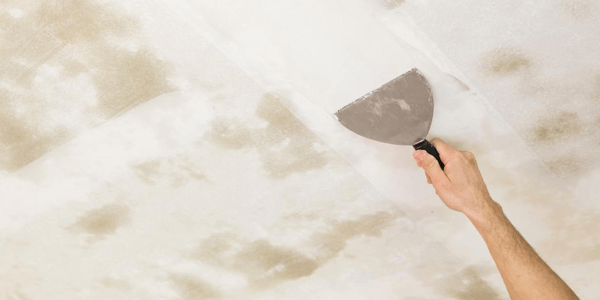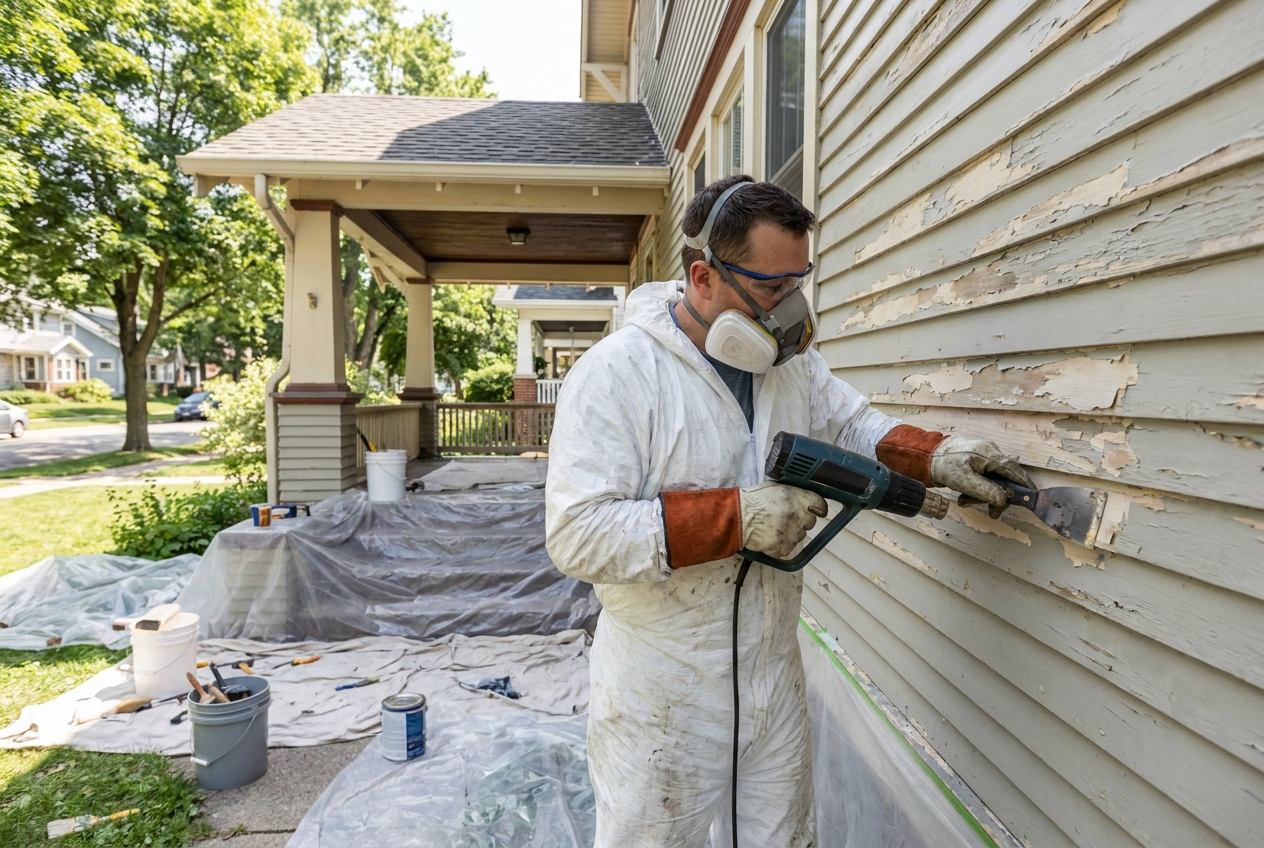


Paint stripping in 2026 typically runs from $1,845 to $3,395, with many homeowners paying around $2,465. This range is a helpful starting point if you are pricing out paint stripping cost.
Below, you will find what drives costs up or down, when DIY makes sense, what changes when lead paint may be involved, and how to compare bids without missing key line items[1].
Paint Stripping Cost by Material
Different materials call for different removal methods, tools, and prep work. That affects both labor time and how much repair is needed before repainting or refinishing.
Aim for a method that protects the surface you are trying to save. Overly aggressive removal can damage delicate or historic materials, and following established surface prep and paint removal guidance helps you avoid preventable damage and align with preservation oriented practices.
| Item | Cost | Description |
|---|---|---|
Wood Surface | $605 - $1,195 | Common for trim, siding, and decks. Hand scraping, heat, or chemical methods are frequent, and homeowners ask about the cost to strip paint from wood when refinishing. |
Metal Surface | $505 - $965 | Includes steel, aluminum, and iron fixtures. Abrasive blasting or chemical methods remove old coatings and rust so new, corrosion-inhibiting primers and paints can protect the metal, informing the question cost to strip paint from metal. |
Brick Wall | $705 - $1,386 | Masonry needs gentle methods to avoid spalling; homeowners often search for cost to remove paint from brick before deciding on low-pressure washing or chemical stripping, especially on older or softer brick. |
Concrete Surface | $655 - $1,246 | Foundational walls and floors typically use chemical strippers, mechanical scraping, or, when necessary, careful grinding. Etching is usually a separate prep step to profile clean concrete before recoating. |
Stucco Exterior | $755 - $1,465 | Porous textured finish that may trap paint layers. Soft stripping preserves texture but can be slower and more labor-intensive, while aggressive blasting or high-pressure washing can erode stucco and require costly patching. |
Painted Furniture | $155 - $345 | Indoor pieces benefit from careful hand or chemical stripping to protect detail work; selected method affects final staining or repainting. |
Plaster Wall | $604 - $1,155 | Older plaster demands gentle techniques to avoid cracking, and repairs are commonly needed before priming and repainting. |
A few practical issues can move pricing more than the material alone:
- Paint Buildup and Adhesion: More layers, harder coatings, and tight bonding mean slower removal.
- Hazard Controls: If lead is present, containment and cleanup requirements can add significant labor.
- Repairs After Stripping: Once old paint comes off, you may find rot, rust, cracks, or failed patches that need attention before primer.
Access also plays a major role. Tight spaces, high elevations, ornate trim, and the need to protect landscaping or adjacent surfaces can add setup and cleanup time.
Paint Stripping Cost Per Square Foot by Type
Most contractors price paint removal by the square foot or by project scope, especially for exteriors. Labor intensity and surface protection requirements are usually the biggest drivers. If your project includes repainting afterward, these costs often overlap with broader painting prices.
| Type of Service | Cost | Features |
|---|---|---|
Wood Surface Paint Removal | $555 - $1,145 | Hand sanding, scraping, or chemical stripping for trim, siding, and furniture parts; often followed by sealing or priming. |
Metal Surface Paint Removal | $495 - $985 | Abrasive blasting or chemical methods remove rust and old coatings; requires rust treatment and corrosion-inhibiting primers for protection. |
Masonry Paint Removal | $645 - $1,310 | Pressure washing, carefully selected abrasive media, or chemicals remove paint from brick, stucco, and concrete; abrasive blasting must be used cautiously to avoid damage and may be restricted locally. |
Furniture Paint Stripping | $165 - $365 | Small-piece stripping using chemicals, heat, or gentle abrasion to preserve detail and substrate. |
Sandblast Paint Removal | $942 - $1,895 | High-pressure abrasive blasting for heavy coatings on robust metal or concrete; requires containment, surface profiling, and adherence to environmental rules. |
Chemical Paint Stripping | $495 - $985 | Paint softeners and gels applied, dwell time, then scraping and neutralizing; useful where mechanical methods would damage the base. |
Furniture Costs
This covers stripping chairs, cabinets, tables, and small antiques when finish removal is needed for repair or refinishing. Typical costs run $165 - $365, with an average near $245. Pricing mainly depends on piece size, how many layers must come off, decorative detail, and the level of surface preparation required before refinishing[2].
Sandblasting Costs
Sandblasting is most common when coatings are thick, flaking, or hard to remove with hand tools, and when the surface needs profiling for a new coating. Expect $942 - $1,895, with an average of $1,385. It is generally reserved for durable surfaces like structural steel or some concrete, and it is typically a poor fit for many woods or fragile masonry. When lead or other hazardous coatings are suspected, containment and local rules can become a major part of the scope.
Chemical Paint Stripping Costs
Chemical stripping is often chosen for detailed profiles or delicate substrates where abrasion could cause damage. Typical pricing is $495 - $985, with an average of $715. Costs can rise with longer dwell times, extra scraping cycles, ventilation needs, neutralization steps, and disposal.
Chemical methods may also overlap with regulations and precautions discussed in lead abatement pricing. Some products contain highly toxic solvents, including methylene chloride, so it is worth reading labels carefully and using the required protective gear and ventilation. If you are not fully confident in handling and containing fumes and residue, a trained professional is the safer option.
Paint Stripping Cost Per Hour
Hourly paint stripping rates generally cover labor, setup, and basic containment while a crew removes existing coatings. Rates often run $46 - $87 per hour, depending on the method, the surface, and how difficult the area is to reach.

Hourly rates can help you evaluate change orders or additional scope, but many contractors still quote by square footage or by the full job. If stripping is extensive, removal labor can outweigh the painting portion of a project, sometimes exceeding the labor share of the room paint budget. When you collect bids, ask for separate line items for removal, repairs, and repainting so you can compare scope apples to apples.
6 Factors That Affect the Exterior Paint Stripping Cost
Exterior paint stripping pricing depends on how long the work takes and what safety steps the crew must follow. Use the factors below as a checklist when comparing estimates.
- Paint Type and Age: Older surfaces may have many layers, and some older paints can contain lead. For confirmed lead on pre-1978 homes, EPA RRP certified firms must follow specific containment and cleanup practices, which can affect cost.
- Surface Material: Wood, stucco, brick, and metal require different tools and different levels of care. Some surfaces strip quickly, while others demand slower, more controlled removal to prevent damage.
- Extent of Damage and Adhesion: Peeling, blistering, rust, rot, and failing patches increase prep time. In some cases, sections may need repair or replacement before the new coating goes on.
- Access and Architectural Complexity: Second-story work, steep rooflines, ornate trim, and narrow side yards add setup time and can slow production. Scaffolding can also change the budget.
- Containment and Environmental Controls: Projects that require containment, filtration, or higher levels of cleanup will cost more because the crew must follow healthier indoor practices and reduce dust migration[7]. Lead paint work, in particular, typically requires more robust isolation and cleanup.
- Local Regulations and Permits: Some areas require permits related to scaffolding, dumpsters, or work in historic districts. Compliance can add fees and scheduling steps beyond the stripping work itself[5].
For related projects and typical budgets, the home improvement costs hub can help you plan beyond paint removal. Durability guidance also supports the idea that long term performance can depend on whether you strip, patch, or replace, not just whether you repaint[6].
DIY vs. Professional Paint Stripping Costs
DIY paint stripping can look straightforward, but the true cost is often time, cleanup effort, and the risk of damaging what you are trying to restore. Hiring a professional costs more upfront, but it can reduce exposure risk and help you avoid expensive rework.

Risks of DIY and What a Professional Provides
DIY can reduce labor charges, but it can also create costly setbacks. For example, a DIY wood stripping job commonly runs $125 - $285, while hiring a pro typically costs $655 - $1,255. If the DIY approach gouges wood, etches masonry, or spreads dust into living spaces, the savings can disappear quickly.
If your home was built before 1978, lead paint is a real possibility. EPA information for consumers highlights that lead safe practices and certified help may be required for renovations that disturb lead based paint[8].
Professionals can bring containment procedures, appropriate equipment, and documented work practices that reduce both health and compliance risks. DIY sandblasting or high heat methods, including open-flame burning near suspected lead paint, can create hazardous dust and fumes and can increase fire risk.
How to Decide Between DIY and Hiring a Pro
DIY is usually best for small, manageable pieces where you can control ventilation and cleanup, such as furniture projects in the $38 - $108 range. Professional help is usually the better fit for exterior siding, masonry, or any job involving sandblasting, where containment and production grade equipment matter.
Also factor in protective equipment and jobsite safety expectations. Construction safety standards include requirements that professionals are expected to follow, including training and protective practices that reduce injury risk[9]. If your project involves ladders, scaffolding, or overhead work, the safer and often more efficient choice is a licensed and insured contractor.
Sandblasting Paint Removal Cost vs. Chemical Stripping
Deciding between sandblasting and chemical stripping often comes down to two questions, how durable the surface is, and how much control you need to protect details. Labor heavy removal work can feel similar in effort to wallpaper stripping costs, especially when multiple layers and careful cleanup are involved.
The table below compares the options at a high level.
| Option | Cost | Considerations |
|---|---|---|
Strip Paint | $1,845 - $3,395 | Restores original wood or metal, removes all layers, needs containment and longer prep, may trigger hazardous-waste handling and skilled labor. |
Paint House | $2,986 - $6,712 | Faster, less invasive, good for sound surfaces, may hide underlying damage, requires careful prep for adhesion and longevity. |
When to Choose Strip Paint
Choose stripping when you are restoring historic trim, trying to bring back details lost under thick paint, or dealing with repeated coating failure where new paint will not bond reliably.
If lead paint is present, chemical stripping and disposal can involve hazardous substances considerations, and federal guidance outlines requirements related to hazardous products and safety expectations[10]. Ask contractors how they handle testing, containment, and disposal before work begins.
When to Choose Paint House
Choose repainting when the existing surface is stable and you want a faster refresh focused on protection and appearance rather than restoration.
Even for smaller spot removal before repainting, heat tools can increase fire risk. Fire prevention guidance supports using strong precautions around potential ignition sources and planning for safe work practices[11]. If a contractor plans to use heat, ask what precautions they take and how they protect nearby materials.
Signs You Need Paint Stripping
Some paint problems can be addressed with spot prep, while others point to deeper adhesion failure. If defects keep returning after repairs, stripping may be the only way to reset the surface.
Look for areas where paint no longer adheres and the finished surface no longer meets the standard of a properly painted surface[12].
- Peeling in Large Sheets: Paint lifts off in broad strips and exposes bare material, which often points to widespread adhesion failure.
- Multiple Layers Bubbling: Blistering across stacked coats can signal trapped moisture or incompatible layers that typically need removal, not just repainting.
- Flaking to Bare Substrate: Frequent flaking down to wood, metal, or masonry suggests the coating system is breaking down and needs more than touch-ups.
- Sharp Edges at Paint Breaks: Raised edges where paint snaps away easily often mean the underlying layers are not bonded well.
- Thick Powdery Chalk Overcoat: Persistent chalking can interfere with adhesion and may require more aggressive removal than a quick wash.
- Repeated Failure After Spot Repairs: If patched areas peel again, the problem is usually in the layers below the repair, not the topcoat.
If the issue is isolated, start with a small test patch and see how well the surrounding paint holds. For pre-1978 homes or any area where lead is suspected, avoid aggressive sanding just to test adhesion. Consider lead testing or consult a professional before disturbing older coatings.
Pros and Cons of Paint Stripping
Paint stripping can improve adhesion and reveal hidden damage, but it also adds labor, disruption, and cleanup requirements. If your project involves high areas like eaves or second-story siding, overhead and fall hazards become part of the planning and protection requirements[13].
| Pros | Cons |
|---|---|
Reveals original material so you can repair rot, rust, or structural defects before refinishing. | Aggressive removal methods can gouge or thin wood or metal, causing irreversible surface damage. |
Improves adhesion and longevity of a new coating when old paint is failing or delaminated. | The process produces dust, chips, or chemical residues that require containment and cleanup. |
Restores detailed trim and architectural features that would be lost under multiple repaint layers. | Chemical strippers, heat, or sanding each carry distinct health and fire risks that need mitigation. |
Allows accurate color matching and a smoother final finish for repainting or staining. | Complex profiles and multiple layers increase labor time and extend project disruption. |
Removes potential flaking lead paint only when done with proper testing and certified procedures. | Proper disposal and regulatory compliance for hazardous waste add logistical steps and approvals. |
Full stripping is not always necessary. If most paint is sound, spot stripping, feather sanding, and targeted repairs can improve the finish while keeping the project smaller and safer. For fragile surfaces such as old plaster or severely weathered wood, a professional may recommend selective removal and stabilization or encapsulation instead of full stripping to reduce the chance of damage.
Before scheduling work, ask about lead testing and disposal rules in your area. If the job includes second-story access or overhead work, confirm how the contractor plans fall protection, containment, and cleanup.
How to Save on Chemical Paint Stripping Cost
You can often lower project costs by tightening the scope, reducing onsite setup time, and making bids easier to compare. The steps below can help without cutting corners on safety.
- Prep Surfaces Yourself: Remove hardware, move outdoor items away from the work area, and protect nearby surfaces. Do not dry scrape or sand suspected lead based paint, leave that to certified pros.
- Measure Twice, Verify Area: Share accurate measurements and clear photos so bids match the real square footage and layout[14].
- Bundle Related Work: If you also plan to prime, repaint, or handle minor repairs, bundling can reduce repeat setup and mobilization.
- Choose Appropriate Stripping Methods: Ask what methods they recommend for your substrate, then choose the least invasive option that still gets reliable results.
- Request Itemized Bids: Look for separate line items for labor, materials, containment, disposal, repairs, and repainting so you can compare bids clearly.
If your home is pre-1978, confirm whether the contractor is EPA RRP certified and how they plan to contain dust and handle cleanup. Sharing what you know about paint age and prior renovations up front can also prevent mid-project scope changes.
Review proposals from trusted paint-stripping professionals through homeyou and hire a contractor who delivers careful preparation and lasting results.
Frequently Asked Questions About Paint Stripping
Ask which stripping methods they recommend for your surfaces and why, how they handle lead paint on pre-1978 homes, and what containment and cleanup steps they use. Request itemized estimates that separate removal, repairs, and repainting, and confirm licensing, insurance, references, and whether they provide a written warranty.
Timeline depends on surface size, number of paint layers, and method. A single room or a few pieces of furniture may take a day or two, while full exteriors can run several days or longer. Lead-safe work, detailed trim, and repairs discovered after stripping can all add time, so clarify schedule in the contract.
A professional service usually includes site protection, surface assessment, selection of removal method, actual stripping, cleanup of debris, and basic surface prep for new finishes. More extensive repairs, priming, and repainting are often separate line items, so verify exactly what is and is not included in your quote.
Stripping is labor intensive, noisy, and can be messy. Aggressive methods may damage delicate wood, plaster, or masonry. Some chemical products require strong ventilation and careful disposal. When lead is present, added containment and cleanup increase complexity. The work can also reveal hidden issues like rot or rust that require repair.
Common surprises include repairing rot, rust, or cracked plaster uncovered once paint is removed, upgrading containment for lead or other hazards, and patching damaged trim or stucco. Access issues, such as needing scaffolding, and adding priming or repainting to the scope can also increase the final bill.
DIY can work for small, manageable pieces in well ventilated areas, especially when surfaces are easy to reach and modern paints are involved. Hire a professional for exterior siding, masonry, multi-story work, suspected lead paint, or sandblasting. Pros bring safer containment, better equipment, and a lower risk of surface damage.
Full stripping makes sense when paint is peeling in large sheets, bubbling through many layers, or flaking back to bare surfaces even after past repairs. Thick chalky buildup, repeated failures after spot prep, or loss of detail on trim are additional signs that a simple repaint may not last.
Clear furniture and outdoor items away from work areas, and plan alternate routes so family and pets avoid dust and fumes. Ask your contractor about plastic barriers, ventilation, and daily cleanup routines. For older homes, confirm lead-safe practices and keep children and pregnant people away from active work zones.
References
[1] Consumer Product Safety Commission, "Lead in Paint", https://www.cpsc.gov/Business--Manufacturing/Business-Education/Lead/Lead-in-Paint.
[2] "Levels of Surface Preparation for Repainting and Maintenance Projects Receiving Architectural Coatings", PCA, https://pcapainted.org/wp-content/uploads/2023/10/PCA-Industry-Standards\_20230918-P14.pdf.
[3] "Definition and Application of Decorative Finishes", PCA, https://pcapainted.org/wp-content/uploads/2023/10/PCA-Industry-Standards\_20230918-P19.pdf.
[4] Bureau of Labor Statistics, "Painters, Construction and Maintenance", https://bls.gov/ooh/construction-and-extraction/painters-construction-and-maintenance.htm.
[5] New York City Department of Buildings, "Does my project require a permit", https://www.nyc.gov/site/buildings/property-or-business-owner/do-i-need-a-permit.page.
[6] U.S. Department of Housing and Urban Development, "Durability by Design A Guide for Residential Builders and Designers", https://huduser.gov/portal/sites/default/files/pdf/Guide-Durability-by-Design.pdf.
[7] United States Environmental Protection Agency, "Healthy Indoor Painting Practices", https://cpsc.gov/s3fs-public/painting.pdf.
[8] U.S. Environmental Protection Agency, "Renovation, Repair and Painting (RRP) Program Consumers", https://epa.gov/lead/renovation-repair-and-painting-rrp-program-consumers.
[9] U.S. Department of Labor Occupational Safety and Health Administration, "Construction Safety Standards", https://osha.gov/construction.
[10] Consumer Product Safety Commission, "Federal Hazardous Substances Act Requirements", https://www.cpsc.gov/Business--Manufacturing/Business-Education/Business-Guidance/FHSA-Requirements.
[11] U.S. Fire Administration, "Fire Prevention and Community Risk Reduction", https://usfa.fema.gov/prevention/.
[12] "Touch Up Painting and Damage Repair, and Definition of a Properly Painted Surface", PCA, https://pcapainted.org/wp-content/uploads/2023/10/PCA-Industry-Standards\_20230918-P1.pdf.
[13] Occupational Safety and Health Administration (OSHA), "Construction: Overhead Work Hazards", https://osha.gov.
[14] "Measurement of Surface Area for Estimating Painting and Decorating Work", PCA, https://pcapainted.org/wp-content/uploads/2023/10/PCA-Industry-Standards\_20230918-P10.pdf.