In 2026, interior painting cost typically falls between $2,147 and $6,129, with an average around $3,862, depending on room size, prep work, and the finish you choose[1].
This guide breaks down the biggest cost drivers, DIY versus professional pricing, material and finish choices, realistic timelines, and hiring tips that help you protect both the final look and your budget.
Cost to Hire an Interior Painter Per Hour
Hourly pricing is most common for small jobs, touch ups, or any work where the scope is still being defined. Hourly rates usually run $42 - $72 per hour, and many painters set a minimum number of billable hours or add a trip fee.
For full-room and whole-home projects, many contractors prefer a per-room or per-project quote since it is easier to plan labor and materials.

Hourly rates tend to climb when the job involves multiple coats, tall ceilings that require ladders or scaffolding, or detailed taping and trim work. Ask how hours are tracked, what counts as billable time, and whether paint and supplies are included or billed separately.
Good prep and consistent painting procedures help reduce rework and callbacks, which can save time on the back end.
Professional Interior Painting Cost by Type
Interior painting can mean anything from repainting walls to refinishing cabinets, so pricing changes with scope, complexity, and the level of prep required. Comparing interior painting prices can help you see where bids differ, especially on prep, repairs, and finish work.
| Type of Service | Cost | Features |
|---|---|---|
Interior Wall Painting | $425 - $1,495 | Painting full walls and base coats, including minor prep like sanding and spot priming; color changes or high-coverage paints can increase labor and materials. |
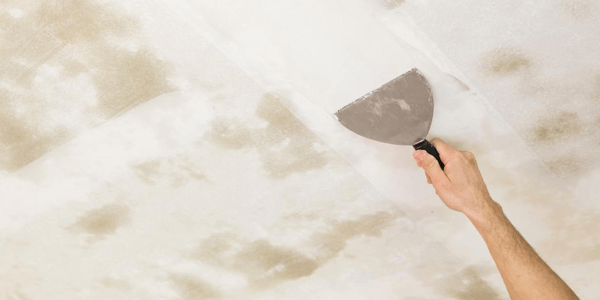
Ceiling Painting | $285 - $845 | Flat or textured ceilings require specific rollers and ladder work; textured ceilings or repairs add time and cost. Older popcorn ceilings may contain asbestos and should be tested before scraping. |
Trim Painting | $315 - $1,185 | Doors, baseboards, and casings need careful taping and multiple thin coats for a smooth finish. |
Cabinet Painting | $1,685 - $4,385 | Cabinet projects may include cleaning, scuff-sanding, priming, and spray or brush finish; full stripping is only needed in some cases. Hardware removal and reinstallation are common add-ons. |
Drywall Repair | $248 - $1,384 | Small patching to full-sheet replacement, plus skim coats and sanding to achieve a paint-ready surface. |
Wallpaper Removal | $612 - $2,484 | Chemical or steam stripping, adhesive cleanup, and surface repair before painting; older layers or vinyl backing increase labor. |
Interior Wall Painting Costs
Interior wall painting usually includes painting one room or several rooms, plus basic prep such as light sanding and spot priming. Typical pricing is $425 - $1,495, with an average near $845.
Costs move most with:
- Room size and wall height
- Number of coats and color changes
- Paint quality and finish
- How much prep is needed, including repairs or texture work
A single standard room can often be completed in a day, while multi-room work typically takes several days.
Drywall Repair Costs
Drywall repair can include patching holes, replacing damaged sections, and feathering joint compound so the wall is ready for paint. Typical costs run $248 - $1,384, with an average around $612.
Price is driven by surface condition, access, and whether texture matching is required. Following established touch-up and finish standards can also improve how the repair blends after painting[2].
Wallpaper Removal Costs
Wallpaper removal may be needed when old paper or adhesive prevents paint from bonding. The work often involves steaming or chemical removal, scraping, adhesive cleanup, and surface repair before paint.
Expect costs of $612 - $2,484, with an average near $1,286. Multiple layers and wall damage raise labor, which is why it helps to compare wallpaper removal costs before you commit to a timeline.
Cabinet Painting Costs
Cabinet painting typically involves cleaning, sanding or deglossing, priming, and applying a durable finish. Many jobs use spraying for a smoother, more uniform look.
Some cabinets require full stripping, but many repaints rely on thorough deglossing and scuff-sanding instead, which affects both cost and duration. Typical cabinet painting costs are $1,685 - $4,385, with an average around $2,840. Cabinet count, door style, hardware removal, and decorative finish choices all influence the final price[3].
6 Factors That Affect the Average Cost to Paint Interior of House
Interior paint quotes can look very different, even for similar homes. These are the most common reasons, and they are also the best places to ask follow-up questions when you compare bids.
- Room Size and Scope: More square footage, higher ceilings, and more rooms mean more paint and more labor hours.
- Surface Condition: Holes, stains, texture, and damaged drywall typically require patching, sanding, or skim coating before paint.
- Paint Type and Finish: Premium paints, specialty formulas, and higher-sheen finishes often cost more and may need extra coats.
- Prep and Labor Complexity: Masking, moving furniture, protecting floors, trim detail, and multiple coats add time.
- Permits and Local Regulations: Simple interior repainting typically does not require a building permit. Permits can come into play when painting is part of a larger renovation that changes walls, fire-rated assemblies, or layout[4].
- Accessibility and Add-On Work: Stairs, vaulted ceilings, built-ins, scaffolding, caulking, and trim repainting can all raise complexity.
When you compare estimates, line up each bid with the exact scope, including prep steps and what is included in cleanup. The home improvement cost guides hub can also help you compare related project costs and plan a realistic budget.
If your painting project is tied to bigger changes, confirm whether a permit or inspection applies in your area[5].
Interior Painting Cost Per Square Foot by Size
Many homeowners search for interior painting cost per room when planning a repaint. Size and layout affect everything, including how much paint is needed, how long prep takes, and how quickly crews can work.
Estimators commonly base labor and materials on measured wall and ceiling surface area, accounting for doors, windows, and trim so the scope is sized correctly[6]. Accurate measurements help reduce surprises once the project starts.
One Small Room (Bedroom or Small Bathroom)
A small bedroom or compact bathroom with standard ceiling height usually includes painting four walls, with modest furniture moving and minor patching. Ceiling height and existing damage can change the timeline.
- Cost Range: $365 - $1,185
- Average Cost: $695
Repairs, trim work, and ceiling painting can add labor hours. Bathrooms may also need moisture resistant primer or paint.
Room With Ceiling and Walls
This usually refers to a larger space or a room with higher ceilings where both walls and ceiling are painted. Adding the ceiling increases setup and labor since ceilings require different paint, different tools, and more ladder time.
- Cost Range: $648 - $1,785
- Average Cost: $1,125
High ceilings, popcorn texture removal, and additional finish coats raise costs. Quotes often include extra masking, floor protection, and drying time across multiple surfaces.
Trim and Doors Only
Trim and door painting is detail-heavy work, with more sanding, caulking, and careful cutting-in than wall rolling. Specialty finishes or stain work can add complexity.
- Cost Range: $388 - $1,265
- Average Cost: $742
Intricate profiles, hardware removal, and primer needs can increase labor. Spraying versus brushing also changes setup and cleanup time.
Multiple Rooms (Two to Four Rooms)
Bundling several rooms can reduce the per-room cost because the crew can limit repeated setup and mobilization. Layout matters, since open areas and separated rooms require different staging.
- Cost Range: $1,385 - $4,185
- Average Cost: $2,485
Pricing depends on color consistency across rooms, downtime between coats, and how the painter structures the job. Compare per-room bids to the per-room paint pricing to gauge whether bundling is actually saving you money.
Entire Home Interior
A whole-home repaint covers continuous surfaces and usually requires phased work, especially in occupied homes. Projects often include some mix of trim, doors, ceilings, and multiple color changes.
- Cost Range: $4,185 - $10,840
- Average Cost: $6,925
The biggest cost drivers are overall size, crew size, how many colors you choose, and how much prep is needed. Flooring protection, access, and scheduling around daily life also affect the bid. Many occupied homes take several days to more than a week, depending on size and crew.
Interior Painting Cost by Material
Material choice affects finish quality, durability, and how much prep and primer the job requires. Different surfaces absorb paint differently and can require specific primers or sealers, which changes both labor and materials.
When comparing options, think about traffic, moisture, and how much wear the surface gets. Cabinets and trim, for example, typically need more prep than standard drywall.
| Item | Cost | Description |
|---|---|---|
Gypsum Wall | $395 - $1,325 | Standard drywall in most homes. Often requires light sanding and one or two coats, making it a common, cost-effective option. |
Plaster Wall | $448 - $1,495 | Older or historic walls with plaster can be harder to prep. Plaster may need patching and different primers for even coverage. |
Wood Trim | $328 - $1,195 | Trim work demands smooth sanding and fine brushes or spraying for clean lines. Trim paint is higher labor per square foot. |
Metal Door | $142 - $388 | Metal surfaces require rust treatment and metal-specific primers. Interior-facing sides may be part of an interior job, while exterior faces often use exterior-grade coatings. |
Masonry Wall | $468 - $1,545 | Porous brick or block needs masonry primer and possibly patching. Masonry paint resists moisture but requires more prep. |
Wood Cabinet | $1,715 - $4,465 | Cabinets need careful cleaning, sanding, and often a spray finish for a professional look. Full stripping is sometimes needed but not for every repaint. |
Fiberglass Door | $165 - $432 | Fiberglass requires bonding primers and careful finishing to avoid brush marks. Interior sides may be painted with interior products; exterior sides usually need exterior-grade paint. |
Across materials, prep, primer choice, and number of coats typically have the biggest impact on the final price. Damaged, textured, or porous surfaces take longer and can require specialty products.
Ventilation and product selection also matter. Following recommended indoor painting practices can help reduce exposure and simplify cleanup[7].
Add-Ons for Interior Painting
Add-ons are optional upgrades that go beyond a basic repaint. They can raise the total project cost, but may improve durability, moisture resistance, or the final look.
| Add-On | Cost | Details |
|---|---|---|
Accent Wall Painting | $128 - $418 | Focused application to one or more walls with a contrasting color, including extra labor for cutting in and sometimes special finishes. |
Textured Finish | $248 - $825 | Adds surface texture such as knockdown or orange peel, requiring additional materials and drying time for the effect; heavy textures can make future repairs harder. |
Mold-Resistant Coating | $92 - $336 | Specialized paints or additives designed for damp areas; often used in basements and bathrooms to inhibit mold growth. |
Low-VOC Paint Upgrade | $85 - $312 | Uses paints with reduced volatile organic compounds for less odor and improved indoor air quality during and after application. |
Stain-Blocking Primer | $96 - $386 | High-adhesion primers that seal stains and tannin bleed, recommended before topcoat on problem areas. |
Crown Molding Painting | $235 - $785 | Detailed brushwork and ladder work to paint molding and trim, often billed per hour or linear foot depending on scope. |
Door Painting | $118 - $328 | Includes sanding, priming, and refinishing of interior doors; labor varies with panel detail and hardware removal. |
Add-on pricing varies most with prep requirements, access, and how many coats the finish needs. Damp areas may also require mold-specific prep and products, which can add labor[8].
Textured finishes can add visual interest, but they can also make future repairs or color changes more involved. If you are comparing upgrades across surfaces, it helps to look at related line items like ceiling repaint pricing to see how one decision affects the full room budget.
DIY Interior Painting Cost vs. Hiring a Pro
DIY painting can reduce labor costs, but it requires time, patience, and the right prep work. Hiring a pro typically costs more, but you are paying for speed, cleaner lines, consistent coverage, and experience handling repairs and tricky surfaces.

Risks of DIY and What a Pro Brings
DIY can be a good fit for simple rooms with minimal prep, but the trade-offs are real. A DIY room paint typically costs $69 - $382, while hiring a pro runs $354 - $1,504. Wallpaper removal often costs $58 - $268 if you do it yourself, compared with $392 - $1,385 for professional removal.
Ceilings and tall walls require ladder or scaffold work, and falls are a real risk during this type of work[9]. Professionals are also better equipped to handle time-consuming prep, keep lines sharp, and maintain a consistent finish across rooms.
If your home was built before 1978, sanding or scraping can release lead dust. Federal rules may require lead-safe work practices for certain projects, and using contractors trained in RRP safety can reduce risk[10]. Also account for hidden DIY costs like tool purchases or rentals, wasted materials, and rework if the finish does not come out evenly.
Signs You Need Interior Painting
Some signs are just cosmetic, while others point to prep or repairs that should be addressed before repainting. Use this list to spot common red flags and decide when it is time to call a professional.
- Peeling or Flaking Paint: Paint that curls or falls away often points to adhesion problems and may require more extensive prep if widespread.
- Cracking or Crazing Lines: Spiderweb cracking or larger cracks can signal aging paint, movement in the surface, or poor prep from a previous paint job.
- Stains and Discoloration: Smoke, grease, or yellowing that will not clean off often needs a stain-blocking primer and a full repaint for a uniform finish.
- Water Stains or Mold Spots: Dark staining, musty odor, or visible mold often indicates a moisture issue that should be addressed before painting[11]. Fix leaks and remediate mold rather than covering the problem with paint.
- Chalky or Powdery Surface: If rubbing the wall leaves a powdery residue, the coating may be breaking down and could require extra cleaning or priming.
- Uneven Sheen or Patchy Finish: Shiny and dull sections after spot repairs or sun exposure often look best after a full-surface repaint.
If issues are minor and stable, you may be able to plan painting as routine maintenance. If you see active moisture, spreading mold, large areas of peeling, or structural cracking, schedule an inspection first since repairs may be needed before repainting.
How Often You Need Interior Painting
How often you repaint depends on wear, moisture, and how well the previous paint job was prepped. Use patterns matter more than a calendar date.
Common situations that shorten the repaint cycle include:
- High-traffic areas like hallways and living rooms, which show scuffs sooner
- Kitchens and bathrooms, where moisture, cleaning, and residue can wear down paint
- Post-repair areas, where patches and new drywall need blending and sealing
- Ongoing moisture or mold problems, which must be corrected before repainting since mold can affect health and materials[12]
Many interiors are repainted every 3-7 years, with high-use and moisture-prone rooms often needing attention sooner than low-use spaces.
Instead of relying only on a timeline, watch for peeling, bubbling, persistent stains, chalking, or paint that comes off easily with light scraping. Odors and visible mold are also reasons to investigate moisture sources before any repaint.
If you are deciding between spot work and repainting a full room, consider how noticeable the repairs will be. Color and sheen mismatches are common after patching, especially under strong natural light.
Interior Painting: Pros and Cons
Repainting can be one of the fastest ways to update how a home feels, but it still comes with disruption and prep work. Here is what typically matters most when you decide on timing and scope.
| Pros | Cons |
|---|---|
Refreshes color and finish, improving the look and cohesion of a room. | Prep and cleanup can be labor intensive and extend the timeline. |
Can hide minor surface flaws and make trim look cleaner. | Poor prep or uneven application is noticeable and may require corrections. |
Allows low-VOC or specialty paints that can reduce odors during application. | Drying and curing time can require ventilation and temporary routine changes. |
A visual update that is often quicker than structural renovations. | Colors can look different under changing light, making selection harder. |
Opportunity to use more durable finishes in high-wear areas. | Protecting furniture and flooring takes time and increases the chance of accidental damage. |
A lot of the pros and cons come down to prep. Surface preparation can range from cleaning and spot priming to more extensive sanding and patching, depending on the substrate and the finish you want[13]. More prep usually means a higher labor cost, but it can also improve adhesion and consistency.
If disruption is a concern, ask about staging the work room by room. Test color samples on multiple walls and check them at different times of day before finalizing the paint.
Save on Interior Painting
You can often lower costs without sacrificing results by reducing billable prep time and avoiding rework. Careful floor protection and following product instructions can also help prevent damage that leads to costly fixes later.
- Prepare Surfaces Yourself: Clean walls, fill small nail holes, sand rough spots, and remove loose paint so the crew can move straight into priming and painting.
- Group Like Rooms Together: Painting multiple rooms in the same color and finish can reduce setup time and material waste.
- Remove Fixtures and Cover Belongings: Take down switch plates, curtains, and lightweight hardware, and cover furniture to minimize cleanup time.
- Choose Durable Paints and Proper Primer: Matching primer and paint to the surface can reduce touch-ups and extend the life of the finish.
- Delegate Complex Tasks to Pros: Let professionals handle ceilings, high walls, textured surfaces, and detailed trim where mistakes are costly to fix.
Evaluate estimates from vetted home painting professionals through homeyou and hire a contractor who fits your project and budget.
Frequently Asked Questions About Interior Painting
Most painters include basic surface prep (light sanding, filling small holes, and spot priming), protecting floors and furniture, applying one to two coats on agreed surfaces, and basic cleanup. Larger drywall repairs, wallpaper removal, trim or cabinet painting, and specialized primers are often additional line items you should confirm in writing.
A single standard room often takes about a day, including prep and drying between coats. Painting several rooms can take a few days, while an entire occupied home may run a week or more. Timeline depends heavily on repairs, ceiling height, number of colors, and how large a crew the contractor uses.
Painting everything at once is usually more efficient and can give you better color flow, but it is more disruptive to daily life. Room-by-room projects are easier to live through yet may cost a bit more per room. Ask painters to price both options so you can compare savings versus disruption.
Ask about their prep process, how many coats are included, what brand and finish of paint they use, and whether drywall repairs or ceilings are in the bid. Verify license and insurance, request recent references or photos, clarify schedule and payment terms, and confirm how they protect floors and belongings.
Hidden drywall damage, active moisture problems, extensive patching, or discovering multiple wallpaper layers can all increase labor. Lead-based paint or suspected asbestos textures may require special handling. Color changes that need extra coats, upgraded primers, or deciding to add trim, doors, or cabinets mid-project can also raise the final bill.
DIY saves on labor but adds tool costs, learning time, and the risk of visible brush marks, uneven coverage, or missed prep. Pros work faster, handle repairs, reach high areas safely, and leave cleaner lines. For many homeowners, a hybrid approach works well: DIY simple rooms and hire pros for ceilings and complex areas.
Move small items, wall art, and window treatments, and clear surfaces as much as possible. Pull furniture away from walls, remove outlet covers if agreed, and do a basic clean so dust does not contaminate the finish. Point out problem spots, choose colors in advance, and plan where you will stay while rooms are drying.
Choose quality paint suited to each room, especially in kitchens and baths. Keep humidity controlled, fix leaks promptly, and clean walls gently instead of scrubbing aggressively. Use washable finishes in high-traffic areas and avoid hanging or removing items until paint has fully cured, not just dried to the touch.
References
[1] National Association of REALTORS®, "2025 Remodeling Impact Report", https://cms.nar.realtor/sites/default/files/2025-04/2025-remodeling-impact-report%5F04-09-2025.pdf.
[2] "Touch Up Painting and Damage Repair, and Definition of a Properly Painted Surface", PCA, https://pcapainted.org/wp-content/uploads/2023/10/PCA-Industry-Standards\_20230918-P1.pdf.
[3] "Definition and Application of Decorative Finishes", PCA, https://pcapainted.org/wp-content/uploads/2023/10/PCA-Industry-Standards\_20230918-P19.pdf.
[4] Portland Bureau of Development Services, "Do You Need a Permit for Your Home Project", https://portland.gov/ppd/residential-permitting/do-you-need-permit/residential-permits.
[5] New York City Department of Buildings, "Does my project require a permit", https://www.nyc.gov/site/buildings/property-or-business-owner/do-i-need-a-permit.page.
[6] "Measurement of Surface Area for Estimating Painting and Decorating Work", PCA, https://pcapainted.org/wp-content/uploads/2023/10/PCA-Industry-Standards\_20230918-P10.pdf.
[7] United States Environmental Protection Agency, "Healthy Indoor Painting Practices", https://cpsc.gov/s3fs-public/painting.pdf.
[8] "Mold Clean Up Guidelines and Recommendations", Mold, https://cdc.gov/mold-health/about/clean-up.html.
[9] Centers for Disease Control and Prevention, "Facts About Falls", CDC, https://cdc.gov/falls/data-research/facts-stats/index.html.
[10] U.S. Environmental Protection Agency, "Renovation, Repair and Painting (RRP) Program Consumers", https://epa.gov/lead/renovation-repair-and-painting-rrp-program-consumers.
[11] U.S. Environmental Protection Agency, "A Brief Guide to Mold, Moisture and Your Home", https://epa.gov/mold/brief-guide-mold-moisture-and-your-home.
[12] U.S. Environmental Protection Agency, "Mold and Your Home", https://www.epa.gov/mold/mold-and-your-home.
[13] "Levels of Surface Preparation for Repainting and Maintenance Projects Receiving Architectural Coatings", PCA, https://pcapainted.org/wp-content/uploads/2023/10/PCA-Industry-Standards\_20230918-P14.pdf.