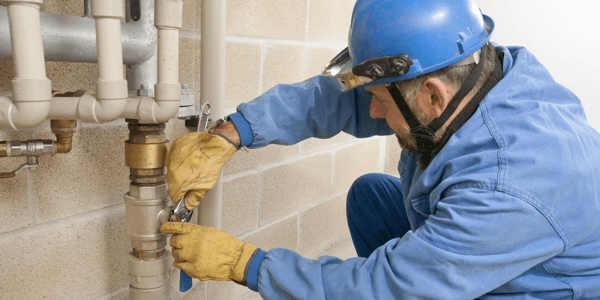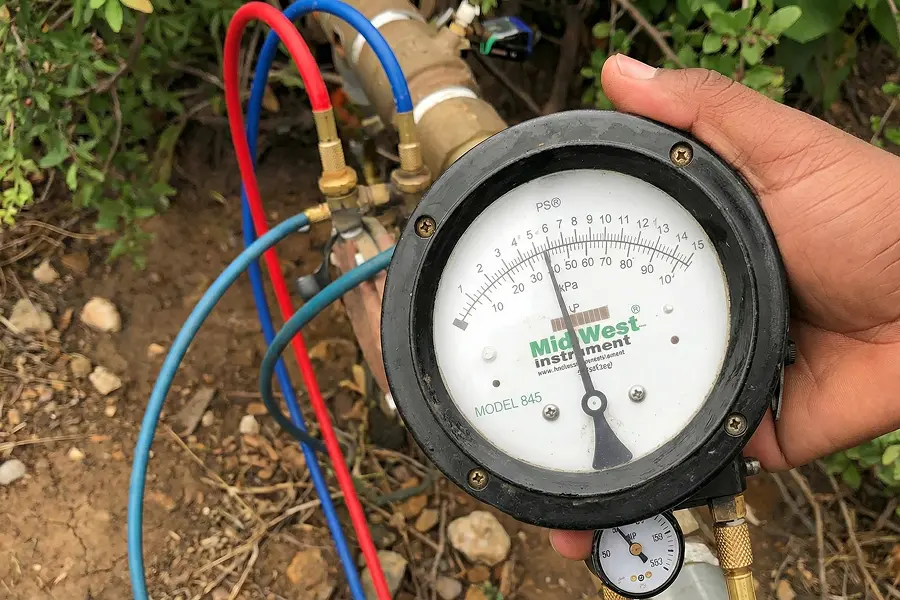


Backflow testing costs in 2026 can vary from $89 to $219, with the average service usually around $144, based on the system size and inspection complexity.
In here, we will cover the key factors affecting backflow testing prices, such as equipment types, service frequency, and location. Whether comparing affordable or premium providers, you will find practical tips and cost comparisons to help you choose wisely[1].
How Much Does Backflow Testing Cost by Type
Backflow testing includes several services to ensure your plumbing system prevents contaminated water from reversing into your clean water supply[1]. The backflow prevention test cost varies by backflow preventer type, system complexity, urgency, location, and materials.
| Type of Service | Cost | Features |
|---|---|---|
Test Backflow Assembly | $109 - $248 | Basic testing to confirm the backflow assembly's function. |
Inspect Backflow Preventer | $79 - $190 | Visual and operational check of the preventer unit. |
Certify Backflow Preventer | $42 - $114 | Certification after backflow testing passes local standards[4]. |
Maintain Backflow Preventer | $134 - $339 | Routine care to ensure ongoing system performance. |
Clean Backflow Assembly | $118 - $269 | Removing debris or buildup from the assembly. |
Read more


Backflow Assembly Test Costs
A backflow assembly test confirms that water flows only in the intended direction in compliance with local regulations. This test is often required annually or after repairs[5].
Costs run from $109 to $248, averaging $164. Price depends on assembly size, device type, and access.
Backflow Preventer Repair Costs
Repairs are needed if a backflow preventer leaks or fails a test[6]. This service maintains water safety standards at a lower cost than full replacement.
Costs range from $188 to $851, with an average of $391. The issue's complexity, required parts, and labor time all influence final costs.
If your backflow issues stem from aging plumbing fixtures, you might also want to budget for faucet installations to update water supply connections throughout your home.
Backflow Preventer Replacement Costs
Replacing a preventer becomes necessary if repairs are insufficient or the device is outdated, ensuring compliance with regulations and safe water.
Replacement falls between $590 and $2,880, with an average of $1,289. Material quality, device type, and installation conditions affect pricing.
Residential Backflow Testing Costs
Booking a residential backflow test involves hiring a certified pro to inspect and test per local water authorities' requirements[7].
Typical costs are between $89 and $219, with an average of $144. Season, appointment availability, and location impact prices.
Commercial Backflow Testing Costs
Scheduling a commercial backflow test requires a certified technician to evaluate larger or multiple devices, ensuring compliance with local and state regulations.
Costs typically range from $168 to $590, with an average around $288. Factors like system size, number of assemblies, and property access can all influence final pricing.
Backflow Testing Prices per Hour
Hourly options apply for home inspection rates, maintenance, or minor repairs, as opposed to a standard fee for testing only. Check out this entire section we have prepared to help you negotiate better estimates with your contractor!

Hourly pricing usually comes into play when:
- Several backflow devices need assessment
- Emergency or after-hours service is required
- Diagnostic visits are needed to estimate the scope of repair or replacement
Rates fluctuate based on system complexity, region, and technician experience[8]. Complicated setups or old equipment may increase the required time and total cost.
Hourly rates are ideal for ongoing maintenance or if the work's scope is unclear. However, fixed pricing is often simpler for standard annual tests. Ask your provider how they charge so you can budget appropriately for your property's needs.
For comprehensive property maintenance, consider budgeting for related services; plumbing inspection prices typically complement backflow testing when evaluating your entire water system.
6 Factors That Affect Backflow Testing Cost
Many elements shape the cost of backflow testing, and knowing them will help you prepare for expenses. Here are six top factors influencing your final price:
- Type of Backflow Preventer: Device complexity and type (like double check valves or reduced pressure zone assemblies) require varying expertise and time, impacting cost[9].
- Number of Devices to Be Tested: More units mean more labor and increased testing fees.
- Accessibility of the Device: Hard-to-reach devices may involve extra time or effort, raising costs.
- Local Regulations and Certification Requirements: Stricter rules or documentation increase expenses, especially with certified pros[2].
- Service Provider Rates: Regional labor costs and a provider's reputation directly affect the price you pay.
- Additional Repairs or Maintenance: Repairs discovered during inspection add to the upfront cost of backflow testing. Always budget for possible follow-up work.
Size will also play a big part in your final budget, so let's talk about that next.
How Much Does a Backflow Test Cost by Size
The size and setup of your residential system are key factors in determining overall cost. Smaller, simpler systems are less expensive, while larger, more complex installations increase expenses, of course.
Tiny Residential Systems (e.g., Small Single-Family Homes)
Systems with minimal plumbing and simple devices carry the lowest fees since they are easy to test, involve fewer materials, and require less time.
- Typical Cost Range: $78 - $199
- Average Cost: $119
Small Residential Systems (e.g., Duplexes or Larger Single-Family Homes)
Increased plumbing complexity or multiple devices push costs up. Extra time and higher-grade parts also contribute.
- Typical Cost Range: $88 - $238
- Average Cost: $138
Medium Residential Systems (e.g., Multi-Unit Residences or Homes with Irrigation)
Medium setups with multiple outlets or irrigation require more checks and specialized fittings, which increase material and labor demands[10].
- Typical Cost Range: $107 - $299
- Average Cost: $168
Properties with irrigation systems may also need to address drainage concerns, so exploring drain cleaning expenses can help prevent water backup issues that compromise your backflow prevention system.
Large Residential Systems (e.g., Large Homes With Extensive Irrigation or Pools)
Homes with substantial irrigation or pool plumbing need rigorous testing of multiple devices. Safety requirements and high-grade materials further raise prices.
- Typical Cost Range: $149 - $419
- Average Cost: $238
Extra Large Residential Systems (e.g., Estate Homes With Multiple Structures)
Large estates often feature elaborate, multi-building systems. Testing is more time-consuming and requires advanced skills, leading to the highest costs.
- Typical Cost Range: $198 - $690
- Average Cost: $349
Labor, device complexity, and material grade are core parts of backflow prevention test costs. Similarly, emergencies will add to the final price as well. Keep reading the next section to avoid any budget surprises.
Emergency Backflow Testing Costs
Emergency backflow services cost more due to their urgent nature and the specialized skills needed. We hope you never need emergency services, but just in case, consider the following graph.

Expect emergency rates to be higher at night, on weekends, or during holidays. The complexity of your system and rapid response needs also affect your bill. Always work with certified professionals for urgent backflow issues to guarantee you won't have any other emergencies!
Backflow Testing Cost by Region
Prices vary in different parts of the U.S. due to unique regulations, labor rates, and environment[11]. Take a look and find the right pro for your area.
| Region | Cost | Description |
|---|---|---|
Northeast | $174 - $449 | Higher labor and strict rules often drive up costs, especially in winter. |
Midwest | $139 - $370 | Moderate labor rates; demand and geography affect provider availability. |
South | $122 - $335 | Lower labor costs generally, with some fluctuation due to the climate. |
West | $162 - $433 | Strong regulation and high materials/permits commonly increase prices. |
Many other variables contribute to cost. Local labor rates shift by city, contractor demand varies, and remote areas may face extra delivery fees. Permits and inspection rules also change by municipality and can raise costs, especially during busy seasons.
Cold-weather regions particularly benefit from preventive maintenance, like paying for frozen pipes checkups, so weather-related plumbing issues don't affect your overall expenses.
Cost of Backflow Testing by State
Backflow testing costs differ state to state due to local labor rates, rules, demand, and material access. Recognizing state-level differences lets you estimate expenses and select the right company. Factors like stricter city mandates or busy service seasons may impact your price.
| State | Cost | Details |
|---|---|---|
California | $129 - $280 | Higher labor and stricter rules often push California prices higher. |
Texas | $87 - $202 | Urban vs. rural demand shapes pricing, though labor tends to be moderate[5]. |
Florida | $93 - $224 | Higher summer demand and hurricane disruptions can affect appointment availability and price. |
New York | $138 - $318 | Dense cities and complicated rules increase New York's backflow testing costs. |
Illinois | $97 - $239 | Chicago has higher handymen labor rates, but rural Illinois can be more affordable[3]. |
Pennsylvania | $91 - $220 | Labor and rules vary by county, creating a midrange spectrum overall. |
Georgia | $83 - $194 | Growing suburbs keep labor costs moderate throughout Georgia. |
Colorado | $103 - $248 | Price points differ between mountains and urban population centers. |
Michigan | $89 - $212 | Seasonal scheduling impacts cost; labor is typically moderate. |
Washington | $122 - $272 | High cost of living and environmental regulations lead to elevated prices[6]. |
These state estimates are helpful, but local contractor quotes give you the most accurate numbers. Rates can vary between cities and even among providers within the same area. Keep reading for more tips on planning your backflow test and making an informed hire in 2026.
DIY vs. Professional: Backflow Testing Costs Comparison
Although DIY can sometimes appear less expensive, the savings are not always significant compared to the risks. Professionals deliver expert service, meet local code requirements, and usually include all tools and parts, reducing the risk of errors or fines. Comparing DIY and pro pricing can help you decide what is best for your situation.

DIY backflow testing can be risky due to safety hazards, contamination risks, and costly plumbing mistakes if your knowledge is limited[7]. Homeowners must also account for time, equipment costs, and potential retests.
The right choice depends on your skills and comfort level, but professional testing will ensure everything meets official standards, that your water is safe, and the job is done right the first time.
ROI of Backflow Testing
Thinking about the return on investment for backflow testing in 2026 can help you make smart choices. ROI reflects not just the immediate benefit of safe, compliant water, but also long-term savings from avoided repairs and potential fines. Some properties may even qualify for federal tax credits or local incentives, which increase ROI even further.
Key factors influencing backflow testing ROI include:
- Material Quality and Durability: High-quality assemblies last longer and reduce ongoing repair costs.
- Professional Installation: Skilled contractors follow rules and minimize errors that could become expensive[2].
- Impact on Resale Value: A certified backflow test reassures buyers and can boost home appeal.
- Energy/Water Efficiency: Well-installed backflow devices may enhance conservation, lower utility bills, or qualify for incentives.
| Service | Percentage | Details |
|---|---|---|
Basic Backflow Assembly Test | 85% | Ensures safe water and helps meet local requirements. |
Backflow Prevention Device Installation | 75% | Delivers lasting protection and can avoid costly water damage. |
Comprehensive Plumbing Evaluation & Testing | 70% | Enhances system efficiency and reduces future repair expenses. |
Paying more upfront for great materials and expert help typically pays off in long-term savings and improved safety. Backflow testing may not be as visually striking as other improvements, but its protective and financial benefits are substantial.
Similarly, investing in a water softener can complement your backflow prevention efforts by protecting pipes from mineral buildup that could compromise system integrity.
5 Ways to Save on Backflow Testing Costs
Cutting your backflow test cost is possible with a few practical steps. Thoughtful planning can yield big savings, and you can do so without compromising safety. Take a look at these valuable tips to reduce expenses:
- Plan and Schedule Ahead: Avoid rush or emergency fees by booking in advance.
- Compare Multiple Quotes: Shop around and ask for detailed estimates from licensed providers[8].
- Purchase Materials Smartly: Buy necessary parts or supplies during sales or in bulk if possible.
- Consider Minor DIY: Basic cleaning or visual inspections make sense for handy homeowners; leave complex testing to certified experts[9].
- Maintain Regularly: Keep equipment in top shape to avoid expensive repairs or replacements.
These tips make it easier to save money and keep your water system safe year-round. For accurate results and full compliance, reach out to trusted home improvement contractors on homeyou. With us, you will find skilled home repair pros and house maintenance contractors who handle everything smoothly, so you get quality service and great value without the stress.
Frequently Asked Questions About Backflow Testing
Backflow testing checks your plumbing system to ensure water flows in only one direction and prevents contaminants from entering your clean supply. This process includes examining and sometimes certifying the backflow prevention devices in your home.
Backflow testing covers a visual inspection, device testing, confirmation of correct function, and result documentation. Technicians may adjust components, recommend repairs, and supply certification to satisfy local safety requirements.
Most appointments last 30 minutes to one hour per device, depending on complexity and ease of access. Homes with several devices or difficult installations may take longer. Emergency or off-hours calls could extend this time.
You should verify that the contractor is certified, clarify what their service includes, confirm if they issue official documentation, learn about any repair warranties, and ask about their experience with your device type.
Unexpected expenses may include repairs or part replacements discovered during inspection, access challenges, emergency scheduling, or extra work required for strict local compliance. Discuss possible scenarios with your provider beforehand.
The primary drawbacks are temporary water shutoff, possible repair costs if issues are found, and the need for regular appointments. However, these are outweighed by maintaining safe, compliant water.
Annual testing is usually required by local authorities, with additional tests recommended after repairs, changes, or if water quality shifts.
Signs include changes in water taste, odor, or pressure, leaks, corrosion, or unusual wear on backflow devices. If you see any of these, schedule a test or inspection quickly to prevent potential contamination.
References
[1]U.S. Environmental Protection Agency. "Distribution System Water Quality: Protecting Water Quality through Cross-Connection Control and Backflow Prevention." EPA, Oct. 2021, www.epa.gov/system/files/documents/2021-12/ds-toolbox-fact-sheets\_ccc.pdf.
[2]American Water Works Association, California-Nevada Section. "Backflow Prevention Assembly Tester Certification." AWWA CA-NV Section, www.ca-nv-awwa.org/canv/CNS/Professional\_Certification/Backflow\_Prevention\_Assembly\_Tester/CNS/Certification/Backflow/Backflow.aspx.
[3]Illinois Environmental Protection Agency. "Cross Connection Control." Illinois EPA, epa.illinois.gov/topics/drinking-water/field-operations/cross-connection-control.html.
[4]Texas Commission on Environmental Quality. "Occupational Licenses: Backflow Prevention Assembly Tester (BPAT)." TCEQ, www.tceq.texas.gov/licensing/licenses/bpatlic.
[5]Ohio Environmental Protection Agency. "Manual of Backflow Prevention and Cross-Connection Control." Ohio EPA, 4th ed., Sept. 2015, dam.assets.ohio.gov/image/upload/epa.ohio.gov/Portals/28/documents/rules/proposed/BFP-Manual\_Final\_Sept2015.pdf.
[6]Washington State Department of Health. "Cross-Connection Control and Backflow Prevention." Washington DOH, doh.wa.gov/community-and-environment/drinking-water/water-system-design-and-planning/cross-connection-control-backflow-prevention.
[7]South Carolina Department of Environmental Services. "Cross Connection Control & Backflow Prevention." SC DES, des.sc.gov/programs/bureau-water/drinking-water/cross-connection-control-backflow-prevention
[8]City of Portland. "Backflow Prevention and Cross-Connection Control." Portland Water Bureau, www.portland.gov/water/backflow-prevention.
[9]American Backflow Prevention Association. "Backflow Prevention Assembly Tester Certification Program." ABPA, www.abpa.org/page/Tester\_Cert/Backflow-Prevention-Assembly-Tester-Certification-Program.htm.
[10]University of Southern California Foundation for Cross-Connection Control and Hydraulic Research. "Manual of Cross-Connection Control." 10th ed., USC FCCCHR, 2012, fccchr.usc.edu/.
[11]Association of State Drinking Water Administrators. "Distribution System Survey White Paper." ASDWA, 2020, www.asdwa.org/.