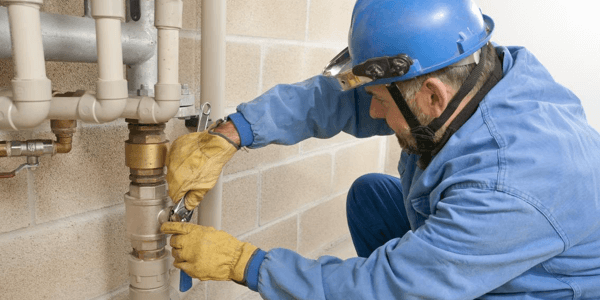
In 2026, the price for septic tank installation can go from $4,132 on the low end up to $17,853 for more complex or premium systems, with the average septic tank installation cost being $8,255.
The good news is that the research ends now: This guide will break down the main factors influencing cost, explore different types of installation, and share expert tips to help you hire the right professional to get your septic tank installation done right!
Key takeaways
Septic tank installation costs can range from $4,132 to $17,853.
The average price typically hovers around $8,255.
Material choice and tank size are major factors influencing the final cost.
Labor rates and site accessibility can significantly affect installation expenses.
Affordable options exist, but premium installs offer longer-term durability and performance.
How Much Does It Cost to Install a Septic Tank ?
When preparing for septic tank installation, you will encounter several different types of services, with costs that can fluctuate depending on the scale of the job, the urgency, complexity, chosen materials, and where you live. Take a peek at the most common ones!
| Type of Service | Cost | Features |
|---|---|---|
Septic Tank Installation | $5,551 - $17,853 | Complete setup of the main septic tank system[1]. |
Site Excavation for Septic Installation | $1,884 - $6,855 | Preparation and dig of the site to place the tank. |
Septic Tank Piping Installation | $1,094 - $4,771 | Installation of the pipes that connect the tank to the home and the drainfield. |
Drainfield Installation for Septic System | $4,080 - $14,711 | Setup of the system that distributes effluent into the soil. |
Soil Percolation Test for Septic[2] | $315 - $1,284 | Tests of the soil absorbency to ensure proper drainfield function. |
Old Septic Tank Removal | $1,586 - $6,140 | Removal and disposal of a compromised or obsolete septic tank. |
Septic Tank Installation Costs
Probably the most common one, this service covers the installation of the main septic tank that stores and partially treats your household's wastewater[3]. It is required for new home construction or when an old system is replaced.
The cost of a septic tank installation typically falls between $4,132 and $17,853, with an average close to $8,255. Tank size, material (concrete, plastic, or fiberglass), and how accessible your property is can all impact the price.
Site Excavation for Septic Installation Costs
Excavation is an essential first step ahead of installing the tank. The cost, which ranges from $1,884 to $6,855 and averages about $3,935, depends largely on factors such as soil makeup, slope, and how easy it is to get equipment to the site.
Old Septic Tank Removal Costs
When replacing a failing or undersized system, the old tank often must be pumped out, excavated, and hauled to an approved disposal site.
The cost of junk removal services to remove an old septic tank typically ranges from $1,586 to $6,140, with most homeowners spending around $3,053.
Access for heavy equipment, tank construction (concrete vs. steel), and backfill/restoration needs are the main price drivers.
How Much Does Septic Tank Installation Cost per Hour in 2026?
If your contractor charges for septic tank installation services by the hour, the amount you will pay will depend on the time it takes professionals to complete certain installation tasks. Yes, it does sound a little unpredictable, but we went the extra mile and gathered info about the usual cost ranges, so you don't stress about it!

Hourly pricing is a common approach when work is complex or if the full scope cannot be determined up front, but usually, this service is charged as a flat rate, so ask your contractor in advance about pricing options - and keep an eye on factors that might drive costs higher!
5 Factors That Affect the Price to Install a Septic Tank
By considering the variables below, you can better anticipate what to budget and make smart decisions when planning septic system installation in 2026. Ready to take some notes?
- Size of the Septic Tank: Larger tanks accommodate more waste and need more materials, driving up installation costs. Your required size will be based on your household and its water usage.
- Soil Type and Drainage Conditions: Soil that is rocky, clay-heavy, or unsuitable for standard drainfields will increase labor and may require alternative systems.
- Accessibility of the Installation Site: Difficult-to-reach areas or landscaped yards that must be preserved will often result in higher labor and equipment costs.
- Local Permits: Permit and inspection costs fluctuate by jurisdiction. These requirements ensure your system is safe and legal, but they do add to your total.
- Type of Septic System Chosen: Traditional gravity-fed systems generally have lower installation costs. Advanced or aerobic systems may cost more due to pumps and extra components.
Get comfortable as we detail further the first factor on the list!
Cost of Septic Tank Installation by Size
Tank size and layout make a considerable difference in overall costs, and your household's size, number of bedrooms, and compliance with local rules will dictate what is needed. Larger tanks cost more for both materials and labor, but choosing the right size from the start helps prevent problems down the road.
Tiny Septic Tanks: for Very Small Homes or Cabins
Tiny septic tanks are ideal for small homes or cabins with one or no bedrooms, or for seasonal use. They are cost-effective, but capacity is limited, and you may need to face more frequent plumbing maintenance expenses[4].
- Cost Range: $2,896 - $7,392
- Average Cost: $5,298
Small Septic Tanks: Suitable for Studios and 1-2 Bedroom Homes
If you have a one- or two-bedroom home with low to moderate water use, you'll be happy to know that these installations require less excavation and are generally easy to manage.
- Cost Range: $3,893 - $8,310
- Average Cost: $6,396
Medium Septic Tanks: Ideal for 3-4 Bedroom Homes
The most popular choice for mid-sized families, medium septic tanks handle typical water needs and are sized for three- to four-bedroom homes.
- Cost Range: $5,400 - $15,853
- Average Cost: $9,296
Good news: This size balances cost, performance, and versatility for many households.
Large Septic Tanks: For 5+ Bedroom Homes or Larger Properties
Homes with five or more bedrooms or especially high usage need a large septic tank, which requires additional labor, more materials, and sometimes larger drainfields.
- Cost Range: $8,989 - $23,519
- Average Cost: $15,314
Extra-Large Septic Tanks: Custom Solutions for Very Large Homes
Extra-large tanks are engineered for expansive properties or custom needs with very high volumes. Of course, complexity and advanced treatment elements[5] mean higher costs.
- Cost Range: $12,162 - $30,934
- Average Cost: $19,914
You should also keep in mind that opting for a tank that matches your needs will help you avoid future upgrades or replacement costs, which vary from region to region and state to state.
Installing a Septic Tank? See Costs by Region
Regional factors like local labor rates, weather, soil type, and permitting rules create significant disparities in septic tank installation costs. That is why we have organized the most common cost ranges in different regions right below, to help you plan and negotiate better.
| Region | Cost | Description |
|---|---|---|
Northeast | $7,937 - $21,481 | Higher labor rates and stricter regulations commonly result in higher expenses. |
Midwest | $6,651 - $17,719 | Moderate labor costs and material prices keep costs relatively balanced. |
South | $6,085 - $16,214 | Easier land access and a warmer climate can reduce installation complexity and expenses. |
West | $7,328 - $20,579 | Challenging terrain and unique regulatory demands often increase both time and cost. |
Other cost drivers include the soil's excavation condition and the distance for bringing in tanks and supplies. Highly qualified local contractors may also be in greater demand in some regions, pushing prices up, so always request itemized bids to fully understand what you are paying for.
Prices for Septic Tank Installation by State
Just like the regions, state prices to install septic tanks. Your state's prevailing wage, the availability of key materials, property regulations, and land conditions all influence what you will spend.
| State | Cost | Details |
|---|---|---|
California | $9,140 - $23,735 | High labor and strict environmental codes push prices up. |
Texas | $6,035 - $16,304 | Labor fees are lower, but rural soil conditions are variable. |
Florida | $6,831 - $19,277 | Regulatory and environmental protections impact costs. |
New York | $9,432 - $26,892 | Labor is costly, and high permitting standards increase the average. |
Illinois | $6,745 - $18,250 | System designs change with soil differences, affecting price. |
Georgia | $6,140 - $17,213 | Permitting and seasonal labor demand can raise expenses. |
Colorado | $7,847 - $22,016 | Rocky terrain and regulatory rules create higher costs. |
Pennsylvania | $7,438 - $21,180 | Different terrains and older homes often require custom work. |
Washington | $8,254 - $23,329 | Environmental restrictions and cost of living increase the total. |
North Carolina | $6,244 - $17,709 | Labor rates are average, but county permitting rules can vary widely. |
Getting written, detailed quotes is the best way to see what your project will specifically require.
Considering the Cost of a New Septic Tank Installation, Is DIY Worth It?
Some homeowners consider installing septic systems themselves as a cost-cutting tactic, while others prefer hiring licensed pros. Here's a spoiler: While doing it yourself may offer upfront savings, the risks, skill requirements, and potential hidden costs are just not worth it.
In contrast, hiring a pro means the work is code-compliant, warrantied, and completed efficiently.

Looking beyond the price tag, you should also consider these key differences:
Risks and Challenges of DIY
Installation errors, failure to meet regulations, or using incorrect equipment can lead to failed inspections, environmental damage, and costly corrections later. Heavy machinery is often required, and any mistakes or lack of warranty mean you are responsible for all repairs.
Benefits of Hiring a Professional
Professionals know local code[6], size systems properly, and own the right tools. You get efficient, compliant work and the peace of mind from service warranties, with the bonus that licensed work also improves your property's value.
When to DIY vs. Hire a Pro
Minor tasks like soil percolation testing may suit advanced DIYers. However, major work such as excavation, tank placement, and drainfield installation should be left to experienced professionals.
Balancing your budget with your comfort level about risk will help you choose the right approach for a safe, long-lasting septic system[7] that will bring lots of returns on your investment!
ROI of Septic Tank Installation
Understanding the return on investment (ROI) for a septic system installation in 2026 helps you see the value added to your home. Alongside direct savings from efficient systems, a quality septic tank can raise your property's resale value, and certain upgrades may also be eligible for federal tax credits or incentives. Here's the key ROI boosters:
- Material Quality and Durability: Concrete and advanced polymers last longer, reducing repair needs.
- Energy Efficiency: High-efficiency pumps or aerators may be tax-credited, and they save on monthly bills.
- Professional Installation: Properly sized, code-compliant installs reduce the risk of breakdowns and expensive septic repairs.
- Resale Value Boost: A certified system is attractive to buyers and assures a smoothly running home.
| Service | Percentage | Details |
|---|---|---|
Standard Septic Tank Installation | around 70% | Durable materials improve lifespan; increases property value |
Energy-Efficient Septic System | around 75% | Potential federal tax credits; lowers utility costs |
Septic System Repair and Upgrade | around 65% | Maintains system health; avoids costly replacements |
Project ROI can differ based on local rules, the kind of materials used, and system complexity, though, which is why you should consider both initial and ongoing costs along with potential incentives.
How Seasonal Timing Influences Septic Tank Installation Costs and Availability
The timing of your septic tank project can influence pricing and scheduling options, mainly because demand, weather patterns, and local holidays all play a part. For example, wetter or colder periods can slow excavation, while busy seasons typically raise labor rates.
| Season | Cost | Description |
|---|---|---|
Spring / Early Summer | $6,727 - $18,676 | Good ground conditions but high demand; may face delays or price increases. |
Summer / Peak Season | $7,106 - $20,028 | Most expensive period and tight on contractor availability. |
Autumn / Late Fall | $6,510 - $17,627 | Mild weather and moderate demand, offering better pricing and scheduling. |
Winter Season | $6,251 - $18,210 | Challenging installation conditions can lower prices but increase project timelines. |
Rainy Season | $6,851 - $19,623 | Wet ground may halt progress and require extra work, raising costs. |
Dry Season | $6,426 - $17,222 | Ideal for fast, predictable installations. |
Following the law of nature, when demand surges, prices climb and timelines stretch; when weather turns harsh, crews slow down and extra prep adds costs. Limited labor during holidays can extend schedules, too.
On the flip side, stable, dry conditions make installations faster and safer, often keeping quotes lower and helping your project finish on time.
Add-On Costs for Septic Tank Installation
Septic tank installation add-ons enhance system performance, environmental safety, or convenience. Though these extras raise the total cost, they may yield benefits like easier maintenance and improved reliability. Here are common add-ons to consider:
| Add-On | Cost | Details |
|---|---|---|
Septic Tank Pump Service | $1,390 - $4,881 | A mechanical pump that helps move wastewater to the drain field, useful for uneven terrain. |
Groundwater Testing | $388 - $1,681 | Tests groundwater near the septic system to ensure environmental safety and compliance. |
Bioenzyme Treatment | $137 - $518 | Adds enzymes to improve waste breakdown and reduce potential system clogs. |
Leach Field Installation | $4,997 - $17,954 | Expands or creates new drain fields to handle wastewater dispersal effectively[8]. |
Odor Control System | $318 - $1,676 | Helps reduce unpleasant smells emitted by the septic system. |
Electrical Pump Installation | $1,189 - $4,387 | Installs an electrically powered pump for reliable wastewater movement in complex setups. |
Bottom line: add-on pricing hinges on what you choose, how big or complex it is, who needs to install it, and where you live. Premium materials boost durability but raise the bill; larger or more advanced upgrades demand extra time and supplies; specialized work increases labor costs; and local wages, permits, and code checks can nudge totals up or down.
Repair vs. Replacement: When to Go for a New Septic Tank Installation
Homeowners are often faced with the choice between repairing their current septic system or opting for a full replacement, and while a replacement comes with a higher upfront cost, it offers greater reliability, modern features, and can increase property value. A repair, on the other hand, is a quicker, less expensive option, but may provide only a temporary fix.
| Option | Cost | Considerations |
|---|---|---|
Replacement | $7,152 - $19,727 | Full system replacement, provides longevity, higher upfront cost, and potential property value increase. |
Repair | $488 - $4,337 | Partial fixes or maintenance[9], lower initial cost, quicker solution, but shorter system lifespan. |
When to Choose Replacement
- Severe Damage: The tank is cracked or leaking beyond repair.
- Chronic Failures: Multiple breakdowns have occurred, or ongoing repairs are adding up.
- Obsolete or Undersized Systems: The system cannot meet current needs or regulations.
- Long-Term Plans: You intend to stay in your home and value a long-lasting solution.
- Efficiency and Warranty: Want the benefits of new technology or extended warranty coverage.
When to Choose Repair
- Minor Issues: The problem is isolated and quick to fix.
- Budget Constraints: Full replacement is not immediately feasible.
- Short-Term Solution: You plan future upgrades or moves.
- General System Health is Good: Most parts still function well.
- Fast Turnaround Needed: You want less disruption and a quicker fix.
If you checked almost every item on the replacement list, don't worry: There are smart strategies to save some money along the way.
How to Save on Septic Tank Installation Costs
Careful planning can go a long way toward lowering your septic tank installation costs. Every smart decision-from how you time the job to the details you negotiate-can yield worthwhile savings, so here are practical tips to reduce costs:
- Plan and Schedule Projects Wisely: Avoid peak seasons and rush fees.
- Compare Multiple Quotes: Assess options for both value and cost before deciding.
- Strategically Purchase Materials: Buy supplies off-season, in bulk, or during sales.
- DIY Simple Tasks: Consider handling minor, safe jobs yourself, but always leave major work for pros.
- Maintain What You Have: Take care of your system to postpone the need for costly repairs.
We actually saved the best tip for the final: For expert results and reliable savings, contact a trusted local septic tank installer through homeyou. Experienced contractors can help you navigate every step efficiently, and we know you can find the best one for your project within just a few clicks!
Frequently Asked Questions About Septic Tank Installation
References
[1] United States Environmental Protection Agency. "Septic Systems Guidance." EPA, 16 June 2026, https://www.epa.gov/septic/septic-systems-guidance.
[2] San Bernardino County Department of Public Health. Percolation Testing and Reporting Standards for Onsite Wastewater Treatment Systems. sbcounty.gov, https://www.sbcounty.gov/uploads/dph/EHS/Programs/WaterAndWaste/percolation-testing-and-reporting-standards-for-onsite-wastewater-treatment-systems.pdf.
[3] California State Water Resources Control Board. "Onsite Wastewater Treatment Systems (OWTS) Policy." State Water Resources Control Board, 18 Apr. 2023, https://www.waterboards.ca.gov/water%5Fissues/programs/owts/docs/adopted%5Fowts%5Fpolicy.pdf.
[4] United States Environmental Protection Agency. "Septic System Care and Maintenance." EPA, 28 Aug. 2026, https://www.epa.gov/septic/septic-system-care-and-maintenance.
[5] New York State Department of Health. Residential Onsite Wastewater Treatment Systems: Design Handbook. NYSDOH, https://www.health.ny.gov/environmental/water/drinking/wastewater%5Ftreatment%5Fsystems/docs/design%5Fhandbook.pdf.
[6] Massachusetts Department of Environmental Protection. "Septic Systems & Title 5." Mass.gov, https://www.mass.gov/septic-systems-title-.5
[7] Washington State Department of Health. "On-site Sewage Systems (OSS)." Washington State Department of Health, https://doh.wa.gov/community-and-environment/wastewater-management/site-sewage-systems-oss.
[8] United States Environmental Protection Agency. Onsite Wastewater Treatment Systems Manual. EPA, 2002, https://www.epa.gov/sites/default/files/2015-06/documents/2004%5F07%5F07%5Fseptics%5Fseptic%5F2002%5Fosdm%5Fall.pdf.
[9] United States Environmental Protection Agency. "Do Your Part-Be SepticSmart! A Homeowners' Guide to Septic Systems." EPA, https://www.epa.gov/sites/default/files/2015-06/documents/septicsmart%5Flonghomeownerguide%5Fenglish508%5F0.pdf.
[10] Florida Department of Health. "Septic System Owner's Guide." FloridaHealth.gov, https://www.floridahealth.gov/environmental-health/onsite-sewage/%5Fdocuments/septic-folder-8x11-link2.pdf.
[11] Texas Commission on Environmental Quality. "On-Site Sewage Facilities (Septic Systems): Information for Homeowners." TCEQ, 6 Aug. 2026, https://www.tceq.texas.gov/permitting/ossf/ossfhomeowners.html.