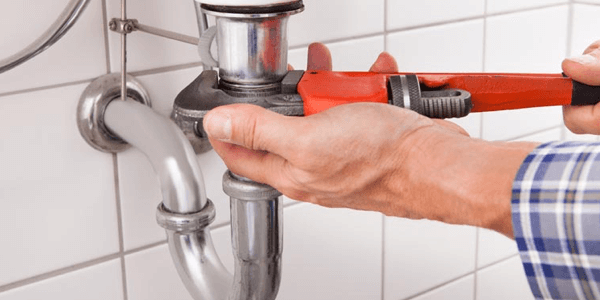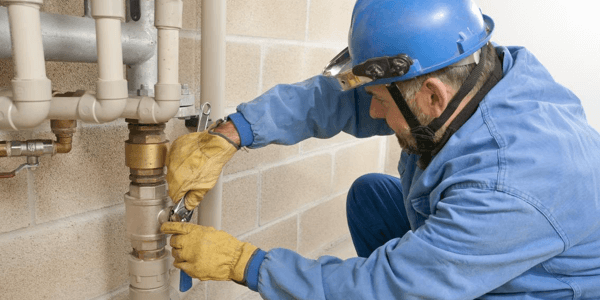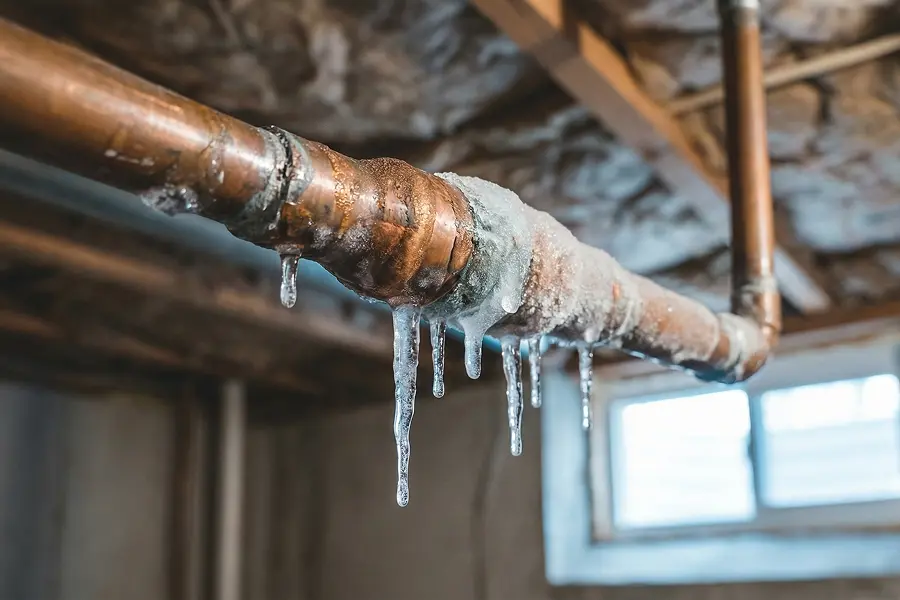


Frozen pipe repair costs can vary widely depending on the severity of the damage and the hourly rates charged by professionals. Typically, repair costs fall between $119 and $213 per hour, with the average cost to repair frozen pipes settling around $167.
If you live in an area with harsh, cold temperatures and ever had to deal with the burden of a frozen pipe, this guide is for you. It will help you prepare financially and avoid surprises during this much-needed service through comparisons between different types of repairs and helpful tips to keep expenses manageable[1]. Read on to gain a clear understanding of what affects pricing and how to make the best decision for your plumbing and your pocket!
Key takeaways
The hourly cost for frozen pipe repairs ranges from $119 to $213 per hour.
The average frozen pipe burst repair cost generally falls around $167 per hour.
Emergency repairs often increase overall costs due to after-hours or urgent service charges.
Material quality and repair complexity significantly impact pricing.
Comparing quotes from licensed professionals helps ensure you receive fair pricing and quality work[2].
How Much Does It Cost to Repair Frozen Pipes by Type
Frozen pipe repairs can address a wide variety of problems that arise from low temperatures[3]. The cost depends on the type of repair needed, the extent of the freeze, urgency, materials involved, and where the pipes are located. Some services focus on identifying the problem, while others involve thawing, repairing bursts, or preventing future freeze issues.
| Type of Service | Cost | Features |
|---|---|---|
Diagnosing Frozen Pipes | $113 - $238 | Identifying the exact location and cause of frozen pipes to plan repairs accurately. |
Thawing Frozen Pipes | $167 - $417 | Applying heat or other methods to safely melt ice blockages and restore water flow. |
Repairing Burst Frozen Pipes | $317 - $1,183 | Fixing pipes that have cracked or burst due to freezing expansion. |
Replacing Burst Pipe Sections | $437 - $1,787 | Removing and swapping out damaged sections of pipe to restore functionality. |
Insulating Exposed Pipes | $137 - $587 | Adding protective coverings to vulnerable pipes to prevent future freezing[4]. |
Sealing Pipe Leaks | $129 - $483 | Applying sealants or tightening connections to stop leaks caused or worsened by freezing. |
Frozen Pipe Burst Repair Costs
Repairing burst pipes is necessary when frozen water causes pipes to crack or break, leading to leaks or flooding. This service generally ranges from $317 to $1,183, averaging about $587.
The final cost depends on the pipe size, type of material, and the level of access needed for repairs.
Burst Pipe Section Replacement Costs
If the damage is extensive, replacing a section of pipe is often the best solution. Costs for replacement range from $437 to $1,787, with an average at $867.
Material type, length, and installation complexity all affect the final price[5].
Frozen Pipes Thawing Costs
Thawing frozen pipes involves melting the ice blockage to restore water flow without causing pipe damage[6]. Costs typically fall between $167 and $417, with an average of $279. Accessibility, chosen thawing method, and temperature conditions affect overall pricing.
If blockages are severe or located deep within your plumbing system, you might need to consider hydro jetting expenses as an alternative solution for clearing stubborn ice or debris.
Plumber Frozen Pipe Repair Cost per Hour
Hiring a plumber on an hourly basis for frozen pipe issues is common because the time needed can vary depending on complexity. You can expect to pay according to the specific work performed, such as locating the frozen section, thawing pipes, or repairing burst areas[7].

Time of day can also affect the cost, with after-hours or emergency calls typically resulting in higher rates. The complexity of accessing frozen pipes, weather, and your home's layout may also increase labor time.
Hourly pricing can be advantageous for minor or uncertain repairs, allowing flexibility if the problem is smaller or easier than expected. For larger jobs, such as extensive pipe replacement, contractors may offer flat-rate pricing based on the overall project. Requesting a detailed estimate helps determine which payment method is best for your situation.
7 Key Factors That Affect the Cost of a Frozen Pipe Repair
The final bill for frozen pipe repair depends on several key factors. Take a look at this list to figure out which services are necessary for an efficient repair.
- Extent of Pipe Damage: The severity and length of pipe damage have a major effect on cost. Minor frost may only need simple thawing, while burst pipes require costly repair or replacement.
- Location of Frozen Pipes: Pipes hidden in walls, floors, or crawl spaces are harder to access, increasing labor and repair expenses.
- Type of Pipe Material: Materials like copper often cost more to fix or replace than plastic due to higher supply and labor prices.
- Time of Repair: Emergency calls or after-hours service typically raise overall repair costs. Prompt intervention may prevent further damage but comes at a premium.
- Required Thawing Method: Thawing with electric wraps or heat guns is less expensive than using complex, specialized equipment or full pipe replacement[8].
- Additional Water Damage Repairs: If pipes have already burst, water may damage floors, walls, or insulation, adding to restoration expenses.
- Travel Distance and Service Fees: The distance from the contractor's base can affect cost. Remote areas often see higher charges because of longer travel times or extra service fees.
By keeping these factors in mind, you can better anticipate costs. Let's keep breaking down other influencing factors.
How Much Does It Cost to Fix Frozen Pipes by Size?
Total repair costs will vary based on the extent of freezing and how much pipe is affected. Larger or more intricate repairs often mean higher prices due to increased labor and materials.
Repair prices are affected by the length, diameter, and accessibility of the affected pipes. Larger freezes may require longer replacement sections or more advanced thawing methods. Here is a breakdown of typical scenarios to help illustrate cost differences:
Minor Frozen Pipe Sections in Small Areas
These usually involve just a few feet of pipe, often in accessible areas, such as under a sink or inside an interior wall. With standard pipe sizes and limited risk for broader damage, repair costs generally fall between $219 and $673, averaging $387.
If the frozen pipe is connected to a sink, you may want to review sink installation prices to understand replacement costs should the fixture also need servicing.
Frozen Pipes in Small Residential Plumbing Runs
This covers slightly larger jobs found in single rooms or grouped fixtures, such as a laundry or bathroom. Pricing ranges from $413 to $1,397, with an average of $769.
Labor and material costs increase with longer or more complex pipe runs.
Medium-Sized Frozen Pipe Repairs for Multi-Room Plumbing
Repairs spanning multiple rooms, such as a kitchen and bathroom group, fall into this category. With tougher access or extra pipe fittings, costs typically land between $893 and $2,983, averaging around $1,678.
Large Frozen Pipe Areas Affecting Significant Portions of the Home
If freezing affects multiple plumbing branches or large home areas, the job becomes more involved. These repairs often cost from $1,763 to $5,968, with an average of $3,277, due to the need for extra labor and possible wall or drywall removal fees.
Extra-Large or Premium-Level Frozen Pipe Remediation
The most complex projects mean working with extensive pipe networks, possibly involving basements or multiple floors, or specialty materials. Costs in these cases range from $3,497 to $12,983, with average prices around $6,873.
Specialized expertise and materials impact the price here.
Cost to Repair Frozen Pipes per Square Foot
Some frozen pipe repair and prevention services are priced per square foot, especially when the job involves large areas or significant preparation. This method allows you to estimate overall expenses based on the size of the affected zone. Pricing generally covers labor, materials (insulation or thawing agents), preparation, and finishing work such as sealing or restoring walls.
| Service Type | Cost | Details |
|---|---|---|
Pipe Thawing | $2 - $8/square foot | Price depends on the thawing method and how easy it is to access the pipe. |
Inspecting Pipes for Freezing Risk | $0.83 - $3/square foot | Includes assessment of vulnerable pipe sections and insulation needs[9]. |
Insulating Exposed Pipes | $1 - $7/square foot | Materials and labor for wrapping or installing insulation sleeves. |
Repairing Burst Frozen Pipes | $9 - $37/square foot | Focused on fixing cracks or holes from pipe bursts. |
Sealing Pipe Leaks | $6 - $24/square foot | Prevents further water damage; cost varies with leak size and access. |
Emergency Frozen Pipe Repair | $14 - $54/square foot | Higher rates for urgent after-hours service. |
Several factors can increase or reduce cost per square foot, including the pipe location (outdoor vs. indoor, crawlspaces), material, the extent of damage, or the need to combine services in one visit. Regional labor rates, as well as high seasonal demand, may also impact pricing.
Insulating exposed pipes is a proactive, cost-efficient way to prevent freezing. Immediate repair of burst pipes, on the other hand, is often more expensive, since it requires urgency and technical expertise.
Emergency Frozen Pipe Repair Costs
Emergency frozen pipe repairs generally cost more due to the need for immediate response, after-hours work, or service during weekends and holidays. If pipes freeze or burst unexpectedly, quick intervention is crucial to prevent larger, more expensive water damage. Contractors often charge a premium for these rapid services.

Higher emergency costs are typically a result of limited contractor availability, increased labor fees, and a premium on urgent service. Complex pipe damage or extensive leaks may require both immediate and follow-up work, further raising expenses.
It is also important to hire licensed professionals in these situations to ensure repairs are thorough and reduce the risk of future damage.
Frozen Pipe Service Prices in Each Region
The cost to repair frozen pipes varies considerably by region in the United States, mainly due to differences in climate, labor fees, and local contractor availability. Check out this helpful table for budgeting repairs.
| Region | Cost | Description |
|---|---|---|
Northeast | $487 - $1,847 | Colder winters and frequent freezes boost demand for repairs, often increasing costs. |
Midwest | $413 - $1,418 | Regular freezes lead to steady service needs, shaping local price structures. |
South | $297 - $1,067 | Milder climate results in fewer frozen pipes and generally lower costs. |
West | $439 - $1,793 | A mix of climates and urbanization creates wide price ranges in the west[10]. |
Regional prices reflect factors like local labor rates, contractor competition, and even climate-based code requirements. For instance, areas with more contractors may offer lower prices, while rural or expensive cities may see higher rates.
Material availability and logistics also influence regional costs, as do requirements for permits or inspections[11]. Always factor in regional conditions alongside the national average when planning your repair budget.
Cost to Repair Frozen Pipes by State
State-level costs for frozen pipe repair can vary greatly due to labor rates, contractor availability, material costs, climate, and market competition within each state. Local codes, permit fees, and the frequency of service calls in cold months play a role as well.
| State | Cost | Details |
|---|---|---|
California | $337 - $1,388 | Higher labor costs reflect a higher cost of living and strong demand for services. |
Texas | $247 - $1,143 | Diverse regions mean moderate labor rates; urban areas may see higher costs. |
Florida | $229 - $1,037 | A warmer climate means fewer cases, but coastal humidity can impact material costs. |
New York | $318 - $1,367 | Cold winters boost service demand and seasonal prices. |
Illinois | $271 - $1,183 | Midwest freezes are common, with prices varying by region and local labor. |
Colorado | $287 - $1,297 | Mountainous areas create accessibility challenges, impacting cost. |
Georgia | $239 - $1,087 | Moderate winters and growth in cities shape local pricing and availability. |
Washington | $298 - $1,313 | Wet climate increases attention to water damage, pushing prices slightly higher. |
Ohio | $251 - $1,118 | Regular winter freezes, but a competitive market helps balance prices. |
Actual project prices will always depend on the specific situation. Always seek detailed quotes from local pros to estimate your true plumbing costs in 2026.
DIY vs. Professional Prices of Frozen Pipe Repair
Comparing both of these approaches might be useful. DIY repairs often seem cost-effective at first, but can involve challenges, added time, or hidden risks that increase the overall investment.
Professionals bring experience, the right tools, and efficient methods, usually resulting in more reliable and lasting repairs. Which option to choose depends on the complexity, urgency, and your level of comfort with plumbing work.

The Challenges of DIY
Attempting to repair frozen pipes on your own requires time, skill, and the right equipment. You might underestimate how long it will take to find and thaw a frozen pipe, or may not have the right tools handy.
Repairing burst pipes can be especially challenging and often involves knowledge and access to materials that are not easy to obtain. Risks include water damage from missed leaks, personal injury, or incomplete fixes, factors that can turn a low-cost DIY job into a bigger expense.
Advantages of Counting on a Professional
Hiring a professional offers several distinct benefits. Contractors can quickly diagnose the issue, use advanced tools, and make efficient repairs that comply with local codes. They have access to high-quality materials and may offer warranties or guarantees on their work.
Pros are also able to recommend and install preventative measures, such as insulation, to avoid repeat problems. For emergency or major repairs, expert intervention provides peace of mind and reduces the risk of future costly incidents.
Decision Guidance on DIYing or Hiring a Pro to Fix Frozen Pipes
Consider the difficulty and urgency of the problem before deciding between a DIY approach and hiring a professional. Simple insulation and basic pipe checks may be handled by resourceful homeowners. However, repairs such as replacing a burst section, dealing with hidden pipes, and managing a true emergency are best left to licensed experts. Weigh the time, skill required, and potential risks before making your choice.
By knowing the pros, cons, and rough cost differences, you can select the solution that fits your needs and ensures yours and your home's safety and efficiency.
Frozen Pipe Repair Cost Compared to Replacement
Repairing and replacing frozen pipes are two different options for resolving pipe issues. Repairs address specific leaks or cracks, while replacement means installing new pipe sections or full lines. Both have their pros, cons, and cost ranges, so it is important to weigh your options.
| Option | Cost | Considerations |
|---|---|---|
Replacement | $887 - $5,878 | Replacement is ideal for old, heavily damaged pipes or when repairs are frequently needed; it comes with a higher upfront cost, but offers long-term security. |
Repair | $263 - $1,871 | Repairs are less expensive and can quickly fix isolated problems, but may not solve underlying issues in older systems. |
When to Choose Replacement
Replacement is best for pipes that are outdated, have suffered significant or repeated damage, or when repair estimates begin to approach half (or more) of replacement costs. Installing new pipe can improve home reliability and efficiency while possibly including a warranty for added peace of mind.
When to Choose Repair
Repairs are suitable for newer pipes, minor damage, or when only a small section is affected. It offers a cost-effective, fast fix without needing extensive work. If the underlying system is still strong, repairs can restore function and minimize disruption.
5 Ways to Save on Frozen Pipes
With a few smart strategies, you can manage frozen pipe costs and avoid expensive emergencies.
- Inspect and Insulate Vulnerable Pipes: Add foam sleeves or insulation tape to protect pipes in unheated zones[1].
- Maintain Consistent Indoor Temperatures: Keeping your home warm, especially during cold snaps, helps prevent freeze-ups[3].
- Shut Off and Drain Unused Water Lines: For outdoor faucets and seasonal lines, drain pipes or shut off water when not in use. If you are upgrading outdoor fixtures, research faucet installation extras to ensure proper winterization during the installation process.
- Thaw Pipes Safely and Early: At the first sign of freezing, use safe heat sources (like a hair dryer or warm towels) to minimize damage[6].
- Schedule Preventive Maintenance: Routine plumbing checkups spot issues early and help you avoid costly breakdowns.
Planning ahead pays off by lowering your risk of emergency calls and extending the life of your plumbing. When you are ready for professional home maintenance support, connect with local experts through homeyou for stress-free and reliable solutions.
Frequently Asked Questions About Frozen Pipes
References
[1]"Preventing & Thawing Frozen Pipes." American Red Cross, https://www.redcross.org/get-help/how-to-prepare-for-emergencies/types-of-emergencies/winter-storm/frozen-pipes.html.
[2]"Plumbers, Pipefitters, and Steamfitters." U.S. Bureau of Labor Statistics, https://www.bls.gov/ooh/construction-and-extraction/plumbers-pipefitters-and-steamfitters.htm.
[3]"Preventing Frozen Pipes." Michigan Department of Health and Human Services, https://www.michigan.gov/miready/be-informed/winter-prep/preventing-frozen-pipes.
[4]"Energy Efficient Home Improvement Credit." Internal Revenue Service, https://www.irs.gov/credits-deductions/energy-efficient-home-improvement-credit.
[5]"Energy Efficient Home Improvement Credit: Insulation and Air-Sealing." U.S. Department of Energy, https://www.energy.gov/eere/buildings/articles/energy-efficient-home-improvement-credit-insulation-and-air-sealing.
[6]"Preventing Frozen Pipes." Indiana Office of Utility Consumer Counselor, https://www.in.gov/oucc/watersewer/tips-and-publications/preventing-frozen-pipes/.
[7]"Occupational Employment and Wage Statistics." U.S. Bureau of Labor Statistics, https://www.bls.gov/oes/current/oes472152.htm.
[8]"Frozen Pipes." City of Boulder, Colorado, https://bouldercolorado.gov/frozen-pipes.
[9]"Federal Tax Credits for Insulation." ENERGY STAR, https://www.energystar.gov/about/federal-tax-credits/insulation.
[10]"Preventing Frozen Pipes." City of Arvada, Colorado, https://www.arvadaco.gov/455/Preventing-Frozen-Pipes.
[11]"California Building Standards Code." California Department of General Services, https://www.dgs.ca.gov/bsc/codes.