

The well pump replacement cost in 2026 can vary significantly based on factors like pump type, installation complexity, and location[1]. Most homeowners will see costs starting from $985 for basic jobs and up to $4,383 for more extensive replacements, with the average near $2,237.
This guide explains the factors that impact the well water pump replacement cost, explores available options, and offers helpful tips for finding the right professional. Whether you are checking the cost to replace a well pump or want to understand the overall well pump replacement price, keep reading for insights to help you save both time and money.
Key takeaways
The typical price range for well pump replacement spans from $985 to $4,383.
The average cost to replace a well pump is close to $2,237, representing what most homeowners can expect.
Both budget-friendly and premium pump options are available, affecting the total well pump replacement price.
Comparing costs in advance helps ensure you hire the right professional without paying too much.
How Much Does It Cost to Replace a Well Pump by Type
Well pump replacement services vary greatly depending on pump type, installation complexity, and urgency. The final cost can be influenced by labor requirements, material needs, and how accessible your well system is. Anticipate expenses and confidently choose the right professional by carefully analyzing the table below.
| Type of Service | Cost | Features |
|---|---|---|
Replace Submersible Well Pump | $1,421 - $5,668 | Full replacement of a submersible pump, often due to failure or wear. |
Replace Jet Well Pump | $817 - $3,378 | Replacement of a jet-style pump, typically used in shallow wells. |
Repair Well Pump Motor | $487 - $2,147 | Fixing or rewinding the motor to restore pump functionality. |
Install Well Pump Control Box | $331 - $1,487 | Adding or replacing the control box that manages pump operation. |
Replace Well Pump Pressure Switch | $197 - $697 | Changing the switch that regulates pump cycling. |
Emergency Fix for Well Pump Failure | $421 - $2,483 | Urgent repair services after a sudden pump breakdown. |
Submersible Well Pump Replacement Costs
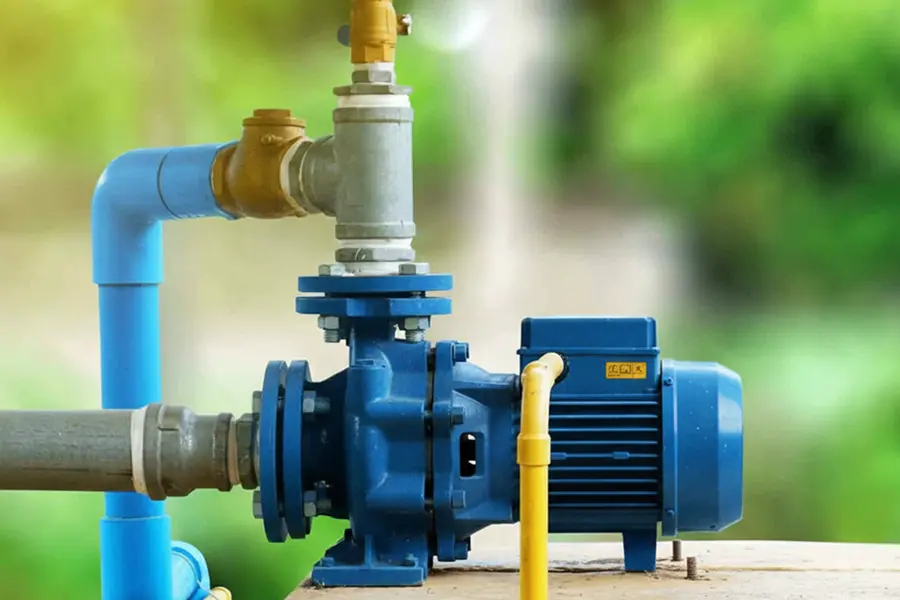
Replacing a submersible well pump requires removing the old pump from within the well casing and installing a new one. Homeowners typically face this when their pump fails due to age, corrosion, or electrical issues.
The cost of submersible well pump replacement is generally between $1,421 and $5,668, with an average of about $2,873. Key price factors include well depth, pump size and type, and installation complexity.
Jet Well Pump Replacement Costs
Jet well pumps are often used in shallow wells and need to be replaced when their performance drops or they suffer mechanical problems.
While the cost to replace a submersible well pump is a different consideration, the typical cost to replace a jet well pump ranges from $817 to $3,378. Pricing varies with horsepower, installation conditions, and accessibility.
Well Pump Pressure Switch Replacement Costs
A well pump pressure switch determines when the pump activates, based on water pressure[2]. Replacing this component is usually straightforward, but essential for reliable pump operation. The cost to replace a well pump at times includes pressure switch replacement.
Prices for this service usually fall between $197 and $697. The type of switch and electrical compatibility can impact final pricing.
Emergency Fix for Well Pump Failure Costs
Emergency repairs for well pumps address sudden breakdowns, such as frozen pipe repair expenses, that halt the water supply. These urgent services can be pricier because of after-hours labor and rapid part sourcing.
The well water pump replacement cost can be overtaken by emergency repair costs, usually falling between $421 and $2,483. Costs are driven mainly by the severity of the issue and the need for immediate action.
How Much Does a Well Pump Replacement Cost per Hour
Some homeowners pay for well pump replacement based on the time required, instead of a flat project rate. Knowing the average cost to replace a well pump per hour will help you realistically budget for labor and assess whether hourly or flat-rate pricing is a better fit for your needs. Hourly rates usually cover time spent on installation, repairs, or diagnostics for your home's well pump system.

Hourly pricing is common when the project scope might change partway through. For instance, additional repairs or unexpected faults discovered with your well pump motor may increase the time and cost for the service.
Hourly rates are practical for unpredictable or multi-step projects. For well-defined jobs, a fixed, project-based price might make more sense. Now you are prepared to check with your contractor the options they offer and better negotiate rates.
6 Factors That Affect the Well Pump Replacement Price
The cost of a well pump replacement can swing substantially, depending on several key factors. Avoid surprises as you work through replacing well pump cost decisions by checking out our personally prepared list.
- Type of Well Pump: Costs vary depending on whether you use a submersible or jet pump[3]. Submersible pumps generally cost more due to design and installation differences.
- Pump Size and Capacity: Pumps with higher flow rates or larger sizes come with a greater cost of replacing a well pump. Your needs will depend on the number in your household and your well's depth.
- Well Depth and Access: Deeper or less accessible wells, which may have required higher water well drilling costs initially, increase both labor time and equipment requirements[4].
- Labor and Installation Complexity: The state of your existing system, necessary upgrades, and physical installation all impact the price. More complex work costs more.
- Pump Brand and Quality: Well-known or high-quality pumps may cost more, but can last longer and reduce maintenance needs.
- Additional Repairs or Upgrades: Other issues found during replacement, like damaged pipes or tanks, can increase plumbing rates.
Now, let's break down factor #2 into further detail.
How Much Does a Well Pump Cost to Replace by Size
Selecting the right well pump size strongly affects your overall replacement cost. The configuration determines how efficiently water is delivered based on well depth, household demand, and necessary water pressure.
Generally, bigger or more complex systems lead to higher materials and labor costs. So read down below to ensure your system is the right fit.
Small Residential Well Pumps for Typical Homes
Homes with standard water needs and shallow wells often require small well pumps. These are the most economical options, usually easy to install and maintain.
Costs for these units range from $1,183 to $3,487, with the average being $2,147.
Labor is less expensive thanks to simpler systems and easier access. Standard parts are used, which helps homeowners keep costs low and the replacement process hassle-free.
Medium Well Pumps for Larger Homes With Multiple Water Fixtures
Larger households with increased water demand or deeper wells will typically use a medium-sized pump. These support higher volumes and pressure, which require sturdier construction and a more involved installation.
Costs usually range between $1,871 and $4,873, averaging near $3,098.
Installation is typically more technical due to the larger capacity, ensuring reliable performance in busy homes with multiple fixtures.
Large Well Pumps for Extensive Properties and Heavy Water Consumption
For properties with multiple bathrooms, irrigation systems, or guest houses, large well pumps are necessary. They feature powerful motors, more complex plumbing, and sometimes require extra infrastructure.
Costs fall between $2,647 and $6,788, with an average of $4,281.
The installation and set-up often require more time and may involve well modifications to ensure the system meets your needs for heavy water consumption.
Extra-Large Pumps for Custom or Premium Residential Installations
Some residences need custom-designed or premium water systems with very high demand. These extra-large pumps handle large volumes and pressures, common in estates or homes with advanced plumbing.
Replacement costs are between $3,473 and $9,277, averaging at $5,791.
Such jobs require expert installation, custom materials, and often upgrades to existing infrastructure, resulting in the highest overall pricing.
Emergency Costs to Replace a Well Pump
Emergency well pump replacement generally requires prompt service, which increases hourly rates compared to standard appointments. You should consider urgency, the type of repair, and scheduling, as these greatly influence the final expenses.

Emergency pricing is affected by after-hours labor, immediate parts availability, and repair complexity. Significant repairs or those requiring special equipment and return visits will drive up your total cost. Hiring a certified professional is especially important here, as quick, proper repairs can prevent further damage and greater expenses later on[5].
Average Cost to Replace a Well Pump by Region
Labor, water source conditions, and local regulations all play major roles in determining your well pump replacement expense[6]. Look at the table below to have a better idea of what to expect.
| Region | Cost | Description |
|---|---|---|
Northeast | $1,973 - $4,868 | Higher labor costs and stricter permitting requirements often increase expenses. Cold-weather conditions also affect materials and installation methods. |
Midwest | $1,641 - $4,123 | Generally moderate costs due to balanced labor rates and readily available equipment. Soil types and water table depth can influence complexity. |
South | $1,537 - $4,031 | Warmer climate reduces seasonal installation challenges, though increased demand and longer drilling depths may raise prices. |
West | $2,031 - $5,287 | Higher costs are driven by the scarcity of skilled technicians, tougher terrain, and often more complex water system regulations. |
In addition to your region, variables such as well depth, pump style, and pre-existing plumbing can impact your final bill[6]. Permitting and inspection fees may also differ by location.
Even shipping for pump parts or materials can be higher in some remote areas, so always factor in local specifics and request several estimates from trusted providers.
Cost of Well Pump Replacement by State
Well pump replacement is a vital maintenance task, and the price differs widely by state due to labor rates, materials, local demand, and state-mandated rules. Let's check the estimates for your state:
| State | Cost | Details |
|---|---|---|
California | $1,943 - $5,421 | Higher labor costs and strict regulations contribute to increased expenses in this state. |
Texas | $1,378 - $4,183 | Large rural areas can reduce costs, but demand in metropolitan zones impacts pricing. |
Florida | $1,463 - $4,397 | The humid climate often requires more frequent maintenance, affecting replacement pricing. |
New York | $1,761 - $5,128 | Winter weather considerations and higher labor costs influence overall expenses here. |
Illinois | $1,497 - $4,617 | A mix of urban and rural installations creates varied pricing depending on location. |
Georgia | $1,327 - $4,138 | Seasonal demand spikes in summer can elevate labor rates temporarily. |
Ohio | $1,283 - $4,011 | Moderate labor costs with relatively easy access to parts help keep pricing competitive. |
Pennsylvania | $1,518 - $4,723 | Older homes often require additional work, which can increase labor and materials expenses. |
Colorado | $1,627 - $4,987 | Mountainous terrain sometimes complicates installations, impacting overall costs. |
North Carolina | $1,363 - $4,261 | Growing populations in suburban areas influence demand and pricing variability. |
While this state-level information provides a general guideline, prices can still vary within a state. Always ask local contractors for firm quotes before beginning a project to get accurate numbers for your location.
Well Pump Replacement Costs: DIY vs. Professional Comparison
While do-it-yourself well pump replacement delivers upfront savings, the risk of mistakes or hidden costs is much higher. On the other hand, professionals bring know-how, access to specialized tools, and the assurance that the job is done right; potentially saving you complexity, time, and extra repair bills in the long run[5].

Electrical and plumbing work can be hazardous without experience. Mistakes can damage your equipment or cause system downtime, and troubleshooting like an expensive professional plumbing inspection after the fact may increase total costs.
Pros diagnose issues accurately, follow code, and finish the job quickly[5]. Warranties protect you against future failures, often resulting in better long-term value.
Simple repairs, such as pressure switch replacement or pump testing, may be handled by skilled homeowners. Full pump or motor replacements are best left to pros due to complexity and safety.
How Seasonality Influences Well Pump Replacement Pricing
When you choose to replace your well pump can make a big difference in price and scheduling. Seasonal peaks, weather, and contractor availability all impact replacement costs. High demand during summer and spring often means higher prices and longer wait times; meanwhile, winter work can be more challenging but sometimes less expensive if you are flexible with timing.
| Season | Cost | Description |
|---|---|---|
Spring / Early Summer | $1,637 - $3,891 | Increased demand as temperatures rise; favorable weather supports quicker installations. |
Summer | $1,723 - $4,178 | Peak season with high demand; pricing often reflects contractor availability and travel demands. |
Autumn | $1,568 - $3,783 | Moderate demand; cooling temperatures reduce risks of heat-related delays during work. |
Winter | $1,493 - $3,927 | Lower demand but potential access issues due to snow or frozen ground can increase labor time. |
Peak Season | $1,817 - $4,387 | Highest demand periods may coincide with summer or transitional months, driving up prices. |
Off-Season | $1,427 - $3,611 | Reduced demand lowers costs; scheduling is easier, but weather may delay installations. |
Seasonal trends can greatly influence well pump replacement costs. Prices often rise in warmer months when demand peaks, while winter's wet or frozen ground can make jobs slower and more expensive.
Limited labor during busy seasons or holidays may also push rates higher. To save money and avoid delays, consider scheduling replacements before peak demand or major weather changes.
Well Pump Repair vs. Replacement: Cost and Considerations
It is helpful to know when repair is enough and when full replacement will save you money in the long term[2]. Repairs usually involve fixing specific parts, which costs less at first, but often means more frequent service.
Replacement is more expensive upfront, but it usually ensures a longer-lasting solution. Both options have their uses as you weigh the cost of replacing a submersible well pump for your household.
| Option | Cost | Considerations |
|---|---|---|
Replacement | $1,873 - $5,988 | A full replacement has a longer lifespan and reduces frequent repairs, but is a bigger investment upfront. |
Repair | $287 - $1,437 | Repairs have a lower initial cost but may need to be repeated sooner, shortening service life. |
When to Choose Replacement
If your pump is over 10 years old, keeps breaking down, or has major system issues, it may be time for a replacement. When repair bills start matching the cost of a new unit, upgrading becomes the smarter choice, especially if you want better energy efficiency, modern features, and long-term reliability without constant maintenance hassles[7][8].
When to Choose Repair
If your pump issues are minor and not disrupting water use, a repair might be all you need. This is especially true for newer systems in good condition or when you're working with a tight budget.
A simple, targeted fix can keep things running smoothly until you're ready to plan a full replacement later.
How to Save on Well Pump Replacement Costs
Well pump replacement may seem costly, but proactive choices can keep expenses in check. By managing the process wisely, you can maximize value without cutting corners. Using a well pump replacement cost calculator will also give you a better sense of pricing before getting quotes.
Practical ways to lower well pump replacement costs:
- Plan and schedule work early to avoid emergency fees.
- Compare estimates from several reputable companies[5].
- Purchase equipment or materials during low-demand periods or sales.
- Attempt DIY only with simple, low-risk tasks.
- Maintain your pump and system to prevent expensive repairs down the road.
These actions of preparing ahead, getting multiple quotes, and maintaining your system help you avoid surprise costs and ensure reliable performance.
For added peace of mind, consider connecting with a homeyou qualified house remodeling contractor. You will receive accurate price quotes and installation guidance tailored to your needs and budget!
Frequently Asked Questions About Well Pump Replacement
References
[1]United States Environmental Protection Agency. "Private Drinking Water Wells." EPA, www.epa.gov/privatewells.
[2]United States Environmental Protection Agency. "Protect Your Home's Water." EPA, www.epa.gov/privatewells/protect-your-homes-water.
[3]United States Environmental Protection Agency. "Learn About Private Water Wells." EPA, www.epa.gov/privatewells/learn-about-private-water-wells.
[4]Centers for Disease Control and Prevention. "Well Water Safety." CDC, www.cdc.gov/drinking-water/safety/index.html.
[5]Centers for Disease Control and Prevention. "Guidelines for Testing Well Water." CDC, www.cdc.gov/drinking-water/safety/guidelines-for-testing-well-water.html.
[6]U.S. Geological Survey. "How Can I Find the Depth to the Water Table in a Specific Location?" USGS, www.usgs.gov/faqs/how-can-i-find-depth-water-table-a-specific-location.
[7]U.S. Geological Survey. "General Facts and Concepts About Ground Water." USGS, pubs.usgs.gov/circ/circ1186/html/gen\_facts.html.
[8]ENERGY STAR. "Federal Tax Credits for Energy Efficiency." ENERGY STAR, www.energystar.gov/about/federal-tax-credits.
[9]National Ground Water Association. "NGWA." NGWA, www.ngwa.org/.
[10]National Ground Water Association. "Certification Exams." NGWA, www.ngwa.org/advance-your-career/certification/contractor-certification/certification-exams.