

Grease trap installation costs in 2026 range from $1,393 at the lower end to $4,197 for more complex installations, with most projects averaging around $2,595. This range reflects the wide variability depending on grease trap size, installation location, and contractor fees.
In this exclusive guide, you will find a detailed breakdown of the main cost factors influencing grease trap installation, comparisons to related plumbing services, and practical tips for getting the best value. Keep reading to discover everything you need to know about grease trap installation prices!
How Much Does It Cost to Install a Grease Trap by Type
Grease trap installation covers a wide variety of services depending on the size, complexity, and location of the project. Costs depend on whether you need excavation, plumbing work, or other specialized components.
Some installations require permits or specialized equipment as well, which further impacts your total cost. Take a look down below to estimate expenses more accurately in 2026.
| Type of Service | Cost | Features |
|---|---|---|
Excavating Site for Grease Trap | $992 - $3,192 | Preparing the area by digging to accommodate underground grease traps. |
Installing a Grease Trap | $1,393 - $4,197 | Installing a new grease trap unit, usually above or below ground. |
Installing an Underground Grease Trap | $2,384 - $6,812 | Placing grease traps beneath the surface, typically requiring more work. |
Connecting a Grease Trap to the Plumbing | $696 - $2,203 | Linking the grease trap to existing wastewater systems. |
Removing Old Grease Trap | $489 - $1,681 | Taking out an old or damaged grease trap before a new installation. |
Inspecting Grease Trap Installation | $174 - $676 | Professional inspection to ensure proper setup and compliance. |
Sealing Grease Trap System | $138 - $539 | Applying sealant to prevent leaks and odors in the grease trap system. |
Excavating Site for Grease Trap Costs
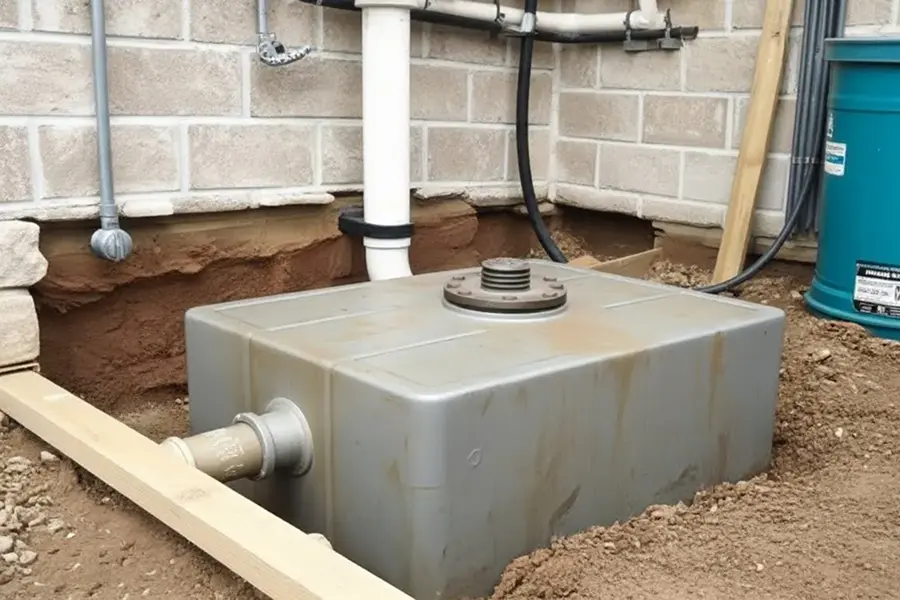
Site excavation becomes necessary for underground grease traps or when existing kitchen infrastructure requires modification.
This service usually ranges from $992 to $3,192, averaging about $1,846.
Costs can significantly rise if the soil is difficult to dig or if access to the area is limited. Larger work sites or challenging terrain also contribute to increased expenses.
Connecting a Grease Trap to the Plumbing Costs
Properly connecting the grease trap to your existing plumbing is essential for meeting local regulations and ensuring efficient drainage[1].
This service typically costs from $696 to $2,203, averaging $1,253.
The total depends on the distance to main drain lines, the type of piping needed, and whether the project requires upgrades to your existing plumbing. More complex or retrofit jobs will generally result in higher costs.
If your existing drain lines show signs of buildup or slow drainage before installation, you may want to review drain cleaning costs to ensure your plumbing system is ready for the new grease trap connection.
Inspecting a Grease Trap Installation Costs
A professional inspection is important for confirming that your grease trap installation is secure, functions properly, and complies with all relevant codes[2].
Inspection costs fall in the range of $174 to $676, with the average around $349.
Inspections are particularly vital after a fresh installation or replacement to prevent fines or future repairs. The thoroughness of the inspection and specific permitting requirements may affect these costs.
How Much Does a Grease Trap Installation Cost per Hour?
Hourly pricing is especially common for complex installations, extensive site preparation, or unexpected modifications that require extra expertise.

Hourly labor rates tend to apply for steps like site excavation or specialized plumbing connections. These rates can rise if the work is challenging or requires specialized equipment. Factors such as contractor experience, installation complexity, and local market conditions also influence the rates.
For projects where total hours are hard to estimate, like when zoning inspections or hidden plumbing issues may appear, hourly pricing is most flexible. Discuss options with your contractor and choose the approach best suited to your project's complexity.
7 Factors That Affect the Cost of Grease Trap Installation
Many variables can impact the total cost to install a grease trap. This list summarizes the most important aspects for efficient budgeting decisions.
- Grease Trap Size: Larger traps require more materials and labor, which raises costs. Proper sizing depends on kitchen output and local codes[3].
- Type of Grease Trap: Choices include passive (gravity) and automatic or hydromechanical units. Automatic traps are more expensive due to their advanced features.
- Installation Location: Accessible locations, such as indoors or near plumbing, typically cost less than hard-to-reach or outdoor installations.
- Plumbing Complexity: Adapting complicated or outdated plumbing often increases labor time and materials, adding to the overall price.
- Material Quality: Durable materials like steel or fiberglass last longer, but cost more up front.
- Local Codes and Permits: Municipal requirements and permit fees may add to costs, especially in regions with specific standards or inspection requirements[4].
- Labor Rates: Experienced, licensed installers may command higher fees but can deliver reliable results and ensure compliance.
Additionally, if you are installing or upgrading your garbage disposal alongside your grease trap, be aware that garbage disposal installation expenses can add to your overall project budget, especially when coordinating both systems.
Now, let's talk further about factor #1!
Cost of Installing a Grease Trap by Size and Scale
Larger or more customized systems demand more materials, labor, and may require additional permits or structural work. Therefore, the capacity and complexity of a grease trap installation have a major impact on what you will pay.
Home grease trap setups vary widely, depending on your kitchen's grease output and layout. Tiny units work well in compact kitchens with a single sink, while larger or custom systems support commercial-style cooking and multiple fixtures.
Typical Tiny Grease Traps for Residential Kitchens
Tiny grease traps serve minimal needs, usually a single-sink kitchen with limited grease production. These units generally hold less than 20 gallons and can be installed in tight spaces, with minimal plumbing charges.
Homeowners can expect costs from $690 to $1,880, averaging $1,188.
Labor is typically brief unless access is especially difficult, making this a budget-friendly option for homes with little grease waste.
Small Grease Traps for Moderate Home Use
Small grease traps fit homes with several sinks or moderate kitchen usage, handling around 20 to 40 gallons. Installation may require additional plumbing work, cabinetry adjustments, or space modifications.
Pricing for these systems ranges from $1,092 to $2,690, with an average of $1,801. Added material and labor are commonly needed, especially for more extensive plumbing.
Medium-Size Traps for Larger Residential Setups
Medium-sized grease traps accommodate busy kitchens and multiple appliances, holding 40 to 60 gallons. These installations often require custom plumbing and, occasionally, structural reinforcement.
Expect costs from $1,594 to $3,688, typically averaging $2,494. Labor can be more extensive, especially if the system is installed in an older or unconventional setup.
Large Grease Traps for Extensive Kitchen Use
Bigger systems, with over 60 gallons of capacity, meet the demands of shared cooking areas. These products require major plumbing work and are often installed outdoors or underground.
Installation costs range between $2,398 and $4,996, with the average at $3,503. Extra permits, inspections, and weather-resistant materials may contribute to the higher price.
Extra Large and Custom Grease Trap Solutions
Custom setups are crafted for home kitchens with unique layouts or industrial-scale demands. These systems offer advanced features, increased capacity, or both.
Pricing typically runs from $3,308 to $6,903, averaging $4,709. Custom fabrication, advanced features, and complex labor add to the overall cost, but you receive a solution tailored to your home's unique setup.
Emergency Costs to Install a Grease Trap
Emergency grease trap installation usually costs more than standard service because of the need for immediate attention. When a system fails or demands quick replacement, contractors may need to prioritize your job after hours, driving up labor and service fees. Rapid-response services require extra availability or overtime work.

More challenging issues or difficult access may also raise prices. Additionally, sourcing a qualified professional for emergency work can be more difficult, which contributes to higher costs.
How Much Does It Cost to Install a Grease Trap in Each Region
Prices will differ significantly across different regions of the United States. Regional labor rates, local codes, and market conditions play big roles in determining final prices. This section provides general price ranges for various regions to help you gauge what to expect in your area.
| Region | Cost | Description |
|---|---|---|
Northeast | $2,302 - $5,498 | Higher labor costs and stricter environmental regulations contribute to elevated installation prices in this region. |
Midwest | $1,882 - $4,703 | Generally moderate prices benefit from lower labor costs and more readily available materials. |
South | $1,776 - $4,518 | Competitive contractor markets and varied permit fees lead to a broad price range in this region. |
West | $2,157 - $5,215 | Higher costs often stem from increased labor rates, material expenses, and stricter coastal regulations. |
Local permitting and inspection requirements, as well as the availability of contractors and competition, shape prices in each region. In locations with a higher cost of living or limited expertise, rates can be steeper. Climate and the need for weather-resistant materials may also factor in, especially in coastal or northern regions.
Grease Trap Installation Costs by State
Installation prices for grease traps vary widely from state to state because of unique labor rates, regulations, and material delivery costs. Some states require additional permits or inspections, while busy urban markets can drive up demand and prices. The following breakdown highlights key state-specific factors.
| State | Cost | Details |
|---|---|---|
California | $2,203 - $5,717 | Higher labor costs and stricter regulations raise prices. Urban demand in major cities affects costs. |
Texas | $1,699 - $4,539 | Generally moderate labor costs with a competitive market, but some areas require extensive permits[5]. |
Florida | $1,745 - $4,705 | Seasonal demand peaks due to tourism, with moderate labor and material costs[6]. |
New York | $2,328 - $6,206 | High labor rates and complex municipal regulations increase installation expenses. |
Illinois | $1,751 - $4,678 | Balanced labor costs and strong local competition keep prices moderate across the state[7]. |
Colorado | $1,839 - $4,996 | Mountainous regions affect delivery costs, and state permits add to overall expenses. |
Georgia | $1,628 - $4,347 | Lower labor costs combined with growing demand influence prices, especially in metro areas. |
Washington | $2,046 - $5,412 | Higher material costs due to regional supply constraints and strict environmental regulations. |
Ohio | $1,580 - $4,217 | Relatively low labor costs and steady demand contribute to affordable installation pricing. |
Knowing your state's general price range is a good starting point, but since costs can differ even within a state, it is best to get multiple quotes from local professionals. This approach gives you a true understanding of your project's expected expenses.
DIY vs. Professional Grease Trap Installation Prices
Consider your skill level, available tools, and the complexity of your installation before choosing your path. While DIY work can look less expensive, it introduces risks such as costly errors, a significant time investment, or unexpected equipment needs. Professionals, on the other hand, deliver experience, efficiency, and compliance with codes[8].

DIY Challenges You Might Face When Installing a Grease Trap
Attempting DIY grease trap installation usually goes beyond basic handyman projects. Homeowners often underestimate the effort required for prep work and exact plumbing connections.
Mistakes could result in clogs, leaks, or code violations, potentially causing expensive repairs. You may need to purchase or rent specialized tools, which adds to the tool rental costs.
Consider your available time as well, since this type of DIY project can easily run longer than expected if problems are encountered.
Advantages of Hiring a Grease Trap Installation Professional
A professional installer brings expertise to ensure your trap is installed correctly, meets all codes, and is integrated safely into your plumbing system. Professionals also complete the job more efficiently and safely.
Additionally, they can identify when additional services like hydro jetting are needed to clear your drain lines before installation. Hydro jetting fees might be worth it for this preparatory service that ensures optimal grease trap performance.
Many contractors offer warranties for their workmanship, so you gain peace of mind along with lasting results. While the upfront cost can be higher, the value often pays off in reliable operation and reduced risk.
When to Choose DIY or Professional Grease Trap Installation Services
DIY grease trap installation works well for those with strong plumbing experience and access to the required equipment, especially for simple setups. For more complex jobs such as large units, retrofits, or systems requiring significant excavation, hiring a professional is recommended.
Carefully weigh your skills and the project's demands to ensure the safety and long-term performance of your kitchen's plumbing.
Add-Ons for Grease Trap Installation
Enhancing your grease trap with add-ons can improve its efficiency, durability, or ease of use. Though these options increase the project cost, they can provide substantial benefits, such as improved odor control, longer system life, and easier cleaning and maintenance. Here are some of the most popular grease trap add-ons and their typical cost ranges:
| Add-On | Cost | Details |
|---|---|---|
Odor Control System | $329 - $1,490 | Helps reduce unpleasant smells coming from the trap through specialized ventilation or filtering methods. |
Filter Upgrade | $188 - $941 | Improves grease-catching efficiency by installing higher-quality or additional filtering elements. |
Automatic Cleaning System | $1,183 - $4,212 | Automates grease removal to reduce manual maintenance, perfect for high-use kitchens. |
Drainage Improvement | $415 - $2,187 | Enhances flow and prevents backups by optimizing the trap's drainage system during installation. |
Corrosion Protection | $239 - $1,279 | Adds materials or coatings to extend the grease trap's lifespan by resisting rust and chemical damage. |
Remote Monitoring Setup | $791 - $2,992 | Allows for real-time tracking of grease levels and maintenance needs through digital sensors and alerts. |
Homes undergoing simultaneous kitchen updates should also consider sink installation costs, as replacing or repositioning sinks during grease trap installation can streamline the project and potentially reduce combined labor costs.
Add-on pricing is shaped by factors such as material quality, installation complexity, and any advanced technology included. Some brands may charge more for premium features or exclusive upgrades, but these enhancements can lead to a longer-lasting, more functional system.
Always discuss compatibility and customization needs with your installer, since local regulations or specific home layouts can influence what is practical.
ROI of Grease Trap Installation
Calculating the return on investment (ROI) for grease trap installation in 2026 helps homeowners recognize the longer-term benefits in addition to the up-front cost.
A properly installed grease trap boosts your kitchen's function, protects your plumbing system, and can even enhance home value. While direct tax credits are rare, related plumbing upgrades could qualify for incentives that further improve your ROI.
Key drivers of grease trap installation ROI include:
- Material Quality and Durability: Premium materials reduce corrosion and clogging, keeping future maintenance lower and the unit lasting longer.
- Professional Installation: Skilled contractors ensure proper sizing and code compliance, reducing the risk of issues that could affect home value.
- Maintenance Requirements: Efficient traps require less frequent cleaning, lowering ongoing costs and making homeownership easier[9].
- Market Demand: In areas where regulations promote grease trap usage, homes with compliant systems become more attractive to buyers.
Remember, ROI is affected by your local market, the quality of your installation, and the specifics of your home. Even beyond the numbers, properly installed grease traps offer significant benefits like fewer drain issues, easier compliance, and worry-free homeowners.
6 Tips to Save on Grease Trap Installation
Cost-conscious homeowners can take clear steps to keep grease trap installation affordable while ensuring safe and durable results. Smart planning and research will help you cut unnecessary expenses and prevent costly mistakes.
- Plan the Installation Early: Schedule projects well in advance to avoid rush charges, and allow time to compare contractors.
- Choose the Right Size and Type: Avoid overpaying for excess capacity or features you do not need by accurately matching the trap type to your kitchen's needs.
- Prepare the Site Yourself: Clearing the area ahead of time can reduce labor hours and speed up installation.
- Obtain Necessary Permits Ahead: Stay ahead of local regulations and avoid delay-related fees by having permitting in place before work starts[10].
- Consider Combined Services: Bundling grease trap work with other plumbing jobs may yield savings on labor or materials.
- Request Detailed Estimates: Ask for itemized quotes to help identify places where you can safely reduce scope or material quality.
Proper research and working with trusted experts will set you up for a successful and budget-friendly upgrade. To find reliable local home improvement professionals, connect through homeyou and get quotes from experienced installers who understand your specific requirements and only want the best for you and your home!
Frequently Asked Questions About Grease Trap Installation
Grease trap installation typically covers site preparation or excavation, placing and securing the grease trap, connecting it to your plumbing system, ensuring proper sealing, and completing any inspections for code compliance. Some installations may also involve removing an old trap or adding optional upgrades based on your needs.
You can make your grease trap more eco-friendly by maintaining it regularly and disposing of waste properly. Schedule frequent cleanings to prevent blockages, use enzyme-based cleaners instead of harsh chemicals, and recycle collected grease through approved waste processors. Installing a high-efficiency interceptor can also reduce water contamination and improve long-term sustainability.
Installing a grease trap usually takes several hours to a full day, depending on the trap size, site conditions, and plumbing complexity. Projects that require excavation, new plumbing, or extra inspections may take longer, while simple above-ground setups are often completed more quickly.
The best materials for a grease trap are typically stainless steel, fiberglass, or heavy-duty plastic. Stainless steel offers excellent durability and corrosion resistance, while fiberglass and plastic provide lighter weight and affordability. The ideal choice depends on kitchen use, local codes, and maintenance needs.
If your home uses a septic system, proper grease trap maintenance is crucial to prevent FOG (fats, oils, and grease) from reaching your septic tank. Regular septic tank pumping expenses should be factored into your overall wastewater management budget, as grease buildup can accelerate the need for pumping and potentially damage your septic system."
Unexpected costs can include extra excavation if site conditions are difficult, upgrades to incompatible plumbing, permit fees, required inspections, or costs to remove an old grease trap. Add-ons like odor control, access doors, or emergency service may also increase the overall price.
Some potential disadvantages include the need for regular maintenance, limited space for installation under sinks, and possible odors if not properly maintained. There may also be upfront costs, and improper installation can lead to plumbing issues or code violations that require correction.
You may need a grease trap if your kitchen frequently produces grease or oil, you experience frequent drain clogs, or local regulations require one for your home. Persistent slow drains, backups, or commercial-style cooking in your kitchen are also signs to consider installing a grease trap.
References
[1] Miami-Dade County. "Fats, Oils and Grease (FOG) Discharge Control Operating Permit." Miami-Dade County, https://www.miamidade.gov/permits/grease-discharge.asp.
[2] City of Springfield. "Requirements for Installation and Maintenance of Grease Removal Devices." City of Springfield, Oregon, https://www.springfield-or.gov/wp-content/uploads/2019/01/General-Requirement-Additional-Information.pdf.
[3] IAPMO. "Answers and Analysis: Uniform Plumbing Code Chapter 10." International Association of Plumbing and Mechanical Officials, https://aa.iapmo.org/?code=UPC&chapter=10.
[4] United States Environmental Protection Agency. "Fats, Oils and Grease (FOG) Management & Control Program." EPA, https://www.epa.gov/system/files/documents/2023-10/fog-slides.pdf.
[5] Texas Commission on Environmental Quality. "Keeping Fats, Oils, and Grease out of the Sewer System." TCEQ, https://www.tceq.texas.gov/assistance/water/wastewater/fog.
[6] Florida Department of Environmental Protection. "Wastewater Permitting." Florida DEP, https://floridadep.gov/water/domestic-wastewater/content/wastewater-permitting.
[7] Illinois Environmental Protection Agency. "Wastewater Permits." Illinois EPA, https://epa.illinois.gov/topics/forms/water-permits/waste-water.html.
[8] Occupational Safety and Health Administration. "Grease Trap Hazards." OSHA, https://www.osha.gov/sites/default/files/publications/OSHA3986.pdf.
[9] Salt Lake City. "Wastewater Pretreatment Fats, Oils and Grease (FOG)." Salt Lake City Utilities, https://www.slc.gov/utilities/pretreatment-fats-oils-grease-fog/.
[10] United States Environmental Protection Agency. "NPDES Permit Basics." EPA, https://www.epa.gov/npdes/npdes-permit-basics.