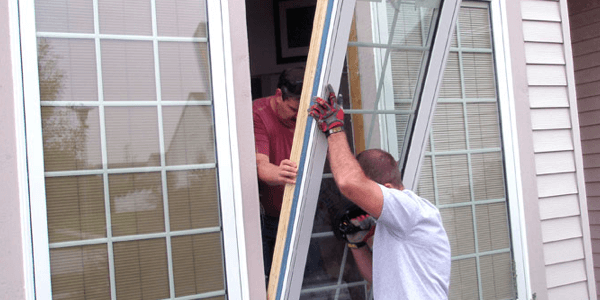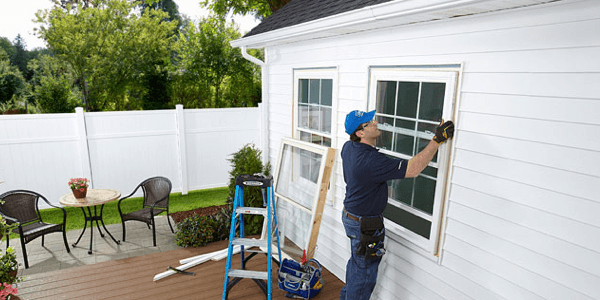


In 2026, the custom window installation cost depends heavily on size, frame material, glass performance, and installation complexity; projects can range from $927 to $2,273, with the typical job landing near $1,438 for many homeowners researching.
This guide breaks down the major cost drivers, compares off-the-shelf versus fully custom options, and offers practical hiring and measurement tips so you can evaluate quotes and warranties with confidence, and explains how proper integration with the home enclosure affects long-term performance[1]. Continue reading to compare scenarios and get a clear checklist for choosing the right installer.
Key takeaways
Expect a wide range, from $927 on the low end to $2,273 on the high end, with $1,438 as the common midpoint.
Upgrades like custom shapes, premium frames, and high-performance glazing push costs toward $2,273.
Simple replacements or standard sizes often approach $927.
$1,438 tends to balance upfront expense with energy and durability benefits for many homeowners.
Get multiple quotes, verify custom-window experience, and confirm how installers will tie windows into the existing enclosure for the best long-term value.
How Much Does It Cost to Install Custom Windows by Type
Some homeowners expect pricy new windows to be installed during a larger renovation, while others pay only for targeted repairs or upgrades. Design choices, such as frame style and glazing options, affect the final price and can be informed by remodeling design resources[2].
| Type of Service | Cost | Features |
|---|---|---|
Install Custom Window | $927 - $2,273 | Full on-site installation of a custom-sized window, including framing, flashing, and final trim. Complexity rises for nonstandard openings or structural work. |
Replace Custom Window | $927 - $2,898 | Removing an existing unit and installing a new custom window, often chosen to improve energy performance or aesthetics. May require trim or sash adjustments. |
Remove Old Window | $181 - $468 | Safe removal and disposal of an existing window, sometimes bundled with new installation to reduce overall labor. |
Inspect Window Installation | $187 - $641 | A professional inspection to verify proper flashing, sealing, and operation; useful before buying or after installation. |
Repair Window Frame | $263 - $917 | Localized frame repairs for rot, warping, or minor structural damage; may extend a window's service life at lower cost than replacement. |
Seal Window Frame | $157 - $487 | Recaulking, weatherstripping, and seal repairs to stop drafts and water intrusion without replacing the window. |
Upgrade Window Lock | $83 - $318 | Replace or improve locking hardware to increase security and functionality, often a quick upgrade with modest cost. |
Apply Weatherproofing | $238 - $873 | Add storm-proofing[3], exterior flashing improvements, or retrofit insulation to improve performance in extreme climates. |
Window Installation Costs
Window installation covers new custom units set into an existing opening or a rough opening that requires framing, and homeowners choose this when they need larger or uniquely shaped glazing.
Costs typically run $927 to $2,273, with an average of $1,438. The main price drivers include the window size and shape, glazing type, site accessibility, and whether structural modifications are required.
Energy-rated technologies and specialized glazing add to the upfront cost but can improve long-term efficiency, and federal guidance on window types and technologies explains those trade-offs[4].
Window Frame Repair Costs
Frame repairs address wood rot, aluminum warping, or vinyl deformation and are chosen when the sash and glass are otherwise sound.
Expect typical costs of $263 to $917, with an average of $492. Labor skill, the extent of deterioration, and whether replacement sections or matching trim are needed influence the final price.
Weatherproofing Costs
Weatherproofing includes in the price storm-window installation, exterior flashing upgrades, and added sealing to reduce drafts or moisture entry, and homeowners often select these measures to improve comfort without full replacement.
Typical weatherproofing costs run $238 to $873, with an average of $487. Factors that raise cost include the number of windows treated, the complexity of existing trim, and the choice of storm-window systems, which are documented for their energy benefits[3].
6 Factors That Affect a Custom Window Quote
This section lists the main cost drivers homeowners should expect when planning a custom window project.
- Window Size and Shape: Larger windows and nonstandard shapes require more glass and bespoke framing, which increases fabrication time and material costs.
- Frame Material: Choices such as wood, vinyl, aluminum, or fiberglass differ in upfront price, durability, and maintenance requirements. A material with higher maintenance needs can raise lifetime expenses[5].
- Glass Type and Glazing: Options include single, double, and triple glazing, tempered or laminated safety glass, and specialty coatings. Higher-performance glazing and laminated panes for safety increase costs, while UV-blocking coatings impact price and fabric protection.[6].
- Installation Complexity and Labor: Installing windows fees increase in hard-to-reach locations, replacing existing structural openings, or matching historic trim, as these require more skilled labor and time. Nonstandard sizes also increase factory setup and fitting time, which raises the cost of installing custom windows.
- Custom Features and Hardware: Built-in blinds, decorative muntins, specialty locks, and unique trim or casing increase fabrication and hardware costs. Custom paint or stain finishes require additional shop work and curing time before installation.
- Energy Efficiency and Coatings: Selecting low-emissivity coatings, gas fills between panes, or triple-glazed units improves insulation but changes unit construction and price. Choosing the right type for your climate affects both upfront cost and future energy savings[7].
Custom windows vary widely in price because multiple design choices and site conditions change material, fabrication, and labor requirements.
How Do Materials Affect Custom Windows Cost?
Material choice influences long-term costs through maintenance, energy performance, and how well a frame holds up in local climate conditions[8]. This section compares common frame types so you can weigh upfront expense against lifespan and comfort.
| Material Type | Cost | Details |
|---|---|---|
Wood-Clad | $1,043 - $2,478 | Combines wood interior for appearance with an exterior protective layer for weather resistance. Homeowners choose it for the look of wood without full exterior maintenance. |
Wood | $864 - $1,789 | Classic appearance with high insulation value, often selected for historic homes. Wood requires periodic painting or staining to resist moisture and rot. |
Vinyl | $497 - $1,038 | Low-maintenance and cost-effective, vinyl resists corrosion and does not need painting. It performs well in moderate climates but may warp under extreme heat. |
Aluminum | $682 - $1,478 | Lightweight and strong, aluminum frames are common for contemporary designs and large openings. They conduct heat more than other materials, so look for thermal breaks. |
Fiberglass | $913 - $1,946 | Durable and dimensionally stable, fiberglass resists warping and matches wood-like finishes. It often offers superior long-term performance with minimal upkeep. |
Steel | $1,186 - $2,873 | Extremely strong with a slim profile for industrial or modern aesthetics. Steel needs rust protection and is typically higher maintenance in moist climates. |
Composite | $934 - $1,998 | Engineered materials balance strength, thermal performance, and low maintenance. Composite frames aim to mimic wood while improving durability. |
Window material affects thermal performance and certification compatibility, which influences rebate eligibility and energy ratings[9].
Over the lifetime of a window, improved insulating properties and lower air leakage can produce measurable energy savings that offset higher initial costs for premium materials[10].
How Much Do Custom Windows Cost by Style
Window style plays a major role in pricing because different designs require varying frame structures, hardware, and installation complexity. Operable styles with moving parts generally cost more than fixed windows, while large architectural styles require additional framing and support.
| Style | Cost | Details |
|---|---|---|
Single-Hung Window | $687 - $1,363 | A simple design where the bottom sash moves while the top remains fixed. This is often one of the most affordable styles and works well in bedrooms or smaller openings. |
Double-Hung Window | $783 - $1,591 | Both sashes move up and down, allowing better ventilation and easier cleaning. The additional hardware and balance systems typically raise the price compared with single-hung units. |
Casement Window | $837 - $1,733 | Hinged on one side and operated with a crank, casement windows open outward to provide strong airflow. Their sealing performance and mechanical components increase the overall cost. |
Picture Window | $723 - $1,527 | Fixed, non-operable windows designed to maximize views and natural light. Because they lack moving parts, they can be cost-effective for larger glass areas, though custom glazing sizes raise material costs. |
Bay or Bow Window | $2,687 - $5,671 | Multi-panel windows that project outward from the wall, creating additional interior space and dramatic views. These are among the most expensive styles because they require structural framing, multiple window units, and more complex installation. |
Custom versions of these styles typically fall near the upper end of each range due to specialized fabrication, unique dimensions, and additional finishing work.
Custom Windows Cost By Size
Larger openings, specialty shapes, and multi-panel assemblies typically require more framing, custom glazing, and longer installation time, which all raise costs. Window replacement and rehabilitation strategies also influence scope and performance outcomes[11].
Size matters because larger glass areas impact structural needs, glazing weight, and labor hours for fitting and weatherproofing. Smaller units typically use standard frames and glass, while larger or unique designs often require custom fabrication and reinforcement.
For decorative projects, you may also consider investing in stained glass services to incorporate custom glass elements into specialty windows or historic home renovations. Larger projects may also fall under local home improvement rules or affect the property's financing and permit requirements[12].
Accent or Hopper Window (Common For Bathrooms and Basements)
Commonly installed in locations that need light but limited view, these units are typically under 2 square feet and are often fixed or inward-opening hopper styles.
Cost: $417 - $1,038
Average: $689
Because glass area and frame size are small, material costs remain low. Factors that can increase price include tempered or obscure glass, security hardware, or difficult access in tight spaces. Labor is usually brief, though cutting into masonry or relocating utilities will add time and cost.
Single-Window Replacement (Single-Family Bedroom or Kitchen Windows)
Often measuring roughly 2 to 6 square feet, these windows are common in bedrooms, kitchens, and small living areas. Typical styles include double-hung, casement, and sliding units.
Cost: $687 - $1,581
Average: $1,043
Installation complexity for this category depends on whether the opening is a direct replace-in-kind or requires resizing, new flashing, or upgraded sills. Interior trim work, the need for low-E coatings, and higher-performance frames increase both material and labor time.
Multi-Panel Window Assembly (e.g., Bay, Bow, or a Row of Three Windows)
Sized roughly 6 to 15 square feet, these configurations provide expanded sightlines and often combine fixed and operable units.
Cost: $1,387 - $3,283
Average: $2,147
Costs rise with the number of operable sections, the need for custom mullions, and any structural header reinforcement.
Picture or Sliding Door-Scale Window (Expansive Fixed or Operable Glazing)
These projects commonly exceed 15 square feet and may include large picture windows, oversized sliders, or multi-panel systems that approach patio-door sizes.
Cost: $2,473 - $5,987
Average: $3,891
Larger glass units demand heavier-duty framing, often custom-manufactured, and sometimes site-built support or header modifications. Hoisting and setting large glazing requires more installers and specialized equipment.
Large Custom Openings (Wall-Spanning Assemblies or Specialty Shapes)
Intended for dramatic views or architectural features, these are custom jobs that can include floor-to-ceiling glazing, arched units, or multi-panel systems across a single wall.
Cost: $4,877 - $12,473
Average: $7,893
Engineering, custom fabrication, and coordination with structural contractors are key aspects of this category. Factors like site access, crane requirements, custom flashing, and interior finishes for large openings can increase labor and project management costs.
Custom Window Installation Cost by State
Custom window installation costs vary widely across states because local climate and building codes further shape the materials and installation methods used.
Energy-efficient window options also affect upfront costs and long-term savings, and some homeowners can offset project expenses through federal tax credits for qualifying upgrades[13].
| State | Cost | Details |
|---|---|---|
California | $997 - $2,317 | Higher labor and permit costs in urban areas raise prices, while strict energy codes and climate zones increase demand for high-performance glazing. |
Texas | $783 - $1,863 | Wide regional variation in labor rates and strong demand for impact-resistant or insulated units in hot climates affect pricing. |
Florida | $887 - $2,138 | Coastal and hurricane-code requirements increase costs for reinforced frames and installation, and high seasonal demand can raise labor rates. |
New York | $923 - $2,243 | Dense urban projects often have higher labor and logistical costs, while historic-home regulations can require specialized, more expensive installs. |
Illinois | $837 - $1,967 | Cold winters increase the need for high-performance windows, and city permits and urban access challenges can push prices higher. |
Colorado | $813 - $1,931 | Mountain climate and energy-efficiency expectations lead to thicker glazing and better thermal breaks, affecting material costs. |
Washington | $853 - $2,017 | Rainy climate and regional design preferences favor durable, well-sealed systems, while material shipping to some areas raises expenses. |
Georgia | $737 - $1,713 | Moderate labor costs combined with heat-related performance needs create midrange pricing, with storms influencing demand for resilient options. |
Arizona | $763 - $1,798 | High cooling loads drive demand for low-e and insulated glass packages, and remote locations can increase delivery and labor charges. |
State-level price ranges give homeowners realistic expectations when planning a project, but exact costs depend on home specifics, window sizes, and contractor quotes. Consult local installers for detailed estimates and product recommendations, and continue through this guide for deeper insights on factors that influence custom window pricing and energy performance[14].
DIY vs. Professional: Custom Window Quote
This section compares common tasks homeowners attempt themselves with the same work done by a trained installer, showing where time, risk, and warranties change the value equation.
Use the cost ranges and practical notes below to match the right approach to your skill level and the condition of your home.

DIY Challenges
Unseen rot, improper flashing, or rough openings that are not square often require extra materials and skill. Safety and proper sealing are also concerns, since falls and water intrusion can lead to expensive repairs later.
Professional Advantages
A professional brings calibrated tools, experience with local building codes, and the ability to diagnose issues that are easy to miss. For older or drafty windows, replacement can improve energy efficiency[15].
Is There an ROI of Custom Windows?
ROI combines direct resale value with ongoing benefits such as lower energy bills, increased home comfort, and reduced maintenance costs. Energy-efficient window upgrades may also qualify for federal tax credits or local incentives, which can improve net ROI and shorten the payback period.
6 Key ROI Drivers:
- Material Quality and Durability: Higher-quality frames and glass resist rot, warping, and seal failure, which preserves value and reduces replacement frequency.
- Energy Efficiency: Low-emissivity coatings, insulated frames, and multi-pane glass reduce heating and cooling costs, and may qualify for tax credits or rebates that boost ROI.
- Professional Installation: Correct installation prevents air and water intrusion, protects warranty coverage, and ensures the performance that supports resale value.
- Market Demand: Buyer preferences for energy efficiency and modern aesthetics vary by region, and demand influences how much cost is recouped at sale.
- Maintenance Requirements: Low-maintenance materials and finishes lower lifetime costs and make the home more attractive to buyers.
- Curb Appeal and Aesthetics: Visible, attractive window upgrades improve first impressions and can increase perceived home value.
| Service | Estimated ROI | Details |
|---|---|---|
Basic Repair and Reglazing | around 50-60% | Lower initial cost and extended life, but limited impact on resale compared with full replacement. |
Full Replacement with Standard Vinyl | around 70-80% | Durable, cost-effective choice that balances energy savings and broad buyer appeal. |
Premium Wood or Custom Architectural Frames | around 60-75% | High curb appeal in the right neighborhoods, but higher cost can reduce percentage recouped. |
Energy-Efficient Upgrade with Low-E Glass | approximately 75-85% | Strong energy savings, potential incentives, and high buyer interest improve net return. |
Use ROI estimates as a planning tool rather than a guarantee. Actual returns depend on local market conditions, the home's overall value, and the quality of materials and installation. Personal comfort, reduced utility bills, and aesthetic satisfaction also provide real value beyond resale math.
Repair vs. Replacement Costs for Custom Windows
Each option carries distinct cost ranges, benefits, and trade-offs for durability, energy performance, and upfront expense, so the choice depends on the window's condition, how long you plan to keep the home, and budget priorities.
The table below summarizes typical averages and the main factors to weigh.
| Option | Cost | Considerations |
|---|---|---|
Replace | $927 - $2,898 | Replacement replaces the whole unit, delivers longer lifespan and improved energy efficiency, and usually includes new warranties, but it has a higher upfront cost and longer installation time. |
Repair | $213 - $937 | Repair targets specific components, is faster and less expensive up front, and is a good short-term fix, but it can leave underlying issues unresolved and may require repeat work sooner. |
Window replacement fees make sense when you plan to stay in the home long enough to recover energy savings, want an extended warranty, or when repair costs approach 50% or more of the replacement cost.
Invest in window repair when the issue is minor, budget constraints prevent immediate replacement, or a quick fix restores full function without recurring problems.
5 Tips To Save on Your Custom Window Installation
These final steps help homeowners turn cost knowledge into action. With a few proactive moves, you can make the project more affordable without sacrificing quality or long-term performance. The tips below focus on planning and decision-making that reduce surprises and maintain strong workmanship.
- Bundle Replacements: Coordinate several replacements at once so contractors can complete work in fewer trips and with better scheduling efficiency.
- Select Durable Materials: Pick frames and glass suited to your climate to lower maintenance needs and reduce the likelihood of early replacement.
- Get Multiple Detailed Estimates: Ask for itemized proposals that list materials, labor, and warranties so you can compare scope and avoid hidden exclusions.
- Prepare the Work Area: Clear furniture, remove curtains and blinds, and trim shrubbery so installers can work quickly and safely without unexpected delays.
- Choose Local, Licensed Contractors: Local professionals understand regional codes and supply chains, which helps prevent costly delays or rework.
Smart planning reduces unexpected expenses and professional help ensures durable, high-quality results. Get connected through homeyou with qualified local home improvers to get detailed proposals and confident guidance for your project.
Frequently Asked Questions About Custom Windows
References
[1] "Residential Building Enclosure", WBDG - Whole Building Design Guide, https://www.wbdg.org/resources/residential-building-enclosure.
[2] "Finding Design Ideas for Your Remodeling Project", NAHB, https://nahb.org/other/consumer-resources/finding-design-ideas-for-your-remodeling-project.
[3] U.S. Department of Energy, "Storm Windows", 2025, https://www.energy.gov/energysaver/storm-windows.
[4] U.S. Department of Energy, "Window Types and Technologies", 2025, https://www.energy.gov/energysaver/window-types-and-technologies.
[5] "Operation and Maintenance Handbook", HUD USER, https://huduser.gov/portal/publications/Operation-and-Maintenance-Handbook.html.
[6] International Window Film Association, "UV Protection - International Window Film Association", 27 Mar. 2025, http://iwfa.com/benefits-of-window-film/uv-protection.
[7] Vatin, Nikolay, and Olga Gamayunova, "Choosing the Right Type of Windows to Improve Energy Efficiency of Buildings", Applied Mechanics and Materials, Sept. 2014, pp. 972-76, doi.org/10.4028/www.scientific.net/amm.633-634.972, https://doi.org/10.4028/www.scientific.net/amm.633-634.972.
[8] "Selecting Windows for Energy Efficiency", 1 May 1997, 10.2172/291035, https://doi.org/10.2172/291035.
[9] "Residential Windows, Doors, and Skylights", ENERGY STAR, https://energystar.gov/products/res\_windows\_doors\_skylights.
[10] Frost K. et al, "Savings From Energy Efficient Windows Current and Future Savings From New Fenestration Technologies in the Residential Market", 1 Apr. 1993, 10.2172/6214476, https://doi.org/10.2172/6214476.
[11] Baker, P., "Measure Guideline Window Repair, Rehabilitation, and Replacement", 1 Dec. 2012, 10.2172/1060622, https://doi.org/10.2172/1060622.
[12] U.S. Department of Housing and Urban Development, "Home Improvements", https://hud.gov/helping-americans/home-improvements.
[13] U.S. Department of Energy, "Federal Tax Credits for Energy Efficiency", Energy Star, 2024, https://www.energystar.gov/about/federal-tax-credits.
[14] U.S. Department of Energy, "Doors", 2023, https://energy.gov/energysaver/doors.
[15] U.S. Department of Energy, "Update or Replace Windows", Energy Saver, 2025, https://www.energy.gov/energysaver/update-or-replace-windows.