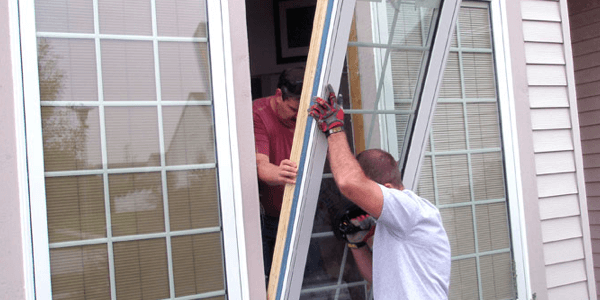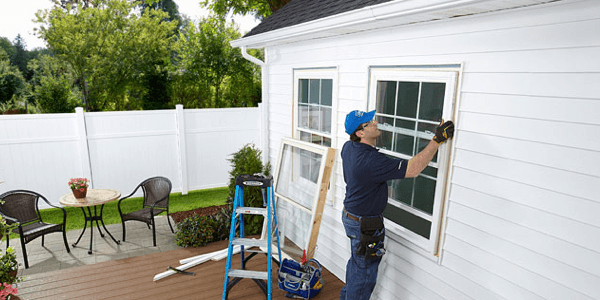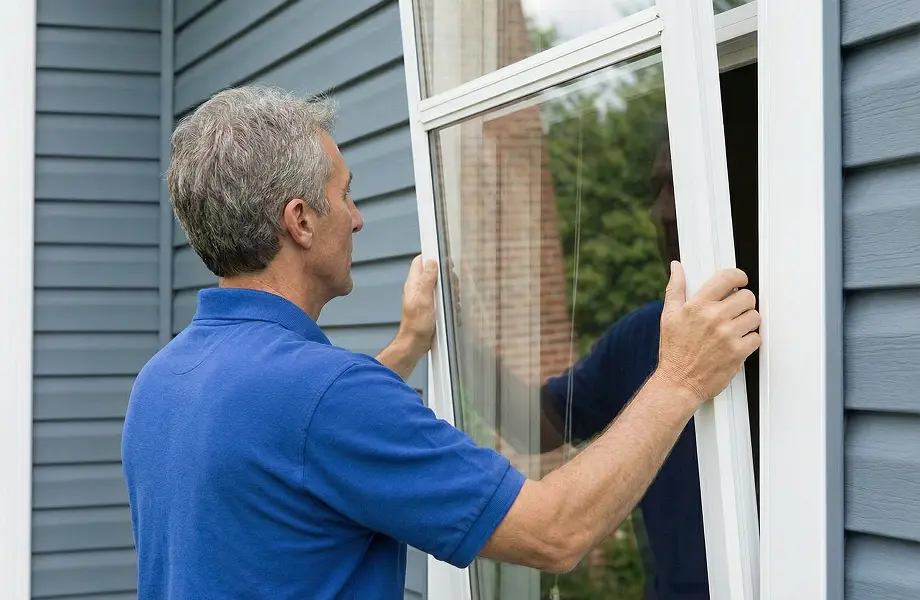


The cost to replace a window glass in 2026 depends on whether you need a single-pane, tempered safety glass, or a full sash replacement. The common range is from $214 up to $648, with a typical replacement landing near $381.
Let's break down what affects window glass replacement costs, including glass type, window size, labor and access, and whether the frame or just the glass needs work. This guide also compares budget and premium options and offers practical hiring tips to help you get the best value for your situation[1].
Key takeaways
Expect a wide cost range of window glass replacement from $214 to $648 depending on scope and materials.
The most common replacement projects tend to cluster around $381.
Tempered, low-E, or custom-sized glass will push costs toward the high end.
Labor, ease of access, and whether frames are damaged significantly affect final pricing.
Getting multiple detailed quotes and checking contractor warranties delivers better value.
5 Signs You Need Window Glass Replacement
While minor damage can sometimes be repaired, certain warning signs indicate that full glass replacement is the smarter long-term solution.
Below are the most common indicators that your window glass may need to be replaced rather than repaired.
1. Persistent Condensation Between Panes
If you see fog, moisture, or visible droplets trapped between double-pane units, the insulated seal has likely failed. Once the seal breaks, the insulating gas escapes and the window loses much of its energy efficiency. In most cases, the sealed glass unit must be replaced to restore performance.
2. Safety Code Compliance Issues
Older homes may have non-tempered glass in locations that now require safety glazing, such as near doors, bathrooms, or low-height installations. Upgrading to tempered or laminated glass may be necessary to meet current building standards. If you live in high-wind regions, consider evaluating hurricane shutters prices to improve safety compliance.
3. Cracks That Are Spreading
Small cracks can sometimes be stabilized, but cracks that lengthen over time indicate structural stress. Temperature fluctuations and pressure changes can cause the glass to weaken further, increasing the risk of sudden breakage.
4. Chips Near Edges or Corners
Damage at the edges of glass panes is more serious than surface chips in the center. Edge stress points are critical to structural integrity, and compromised edges often require full pane replacement for safety.
5. Noticeable Drafts or Rising Energy Bills
If rooms feel colder in winter or hotter in summer despite closed windows, your glazing may be underperforming. Failed seals, single-pane glass, or aging units can significantly increase heat transfer. Replacing inefficient glass with modern insulated or Low-E options can improve comfort and reduce HVAC strain.
How Much Does It Cost to Replace Window Glass by Type
This section breaks down average window service costs you will encounter and explains why pricing can vary widely based on scope, urgency, complexity, materials, and location.
| Type of Service | Cost | Features |
|---|---|---|
Glass Pane Replacement | $214 - $648 | Replacement of a single cracked or broken pane in an existing frame; often the fastest, lowest-cost fix when the frame is sound. |
Broken Glass Repair | $138 - $347 | On-site repair or temporary boarding for fractured glass; may include removal and safe disposal of shards. |
Cracked Glass Restoration | $124 - $318 | Techniques to stop crack spread or to fill surface cracks when full replacement is not necessary or practical. |
Tempered Glass Installation | $247 - $613 | Installing heat-treated safety glass for doors, baths, and low-mounted windows where code or safety is a concern. |
Double-Pane Replacement | $347 - $864 | Replacing a single-pane unit with an insulated double-pane unit or swapping out a failed sealed unit. |
Energy-Efficient Glazing Upgrade | $431 - $1,082 | Upgrading to Low-E coatings, argon fills, or other high-performance glazing to reduce heat transfer and improve comfort. |
Tempered Glass Costs
Tempered glass is heat-treated to increase strength and to break into small, blunt pieces, which makes it a common choice for safety applications and code-required locations.
Expect a price range of $247 to $613, with an average of $389.
Higher costs reflect custom sizes, thickness, or decorative treatments. Main cost drivers include required thickness, edge finishing, installation complexity, and whether the unit must be custom-tempered to order.
Double-Pane Glass Costs
Double-pane units consist of two glass panes separated by a spacer and sealed to create insulated glazing. They are selected to improve thermal performance and sound control.
Costs generally run from $347 to $864 and have an average price of $547.
Factors that increase price include sealed-unit size, spacer quality, gas fills, and whether an existing frame requires modification for a thicker unit.
Energy-Efficient Glass Costs
Energy-efficient glazing includes Low-E coatings, inert gas fills, and other technologies designed to reduce heat transfer and improve the window's R-value. Homeowners choose these options for lower energy bills and increased comfort.
Typical costs fall between $431 and $1,082, averaging about $693.
Price is influenced by the type of coating, number of panes, quality of seals, and local climate priorities, since glazing options and their performance characteristics vary by region[2].
If your existing units are outdated, compare insulated glazing upgrades with full window installation expenses for energy-efficient systems to evaluate total performance improvements.
Window Glass Replacement Cost Estimator per Hour
Hourly pricing for window glass replacement covers labor and basic tools, with materials sometimes billed separately.
When you pay by the hour, expect the technician to charge for travel, setup, and the time required to remove old glass, fit new glass, and perform finishing work. Hourly work is common for small jobs, emergency repairs, or when the exact scope is unclear.

Ask each contractor for a clear labor estimate and whether materials, disposal, or travel are billed separately so you can compare the true cost of window glass replacement. Check local rules before hiring. Certain states require written contracts and contractor registration, as in Massachusetts[3].
6 Factors That Affect the Cost of Replacing Window Glass
Multiple variables determine how much a window glass replacement will cost, and each one can change the final invoice significantly. This section highlights the primary factors homeowners should consider when comparing quotes and planning a project.
- Glass Type and Energy Efficiency: Different glass options such as low-emissivity coatings, tempered safety glass, and impact-resistant glass vary in price, and energy-efficient glazing typically costs more upfront while lowering long-term energy bills[4].
- Pane Count and Insulation: Single-pane glass is generally the least expensive to replace, while insulated double or triple-pane units require more material and labor, which affects both material cost and installation complexity.
- Window Size and Shape: Larger windows and nonstandard shapes like arches, circles, or custom geometric panes require custom-cut glass and more precise installation, which increases both material and labor costs.
- Frame Condition and Repair Needs: If the window frame is warped, rotted, or damaged, glazier work may need to include frame repair or partial replacement. Replacing glass alone is less costly than replacing glass and frames together.
- Labor, Accessibility, and Removal: Jobs that require work from heights, scaffolding, or special equipment take longer and carry higher labor rates. Safe removal and disposal of old glass also adds time and expense.
- Permits, Incentives, and Warranties: Local building codes or permit requirements can add fees and inspection costs. You may qualify for federal tax credits or state rebates for energy-efficient window replacements, which can help offset the out-of-pocket expense[5].
Go to the next section to see a breakdown that helps you understand #1 better.
Replacement Glass for Windows Prices by Material Type
Different glass types affect clarity, energy efficiency, safety, and long-term value, from stained glass fees to tempered safety charges. This section outlines common replacement glass options, what each one does, and why a particular choice may cost more or less depending on performance and installation complexity.
| Item | Cost | Description |
|---|---|---|
Single-Pane Glass | $142 - $347 | Basic, clear glass found in older windows. Homeowners choose it for simple repairs or when keeping historical appearance is the priority. |
Double-Pane Insulated Glass | $247 - $612 | Two panes separated by an air or gas-filled space for better insulation and lower energy bills. Common upgrade for comfort and efficiency. |
Tempered Safety Glass | $231 - $583 | Heat-treated to break into small, less dangerous pieces. Required in many bedroom, bathroom, and door applications for code compliance. |
Low-Emissivity (Low-E) Glass | $287 - $718 | Coated to reflect infrared energy and improve thermal performance. Useful for reducing energy costs and protecting interior finishes from UV. |
Laminated Glass | $327 - $843 | Two panes bonded with an interlayer to hold shards in place. Chosen for added security, sound reduction, and hurricane-prone areas. |
Thickness, coatings, and whether glass is factory-sealed all drive price differences, but installation complexity also matters. Labor rises for large, heavy, or unusually shaped panes and when frames need repair or reglazing. Local building codes, gas fills, and warranty levels further influence final cost and long-term savings.
Window Glass Replacement Cost By Size
Window glass replacement prices mainly depend on the dimensions and configuration of the glass panel. Larger or more complex units require more material and labor, impacting costs.
Factors like glass thickness, weight, custom cuts, and multi-pane designs also affect pricing. Additionally, accessibility, frame condition, and the need for special equipment or interior trim removal can influence final estimates.
Tiny Single-Pane or Small Fixed Panes
A single small fixed pane, such as a basement window or a narrow transom, is generally quick to replace and uses minimal material, making it one of the least expensive residential options. Typical use cases include single-pane transoms, small basement windows, and utility room openings.
Cost: $164 - $347
Average: $238
Labor for these units is often straightforward, but factors such as recessed frames, damaged sills, or the need to match obscure glass textures can raise time and material needs. Homeowners should confirm whether the installer will handle glazing compound cleanup and frame prep.
Small Double-Hung and Single-Hung Units
Many older homes feature small double-hung or single-hung windows where only one sash needs new glass. These replacements are common in bedrooms and bathrooms. Expect work that involves removing the sash, cutting or ordering a replacement lite, and reinstalling and rebalancing the sash.
Cost: $214 - $463
Average: $314
Costs increase if the sash is painted shut, if cord-and-weight systems must be serviced, or if the installer must match historic glass patterns. Weatherstripping and repainting around the sash are additional services that add to the total.
Medium Picture Windows and Casement Panes
Picture windows and medium-sized casement panels require larger glass pieces and sometimes special edge treatments or tempering for safety, which affects both material lead time and unit price. These are common in living rooms and dining areas where visibility and light are priorities.
Cost: $287 - $698
Average: $462
Installation complexity rises with size because handlers may need suction cups, and access may require removing blinds or window treatments. If the frame is bowed or the glass must be custom-cut to fit an irregular opening, you can expect higher labor charges.
Large Bay, Bow, or Oversized Fixed Panels
Bay and bow windows, along with large fixed glass panels, are larger systems that often involve multiple joined lites and framing alignment, making replacement more complex than a single-pane swap. These installations are common in family rooms and entryways where expansive views are desired.
Cost: $431 - $1,087
Average: $694
Factors that drive price upward include the need for custom sequencing to preserve structural alignment, heavier glass that requires multiple technicians, and any specialty coatings such as low-E. Crane or lift access for second-story bays will further increase labor and equipment costs.
For projecting systems such as a bay configuration, considering bay window upgrade prices is important, since glass work may affect alignment and support.
Extra-Large or Custom-Shaped Glass and Specialty Assemblies
Custom shapes, industrial storefronts, and very large tempered or laminated units fall into the largest size category because they frequently require shop fabrication, special handling, and precise on-site fitting. Typical cases include arched windows, corner units, and large patio sliding panel replacements.
Cost: $673 - $1,947
Average: $1,138
Lead times and costs reflect fabrication complexity, the need for engineered supports, and additional glazing seals or structural repairs. Permits or compliance with local building codes for laminated safety glass or impact-rated glazing may add to overall project time and expense.
How Much Does It Cost to Replace Window Glass Yourself or With a Pro
This section compares common window glass tasks to show typical DIY ranges versus professional service ranges, so you can decide which route fits your skills and budget.

DIY Challenges
Removing and cutting glass, matching glazing compounds, and sealing to prevent drafts require steady hands and the right tools. Hidden costs include replacement hardware, specialized sealants, disposal fees for broken glass, and the value of time spent. Safety risks are significant when handling large panes or working from ladders, and improper installation can lead to leaks or condensation later.
Professional Advantages
A trained installer brings calibrated tools, weatherproof sealing techniques, and experience with difficult frames and insulated units. Pros can ensure proper thermal performance and may offer warranties on workmanship and materials. Upgrading to energy-efficient glazing or adding costly storm windows often involves specific materials and installation methods that improve efficiency[6].
How to Decide
Choose DIY for small, straightforward jobs when you have basic glazing experience, the correct tools, and an assistant for safety.
Hire a professional for large panes, double-pane or insulated glass, tempered glass, or any work that affects a window frame or building envelope. Get multiple quotes, ask about warranties, and verify that the contractor is insured.
A contractor who specializes in window repair budgets can help you weigh short-term repair expenses against long-term replacement investment value.
Add-Ons for Window Glass Replacement
Add-ons are optional upgrades or extras you can add when replacing window glass, and they commonly increase the overall project cost while delivering extra functionality, convenience, or better performance.
The table below highlights typical add-ons and what they include to help you weigh tradeoffs before requesting estimates.
| Add-On | Cost | Details |
|---|---|---|
Tempered Safety Glass | $87 - $274 | Stronger glass that shatters into small, less dangerous pieces; often required for code in certain locations. |
Low-E Coating | $97 - $312 | Thin metallic coating that reduces heat transfer and can lower energy costs without changing visibility. |
Insulated (Double/Triple) Panes | $214 - $612 | Adds a sealed air or gas gap between panes for improved insulation and reduced condensation. |
Laminated Soundproofing | $174 - $538 | Multiple layers bonded together to reduce noise and add security against breakage. |
Decorative or Frosted Glass | $247 - $873 | Custom patterns or frosted finishes for privacy and aesthetic upgrade. |
Solar Control Window Film | $97 - $341 | Applied to glass or installed as a laminated layer to reduce glare and solar heat, and improve comfort[7]. |
Price differences come from material quality, manufacturer, and the complexity of installation, including whether frames or seals need modification.
Regional labor rates, lead times for custom glass, and the degree of customization you select also influence final quotes, so request itemized estimates to compare options and expected performance.
The Cost to Repair vs. Replace Glass in Windows
Repairs usually cost less up front and restore limited function, while replacements cost more but deliver longer service life and better energy performance. The table below summarizes the typical price bands and practical tradeoffs to help you decide.
| Option | Cost | Considerations |
|---|---|---|
Repair | $138 - $347 | Repairs address local damage or seal failure with lower immediate cost and faster turnaround, but they may not solve systemic issues and often have a shorter expected life. |
Replace | $214 - $648 | Full-unit replacement provides longer lifespan and improved energy performance, but has a higher upfront cost and greater installation time. |
When to Choose Replacement
Replacement makes the most sense when damage is extensive, the window is old, or you face repeated repairs that indicate underlying failure. If energy savings are a priority, new glass or full units can reduce heat loss and drafts[8].
When to Choose Repair
Repair is a practical choice for isolated cracks, broken panes, failed seals, or cosmetic damage on relatively new windows that still have useful life. It is often the best option when budget constraints require a lower initial outlay, when the original installation remains under warranty, or when a quick fix restores full function without addressing the entire unit.
5 Tips to Save on the Cost to Replace Window Glass
You can make window glass replacement more affordable by planning ahead and choosing the right scope of work. The steps below focus on reducing avoidable costs while keeping installations safe, durable, and energy efficient.
- Get a Detailed Assessment: Request a written inspection that distinguishes between cracked glass, seal failure, and frame damage so you do not pay for unnecessary replacement.
- Prioritize Repairs Over Full Replacement: When seals or single panes are the issue, reglazing or glass-only swaps can preserve existing frames and reduce labor.
- Bundle Work When Possible: Schedule multiple windows or related exterior tasks together to minimize contractor travel and coordination time.
- Choose Standard Sizes and Materials: Opt for common glass sizes and widely available glazing types to avoid special-order lead times and custom fabrication.
- Check Energy Incentives: Verify whether federal tax credits apply to energy-efficient window replacements[9].
Smart planning lowers project complexity and helps contractors deliver better value. If you want personalized options and vetted estimates, contact qualified local home improvers to compare approaches and guarantee the best results.
Frequently Asked Questions About Window Glass Replacement
References
[1]"Residential Building Enclosure", WBDG - Whole Building Design Guide, https://www.wbdg.org/resources/residential-building-enclosure.
[2]U.S. Department of Energy, "Window Types and Technologies", 2025, https://www.energy.gov/energysaver/window-types-and-technologies.
[3]Commonwealth of Massachusetts, "Massachusetts Law About Home Improvement", 2024, https://mass.gov/info-details/massachusetts-law-about-home-improvement.
[4]Frost K. et al, "Savings From Energy Efficient Windows Current and Future Savings From New Fenestration Technologies in the Residential Market", 1 Apr. 1993, 10.2172/6214476, https://doi.org/10.2172/6214476.
[5]Internal Revenue Service, "Energy Efficient Home Improvement Credit", https://irs.gov/credits-deductions/energy-efficient-home-improvement-credit.
[6]U.S. Department of Energy, "Do-It-Yourself Savings Project: Install Exterior Storm Windows With Low-E Coating", https://energy.gov/energysaver/do-it-yourself-savings-project-install-exterior-storm-windows-low-e-coating.
[7]International Window Film Association, "An Out of Sight Energy Saver - International Window Film Association", 22 Apr. 2024, http://iwfa.com/articles/an-out-of-sight-energy-saver.
[8]U.S. Department of Energy, "Repairing Windows & Doors: How-To's for the Handy Homeowner", 2010, http://www1.eere.energy.gov/buildings/publications/pdfs/corporate/windows%5Fdoors.pdf.
[9]U.S. Department of Energy, "Federal Tax Credits for Energy Efficiency", Energy Star, 2024, https://www.energystar.gov/about/federal-tax-credits.