

The range for storm window installation costs typically run from about $247 on the low end to $687 for premium or custom work in 2026. Many homeowners pay around $413 for a typical project that balances materials and labor.
These ranges assume professionally installed storm windows unless noted in the DIY sections. Below, you will find what drives those numbers, how storm windows compare with other window upgrades, and what to look for when hiring an installer so you can budget with fewer surprises[1].
Key takeaways
Basic, professionally installed units on simple openings may start around $247, and DIY can reduce labor costs.
Many projects come in near $413 for mid-range materials and standard sizing.
Premium materials, custom sizing, or difficult access can push pricing toward $687.
Higher-performance options can cost more up front, but may offer better comfort and efficiency over time.
If you are choosing between storms and full replacement windows, compare both scopes before you decide.
6 Factors That Affect the Average Price to Install Storm Windows
Contractors build storm-window quotes around a handful of practical details. Use the list below to understand what is moving the number in each bid.
- Size and Quantity: Bigger windows and more openings mean more materials, more handling, and more install time.
- Frame Material: Aluminum, vinyl, and wood are priced differently and wear differently over time. Wood often costs more and needs maintenance. Vinyl is usually budget-friendly and low-maintenance. Aluminum is common and durable, although it can conduct heat more.
- Glass and Glazing Options: Storm windows are commonly single-glazed, but thickness and coatings vary. Options like low‑E coatings can raise the up-front cost and may improve comfort and energy performance. Insulated double- or triple-pane assemblies with gas fills are typically associated with full replacement windows rather than standard storm panels[2].
- Installation Complexity: Upper-floor access, tight clearances, custom shapes, or the need to work around cladding and trim can add labor time and equipment.
- Climate and Performance Ratings: Higher-performance products, including those designed to meet specific ENERGY STAR criteria, may cost more due to upgraded seals, glazing, and construction details[3].
- Existing Window Condition and Repairs: If sills, trim, or the primary window area needs repair, your storm-window project can pick up additional carpentry or glass work. For a damaged pane, compare your options with the cost of window glass replacement.
Storm Window Installation Cost by Type
The price of storm window installation depends on the work involved, from quick sealing to full replacement. The biggest cost drivers are the number of openings, the condition of the existing window area, access (especially upper floors), and whether you need standard sizes or custom fabrication.
| Type of Service | Cost | Features |
|---|---|---|
Storm Window Installation | $247 - $687 | New exterior or interior storm units installed for better weather protection and insulation; custom sizing is common, and any special flashing or trim integration is often priced separately. |
Storm Window Replacement | $438 - $1,473 | Removal and replacement of existing storm units, often when frames or glass are beyond practical repair. |
Storm Window Repair | $123 - $487 | Fixes like broken panes, track issues, or hardware replacement to restore function without a full swap. |
Storm Window Sealing | $93 - $287 | Resealing around frames and glazing to reduce drafts and water intrusion is often a cost-effective way to extend service life. |
Storm Window Inspection | $71 - $208 | On-site assessment of frames, glazing, and seals to help determine whether repair or replacement makes more sense. |
Storm Window Cleaning | $63 - $193 | Cleaning glass and frames to restore visibility and make it easier to spot damage, wear, or failing seals. |
Storm Window Upgrade | $317 - $887 | Replacement with higher-performance units, such as low‑E glass and improved weatherstripping, to improve comfort and efficiency. |
Storm Window Installation Costs
Installation means fitting new storm windows to existing openings. For professional work, typical pricing falls between $247 and $687, with an average of $413.
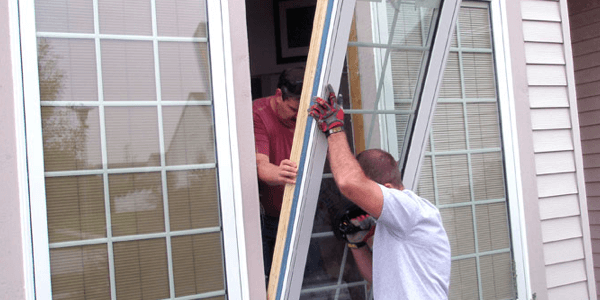
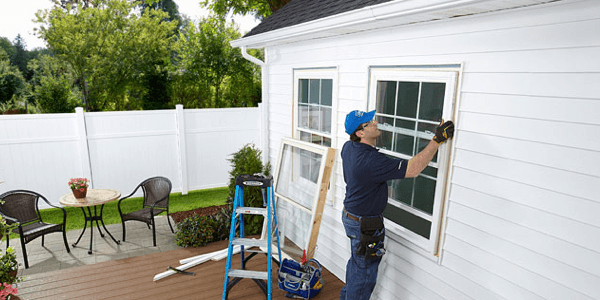
The final price mainly depends on sizing (standard vs. custom), frame material, jobsite access, and any trim or sealing details needed for a clean, weather-resistant fit. A basic installation often includes removing the existing window setting the new unit, fastening it in place, and sealing the perimeter.
If you are comparing storm windows to broader upgrades, it can help to review the overall window installation price so you are evaluating comparable scopes.
Storm Window Repair Costs
Repairs are a good fit when the frame is still in decent shape and the problem is limited, such as a broken pane, worn hardware, or a track that no longer slides correctly.
Expect repair pricing from $123 to $487, with an average of $267.
Small fixes, such as replacing latches, weatherstripping, or screens, are typically faster and cheaper than glass reglazing or frame rebuilding.
One wildcard is parts availability. For older storm windows, matching hardware may be discontinued, which can push a simple repair toward custom fabrication or a partial rebuild.
Storm Window Replacement Costs
Replacement usually makes sense when the unit has widespread damage, recurring failures, or performance issues that do not pencil out to repair.
Replacement projects commonly run from $438 to $1,473, averaging $817.
Costs rise with custom shapes, nonstandard glass, or if the opening needs attention before the new unit can be installed.
If there is rot or water damage, it is often tied to the primary window or surrounding framing rather than the storm window itself. Guidance on choosing between repair and replacement can help you prioritize work and budget more effectively[4].
Storm Window Upgrade Costs
An upgrade typically means replacing older storm units with new models that have better weatherstripping, tighter frames, and higher-performance glazing.
Upgrades generally fall between $317 and $887, with an average of $529.
Low‑E glass and other higher-performance options can increase costs, as can any needed trim adjustments or hardware changes. If energy performance is your main goal, you can compare the upgrade scope with typical window investments, especially if your primary windows are also near the end of their service life.
Storm Window Installation Estimate by Material
Material choice affects up-front price, durability, maintenance, and how well the window reduces drafts.
Many homeowners ask how much storm windows cost installed while weighing appearance against long-term performance, since frame type and glazing options shape both installation requirements and expected service life[5].
Performance also depends on fit and sealing, not just the frame itself. Pairing the right storm product with the right installation approach matters when you are trying to reduce air leakage and improve comfort[6].
| Item | Cost | Description |
|---|---|---|
Aluminum | $197 - $467 | Common for exterior storms. Slim profile and low maintenance, but can transfer more heat than better-insulated options. Some models include thermal breaks or upgraded weatherstripping. |
Vinyl | $185 - $431 | Typically cost-effective and low maintenance. Lower-quality vinyl may discolor or warp in very sunny or hot climates. |
Wood | $287 - $617 | Classic look that fits historic homes. Requires upkeep and may involve more custom carpentry, which can raise labor costs. |
Steel | $317 - $693 | Heavy-duty, niche option. Strong and durable, but may need protective coatings to prevent rust. |
Composite | $268 - $589 | Blended materials for stability and insulation. Often more specialized, with limited availability in some areas. |
Fiberglass | $297 - $647 | Stable across temperature swings and low upkeep. Often a specialty product and may be priced at a premium. |
Plastic | $129 - $318 | Budget-friendly and lightweight. Many low-cost options are temporary interior kits or panels intended for seasonal use rather than permanent framed units. |
Material pricing also shifts with window size, custom profiles, and glazing choices (such as thicker glass or low-emissivity coatings). On the labor side, upper-floor access and trim removal can move the total quickly.
To choose the best value, consider more than the initial quote. Maintenance needs, warranty coverage, and how well the material holds up in your climate can matter just as much over time.
Interior vs. Exterior Storm Windows
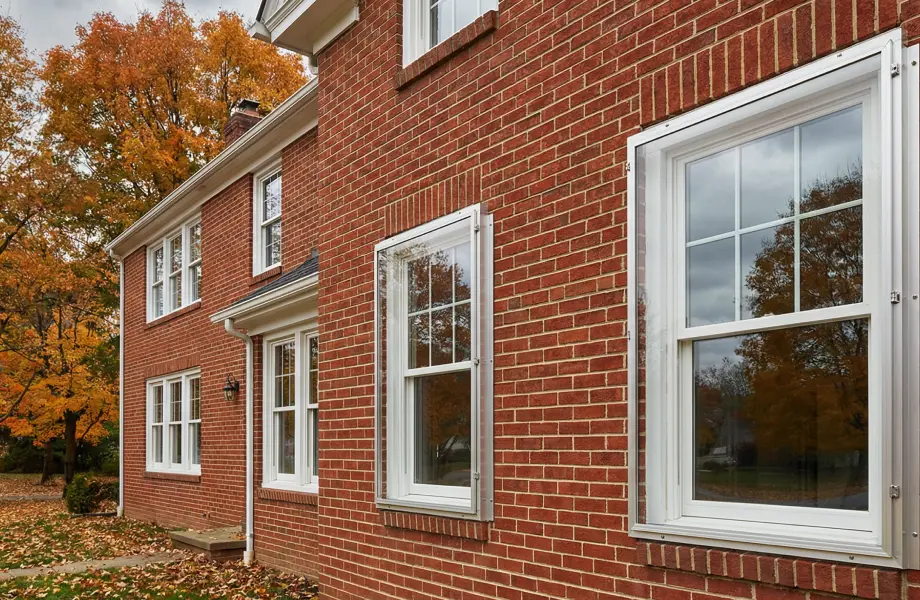
Storm windows can be installed on the exterior or as interior panels mounted inside the existing window frame. Exterior storms are more common and take the brunt of weather, but they often require ladder work and careful sealing so drainage and ventilation work as intended.
Interior storms are popular in condos, row houses, and historic buildings where exterior changes are limited. They can also be simpler to remove, especially for upper floors.
Interior storms are often single panels or track systems fitted inside the opening. Exterior storms, especially custom wood or aluminum, can carry higher labor costs due to access and weatherproofing details.
Maintenance differs, too. Interior storms avoid direct exposure, while exterior units need periodic cleaning and checks of caulking and weep holes.
Average Price to Install Storm Windows by Size
Similar to other renovation budget estimates, size and configuration affect storm window pricing because larger or more complex openings use more material and take longer to install.
Multi-panel assemblies and nonstandard shapes also tend to require more careful measuring and fastening. Properly fitted storm windows play a role in the home's enclosure performance, including how the overall assembly manages air and moisture.
That is why installers pay close attention to fit and sealing, especially on older openings that are not perfectly square.
Single-Window Installation
A single-window job usually covers one standard opening, such as a bedroom or living room window, often a single- or double-hung. Many are sized from common stock options, with basic removal of old clips or stops as needed.
Cost: $217 - $537, average $349.
Access and labor minimums can affect the total. For very small jobs, a contractor's minimum service charge can raise the per-window cost.
Multiple-Window Package
When you install several windows in one visit, contractors often quote a package, which may lower per-window labor costs compared with separate appointments. These projects might include two to four adjacent openings or a set of similarly sized windows on one level.
Cost: $493 - $1,678, average $917.
You can still see price differences if sizes vary, openings need repair, or any windows require custom fitting.
Entryway or Patio Door Storm Panels
Storm panels for doors cover larger openings and typically need sturdier frames, better weatherstripping, and more robust hardware due to frequent use and wind exposure.
Cost: $389 - $1,093, average $678.
The larger glass area and extra alignment work usually put these above standard window pricing.
Whole-Home Installation
Whole-home work installs storm windows on all eligible openings and is typically priced as one project. It may include first- and second-floor windows, plus attic or basement openings where applicable.
Cost: $2,467 - $7,891, average $4,378.
Per-window pricing can improve with volume, but the total reflects all materials, any lift or scaffold needs, and removal or disposal of old units. Ask for a schedule so you know how many days to plan for and what access the crew needs in each room.
Custom or Oversized Openings
Bays, arches, rounds, and many historic openings require custom fabrication and more detailed installation. These jobs often include on-site measuring and longer lead times.
Cost: $487 - $1,568, average $837.
Complex geometry, specialty glazing, and preservation requirements can increase both material and labor hours.
Storm Windows Installation Cost by Region
Regional storm window pricing reflects differences in labor markets, climate demands, and how easy it is to source materials and specialty products. Use the ranges below as a starting point, then rely on local quotes for a more exact picture.
| Region | Cost | Description |
|---|---|---|
Northeast | $213 - $557 | Older housing stock and colder winters can increase demand for efficient units and custom sizing. |
Midwest | $197 - $519 | Harsh winters can push higher performance specs for glass and framing. |
South | $179 - $469 | Energy-driven upgrades may be less common, while coastal areas may prioritize storm-resistance features. |
West | $203 - $549 | Labor costs, permitting, and varied climate zones can shift bids, especially in metro areas. |
Material lead times and seasonal demand can move quotes outside these ranges. Historic compliance, custom-fit work, and added resistance requirements can also increase estimates.
In areas prone to severe weather, storm windows can be part of a broader plan to reduce wind-driven rain and water intrusion risk.
Also, check local requirements, since some HOAs and historic commissions regulate exterior appearance and may require approvals before installation.
Storm Windows Repair vs. Replacement Costs
Repairs target specific problems like broken panes, loose hardware, or localized frame damage. Replacement removes the old unit and installs a new one.
The right choice depends on the storm window's overall condition, how often it has needed service, and what you want from the upgrade long-term.
| Option | Cost | Considerations |
|---|---|---|
Replace | $438 - $1,473 | Restores protection and can improve performance; higher upfront cost, but typically fewer near-term fixes and new warranties. |
Repair | $123 - $487 | Lower cost for isolated issues and can extend useful life, but may lead to repeat visits if the unit is near the end of its lifespan. |
When to Choose Replacement
Replacement is often the better call when units are old, have widespread damage, or repeatedly fail. New storm windows can improve insulation and reduce drafts, which may lower heating and cooling costs[7].
If the cost to repair a storm window is close to half the cost of a comparable new unit, replacement is often the better long-term value.
Also, step back and look at the primary window. If there is extensive rot, air leakage, or sash problems, you may be better off comparing costs for window replacement instead of investing heavily in storms alone.
When to Choose Repair
Repair makes sense when the problem is limited, such as one cracked pane, a seal issue on a single unit, or hardware that needs adjustment.
It can be especially practical for newer storm windows, or when you need a smaller spend right now.
Some small fixes may be DIY-friendly if you have the tools and patience. More involved work, like reglazing, rebuilding frame corners, or correcting warping, is usually better handled by a pro.
How Much Does It Cost to Install Storm Windows: DIY vs. Professional
DIY can cut labor costs, but results depend heavily on measurement, fit, and sealing. If you are asking the cost to install storm windows, compare your time and risk against professional workmanship and warranty coverage.
DIY installation can deliver energy benefits when it is done correctly[8].

Common DIY Risks and Limitations
DIY projects can save on labor, but mistakes tend to show up quickly, such as poor fit, uneven fastening, or sealing gaps that let air and water through.
Some repair steps require specialized techniques and can be difficult without experience, as described in homeowner-focused repair guidance[9].
Safety is also a major concern on upper floors. Handling glass panels on ladders or scaffolding is risky, and multi-story exterior work is often better left to trained crews with the right equipment.
Also review warranty terms before you start. Some manufacturers require professional installation or specific installation methods for full coverage.
Advantages of Hiring a Professional
A qualified installer brings consistent measurements, the right fasteners and sealants, and a process that is built around proper fit and drainage details. Professionals can also complete larger projects faster, and many provide labor warranties in addition to product warranties.
Reputable contractors typically carry licensing and insurance where required, which helps protect you if there is property damage or an on-site injury.
If your project includes issues beyond storm windows, reviewing window repair hourly charges while comparing bids can help you separate storm-window pricing from any additional repairs.
Decision Guidance: When to DIY and When to Hire
DIY is usually best for a small number of straightforward, ground-level windows when you can follow installation instructions carefully. Professional installation is a better fit for multi-story work, multiple windows, custom or historic openings, or any signs of rot or water damage.
Get at least two written estimates. Compare scope, materials, and warranty terms, then weigh that against your time and comfort level.
Return on Investment for Storm Windows
When you are weighing storm windows in 2026, focus on what you get for the spend: comfort, potential energy savings, and how long the upgrade lasts.
The cost of storm windows installed is one piece of the puzzle. Performance, appearance, and possible incentives can also affect the value you get back.
Key ROI drivers include:
- Material quality and durability: Better frames and hardware often hold up longer and may reduce the need for repeat repairs.
- Energy efficiency: Well-sealed storms can reduce heating and cooling demand, and modeling of residential facade retrofits shows energy-use reductions when enclosure improvements are made[10].
- Professional installation quality: Good fit and sealing help prevent air leakage and reduce the chance of water issues.
- Local buyer preferences: In regions with older homes or colder winters, storm windows may be seen as a practical upgrade.
- Maintenance requirements: Low-maintenance finishes can reduce ongoing upkeep costs.
- Appearance: A good match to your home's style can help the upgrade feel intentional rather than temporary.
| Service | Estimated ROI | Details |
|---|---|---|
Basic Repair | 30-40% | Small repairs extend service life and are low cost, but deliver modest resale impact. |
Standard Installation | 50-60% | New storm windows can improve comfort and energy use; actual ROI depends heavily on energy prices and home condition. |
Energy-Efficient Installation | around 70% | High-performance units may yield stronger savings and potential incentives under favorable conditions, but results vary by market. |
Premium Replacement | approximately 65% | Top-tier systems offer durability and curb appeal; higher cost narrows percent ROI and outcomes depend on local buyer preferences. |
These ROI figures are broad estimates, not guarantees. Your results will depend on utility rates, climate, the condition of your existing windows, and local housing-market expectations.
If you are also thinking about storm resilience upgrades, compare storm windows with impact windows investments to see which scope better fits your goals.
Incentives and Documentation
Some energy-efficient storm windows may qualify for tax credits or rebates, particularly when installed over older, single-pane primary windows.
Programs typically require specific performance documentation, such as manufacturer certification statements and dated receipts. Check the current requirements before you buy so you know which products qualify and what paperwork you will need to keep.
Permits, Inspections, and Older Homes
Some areas require permits, inspections, or design review for exterior storm windows, especially in historic districts and multi-unit buildings.
HOAs and local historic commissions may also regulate color, profiles, or whether exterior storms are allowed. Check requirements early so your project does not stall after ordering.
If your home was built before 1978, window-area paint may contain lead. Installation or removal that disturbs painted surfaces can trigger lead-safe work practices, which may add time and cost.
Labor Time and Moisture Considerations
A small project with 2-4 easy-to-access windows may be completed in half a day. Whole-home projects often take one to three days for a two-person crew, depending on the number of openings, story height, and whether any repairs are discovered once work begins.
Moisture management matters. Storm windows should be installed so any condensation between the storm and primary window can drain or vent appropriately, often through weep holes or intentional gaps.
Sealing the space completely without a drainage or ventilation plan can trap moisture against wood sashes and sills, which can lead to rot and paint failure over time. Ask your installer how they handle venting and drainage for your climate and window type.
How to Save on the Cost of Storm Windows Installed
You can reduce costs without cutting corners by tightening the scope, planning the timing, and comparing quotes carefully.
- Plan Seasonal Timing: Schedule work during milder months to reduce weather delays and make it easier to seal correctly. In cold climates, installing before peak winter can also help you feel the benefits sooner.
- Compare Written Estimates: Request a storm window installation estimate from multiple contractors. Ask each bid to list the number of openings, removal and disposal, sealant and weatherstripping details, any allowances for minor carpentry, and labor and product warranty terms.
- Choose Durable Materials: Spending a bit more on proven frames and hardware can reduce callbacks and repairs later.
- Bundle Related Work: If you already have trim or siding work planned, bundling can reduce repeat setup time and separate service fees.
- Explore Tax Incentives: Ask which energy-efficiency programs may apply and what documentation is required[11].
- Confirm Eligibility and Filing Steps: Verify credit rules and filing requirements using official guidance before you claim an incentive[12].
Planning ahead can reduce delays and help you keep the project scope clear. Professionals may also be familiar with documentation requirements for assistance programs[13].
If you want help comparing local options, trust window & home improvement pros for a qualified storm window installation or repair.
Frequently Asked Questions About Storm Windows
References
[1] U.S. Department of Energy, "Storm Windows", https://www.energy.gov/energysaver/storm-windows.
[2] "Selecting Windows for Energy Efficiency", https://doi.org/10.2172/291035.
[3] ENERGY STAR, "What Makes It ENERGY STAR?", https://energystar.gov/products/res\_windows\_doors\_skylights/key-product-criteria.
[4] Baker, P., "Measure Guideline Window Repair, Rehabilitation, and Replacement", https://doi.org/10.2172/1060622.
[5] U.S. Department of Energy, "Window Types and Technologies", https://www.energy.gov/energysaver/window-types-and-technologies.
[6] Miller, B., "Window Insulation: How to Sort Through the Options", https://doi.org/10.2172/5038165.
[7] U.S. Department of Energy, "Update or Replace Windows", Energy Saver, https://www.energy.gov/energysaver/update-or-replace-windows.
[8] U.S. Department of Energy, "Do-It-Yourself Savings Project: Install Exterior Storm Windows With Low-E Coating", https://energy.gov/energysaver/do-it-yourself-savings-project-install-exterior-storm-windows-low-e-coating.
[9] U.S. Department of Energy, "Repairing Windows & Doors: How-To's for the Handy Homeowner", http://www1.eere.energy.gov/buildings/publications/pdfs/corporate/windows%5Fdoors.pdf.
[10] Present, Elaina, et al, "Residential Facade Retrofits Modeling Results and Documentation", https://doi.org/10.2172/2290258.
[11] U.S. Department of Energy, "Federal Tax Credits for Energy Efficiency", Energy Star, https://www.energystar.gov/about/federal-tax-credits.
[12] Internal Revenue Service, "Energy Efficient Home Improvement Credit", https://irs.gov/credits-deductions/energy-efficient-home-improvement-credit.
[13] U.S. General Services Administration, "Home Repair and Energy Efficiency Assistance", USA gov, https://usa.gov/repairing-home.