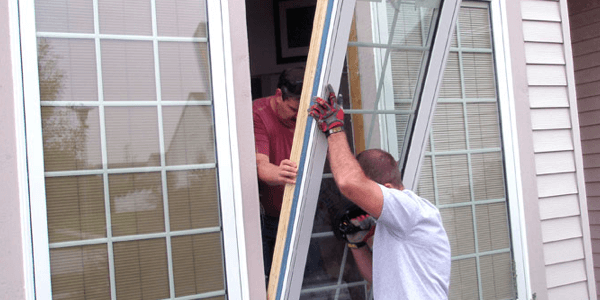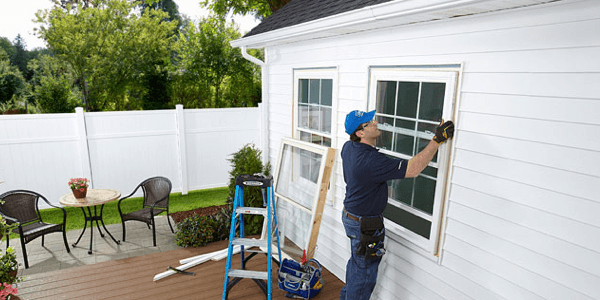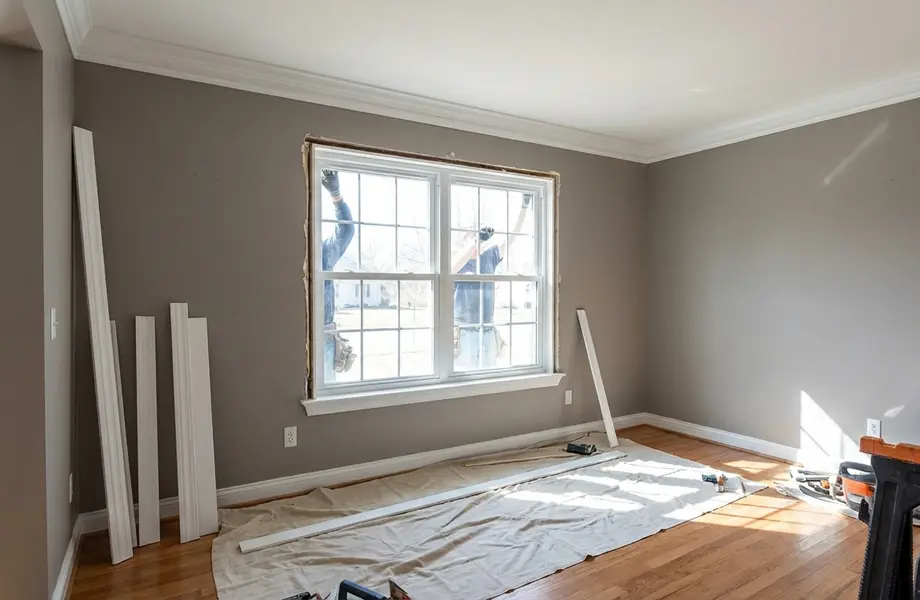


In 2026, the average cost of window installation is around $824, depending on window type, frame material, and energy-efficiency upgrades. Project prices typically span from $562 to $1,349 according to the complexity of the work.
This guide breaks down the key cost drivers, compares retrofit versus full-replacement options, explains how energy-efficient windows affect long-term savings[1], and gives practical hiring tips, what to ask, how to evaluate quotes, and warranty considerations.
Continue reading to learn how to choose the best option for your budget and needs.
Key takeaways
Most projects fall near , which makes it the best benchmark for budgeting.
Lower-cost installs can be around for basic window types and minimal labor.
High-end or specialty installations can approach because of premium materials and complex and time-consuming labor.
Energy-efficient upgrades may raise upfront cost but often improve comfort and reduce utility bills over time.
Always get multiple, itemized quotes and compare scope, materials, and warranties rather than choosing by price alone.
6 Key Factors That Affect Window Installation Cost
Several variables come into play when estimating how much new windows will cost, and each can change the final price by hundreds or thousands of dollars. Check the list below for the main cost drivers that you should consider before requesting quotes.
- Material and Glass Type: The frame material and glass selection are primary cost drivers. Upgrading to impact-resistant glass or reinforced frames can reduce repair costs after storms and improve a home's resilience to damage[2].
- Window Size and Configuration: Larger windows, picture units, or custom shapes require more materials and often specialist fabrication, which increases both product and labor charges.
- Installation Complexity: Accessibility, the need to remove and reinstall interior trim, structural modifications, or work on upper stories increases labor time and equipment needs. Projects requiring scaffolding or lifts will be more expensive than ground-level replacements.
- Quantity and Project Scope: Replacing several windows at once often reduces the per-window labor and disposal costs. Single-window jobs usually cost more per unit because setup and travel time are spread across fewer items.
- Labor Rates and Contractor Experience: Local market wages, installer certification, and company overhead affect quotes. Highly experienced installers may charge more but can reduce the risk of leaks or warranty claims.
- Permits, Building Codes, and Inspections: Some municipalities require permits or specific energy and egress standards for replacements and remodels, which can add permit fees and required upgrades to meet code[3].
When comparing window prices installed, confirm which items are included in each quote, such as removal and disposal, flashing and insulation, trim repairs, permit fees, and manufacturer or labor warranties, so you can compare offers on an apples-to-apples basis.
How Much Does It Cost to Install Windows by Complexity
Pricing differs greatly by scope, urgency, complexity, materials, and location of the work. Logically, simpler repairs will be cheaper than replacing windows on a second floor.
That's why knowing the range of costs for each and every job complexity is so important. Take a look on an breakdown below:
| Type of Service | Cost | Features |
|---|---|---|
Standard Window Installation | $566 - $1,342 | Installation for a typical single- or double-hung window, including basic flashing and sealing. |
Bay Window Installation | $1,837 - $4,862 | Larger, multi-panel projection window that often requires framing and additional support, making the installation cost of a bay window higher |
Replace Window Glass | $214 - $648 | Glass-only replacement for cracked or fogged panes; cost depends on glass type, size, and whether gas fills or low-E coatings are used. |
Remove Old Window | $181 - $468 | Labor to safely remove and dispose of existing windows, including minor demo and site cleanup; often paired with new-window installation. |
Repair Window Frame | $263 - $917 | Fixes for rotted, warped, or damaged frames and sills; repairs range from patchwork to partial frame replacement. |
Seal Window Caulking | $117 - $348 | Recaulking and sealing around the exterior and interior to stop drafts and water intrusion; a lower-cost option to improve performance. |
Vinyl Window Costs
Vinyl windows are fabricated from PVC-based materials and are chosen for affordability, low maintenance, and solid thermal performance in many climates.
Expect a typical vinyl window installation to fall between $497 and $1,038, with an average near $724.
Glass Replacement Costs
Glass replacement covers pane-only work and is chosen when frames remain sound, but the glazing has failed or needs upgrading.
Typical window glass replacement prices range from $214 to $648, with an average around $381.
Costs vary by glass thickness, specialty coatings (low-E), gas fills, custom sizes, and whether access or scene protection increases labor time.
Cost to Install Windows by Material Type
The average cost to install windows is directly related to the material used, as this choice can affect upfront price, long-term maintenance, energy performance, and curb appeal.
The cost to install vinyl windows is lower on average than that of metal windows, but their durability is also lower. Below, you can read about the most common material options and their benefits compared to each other.
| Item | Cost | Description |
|---|---|---|
Clad Wood | $1,187 - $2,546 | Wood interior with durable exterior cladding offers wood aesthetics with reduced exterior maintenance. |
Vinyl and PVC | $497 - $1,038 | Low maintenance and good thermal performance make it popular for budget-friendly replacements. |
Wood | $864 - $1,789 | Classic appearance and strong insulation require regular painting or staining to remain weatherproof. |
Fiberglass | $913 - $1,946 | Stable in extreme temperatures, durable with minimal warping, and often chosen for long service life. |
Aluminum | $682 - $1,478 | Slim frames for maximum glass area, lower insulating value unless thermally broken. |
Composite | $934 - $1,998 | Combines materials for improved strength and insulation, a middle ground between wood and vinyl. |
Steel | $1,186 - $2,873 | Extremely strong and secure for large openings, typically used in contemporary or industrial styles. |
Proper integration with a home's insulation strategy influences long-term energy savings, including recommended R-values for window assemblies and surrounding wall insulation[4].
When windows are replaced during siding or cladding projects, installers often coordinate flashing and continuous insulation details to avoid thermal bridging and moisture issues[5].
Attention to the full building enclosure and proper air and water control details is essential. A well-integrated window is as important as the material itself for durability and performance[6].
Window Installation Cost per Window Based on Size
Window size and configuration play a major role in what homeowners pay in 2026. Larger openings use more materials and take longer to install, and complex assemblies often require structural work or custom glazing.
Larger units increase both material and labor costs because they often require heavier frames, additional reinforcement, and more precise installation to meet energy and weatherproofing standards.
Access and location also influence price; second-story or hard-to-reach openings add time and may require lifts or scaffolding. Energy-efficient glazing and custom profiles further raise upfront costs while reducing operating expenses over time[7].
Tiny Basement or Attic Vent Windows
Basement and attic vents are generally compact openings used for light and ventilation, often about 12 by 18 inches up to 18 by 24 inches.
Cost: $314 - $762 (average: $486)
These small units usually require minimal framing work and are quick to install. Expect most of the cost to come from the unit itself and from ensuring a proper seal against moisture. If the opening needs resizing or the surrounding masonry requires repair, labor time and material costs will rise.
Small Standard Double-Hung or Slider Windows
Typical bedroom or bathroom windows measure roughly 24 by 36 inches to 28 by 54 inches and fit into standard framed openings.
Cost: $517 - $1,138 (average: $734)
Installation of these common sizes is straightforward for most crews, which helps keep labor hours and charges moderate. Costs increase if interior trim must be replaced, if the window unit has upgraded hardware or low-E coatings, or if the wall requires insulation or flashing updates during the swap.
Medium Casement or Awning Units, or Small Picture Windows
Living room and kitchen windows that provide more light or ventilation often fall into this group, with dimensions like 36 by 48 inches up to 48 by 60 inches.
Cost: $684 - $1,497 (average: $942)
These installations can require careful alignment for operable sashes and may involve heavier frames and more substantial glazing. Wind-loading, sash weight, and the need for flashing or sill replacement contribute to longer install times. If the unit combines operable sections with fixed panes, expect additional labor for custom fitting.
Large Picture Windows or Multi-Unit Combinations
Large single-pane picture windows and combinations such as a trio of units or a 60- to 72-inch wide assembly are common in living areas and entryways.
Cost: $913 - $2,048 (average: $1,296)
Big openings often need reinforcement in the header and careful structural inspection. Handling and setting larger glass requires more crew members and sometimes specialized equipment, which raises labor costs. Exterior finish work and interior casing can also add to the total.
Extra-Large Custom or Specialty Openings
Wall-to-wall glazing, large bay or bow windows, oversized units used for views or sunrooms, and custom-shaped windows average prices represent the highest complexity. Typical sizes vary widely and may exceed standard 6-foot widths or include multiple operable sections.
Cost: $1,746 - $4,682 (average: $2,897)
Custom installations often require engineered support, on-site modifications, and precise weatherproofing to meet code and performance expectations.
Window Installation Prices by Region
Window installation costs can also vary significantly by location because labor rates, material availability, and local building rules differ across the country. Check the ranges for each region in the following table.
| Region | Cost | Description |
|---|---|---|
Northeast | $687 - $1,417 | Older housing and higher labor costs often increase prices, especially in dense urban markets. |
Midwest | $542 - $1,189 | Lower labor rates in many areas are offset by broader rural service territories that can raise travel costs. |
South | $563 - $1,217 | Warm climate and hurricane-prone zones affect product selection and may require stronger impact-rated windows. |
West | $698 - $1,486 | High material demand, seismic considerations, and strict local codes can push costs higher. |
Local permitting, inspection timelines, and code requirements can add both time and expense to a project, particularly in states with rigorous permitting processes such as Oregon[8].
When you request quotes, ask contractors about lead times, freight or logistics charges for glass and frames, and whether their price includes permit filing and final inspection. These practical details often explain differences between estimates that otherwise look similar on paper.
Window Installation Repair vs. Replacement Costs
Replacing a window means removing the existing unit and installing a new one, while repairing a window addresses specific faults such as broken seals, cracked glass, or failed hardware.
Each option carries distinct cost ranges, trade-offs in longevity and energy performance, and different timelines for disruption, so homeowners should weigh short-term savings against long-term value.
Homeowners asking how much does it cost to install a window will find that repair tends to be cheaper up front, while replacement can deliver greater efficiency and durability.
| Option | Cost | Considerations |
|---|---|---|
Replace | $571 - $1,356 | Full replacement restores performance and delivers longer service life, improved energy efficiency, and new warranties, but it has a higher upfront cost and may require trim or siding work. |
Repair | $138 - $512 | Repair addresses localized problems at a lower cost and with less disruption, but it may only be a short-term fix and could lead to repeated expenses if the frame or glass is deteriorating. |
When to Choose Replacement
Replacement makes the most sense when windows are old, frames are rotted or warped, multiple components are failing, or you plan to improve energy efficiency and curb appeal.
Frequent repairs, visible structural damage, or the desire for new warranties and long-term performance justify the higher initial investment, and in some cases, professional guidance recommends full replacement to meet rehabilitation standards[9].
When to Choose Repair
Repair is practical for isolated issues such as a cracked pane, failed lock, fogged double glazing, or damaged weatherstripping, especially when the unit is relatively new or still under warranty.
Choose to pay for a window repair when the frame and overall condition are sound, the problem is limited in scope, and you prefer a lower immediate cost with a quick turnaround.
DIY vs. Professional: Pros and Cons
If you are a regular DIYer, you must know that doing the work yourself and hiring a pro greatly affect your budget, schedule, and the final result. Let's see what typical homeowner tasks are, compare the DIY and professional ranges, and weigh time, skill, and risk when estimating the cost to install a window.

DIY Perspective
Many homeowners save on labor by tackling tasks like glass replacement or caulking, but should expect hidden costs such as specialty tools, disposal fees, and extra materials if measurements or cuts are off.
Time investment can be significant, and mistakes can lead to drafts or water damage, raising long-term costs. Simple energy upgrades and investing in storm-window installation can yield measurable efficiency benefits when done correctly[10].
Professional Perspective
Hiring a licensed installer typically reduces risk of leaks, ensures proper flashing and insulation, and may include a workmanship warranty. Pros handle structural details and navigate permit requirements and local code enforcement, which can avoid fines or rework[11].
Professionals bring calibrated tools and experience that shorten project time and protect surrounding finishes.
Choose DIY for small, low-risk tasks if you have basic carpentry skills, proper tools, and time for careful work. Hire a professional for costly full window replacements, unusual openings, historic frames, or any project that may require permits or structural changes.
When in doubt, request a pro inspection to estimate labor and identify hidden problems before committing.
Add-Ons for Window Installation
Add-ons are optional features or services offered with window installation that go beyond the basic unit and fit. They increase the overall project cost but can add functionality, improved performance, or a more finished appearance.
Take a look below at the most common add-ons you may see when getting windows replaced or installed, with brief notes to help you decide which options match your needs.
| Add-On | Cost | Details |
|---|---|---|
Screens and Petscreen | $137 - $417 | Removable or fixed screens, including pet-resistant mesh for homes with animals. |
Low-E or Coated Glass Upgrade | $201 - $612 | Improves energy performance and reduces UV transmission, often recommended for sun-facing rooms. |
Triple-Pane or Laminated Glass | $417 - $1,186 | Adds sound reduction and better insulation for colder climates or noisy neighborhoods. |
Interior or Exterior Trim Upgrade | $231 - $829 | Wood or composite trim for a polished look, includes painting or staining as requested. |
Integrated Blinds or Shades | $418 - $1,189 | Blinds sealed between panes for low maintenance and added privacy. |
Security Hardware and Sensors | $162 - $579 | Reinforced locks, sensors, or smart-home integration for enhanced safety. |
Some energy-related upgrades may reduce your net cost through federal tax credits when eligibility requirements are met[12]. Additional incentives or guidance for energy efficiency are available from national energy programs and can influence which upgrades deliver the best long-term value[13].
The ROI of Installing New Windows
Return on investment for window installation in 2026 can range between 30%-85% and depends on more than the upfront cost.
Weigh resale value, long-term energy savings, and increased home equity play a large role in ROI and need to be considered if you are planning on repairing, replacing, or upgrading windows.
Energy-efficient choices can also improve ROI through lower utility bills and potential federal tax incentives that reduce the net project cost[14].
Key ROI Drivers
- Material Quality and Durability: Higher-quality frames and glass last longer, resist wear, and maintain curb appeal, which supports better long-term value.
- Energy Efficiency: Upgraded glazing, low-emissivity coatings, and insulated frames lower heating and cooling costs and may qualify for incentives, improving payback.
- Professional Installation: Proper installation prevents air leaks and premature failure, so skilled labor protects the investment and resale value.
- Market Demand: Local buyer preferences and regional climate influence which window features deliver the strongest returns.
- Maintenance Requirements: Low-maintenance materials reduce ongoing costs and preserve appearance, which helps ROI over time.
- Curb Appeal and Aesthetics: Visible improvements to appearance can increase perceived home value and attract more buyers.
| Service | Estimated ROI | Details |
|---|---|---|
Basic Repair | Around 30-45% | Lower cost but limited resale impact; useful to delay replacement while fixing functionality. |
Full Replacement (Standard Vinyl) | Around 70-80% | Strong balance of durability, energy savings, and resale appeal for typical homes. |
Energy-Efficient Installation | Around 75-85% | Higher upfront cost but greater utility savings and buyer interest, especially in colder or hotter climates. |
Premium Upgrade (Custom Frames, High-End Glass) | Around 60-75% | Adds luxury appeal and performance, but the recoup rate can be lower because of niche buyer preferences. |
Personal comfort, noise reduction, and aesthetic enjoyment also count as meaningful benefits, so weigh financial return alongside daily value.
How to Save on Window Installation
After reviewing cost factors earlier, you can take proactive steps to make a window project more affordable without compromising quality. These practical planning and behavioral strategies reduce surprises, shorten timelines, and help you hire confidently. Check out some tips:
- Bundle Replacements: Combining multiple window installations in the same visit reduces repeated mobilization and often shortens the overall timeline.
- Choose Standard Sizes: Selecting off-the-shelf window dimensions avoids delays from custom fabrication and simplifies installation logistics.
- Prepare the Site: Clearing furniture, trimming landscaping, and creating safe access points help crews work faster and prevent unexpected labor.
- Get Multiple Written Bids: Comparing detailed proposals clarifies scope, materials, and warranty differences so you can select the best value.
- Verify Credentials and Warranty: Hiring licensed installers and confirming warranty coverage prevents costly rework and protects long-term performance.
Smart planning reduces project expense while preserving quality, and professional help guarantees reliable results. Connect with qualified local contractors through homeyou to get tailored estimates and verified pros for your project.
Frequently Asked Questions About Window Installation
References
[1]"Residential Windows, Doors, and Skylights", ENERGY STAR, https://energystar.gov/products/res%5Fwindows%5Fdoors%5Fskylights.
[2]FORTIFIED - A Program of IBHS, "Build Resilience to Your Budget - FORTIFIED - a Program of IBHS", 11 Feb. 2025, https://fortifiedhome.org/article/build-resilience-to-your-budget.
[3]ICC, "Introduction to Building Codes", 21 Nov. 2023, https://iccsafe.org/products-and-services/i-codes/code-development/cs/introduction-to-building-codes.
[4]ENERGY STAR, "Recommended Home Insulation R-Values", https://energystar.gov/saveathome/seal%5Finsulate/identify-problems-you-want-fix/diy-checks-inspections/insulation-r-values.
[5]"Re-siding Ext Insulation", PNNL, https://pnnl.gov/projects/re-siding-ext-insulation.
[6]"Residential Building Enclosure", WBDG - Whole Building Design Guide, https://wbdg.org/resources/residential-building-enclosure.
[7]McCall, James D., et al, "Cost Modelling for Energy Efficient Window Replacements", 11 Apr. 2019, 10.2172/1507690, https://doi.org/10.2172/1507690.
[8]Oregon Building Codes Division, "Oregon Permits", State of Oregon, https://oregon.gov/bcd/lbdd/pages/oregon-permits.aspx.
[9]Baker, P., "Measure Guideline Window Repair, Rehabilitation, and Replacement", 1 Dec. 2012, 10.2172/1060622, https://doi.org/10.2172/1060622.
[10]U.S. Department of Energy, "Do-It-Yourself Savings Project: Install Exterior Storm Windows With Low-E Coating", https://energy.gov/energysaver/do-it-yourself-savings-project-install-exterior-storm-windows-low-e-coating.
[11]Goodfriend, Anne, "When Does a Repair Need a Permit", Home Repair Resource Center, http://hrrc-ch.org/?p=3795.
[12]Internal Revenue Service, "Energy Efficient Home Improvement Credit", https://irs.gov/credits-deductions/energy-efficient-home-improvement-credit.
[13]U.S. Department of Energy, "Federal Tax Credits for Energy Efficiency", Energy Star, 2024, https://www.energystar.gov/about/federal-tax-credits.
[14]U.S. Department of Energy, "Update or Replace Windows", Energy Saver, 2025, https://www.energy.gov/energysaver/update-or-replace-windows.