
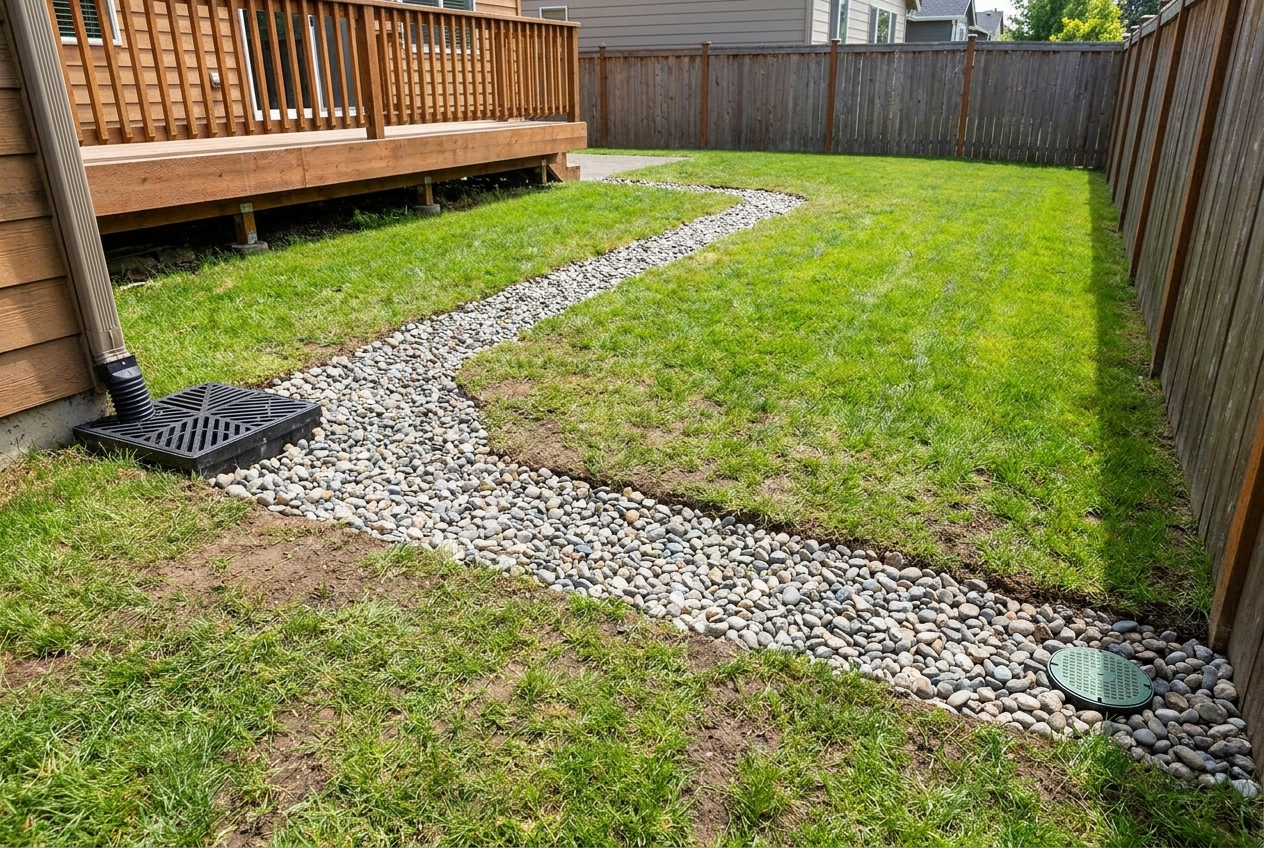


In 2026, the French drain cost typically ranges from $2,684 to $6,728, with many projects averaging about $4,386 for common yard sizes and soil conditions.
This guide breaks down what drives price, including materials, trench depth, yard size, and labor. You will also see how DIY compares with hiring a pro, plus practical tips to help you avoid expensive rework. In drainage work, contractors often use "French drain" to describe a gravel-filled trench with perforated pipe that moves subsurface water; for context, this guide also includes pricing for related surface and channel drains[1].
Key takeaways
Typical low-end installs start near $2,684 and fit small, straightforward yards.
Many homeowners pay around $4,386 for standard installations that balance cost and durability.
Complex sites or premium solutions can reach $6,728 due to added excavation and materials.
Comparing multiple quotes and verifying experience often leads to better value.
DIY can lower labor costs, but mistakes in grading or drainage layout can create bigger expenses later.
Emergency French Drains Costs
When heavy rain or a sudden backup saturates a basement, you may need fast-response French drain installation or repair to slow active seepage and protect finished space. Emergency work typically runs $1,386 to $8,428, with same-day and after-hours repairs often priced above standard rates. Emergency work typically costs more because crews may work overtime, mobilize pumps or dewatering gear, and source materials quickly. Standing water can also contribute to mold growth, so quick action is often a health and cost concern[2].

Emergency calls may start with temporary measures, such as high-capacity pumping, dewatering, or protective coverings, before permanent work begins. Those stopgap steps add labor and equipment charges.
Basement or interior emergencies may also involve electrical work for sump pumps, cleanup, and, in some areas, permits or inspections. That can push the total beyond the drain line itself.
If repeated backups are part of the problem, you may also see higher clogged drain repair costs when crews must clear blockages before excavation. When you call, ask about response time, dewatering plans, and whether emergency fees apply.
French Drain Installation Cost by Type
French drain pricing changes based on the kind of system being installed, where it goes, and how hard it is to access the work area. Use this section to match the service type to your basement French drain cost problem, whether it is a wet basement, yard pooling, or foundation seepage.
| Type of Service | Cost | Features |
|---|---|---|
Exterior Installation | $2,486 - $6,588 | Trench dug outside the foundation with gravel and typically perforated pipe to divert subsurface and some surface water away from the home. Useful for yard drainage and perimeter protection, and reflects a typical exterior french drain cost. |
Interior Installation | $4,386 - $10,386 | Installed along the inside footing under a basement slab or along a perimeter wall to capture water before it reaches finished spaces. Usually tied to a sump pump that discharges to an approved location. |
Backyard Installation | $2,684 - $6,728 | A surface-to-subsurface system with a perforated pipe in gravel that manages runoff and low spots in lawns, gardens, or near retaining walls. May connect to a dry well or storm line, similar in scope to backyard french drain cost estimates. |
Repair Work | $486 - $2,268 | Fixes include pipe replacement, clearing collapsed sections, or repairing connections to outlets and sump pumps. Costs depend on location and damage extent. |
Replace System | $3,884 - $9,486 | Full removal and replacement of an existing drain, often needed when older systems fail or after structural repairs. Replacement can uncover additional issues. |
Remove Old Drain | $1,128 - $3,146 | Removal includes excavation and hauling of old pipe and gravel. Homeowners sometimes choose removal when regrading or replacing landscaping. |
Inspection & Cleaning | $188 - $582 | Visual inspections, camera checks, and flushing or jetting to remove sediment and roots. Regular checks extend system life and prevent backups. |
Exterior Installation Costs
Exterior installs are commonly used when water collects near the foundation or travels across the yard in a way that regrading alone cannot solve. Costs generally run $2,486 - $6,588, with an average of $4,186.
Price tends to climb with longer trenches, harder soils, deeper digs, and the need to restore landscaping or hardscapes afterward. If the work disrupts beds, turf, or hardscape edges, it can overlap with other landscaping projects. In some areas, rules about where drains can discharge, plus permitting requirements, can add design and administrative time.
Interior Installation Costs
Interior drains are a common choice when water reaches finished basement areas, or when exterior access is limited. Typical pricing is $4,386 - $10,386, averaging $6,984.
Costs increase with concrete cutting and replacement, sump pump upgrades, and difficult access. Proper installation details also support long-term durability[3]. Plan for noisy saw cutting, dust control, and disruption in finished spaces. Local code often controls where a sump can discharge, and may restrict discharge into sanitary sewers or onto walkways.
Replace French Drain Costs
Replacing a failing system usually includes excavation, new pipe and aggregate, and often regrading or a new discharge route. Replacement costs are $3,884 - $9,486, with an average of $6,286.
Costs rise with longer systems, permit requirements, and the need to connect to a municipal line. Some properties also need a dedicated discharge solution, such as a cost of dry well installation.
French Drains Cost by Material
Material choices affect how a French drain performs, how long it lasts, and how much maintenance it needs. When you compare options, weigh upfront cost against practical performance factors like flow capacity, clog resistance, and how well the material fits your yard conditions.
Materials can also change the trench design and install time, which influences the total project price. Here is how common options compare.
| Item | Cost | Description |
|---|---|---|
Perforated Pipe | $864 - $1,886 | Standard pipe with slots or holes to let water in. Often used in residential French drains for balanced flow and durability. Low profile and easy to connect with other drain components. |
PVC Pipe | $1,024 - $2,242 | Rigid plastic pipe that resists corrosion and holds shape under load. French drains typically use perforated PVC for the drain run, with solid PVC reserved for outlet lines where you do not want water entering. |
ABS Pipe | $978 - $2,148 | Rigid thermoplastic similar to PVC with strong impact resistance. Chosen for durability in colder climates and where heavier surface loads occur. |
Flexible Pipe | $824 - $1,864 | Corrugated and bendable for curved runs and tight spaces. Commonly installed perforated to collect water, but ridges may trap sediment more easily than smooth rigid options. |
Gravel Drain | $724 - $1,784 | Washed stone used to surround perforated pipe and improve permeability. Gravel supports filtration and distributes flow; costs reflect the volume of stone needed around the pipe. |
Clay Pipe | $1,186 - $2,664 | Traditional, heavy pipe mainly found in older systems or historic restorations. It is more brittle and root-prone than modern plastic, so most new residential French drains use PVC or similar plastics instead. |
Geotextile Fabric | $786 - $2,448 | Permeable fabric that prevents soil intrusion into gravel and pipe. Adds upfront cost but reduces maintenance and extends system life. |
Material pricing varies with pipe diameter, wall thickness, and whether runs use perforated or solid pipe. Trench depth, soil type, and how close you are working to foundations or utilities can also increase labor and equipment needs.
For long-term performance, good filtration and durable piping matter. Using fabric and adequate gravel around perforated pipe helps reduce clogging and ongoing maintenance, and aligns with sustainable landscape construction principles[4].
French Drain Cost Per Foot by Size
Project size and layout drive most cost differences for French drains. Longer runs, added tie-ins, and complicated routing raise the amount of pipe, gravel, and labor required. Interior systems also add demolition and sump-related work.
Sizing affects excavation depth, drainage capacity, and the work plan a contractor proposes. Site plans or design tools can help clarify measurements and material needs, which can make bids easier to compare[5]. Small projects may finish in a day, while larger systems often require staged work and additional crew time.
Small Yard or Garden Trench
Short runs that redirect standing water from beds, low spots, or a small lawn area usually use a single trench with perforated pipe and a nearby outlet or dry well. These projects rarely require heavy machinery.
- Cost Range: $1,826 - $4,486
- Average Cost: $2,984
Labor time, trench length, and landscape restoration tend to be the biggest pricing factors. Soil type and access can also change how quickly the trench can be excavated.
Perimeter Around a House
Perimeter drains collect groundwater along a foundation to help reduce moisture pressure near the structure. Typical scope includes trenching along foundation walls, tying into a discharge point, and restoring grade and plantings.
- Cost Range: $5,286 - $12,468
- Average Cost: $8,284
Costs rise with deep foundation conditions, tight clearances near footings, and difficult soils. Waterproofing tie-ins and permit requirements can also add to the total.
Basement Interior Perimeter System
Interior drains run along the inside edge of a basement slab to intercept water and route it to a sump pump. Installation usually includes cutting concrete, installing drain components, and patching the slab.
- Cost Range: $4,862 - $10,984
- Average Cost: $7,348
Demolition and concrete work often drive the price. Additional costs may include sump pump capacity upgrades, backup power, and surface finishing after the drain is installed.
Driveway or Curbside Trench
Along driveways, drainage solutions often use surface channel or trench drains with grates set in concrete or asphalt, connected to underground piping. These are different from a classic gravel-and-perforated-pipe French drain, but homeowners frequently compare them when dealing with pooling near pavement.
- Cost Range: $2,214 - $5,486
- Average Cost: $3,628
Traffic load requirements, grated inlets, and pavement cutting and repair can raise the price. Slope and outlet placement are key to preventing future clogging or erosion.
Multi-Area or Whole-Property System
Whole-yard systems may connect gutters, low spots, driveways, and foundation drainage into one coordinated layout. These projects involve longer runs, more junctions, and sometimes larger pipe or retention features.
- Cost Range: $6,128 - $14,284
- Average Cost: $9,426
Planning time and labor often increase with complexity. Multiple discharge points, permits, and coordination with other landscape elements can all affect the final price.
6 Factors That Affect the Average French Drain Cost
Contractors price a French drain based on site conditions and the scope of work, not just the length of pipe. Use the factors below to understand what may push your estimate higher or keep it closer to a basic install.
- Length and Layout: Total trench length, the number of tie-ins, and the route across your property drive material and labor needs. Longer runs generally mean more pipe, gravel, and excavation time, which raises the French drain installation cost.
- Soil Type and Permeability: Sandy soil is usually easier to dig and drains better than clay. Rocky or compacted soil increases equipment time and disposal needs. In heavy clay or flat yards, performance may depend on having a workable outlet elevation or adding a sump pump, which can increase design and installation costs. If the job needs slope stabilization or sediment control, it may overlap with the cost of erosion control.
- Yard Access and Landscaping: Tight side yards, fencing, mature lawns, patios, and underground utilities can increase labor and restoration time. Rebuilding planting beds or regrading after trenching can also add scope.
- Nearby Trees and Roots: Large roots can slow trenching and may require careful root work or route changes, which can raise labor time[6]. In some cases, contractors may recommend methods to reduce the chance of tree damage.
- Local Permits and Codes: Some areas require permits, inspections, or specific outlet setbacks from property lines. Utility locating and permit requirements can add both direct fees and scheduling time.
- Purpose and Extras: Chronic pooling may call for catch basins, sump connections, fabric filters, or added gravel. Standing water can also contribute to mosquito breeding and other pest concerns, which may affect design and maintenance planning[7].
For other project categories and related topics, visit the home cost guides page.
French Drain Repair vs. Replacement Costs
Repair and replacement solve different problems, and they are priced differently. Replacement removes the existing system and installs new piping, gravel, and fabric. Repairs focus on specific failures, like clogs, collapsed sections, or damaged outlets.
| Option | Cost | Considerations |
|---|---|---|
Replace | $3,884 - $9,486 | Full-system replacement restores performance and extends service life, but has higher upfront cost; best for widespread damage or very old systems. |
Repair | $486 - $2,268 | Targeted repairs cost less up front and can fix isolated issues quickly, but may offer shorter remaining lifespan and repeat work. |
When to Choose Replacement
Replacement may make sense when the drain is older, has multiple failing sections, or repairs keep recurring. It is also worth considering if the system no longer fits current site needs, or if you are already planning major excavation work.
Some homeowners use a rough rule that replacement becomes more attractive when repair estimates approach half or more of replacement cost, but treat that as a starting point rather than a strict cutoff. Consider system age, access, landscaping impacts, and contractor findings[8].
When to Choose Repair
Repair is often a good fit for localized issues, such as a single blockage, a short collapsed run, or a damaged connection, especially when the rest of the system is relatively new. It can also be the practical choice when budget limits make full replacement unrealistic in the short term.
ROI of French Drains
Return on investment for French drains in 2026 depends on what the work prevents and what it improves. For many homeowners, the payoff comes from reducing moisture issues, avoiding repairs, and making the yard or basement more usable. Drainage work typically does not qualify for federal tax credits, although separate energy-related improvements may.
Key ROI Drivers
- Material quality and durability: Better pipe, gravel, and fabric can reduce maintenance and replacement costs.
- Professional installation: Correct slope, outlet placement, and testing can reduce failures and rework.
- Market demand: In wetter regions, buyers may value reliable drainage more.
- Maintenance requirements: Systems that are easier to inspect and less prone to clogging can cost less to own.
- Curb appeal and aesthetics: Preventing erosion and protecting landscaping can influence buyer preferences and home prices[9].
| Service | Estimated ROI | Details |
|---|---|---|
Basic Repair and Clearing | around 40% | Short-term fix that restores function but may not change long-term buyer perceptions. |
Standard French Drain Installation | approximately 60% | Durable solution that prevents foundation and grading issues, improving marketability. |
Full Yard System with Landscaping Restoration | around 70% | Combines drainage and landscape repair for stronger curb appeal and fewer follow-up costs. |
Premium System with Sump Pump and Soil Remediation | approximately 75% | Best for high-risk sites, minimizes future damage and appeals to buyers seeking turnkey solutions. |
These ROI figures are broad, illustrative estimates. Actual results can vary with local home values, disclosure rules, and how severe the water problems were before the work. Many homeowners weigh day-to-day usability and reduced worry alongside potential resale impact.
DIY vs. Professional: Cost to Install a French Drain
Choosing DIY or hiring a professional comes down to site complexity, your comfort with grading and excavation, and how much risk you are willing to take on. Use the comparison below to think through both price and long-term outcomes.

DIY Risks and Common Challenges
DIY French drain installation often runs $612 to $2,326, compared with $2,684 to $6,728 for a professional crew. DIY can reduce upfront costs, but errors in slope, grading, or outlet placement can leave you with standing water or ongoing seepage. Trenching also carries the risk of hitting buried utilities or damaging major roots, which can trigger expensive repairs.
Always contact your local utility locate service (such as 811 in the U.S.) before digging so lines can be marked.
DIY installs often require equipment rentals and time to learn proper trench prep. Mistakes with pipe bedding or filter fabric placement can lead to faster clogging, and a job that needs professional correction can cost more than doing it correctly the first time.
Professional Advantages and How to Choose
A professional brings site assessment, equipment, and familiarity with local code and discharge rules. That can lower the chance of rework and help you get a system that drains as intended.
A pro inspection can also uncover issues that are easy to miss, similar to how termite inspections can reveal hidden damage[10]. Many contractors also offer warranties and have access to materials designed for longer service life.
DIY is usually best for short, simple runs in easy soil, when you have time for careful grading and trench work. Hiring a pro is often the safer choice when drains run near foundations, water tables are high, slope is difficult, or permits are part of the scope.
If you are comparing options, request itemized estimates and ask what is included for restoration, discharge routing, and warranty coverage.
Add-Ons for French Drains
Add-ons are optional services or features that can improve performance, simplify maintenance, or restore the yard after installation. They increase the total cost, but they can also reduce follow-up work later.
| Add-On | Cost | Details |
|---|---|---|
Downspout Connection | $248 - $864 | Connects roof downspouts directly into the drain system to route runoff away from the foundation and reduce surface pooling. |
Sump Pump Installation | $986 - $2,868 | Adds a sump basin and pump where water collects, useful in low-lying basements or where gravity drainage is insufficient. Electrical work may require a dedicated GFCI circuit and a licensed electrician. |
Gravel Upgrade | $186 - $684 | Uses higher-grade or larger stone for better flow and reduced clogging, improving longevity and drainage performance. |
Landscape Restoration | $428 - $1,842 | Restores turf, planting beds, or hardscape disturbed during installation, returning the yard to pre-project condition. |
Inspection Port | $118 - $448 | Adds access ports for camera inspection and maintenance to spot clogs early and simplify cleaning. |
Soil Haul-Away | $224 - $842 | Removes excess excavated soil from the site, avoiding on-site disposal hassles and preventing yard mounding. |
Root Barrier | $286 - $1,128 | Installs a barrier to keep tree roots from infiltrating the drain, protecting pipes and reducing future repairs. |
Add-on pricing depends on material quality, site complexity, and whether extra excavation or electrical work is needed. If the project includes stabilization or small wall work, it may overlap with costs for retaining walls.
Sealed inspection ports and secure downspout connections may also help limit rodent access to drainage features, which aligns with common exclusion concepts[11]. Labor rates and product choices in your area will also affect the final total.
French Drains Cost Per Hour
Hourly pricing typically covers crew time, equipment operation, and on-site supervision. Rates can change based on crew size, soil conditions, and how much trenching and pipe work the job requires.

Ask whether the hourly rate includes equipment operators or additional crew members. More workers can shorten the timeline, but it can also change the hourly total.
Installation labor typically runs $108 to $192 per hour, with repair and maintenance work often priced a bit lower. Tracking French drain labor cost can help you compare bids and spot outliers.
Many contractors price drainage work as a per-project total; if a contractor bills hourly, ask for a defined scope, estimated hours, and a not-to-exceed cap. Average wages for landscaping and groundskeeping roles can provide context for the labor portion of these projects[12].
Seasonal Effects on French Drain Costs
Timing can affect both price and availability in 2026. Demand, weather, and local scheduling patterns all influence lead times and contractor bids.
| Season | Cost | Description |
|---|---|---|
Spring / Early Summer | $2,864 - $7,084 | High demand for outdoor projects leads to fuller schedules. Expect shorter availability windows and possible premium pricing for fast starts. |
Summer | $2,826 - $6,986 | Warm, dry conditions speed installation but busy seasons increase labor rates. Contractors may prioritize long bookings. |
Autumn / Fall | $2,796 - $6,942 | Many homeowners address drainage before winter, raising demand. Cooler weather can reduce delays but schedules may fill quickly. |
Winter / Off-Season | $2,468 - $6,684 | Frozen ground or frequent storms can limit work. Some contractors offer lower rates, but in cold climates deep frost can make excavation impractical or require costly equipment, so timing and price vary. |
Rainy Season | $2,928 - $7,168 | Saturated soil increases excavation difficulty and repair needs, which can raise costs and extend timelines. Availability varies by region. |
During peak months, contractors book out faster, which can increase labor pricing and reduce scheduling flexibility. If you need a fast start in a busy season, bids may come in higher.
Weather can also change how the work is performed. Saturated soil, frozen ground, and limited restoration windows can increase excavation time and site protection needs, which affects cost. Seasonal timing for planting and site restoration can influence when crews can finish cleanly and safely, which affects scheduling and total price[13].
How Much Does a French Drain Cost by State
State-by-state costs vary because labor rates, material availability, local demand, and permitting rules differ. Use these ranges as a starting point, then confirm with local quotes for your specific property.
| State | Cost | Details |
|---|---|---|
California | $3,248 - $7,926 | Higher labor and permit costs in urban areas raise prices. Long delivery distances for aggregate in some regions also increase material costs. |
Texas | $2,586 - $6,484 | Wide soil variability and groundwater issues affect installation complexity and permitting, especially in areas with expansive clays and high water tables[14]. |
Florida | $2,988 - $7,426 | High water table and frequent heavy rains drive demand for drainage solutions, which can raise seasonal pricing. In some neighborhoods, elevated water tables and floodplain rules limit simple gravity drains and may require engineered sump systems or drainage plans. |
New York | $3,186 - $7,868 | Dense urban markets and strict local codes increase labor and permit fees. Winter conditions can limit work months and affect scheduling costs. |
Illinois | $2,764 - $6,892 | Freeze-thaw cycles and varied soil types increase installation difficulty. Suburban expansion creates steady demand that influences pricing. |
Washington | $3,048 - $7,488 | Wet climate and hilly terrain often require deeper trenches or pumped systems, adding labor and equipment costs. Remote areas increase delivery expenses. |
Colorado | $2,964 - $7,218 | Rocky soils and higher elevations mean more excavation effort and specialized equipment, which typically raises labor and time costs. |
State ranges help with early budgeting, but your final price depends on the drain type, access, soil, and discharge plan. Get detailed written estimates that spell out scope, materials, restoration, and permits.
How to Save on French Drain Installation
Lowering cost is often about tightening the scope and avoiding rework, not cutting corners on materials or drainage design. These steps can help you manage budget while still getting a system that performs.
- Plan and Phase the Project: Break the job into phases, focusing first on areas that affect foundation drainage. Save nonessential landscaping for after the drain is working.
- Do Prep Work Yourself: Clear surface debris and remove obstacles to reduce labor time. Use official utility locating services (such as 811), or work with your contractor, to mark underground utilities before digging.
- Choose Durable Materials: Select pipe, gravel, and fabric that meet performance needs, and avoid upgrades that add cost without improving function.
- Get Multiple Bids and Ask Specific Questions: Compare two to three detailed proposals. Ask about trenching methods, warranty terms, cleanup, restoration, and whether permits are included.
- Avoid Chemical Treatments Near Drainage: Avoid applying pesticides or treatments that can run off near drains, since some control technologies can increase insecticide runoff and reduce effectiveness[15].
Get in touch with home service contractors on homeyou to compare bids, check references and warranties, and hire confidently to protect your home's foundation for years to come.
Frequently Asked Questions About French Drains
References
[1] United States Environmental Protection Agency, "Resource Conserving Landscaping", https://archive.epa.gov/.
[2] U.S. Environmental Protection Agency, "A Brief Guide to Mold, Moisture and Your Home", https://epa.gov/mold/brief-guide-mold-moisture-and-your-home.
[3] U.S. Department of Housing and Urban Development, "Durability by Design A Guide for Residential Builders and Designers", https://huduser.gov/portal/sites/default/files/pdf/Guide-Durability-by-Design.pdf.
[4] Sorvig, Kim, and J. William Thompson, "Sustainable Landscape Construction", https://doi.org/10.5822/978-1-61091-811-4.
[5] Hansen, Gail, et al, "Landscape Design Software: Evaluation and Recommendations for Homeowners", EDIS, https://doi.org/10.32473/edis-ep526-2015.
[6] O'Brien, Patrick, et al, "Performance Standards for Municipal Tree Maintenance", Arboriculture & Urban Forestry, https://doi.org/10.48044/jauf.1992.059.
[7] Larramendy, Marcelo L., and Sonia Soloneski, "Integrated Pest Management and Pest Control - Current and Future Tactics", https://doi.org/10.5772/1383.
[8] U.S. Department of Housing and Urban Development, "The Rehab Guide Foundations", https://huduser.gov/publications/pdf/foundations.pdf.
[9] Rosiers, François D., et al, "Landscaping Attributes and Property Buyers' Profiles Their Joint Effect on House Prices", Housing Studies, https://doi.org/10.1080/02673030701608183.
[10] PestWorld, "What Is a Termite Inspection and Why Do You Need One", https://pestworld.org/news-hub/pest-articles/what-is-a-termite-inspection.
[11] Stop Pests, "What Exclusion Techniques Work for Rodents", https://stoppests.org/frequently-asked-questions/what-exclusion-techniques-work-for-rodents/?keywords=rats.
[12] Bureau of Labor Statistics, "Landscaping and Groundskeeping Workers", https://bls.gov/oes/2022/may/oes373011.htm.
[13] Brancalion, Pedro H. S. and Karen D. Holl, "Guidance for Successful Tree Planting Initiatives", Journal of Applied Ecology, https://doi.org/10.1111/1365-2664.13725.
[14] A. Eastwood, David, "RECOMMENDED GUIDELINES FOR DESIGN AND CONSTRUCTION OF INGROUND SWIMMING POOLS IN HOUSTON, TEXAS", GEOTECH ENGINEERING and TESTING, https://foundationperformance.org/pastpresentations/EastwoodPresPaper-12Sep07.pdf.
[15] "Research Report Impact of Ant Control Technologies on Insecticide Runoff and Efficacy", NPMA PestWorld, https://npmapestworld.org/content-pages/technical-resources/pmf-research-reports/research-report-impact-of-ant-control-technologies-on-insecticide-runoff-and-efficacy.


