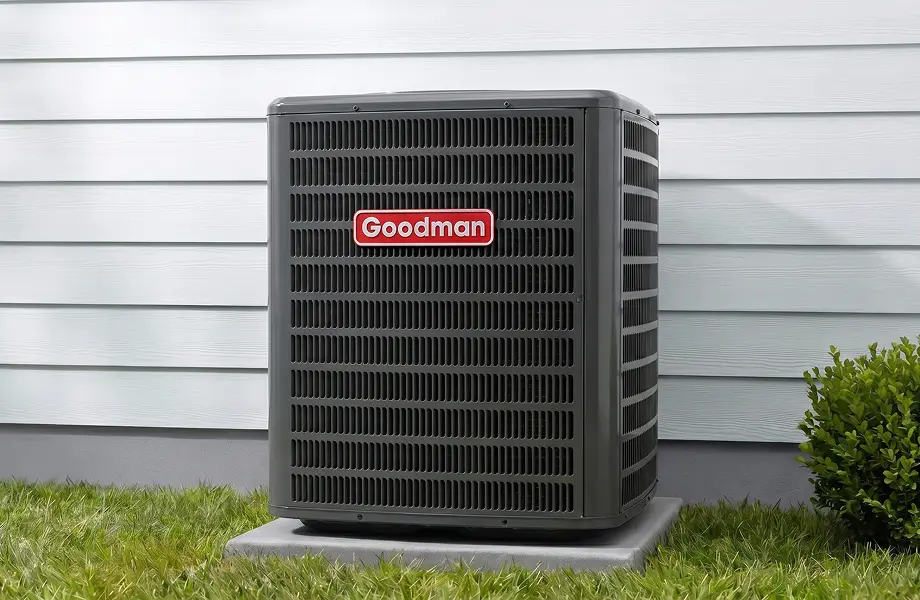


In 2026, AC condenser replacement cost typically ranges from $3,295 to $6,520, with most homeowners paying around $4,892. The final cost depends on your system size, compatibility with existing components, and how complex the installation is.
If your AC is no longer cooling properly, making loud noises, or repeatedly breaking down, the outdoor condenser is often the root of the problem, and one of the most expensive components to replace[1].
This guide breaks down what actually drives those costs, when replacement makes more sense than repair, and how to compare quotes without overpaying.
AC Condenser Replacement Cost Per Hour
Hourly pricing is most common for diagnostics and smaller repairs, but full condenser replacement is usually quoted as a flat project price.
That is important because the biggest cost differences don't come from hourly rates; they come from what's included in the scope, such as equipment, permits, and required upgrades[2].

For full condenser replacement and other major work, many HVAC companies quote a flat project price instead of billing strictly by the hour. That flat price typically bundles labor, parts, and often common permit costs.
When you request estimates, ask:
- Is the quote flat-rate, or time-and-materials?
- What parts and line items are included?
- Are permits and inspections included, and who schedules them?
Types of AC Condenser Replacement Estimates
You may see several service types when an outdoor condenser has issues, from full replacement to component repairs. Some problems can be fixed with targeted repairs, while others require replacing the entire unit. Understanding the difference is key to avoiding unnecessary costs.
Equipment choices also matter, since higher-efficiency options can reduce energy use and may qualify for certain energy programs[3].
| Type of Service | Cost | Features |
|---|---|---|
Replace AC Condenser | $3,295 - $6,520 | Full replacement of the outdoor unit, often done when the compressor fails or the unit is obsolete. Includes disposal of the old condenser in many quotes. |
Install AC Condenser | $2,873 - $5,314 | Installing a new condenser to match an existing air handler or during a system upgrade, which may require electrical or refrigerant line work. |
Repair AC Condenser | $248 - $891 | General repairs such as capacitor, contactor, or fan motor replacement, usually faster and cheaper than full unit replacement. |
Replace Condenser Coil | $1,276 - $2,793 | Swapping the condenser coil when it is corroded or ruptured; can be labor intensive and may require system evacuation. |
Replace Condenser Fan | $288 - $897 | Fan motor or blade replacement to restore airflow; typically a straightforward part-and-labor job. |
Repair Condenser Leak | $439 - $1,879 | Locating and repairing refrigerant leaks, recharging refrigerant, and pressure testing the system for integrity. |
Inspect AC Condenser | $97 - $258 | Diagnostic checks, safety tests, and performance evaluation to determine whether repair or replacement is recommended. |
Replace AC Condenser Costs
Full condenser replacement is usually recommended when the compressor fails, the unit is outdated, or repair costs start approaching the price of a new system. Typical pricing runs $3,295 - $6,520, with many projects around $4,892.
Compatibility matters, and the outdoor condenser must match the indoor coil, air handler, and refrigerant type. In some situations, an indoor coil or air handler replacement is recommended to maintain efficiency and meet manufacturer requirements for warranty coverage.
What pushes the price up most often:
- Unit size and tonnage
- Efficiency rating (SEER) and features
- Refrigerant type and any required changes
- Electrical upgrades or disconnect requirements
- Line-set or indoor coil changes
- Permits and inspections
- Installation difficulty and access
For related planning, it can help to compare your condenser quote with other HVAC investments.
Repair AC Condenser Costs
Repair is typically the better option when the issue is isolated, like a failed capacitor, contactor, or fan motor-and the rest of the system is still in good condition. Costs often fall in the $248 - $891 range, with an average around $489.
The biggest cost drivers are usually labor rates, diagnostic time, parts availability, warranty coverage, and whether permits are required for the work. If you are comparing repair scopes, it also helps to review overall AC repair costs.
Repair AC Condenser Leak Costs
Leak repairs come up when refrigerant is escaping from the condenser or connected lines, which can show up as reduced cooling and pressure loss. Typical pricing runs $439 - $1,879, with an average of $988.
Cost depends on where the leak is, how hard it is to access, the refrigerant type, and whether brazing or line replacement is needed. Refrigerant systems in heat pumps and air conditioners can differ, which may affect how a contractor approaches diagnosis and repair[4].
Refrigerant must be handled by properly qualified technicians, and older R-22 systems can be expensive to recharge due to limited supply. In those cases, the refrigerant cost and the risk of another leak are often part of the repair versus replace decision.
6 Factors That Affect the Average AC Condenser Replacement Cost
An AC condenser replacement quote is usually a combination of equipment, labor, and any required updates to meet current code and manufacturer requirements. Use these cost drivers to compare estimates line by line. For other project averages and local pricing context, see costs by service.
- Equipment Size and Capacity: Larger tonnage and more advanced staging can increase equipment costs. As capacity rises, so can the AC condenser unit cost due to added materials and complexity.
- Brand and Efficiency Rating: Higher-efficiency models and premium brands generally cost more upfront and may include stronger warranty terms. Efficiency improvements can lower operating costs over time.
- Unit Type and Features: Single-stage, two-stage, and variable-speed units are priced differently. Features like coil coatings, sound reduction, and smart controls can increase equipment price and sometimes labor.
- Home Insulation and Load: Poor insulation and air sealing can raise cooling demand and increase operating costs[5]. Improving insulation may help a contractor size equipment appropriately, rather than simply choosing a larger condenser.
- Ductwork Condition: Leaky or poorly insulated ducts can waste conditioned air and force longer run times, which may lead to duct repairs or resizing as part of the overall project[6]. Addressing duct issues can help the new equipment perform as expected.
- Labor Complexity and Installation Time: Tight access, pad replacement, electrical upgrades, permits, and seasonal scheduling can all add time. Rooftop placements, cramped side yards, crane work, and inspection timing are common add-ons to labor.
Size Implications on AC Condenser Replacement Price
Condenser size and configuration affect both the equipment price and the amount of labor required. So, proper sizing also influences efficiency and operating costs[7].
Larger units can require heavier lifting, more time on site, and more coordination. Smaller units are often quicker to swap. Final sizing is best determined by a professional load calculation (often called Manual J), rather than relying only on the old unit's size or home square footage.
Compact Residential Condenser (Up to 2 Tons)
This size is common for small homes, condos, or mobile homes. Many are pad-mounted and have simpler connections, which can keep labor manageable.
- Cost Range: $2,903 - $5,716
- Average Cost: $4,209
Pricing can still change based on access, the refrigerant type, and whether the unit can be set easily from ground level. Permits and inspections may apply even for smaller systems.
Standard Central Air Condenser (2-4 Tons)
Many single-family homes fall in this range. These systems typically need matched indoor and outdoor components to maintain rated performance and warranty terms.
- Cost Range: $3,606 - $6,922
- Average Cost: $5,194
Costs can increase when an indoor coil must be replaced, refrigerant lines need changes, or the home needs electrical updates to meet current requirements.
Commercial or High-Capacity Condenser (Rooftop or Packaged Units)
Rooftop packaged units and large condensers are common in multi-family buildings, retail spaces, and larger homes with zoning. For commercial AC condenser replacement, expect more labor coordination and longer timelines.
- Cost Range: $8,308 - $18,816
- Average Cost: $13,542
Packaged units often combine multiple functions in one cabinet, so the scope can go beyond a straightforward outdoor unit swap. Access, crane rental, roof protection, electrical capacity, and tie-ins to ductwork and controls are frequent cost drivers.
Condenser Coil Replacement (Component-Only)
Replacing only the condenser coil can be an option when the rest of the unit is serviceable and the coil damage is isolated. This is a component repair that may involve refrigerant recovery, evacuation, and brazing.
- Cost Range: $1,276 - $2,793
- Average Cost: $1,899
Coil availability for older models, refrigerant recharge needs, and compatibility with the indoor coil can all affect the total.
Condenser Fan Motor or Blade Replacement
Fan motor or blade replacement addresses airflow problems and unusual noise without replacing the full condenser.
- Cost Range: $288 - $897
- Average Cost: $515
Labor depends on safe electrical shutoff, mounting and wiring complexity, and part matching. Diagnostic time may be added if the technician needs to confirm that the fan is the root cause.
DIY vs. Pros: Residential AC Condenser Replacement Costs
Replacing a condenser can be as simple as swapping a fan motor or as involved as opening the refrigerant circuit and installing new equipment. Use this section to compare the kind of work homeowners sometimes attempt versus what contractors typically handle.
Many homeowners also research the AC condenser installation cost while deciding between DIY and hiring a contractor. In most places, work that involves the sealed refrigerant system, new HVAC equipment installation, and permits must be completed by a licensed or certified professional.

Full replacements, new installs, coil changes, and refrigerant leak repairs typically require an EPA-certified, properly licensed HVAC professional, plus permits and inspections where required. Attempting this work yourself can create safety risks, code issues, and warranty problems.
Risks and Challenges of a DIY Condenser Project
DIY work can involve refrigerant handling, high-voltage electrical connections, and the need for an accurate refrigerant charge. Errors can lead to leaks, compressor damage, and voided warranties. Even with checklists, it is easy to miss steps that cause expensive problems later[8].
Permits and inspections are also commonly required for condenser replacement or refrigerant line changes. Skipping these steps can create issues during home resale and may complicate insurance situations.
Advantages of Hiring a Professional
A licensed technician brings training and specialized tools for safe installation, refrigerant recovery, and accurate charging. A professional can also identify related issues that affect performance, such as airflow restrictions or electrical problems, and then document the work for warranty purposes. Many contractors also manage permits and inspection scheduling.
Optional Add-Ons for AC Condenser Replacement
During condenser replacement, contractors may recommend add-ons that increase upfront cost, but some of them can prevent future issues or improve system performance. They raise the project total, but they can improve protection, convenience, and long-term reliability.
| Add-On | Cost | Details |
|---|---|---|
Surge Protector | $174 - $600 | Protects the unit from voltage spikes and can prevent electronic damage to the condenser and controls. Good for areas with frequent storms. |
Smart Thermostat | $198 - $640 | Enables remote control, scheduling, and learning capabilities for better efficiency and comfort. May reduce energy use when paired with modern systems. |
Concrete Pad Installation | $288 - $988 | Provides a stable foundation for the condenser. Pads should be level, off bare soil, and set to maintain required clearances and elevation from walls and grade per manufacturer specs and local code. |
Vibration Isolators | $77 - $339 | Reduces noise and vibration transfer to the home, which is helpful if you are planning AC condenser fan replacement or live near shared walls. |
Anti-Theft Cage | $349 - $1,195 | Physical barrier that deters theft and vandalism, common in accessible or high-theft neighborhoods. |
Refrigerant Line Insulation | $118 - $465 | Insulates refrigerant lines to prevent energy loss and improve efficiency, especially on long runs; ties into routine service such as AC coil cleaning prices. |
Disconnect Box Upgrade | $218 - $791 | Brings electrical disconnects up to code or adds safety features. Codes often require an accessible, properly rated outdoor disconnect near the unit, so upgrades may be mandatory on replacements. |
Add-on pricing changes with equipment quality, brand selection, and installation difficulty. Labor can increase when new wiring is needed, access is tight, or the installer must coordinate with inspections.
Local code requirements and site risks also matter. In some areas, flood and utility protection considerations can affect how equipment is installed or elevated.[9]
ROI of AC Condenser Replacement
Replacing an AC condenser is a major expense, so the real question is whether it prevents a higher average AC condenser replacement cost down the line.
Older or failing condensers often run longer to maintain temperature, which increases energy use and puts strain on the compressor and other components. Over time, that can lead to more frequent breakdowns and higher repair costs.
A new condenser restores system efficiency[10], improves reliability, and can reduce how hard your AC needs to work, especially if your current unit is outdated or uses older refrigerant. Higher-SEER equipment can reduce energy use and may meet requirements for certain credit programs[11].
When replacement delivers the most value
- The system is over 10-15 years old
- Repairs are becoming frequent or expensive
- Energy bills have increased without clear cause
- The unit uses outdated refrigerant (like R-22)
When ROI may be lower
- The issue is minor and isolated
- The system is relatively new
- Replacement is being considered without a clear performance issue
Instead of focusing on percentage returns, it's more useful to think of condenser replacement as a way to avoid recurring repair costs and restore efficiency, especially when the system is nearing the end of its lifespan.
AC Condenser Repair vs. Replacement Costs Compared
Repair addresses a specific failed part. Replacement installs a new outdoor unit. The right choice depends on the unit's condition, expected remaining life, warranty status, and whether you want to invest in efficiency improvements now.
| Option | Cost | Considerations |
|---|---|---|
Replace | $3,295 - $6,520 | Full unit swap increases lifespan and efficiency, often includes new warranty, and reduces future repair frequency; higher upfront cost but better long term value. |
Repair | $248 - $891 | Targeted fixes restore function with lower immediate cost, suitable for minor failures or newer systems, but may offer only a short term solution and lead to more repairs. |
When to Choose Replacement
Replacement is often the better fit when the condenser is older, heavily corroded, or has a pattern of breakdowns. If repair estimates start getting close to about half the cost of replacement, many homeowners use that as a practical guideline to consider replacement, rather than a strict rule.
Newer equipment can also improve efficiency and reduce energy use[12]. Age, refrigerant type, and warranty coverage should all factor into the decision.
When to Choose Repair
Repair is usually a good option when the issue is isolated, the system is relatively new, and the fix is straightforward. For smaller electrical components, comparing your quote with typical AC capacitor replacement charges can help you decide whether a repair is reasonable.
How to Save on Central Air Condenser Replacement Costs
You can often reduce the total cost without cutting corners by planning ahead and comparing the scope carefully. Start by checking a national rebate finder to see what programs are available where you live[13].
- Get a Professional Leak Diagnosis: Have a qualified technician confirm whether a leak can be repaired or if replacement is the better financial call, especially when you are comparing it to AC condenser leak repair cost. Adding refrigerant without addressing a leak is typically not allowed and can waste money, so a proper diagnosis matters.
- Check State And Utility Rebates: Review local rebate programs before scheduling installation so you can choose eligible equipment and submit paperwork on time.[14]
- Document Energy Credit Eligibility: Save manufacturer certifications and invoices, then follow IRS guidance to determine whether your project qualifies for residential energy credits.[15]
- Choose Proper Sizing And Equipment: A professional load calculation helps avoid sizing mistakes that can lead to comfort issues and early wear.
- Request Multiple Written Estimates: Ask for quotes that clearly list equipment model details, labor scope, permits, and warranty terms. Confirm whether line-set or indoor coil changes are included if compatibility issues come up.
To compare options quickly, get in touch with qualified pros through homeyou. Local contractor services can provide inspections, written estimates, and warranty details to support your replacement decision.
Frequently Asked Questions About AC Condenser Replacement
Typically the contractor disconnects power and refrigerant lines, removes the old condenser, sets and levels the new unit, connects refrigerant and electrical, pulls a vacuum and charges the system, tests operation, and hauls away the old equipment. Many jobs also include permits and a basic pad or line-set check.
Most straightforward residential replacements take about half a day to a full day once materials are on site. Extra time is needed if the indoor coil or line set must be replaced, if access is difficult, or if local inspectors must visit before the system can be fully commissioned.
Repair is often best for newer systems with a simple issue like a capacitor, contactor, or fan motor. Replacement makes more sense when the unit is older, uses obsolete refrigerant, has a failed compressor, or when repair quotes approach a significant portion of full replacement cost.
Ask about license and insurance, brand and model options, what is included in the quote, whether the indoor coil or line set needs updating, who handles permits and inspections, warranty terms on parts and labor, how they size the system, and what happens if hidden problems are discovered.
Homeowners are often surprised by costs for electrical upgrades, replacing an incompatible indoor coil, line-set changes, concrete pad work, crane use for rooftops, or bringing old installations up to current code. Permit fees and refrigerant-related work can also add to the total once the job begins.
Choose a properly sized, higher-efficiency unit, pair it with a compatible indoor coil, and improve insulation and air sealing where needed. Ensure ducts are sealed and balanced, use a smart or programmable thermostat, and schedule regular maintenance so the new condenser operates at its rated efficiency.
A new condenser can improve buyer confidence, reduce expected near-term repair costs, and make the home more appealing in warm climates. While it rarely increases appraised square footage, it can support a higher asking price and faster sale, especially when documented with warranties and recent service records.
Request at least three detailed written estimates, compare included scope line by line, and ask if minor repairs could safely extend the current unit's life. Check for utility rebates and tax incentives, schedule work outside peak emergency season when possible, and avoid unnecessary add-ons that do not meet a real need.
References
[1] U.S. Department of Energy, "Consumer Guide to Home Heating and Cooling Fact Sheet", https://energy.gov/energysaver/consumer-guide-home-heating-and-cooling-fact-sheet.
[2] Air Conditioning Contractors of America, "HVAC Industry Standards", https://acca.org/standards.
[3] U.S. Environmental Protection Agency, "Energy Star Certified HVAC Equipment", https://www.energystar.gov/saveathome/heating-cooling.
[4] U.S. Department of Energy, "Heat Pump Systems", https://energy.gov/energysaver/heat-pump-systems.
[5] U.S. Department of Energy, "Consumer Guide to Home Insulation Fact Sheet", https://energy.gov/energysaver/consumer-guide-home-insulation-fact-sheet.
[6] U.S. Department of Energy, "Minimizing Energy Losses in Ducts", https://energy.gov/energysaver/minimizing-energy-losses-ducts.
[7] U.S. Department of Energy, "Principles of Heating and Cooling", https://energy.gov/energysaver/principles-heating-and-cooling.
[8] "Home Improvement ExpertTM Checklists", Building America Solution Center, http://basc.pnnl.gov/home-improvement-expert/checklists.
[9] Federal Emergency Management Agency, National Flood Insurance Program, "Protecting Building Utility Systems From Flood Damage", https://agents.floodsmart.gov/sites/default/files/media/document/2025-07/fema%5Fnfip-p-348-protecting-building-utility-systems-from-flood-damage-2017.pdf.
[10] U.S. Department of Energy, "Federal Tax Credits for Energy Efficiency", Energy Star, https://www.energystar.gov/about/federal-tax-credits.
[11] Internal Revenue Service, "Energy Efficient Home Improvement Credit", https://irs.gov/credits-deductions/energy-efficient-home-improvement-credit.
[12] U.S. Department of Energy, "Heating and Cooling Systems", https://energy.gov/energysaver/heat-and-cool.
[13] ENERGY STAR, "Rebate Finder", https://www.energystar.gov/rebate-finder.
[14] Database of State Incentives for Renewables & Efficiency (DSIRE), "Utility Rebates for HVAC Systems", https://dsireusa.org.
[15] United States, Internal Revenue Service, "Instructions for Form 5695, Residential Energy Credits 2024", https://www.irs.gov/pub/irs-pdf/i5695.pdf.