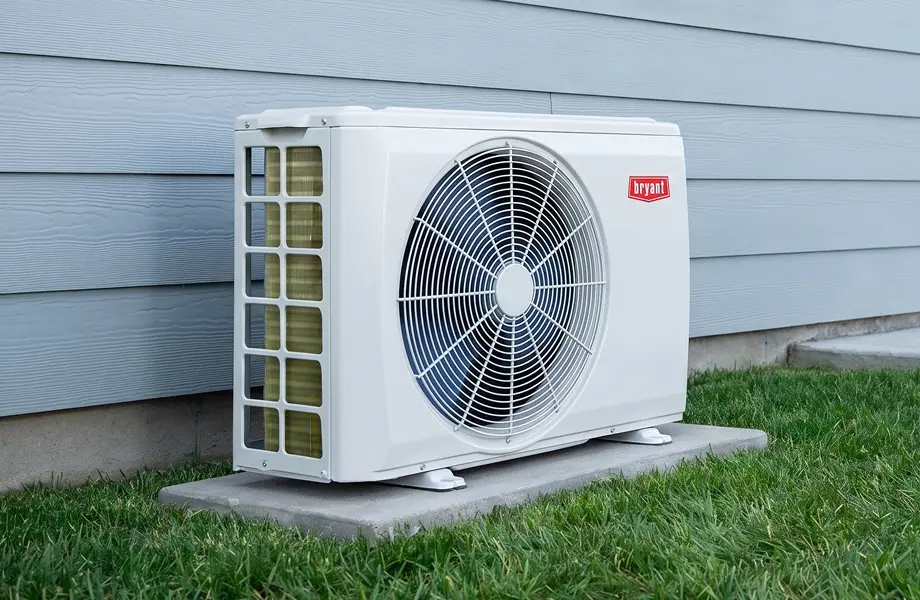


Understanding mini-split installation cost in 2026 starts with the typical range: from $3,908 to $7,727, with many projects clustering around $5,196. The spread comes from system capacity, how many indoor units you are adding, and how complicated the layout is for running lines, power, and drains.
This guide explains what you are paying for, equipment vs. labor, single-zone vs. multi-zone setups, electrical or mounting work, and permit or inspection fees. It helps you compare mini-splits with other HVAC options and provides basic hiring tips.
Many mini-splits are air-source heat pump systems, which are often recognized for high efficiency and can change both upfront costs and long-term operating costs[1].
Cost to Install a Mini-Split by Type
Mini split projects range from new installations to routine service visits, and pricing depends on the exact scope of work. For one room, a single-zone mini-split installation is often the most straightforward option because it uses fewer components and typically requires less line routing.
If you are weighing upgrades across the home, it can help to review broader system spending, including HVAC general costs. Mini splits use heat pump technology that moves heat rather than generating it, which helps explain why many systems are considered efficient[2].
| Type of Service | Cost | Features |
|---|---|---|
Install Wall Mounted Mini-Split | $3,707 - $7,022 | Standard wall units mounted inside; usually includes mounting, line connection, and tying into suitable existing power. New circuits, panel work, and permits are typically extra. |
Install Ceiling Cassette Mini-Split | $5,314 - $9,031 | Flush ceiling units; often need attic/joist access and extra framing. Solid concrete or tight framing can require major carpentry, so installs are more complex and costly than wall units. |
Install Mini-Split | $3,908 - $7,727 | General installation for systems not covered by specific unit types, may include multi-zone setups and extra labor for complex layouts. |
Replace Mini-Split | $4,410 - $8,529 | Full swap of indoor and outdoor units, often with refrigerant recovery. Costs vary with whether line sets, wiring, and pads can be reused or must be replaced. |
Repair Mini-Split | $318 - $1,906 | Diagnostic work and targeted fixes, such as refrigerant leaks, compressor issues, or electrical faults. |
Maintain Mini-Split | $168 - $389 | Routine service visits, filter cleaning, refrigerant pressure checks, and basic system tune-ups to preserve efficiency. |
Inspect Mini-Split | $138 - $288 | Pre-sale or annual inspections to assess performance, safety, and detect leaks or wear before they become major problems. |
Install Wall-Mounted Mini-Split Costs
Wall-mounted units are the most common choice for a single room or small zone. Typical pricing runs from $3,707 to $7,022, with an average around $4,993.
Costs usually move up or down based on:
- Line-set length and routing
- Whether a dedicated circuit, disconnect, or panel work is needed
- Wall material and ease of access
- How many indoor units connect to the outdoor unit
Install Ceiling Cassette Mini-Split Costs
Ceiling cassettes work well in open layouts or rooms with limited wall space. Because these units sit in the ceiling, the job often requires more access and more precise routing. Costs typically range from $5,314 to $9,031, with an average near $6,902.
These installations commonly need attic or joist access, and they may require framing or carpentry. Concrete ceilings or tight framing can make the work substantially more involved, which is why cassettes often price higher than wall-mounted units.
Replace Mini-Split Costs
Replacement usually means removing the old equipment and installing new indoor and outdoor units. It may include refrigerant recovery and electrical updates. Typical replacement pricing runs from $4,410 to $8,529, with an average around $5,997.
The final number often depends on whether existing line sets, wiring, pads, or brackets can be reused under current code and manufacturer requirements, or if they need to be replaced. In a larger system change, comparing heat pump installation prices may also be useful.
6 Factors That Affect the Mini-Split Installation Price
Similar to other service project investments, mini split bids can look very different, even for similar homes, because the details of equipment and layout matter significantly in the final pricing.
- Equipment Size and Capacity: Larger systems and higher-capacity outdoor units typically increase equipment cost and installation difficulty.
- Number of Indoor Units: Each additional head adds mounting, line routing, and time spent dialing in operation.
- Labor and Technician Skill: Labor hours and skill level drive the mini-split installation labor cost, especially when routing lines is complicated or electrical work is involved.
- Home Layout and Accessibility: Long line runs, multiple floors, and limited attic or crawlspace access can add time and materials.
- Electrical Service Upgrades: Some homes need new breakers, wiring, or additional capacity to support the equipment.
- Condensate Drain Requirements: Condensate must drain properly and may require a pump or trap depending on layout and local code expectations[4].
- Permits and Inspections: Mechanical and electrical permits, plus inspections, can add fees, scheduling steps, and occasional re-inspection visits.
When you request estimates, ask for itemized pricing that separates equipment, labor, electrical work, and permits. It also helps to confirm what testing is included, such as pressure testing and vacuum evacuation, so you can compare quotes on the same scope.
Mini-Split Installation Cost By Size
System size and configuration change the install scope. More capacity, more indoor units, and harder-to-reach mounting locations typically mean more materials and more labor time.
In general, larger systems require longer line runs and more planning. Smaller systems can be faster to install, especially when the indoor unit is close to the outdoor condenser and electrical capacity is already in place.
Single-Zone Mini-Split
Single-zone systems pair one indoor head with one outdoor unit to heat or cool a single room or small addition. Common use cases include bedrooms, offices, and sunrooms.
Cost: $3,606 - $6,922; Average: $4,892
Pricing usually depends on line-set length, how difficult the wall penetration is, and whether a new dedicated circuit is needed. Easier access and shorter runs tend to reduce labor time, while challenging placement or patch work can add cost. A proper load calculation, such as Manual J, helps avoid sizing problems.
Multi-Zone Mini-Split (2-4 Indoor Units)
Multi-zone systems connect multiple indoor heads to one outdoor unit, making them a popular choice for zoning several rooms without ductwork. Homeowners planning multi zone mini-split installation often use this setup for groups of rooms like bedrooms plus a living area. Choosing energy-efficient models can also reduce long-term operating costs[5].
Cost: $7,223 - $14,054; Average: $9,835
Costs increase with the number of heads and the complexity of routing multiple line sets. Running lines through attics or crawlspaces can add labor hours, and each indoor unit may require its own condensate solution. For best results, reputable installers size each zone based on a load calculation, not a quick square-foot estimate.
Wall-Mounted Mini-Split
Wall-mounted indoor units are the most common head type. They are often a good fit for bedrooms, dens, and other rooms where a high wall location is available.
Cost: $3,707 - $7,022; Average: $4,993
These installs are usually quicker when stud locations are straightforward and the outdoor unit can be placed nearby. Costs can rise when the placement requires extra structural work, longer conduit runs, or more involved line routing. Good layout and correct sizing help prevent comfort issues like short cycling.
Ceiling-Cassette Mini-Split
Ceiling cassettes sit flush in a ceiling cavity and typically distribute air in multiple directions. They are common in open-plan spaces or finished basements where wall space is limited.
Cost: $5,314 - $9,031; Average: $6,902
Extra labor often comes from ceiling access, mounting support, and working above the finished surface. Improving insulation and air sealing can reduce the required capacity, which can influence equipment sizing decisions during planning[6]. Some ceilings, such as solid concrete or very tight framing, can make cassette installations significantly harder.
Whole-Home Mini-Split System
Whole-home setups use several indoor units to cover most or all of the house, sometimes with one larger outdoor unit or multiple outdoor units.
Cost: $12,045 - $24,100; Average: $17,048
These jobs typically involve more planning, more penetrations, longer line and drain runs, and a greater chance of electrical upgrades. Most whole-home designs benefit from a detailed site survey and load calculation, so the system matches the home's layout and comfort goals.
Ductless Mini-Split Installation Cost by State
State pricing can differ substantially, mainly due to labor rates and availability, which influences total installation cost[7]. Material delivery, local demand, and permit requirements can also shift pricing. Some states and utilities offer rebates that may lower the net cost after purchase and installation[8].
| State | Cost | Details |
|---|---|---|
California | $4,611 - $8,830 | High labor costs and strong demand for energy-efficient systems increase prices. Coastal and urban permit fees and retrofit complexity in older homes add to costs. |
Texas | $3,606 - $6,922 | Large market and many contractors can lower competitive prices, but extreme heat increases demand during summer months, driving seasonal price spikes. |
Florida | $4,008 - $7,926 | Humid climate creates higher cooling capacity requirements. Frequent retrofits in older coastal homes can raise labor and materials costs. |
New York | $4,511 - $8,931 | Urban installation challenges and higher permitting fees in cities increase costs. Cold-climate models may be more common in northern regions. |
Illinois | $3,807 - $7,223 | Midwestern labor rates are moderate, but older building stock can require more complex installations and additional electrical work. |
Washington | $4,209 - $8,127 | Pacific Northwest demand for efficient heating options and access to specialty contractors can affect pricing; delivery to rural locations increases costs. |
Colorado | $4,109 - $7,826 | Mountain climate considerations and variable access to installers influence prices. Higher elevations may require specific equipment or modifications. |
Use these ranges to ballpark the cost to install a mini-split, then validate the scope with local bids and contractor availability[9]. The ranges are generally presented before incentives. Local rebates can reduce your out-of-pocket cost, and climate needs, such as cold-climate performance or coastal durability, can affect equipment selection even within the same state.
DIY vs. Professional: DIY Mini-Split Installation Cost
DIY versus professional installation changes more than labor cost. It can also affect performance, code compliance, and warranty coverage.
If this project is part of a broader cooling upgrade, reviewing AC installation budgets can help you compare what installers charge across similar work.

DIY ranges typically assume homeowner-installable, pre-charged kits where available. They also generally do not include the cost of buying professional tools. Many traditional systems require evacuation, testing, and charging procedures that are difficult to do correctly without specialized equipment and experience.
Common Risks and Limitations of DIY Work
DIY can reduce labor spending, but mistakes can get expensive. Issues like incorrect line sizing, poor connections, or incorrect refrigerant charge can reduce efficiency and shorten equipment life. Electrical and mounting errors can create safety risks. Permitting and code compliance are also easy to miss, which can create complications during resale or insurance claims. In many areas, only certified professionals may handle refrigerants or complete certain electrical work, and DIY work can affect warranty coverage.
Advantages of Hiring a Professional
Professional installers typically handle system sizing, placement, mounting, and final testing as part of a defined process. Many follow industry standards for design and installation, including pressure testing and vacuum evacuation of line sets to remove moisture and air[10]. You also usually get workmanship warranty coverage, which can reduce out-of-pocket costs if there is a problem after installation.
How to Decide Between DIY and Pro
DIY is usually a better fit only if you have HVAC experience, the right tools, and time to handle permits and inspections. For multi-zone systems, ceiling cassettes, or situations where warranty and resale concerns matter, hiring a pro often provides better long-term value. If you hire, look for a mini-split installation contractor with clear experience installing the same type of system you want.
Add-Ons for Mini-Split Installation
Add-ons are optional parts or services that increase the total project price, usually to improve protection, controls, or appearance. Homeowners planning a ceiling cassette mini-split installation often include add-ons because access and finishing work tend to be more involved.
| Add-On | Cost | Details |
|---|---|---|
Electrical Upgrade | $693 - $3,305 | Required when existing wiring cannot support the new system; may include panel upgrades, dedicated circuits, or new breakers. |
Surge Protector | $198 - $650 | Protects indoor and outdoor components from voltage spikes and can prevent damage during storms or grid events. |
Smart Thermostat | $288 - $901 | Adds programmable schedules and smart control when compatible. Many mini-splits need brand-specific controllers or adapters, and some rely on their own apps or Wi-Fi modules. |
Condenser Pad | $188 - $489 | Provides a level, durable base for the outdoor condenser to reduce vibration and extend equipment life. |
Line Hide Cover | $198 - $783 | Conceals refrigerant lines and wiring for a cleaner exterior appearance and added weather protection. |
Refrigerant Top-Off | $198 - $791 | One-time refrigerant charging or adjustment during install or after a repair. A later need to add refrigerant often signals a leak that should be found and fixed. |
Wi-Fi Module | $168 - $700 | Enables remote control and monitoring via smartphone apps and may allow energy-saving schedules. |
Add-on pricing depends on part quality, brand compatibility, and how easy the installation is in your home. Some upgrades raise upfront cost but may support lower operating costs over time when they improve efficiency or control[11].
ROI of Mini-Split Installation
ROI for a mini-split comes down to how installation cost compares with energy use, comfort improvements, and resale appeal in 2026. If you are planning residential mini-split installation, incentives may also matter. Some energy-efficient equipment may qualify for federal tax credits[12].
Key ROI Drivers
- Material Quality and Durability: Higher-quality components tend to hold up better over time, which can reduce replacement frequency.
- Energy Efficiency: Higher-rated equipment can lower operating costs, which affects long-term payback.
- Professional Installation: Correct sizing, refrigerant charge, and placement help avoid performance issues that reduce expected savings.
- Market Demand: In some regions, efficient zoned comfort can be a selling point.
- Maintenance Requirements: Regular upkeep helps systems retain performance and efficiency.
- Aesthetics and Indoor Comfort: Visible indoor units and improved comfort can influence buyer perception.
| Service | Estimated ROI | Details |
|---|---|---|
Basic Single-Zone Installation | around 50-60% | Cost-effective for small rooms, with energy savings and modest resale impact over the system lifespan. |
Multi-Zone Standard Installation | around 55-70% | Better whole-home comfort and larger utility savings, plus stronger resale appeal in competitive markets. |
High-Efficiency System Upgrade | approximately 70-85% | Top energy savings and incentives; higher upfront cost but strong long-term payback and buyer interest. |
Premium Installation With Smart Controls | around 60-75% | Added comfort and convenience; returns combine energy savings with improved perceived home value. |
These ROI ranges are broad estimates that combine expected energy savings with potential resale impact over a typical system life. Results depend on local energy rates, how you use the system, and whether the system is correctly sized through a load calculation instead of simple square-foot rules.
Seasonal Impact on Mini-Split Installation Cost
Seasonal demand affects both pricing and scheduling in 2026. When contractors are busiest, quotes may come in higher and appointment windows can stretch. Weather can also slow outdoor work, especially in extreme heat, heavy rain, or snow.
If you are tracking the average mini-split installation, you will often see timing reflected in both the bid and the earliest available start date.
| Season | Cost | Description |
|---|---|---|
Spring | $3,707 - $7,323 | Contractors often ramp up after winter; moderate demand and improving weather make scheduling easier. |
Summer | $4,209 - $8,429 | High demand in hot regions can increase prices and extend lead times, especially during heat waves. |
Autumn | $3,727 - $7,123 | Cooler weather and fewer holidays often mean steadier availability and more competitive quotes. |
Winter | $3,807 - $7,625 | Cold, snowy conditions can slow or delay outdoor work and add prep costs, but in many markets contractor availability is better than during peak cooling season. |
Off Season | $3,526 - $6,821 | Lower demand periods may yield discounts and faster scheduling but vary by region and contractor. |
If timing is flexible, ask contractors about shoulder-season scheduling. In many markets, spring and autumn can be easier for booking and may come with more competitive proposals.
Mini-Split Installation Repair vs. Replacement Costs
Repair and replacement solve different problems. Repairs address specific failures, while replacement is a full system swap. Your decision usually comes down to total cost, remaining system life, and whether you want improved efficiency and updated equipment in 2026.
| Option | Cost | Considerations |
|---|---|---|
Replace | $4,410 - $8,529 | Replacement provides a complete system upgrade that improves efficiency and extends service life, but it requires a larger upfront investment and longer installation time. |
Repair | $318 - $1,906 | Repair fixes or replaces specific components at lower immediate cost and with less disruption, though the system may have a shorter remaining lifespan and could need additional repairs. |
When to Choose Replacement
Replacement is often the better fit when the system is older, has recurring problems, or needs multiple major parts. It can also make sense when repair quotes approach a large share of a new installation cost. Systems that use older or phased-out refrigerants may be more expensive to service, which can shift the math toward replacement.
When to Choose Repair
Repair is usually a good option for isolated issues when the system is relatively new or still under warranty. Examples include a clogged drain, a failing sensor, or another targeted issue that can be corrected without replacing major components. Contractors may reference AC repair costs when discussing labor rates that apply across cooling equipment.
How to Save Using a Mini-Split Installation Estimate
You can often reduce project cost without cutting corners by planning ahead and asking for clear, comparable bids. Incentives may also help. Certain energy-efficient improvements can qualify for federal tax credits[13].
- Schedule an Energy Assessment: Have a qualified professional evaluate load and zoning needs so you avoid oversizing and unnecessary equipment.
- Bundle Jobs and Prepare the Site: Handle related work, such as access prep or repairs, before the crew arrives. Clear paths and make panels, attics, and basements accessible to reduce labor time.
- Get Multiple Written Estimates: Ask for itemized proposals that separate equipment, labor, electrical work, permits, and warranty coverage.
- Keep Paperwork Ready: Save invoices and product documentation, and follow Form 5695 instructions when organizing records for tax credits[14].
- Check Rebate Programs: Research utility and local rebates early, and confirm eligibility requirements before you buy. ENERGY STAR's rebate finder is a useful place to start[15].
Find vetted local mini-split contractors through homeyou to compare qualifications, review warranties, and choose a pro who can deliver a code-compliant installation and reliable long-term performance.
Frequently Asked Questions About Mini-Split Installation
Most installations include mounting indoor and outdoor units, running refrigerant lines and control wiring, setting up a condensate drain, basic electrical connections to suitable existing power, system start-up, and performance checks. New circuits, panel upgrades, permits, carpentry, and cosmetic repairs are usually separate line items.
A straightforward single-zone wall-mounted system often takes most of a day. multi-zone systems, ceiling cassettes, or projects needing electrical work, longer line runs, or carpentry can stretch into two or more days. Weather, access to attics or crawlspaces, and permit inspections can also influence timing.
Use a single-zone unit for one main space, like a bedroom, office, or addition. Choose multi-zone when you want independent control in several rooms or most of the house. A load calculation and site visit help determine the right mix of zones, capacity, and indoor unit types for your layout.
Common surprise costs include electrical upgrades, condensate pumps, longer-than-expected line runs, carpentry for ceiling cassettes, wall or siding repairs, permit fees, and equipment changes after a proper load calculation. Asking for an itemized estimate and a site visit before signing reduces these surprises.
DIY pre-charged kits can work for skilled homeowners on simple single-zone setups, but mistakes with refrigerant, wiring, or mounting can be costly and unsafe. Many warranties and codes require licensed installation. For multi-zone, ceiling cassettes, or whole-home systems, professional installation is strongly recommended.
A contractor or electrician will check panel capacity, available breaker spaces, wire sizes, and grounding. They confirm that a dedicated circuit can support the unit's amperage and that outdoor disconnects meet code. If your panel is older or nearly full, you may need upgrades before installation.
Ask about licenses and insurance, experience with your specific brand and configuration, whether they perform a load calculation, what is included in their quote, permit handling, warranties on labor and equipment, and how they handle refrigerant testing and evacuation. Request references and a written, itemized proposal.
Buyers often value efficient heating and cooling, especially in homes without ductwork or where comfort has been a concern. A properly sized, professionally installed mini-split can improve comfort and perceived value, particularly when equipment is relatively new, energy efficient, and neatly installed with good documentation.
References
[1] ENERGY STAR, "Air-Source Heat Pumps", https://energystar.gov/products/air\_source\_heat\_pumps.
[2] U.S. Department of Energy, "Heat Pump Systems", https://energy.gov/energysaver/heat-pump-systems.
[3] ENERGY STAR, "How Does a Heat Pump Work", https://energystar.gov/products/ask-the-experts/how-does-heat-pump-work.
[4] International Code Council, "2021 International Plumbing Code, Online Code Access", ICC Digital Codes, https://codes.iccsafe.org/content/IPC2021P3.
[5] U.S. Environmental Protection Agency, "Energy Star Certified HVAC Equipment", https://www.energystar.gov/saveathome/heating-cooling.
[6] U.S. Department of Energy, "Guide to Home Insulation", https://energy.gov/sites/prod/files/guide\_to\_home\_insulation.pdf.
[7] U.S. Bureau of Labor Statistics, "Occupational Employment and Wages Tables", https://www.bls.gov/oes/tables.htm.
[8] Database of State Incentives for Renewables & Efficiency (DSIRE), "Utility Rebates for HVAC Systems", https://dsireusa.org.
[9] U.S. General Services Administration, "Home Repair and Energy Efficiency Assistance", USA gov, https://usa.gov/repairing-home.
[10] Air Conditioning Contractors of America, "HVAC Industry Standards", https://acca.org/standards.
[11] ENERGY STAR, "High-Efficiency Heating and Cooling", https://energystar.gov/newhomes/features-benefits/heating-cooling.
[12] U.S. Department of Energy, "Federal Tax Credits for Energy Efficiency", Energy Star, https://www.energystar.gov/about/federal-tax-credits.
[13] Internal Revenue Service, "Energy Efficient Home Improvement Credit", https://irs.gov/credits-deductions/energy-efficient-home-improvement-credit.
[14] United States, Internal Revenue Service, "Instructions for Form 5695, Residential Energy Credits 2024", https://www.irs.gov/pub/irs-pdf/i5695.pdf.
[15] ENERGY STAR, "Rebate Finder", https://www.energystar.gov/rebate-finder.