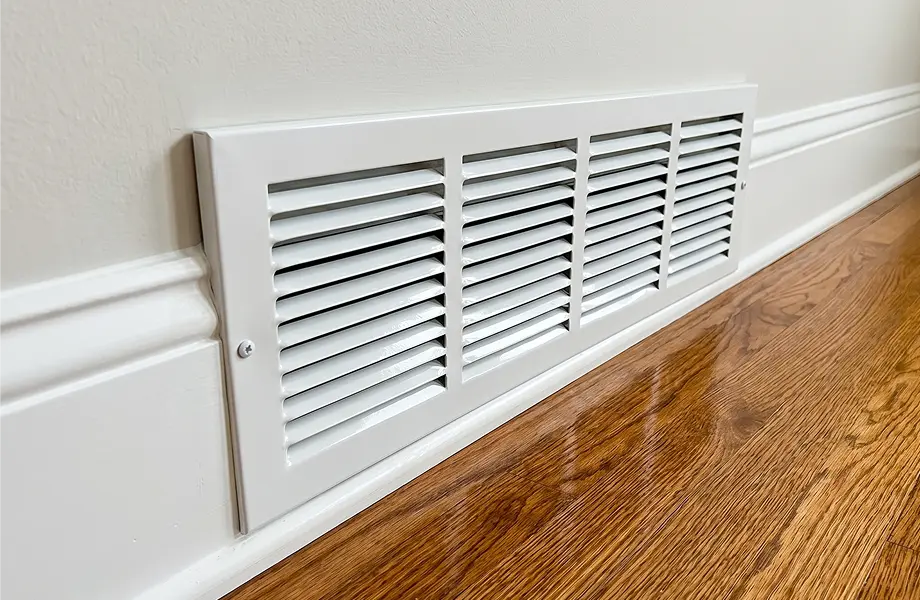


In 2026, the typical duct cleaning cost for labor ranges from $89 to $150 per hour, with an average of $118. Many companies, however, price whole-home duct cleaning as a flat rate per system or by square footage, and may use hourly rates mainly to build the estimate.
This guide explains what drives pricing, how service packages differ, and what to ask before you hire, so you can compare quotes confidently[1].
Duct Cleaning Cost Per Hour
HVAC services' hourly billing usually covers technician time on site and may include setup, equipment use, and basic cleanup. For small jobs, you may see a minimum charge. For larger projects, many contractors provide a total estimate once they confirm the scope.

Hourly rates change based on technician experience, equipment, access difficulty, and travel time. Ask whether the rate includes setup, negative-pressure vacuuming, and cleanup, so you can compare bids on the same terms. Because labor rates are a major part of duct cleaning labor cost, request a written estimate with a clear scope of work before scheduling[2].
For a typical single residential system, crews are often on site for 3 to 6 hours. During that time, your HVAC may be off, and you should expect noticeable noise and foot traffic.
Cost of Duct Cleaning by Type
Duct cleaning can mean anything from basic whole-home vacuuming to repairs and contamination restoration. Costs shift with scope, urgency, system complexity, materials, and access. Many homeowners start by pricing residential duct cleaning cost for the most common options below.
| Type of Service | Cost | Features |
|---|---|---|
Whole Home Air Duct Cleaning | $431 - $843 | Full-system cleaning, typically includes vents, main trunk lines, and registers; often done after major renovations or when there is heavy dust, debris, or allergy concerns. |
Dryer Vent Cleaning | $128 - $270 | Removes lint and debris from dryer exhaust lines to restore airflow and reduce fire risk. |
Air Duct Inspection | $130 - $349 | Inspection to locate blockages, damage, or mold; may be visual at registers or include cameras depending on the contractor and package. |
Air Duct Repair | $298 - $953 | Fixes holes, disconnected seams, and damaged fittings to restore airflow and prevent loss. |
Air Duct Sealing | $560 - $1,797 | Applies sealant or mastic at joints and seams to improve system efficiency and reduce energy loss. |
Air Duct Replacement | $2,490 - $6,911 | Full or partial replacement of duct sections when damage or contamination is extensive. |
Contaminated Air Duct Restoration | $1,203 - $3,915 | Specialized cleaning and sanitizing after mold, pests, or flood exposure to make ducts safer for use when combined with broader remediation. |
A visual inspection or camera scan often determines which service makes sense and whether one visit is enough. Many contractors bundle inspection with cleaning or sealing to price the job more accurately.
Also, not all guidance recommends routine duct cleaning on a fixed schedule. Many sources focus on cleaning when there is a clear issue, such as visible mold, pest activity, or post-construction debris.
Air Duct Sealing Costs
Sealing targets leaks at joints and seams to improve performance and reduce energy waste. Typical pricing falls between $560 and $1,797, with an average of $1,052. The biggest cost drivers include access, total duct length, and whether the work is in an attic or crawlspace. Sealing can also be part of broader HVAC efficiency planning, including heat pump upgrades[3].
Dryer Vent Cleaning Costs
Dryer vent cleaning removes lint buildup from the exhaust line to restore airflow and lower fire risk. Expect costs from $128 to $270, with an average of $188. Long vent runs, multiple bends, and difficult access typically increase labor time. Lint buildup is a known fire hazard in homes, which is why keeping vents clear matters[4].
Contaminated Air Duct Restoration Costs
Restoration is used for more serious issues, such as mold, sewage, or flood contamination. It may include removal, sanitizing, and replacement of affected components. Costs range from $1,203 to $3,915, with an average of $2,207. Severity, required containment, and any testing can all affect the final price. If flooding is involved, follow public health guidance for safely reentering a flooded home[5].
Whole Home Air Duct Cleaning Costs
Whole home cleaning typically includes vents, trunk lines, and registers. It is commonly scheduled after renovations, fire or smoke events, or other dust-heavy situations. Pricing runs from $431 to $843, with an average of $650. Key drivers include home size, the number of supply and return runs, and whether mold or pests are found.
If cleaning reveals failing ductwork, contractors may recommend reviewing the cost of air duct replacement to compare repair versus replacement. Cleaning can remove debris and reduce some irritants, but it is not a cure-all for indoor air quality. Filtration, humidity control, and indoor pollutant sources still play a major role.
7 Factors That Affect the HVAC Duct Cleaning Cost
Duct cleaning prices depend on more than square footage. These are the property and service details that most often change labor time, equipment needs, and the likelihood of add-on work.
- Property Type: Homes and commercial buildings differ in access, duct layouts, and operational requirements. Commercial jobs may require more crew time and specialized equipment. Ask for a dedicated quote for commercial duct cleaning cost if your building is not residential.
- System Size and Complexity: Multiple zones, long runs, and complicated layouts take longer to clean. Complexity can also determine what tools the crew can safely use.
- Contamination Level: Light dust is faster to remove than heavy debris, pest residue, or buildup that has hardened over time. The condition of supply and return vents often reflects how much work is needed deeper in the system.
- Duct Condition and Leakage: Torn, crushed, or poorly sealed ducts may need repair or sealing before cleaning can be effective. Leaks can contribute to energy losses and may justify testing or sealing as part of the project[6].
- Moisture and Mold Presence: Active moisture issues often require additional steps, such as containment and drying, before cleaning makes sense. Moisture control is a core part of preventing recurring mold problems[7].
- Insulation, Materials, and Hazards: Older insulation, deteriorated liners, or materials that could contain asbestos may require specialist handling, testing, or abatement. That kind of compliance work can add significant process and disposal costs[8].
- Inspection and Testing Options: Camera inspections and air quality related testing can add to the upfront price, but they can also clarify what is actually needed. If you are considering diagnostics, it may help to compare air quality testing prices against the likely value of the information.
Duct Cleaning Cost by Material
Duct material affects how cleaning is performed, how much access work is needed, and how easily ducts can be damaged. Rigid materials generally tolerate mechanical cleaning better. Softer or porous materials often require gentler methods, which can add time.
If you can identify your duct material before you request bids, you are more likely to get accurate quotes and fewer surprises on site.
| Item | Cost | Description |
|---|---|---|
Metal Duct | $411 - $803 | Sheet metal ducts are rigid and durable. They are common in older homes and usually allow thorough mechanical cleaning with less risk of damage. |
Flexible Duct | $481 - $953 | Flexible insulated ducts bend to fit tight spaces. They may trap debris in folds and often require careful agitation or partial replacement instead of aggressive brushing if the material is fragile. |
Fiberglass Duct | $541 - $1,054 | Fiberglass-lined ducts provide insulation but are porous. Harsh mechanical tools can damage the liner, so pros may limit cleaning methods or recommend repair, encapsulation, or replacement if it is deteriorated. |
Fiberboard Duct | $501 - $984 | Fiberboard is common in HVAC plenums. It is absorbent and can degrade when wet, so cleaning is cautious and sometimes limited; severely damaged sections may be replaced instead of heavily scrubbed. |
Plastic Duct | $391 - $773 | Smooth plastic ducts resist corrosion and are easier to vacuum. They are lightweight and often found in modern retrofits. |
Rigid Duct | $431 - $853 | Rigid ducts include nonmetal options as well as thicker metals. Their solid construction allows effective brushing and higher-pressure cleaning. |
Cloth Duct | $622 - $1,184 | Fabric ducts are used in some systems for airflow distribution. They require specialty cleaning methods and careful handling to avoid damage. |
Material-related price differences usually come down to access, fragility, and contamination type. Creased flex ducts and insulated systems often take longer. If cleaning uncovers damage, replacing sections or liners can add labor and material costs.
If there is moisture, visible mold, or a persistent musty odor, the contractor may recommend remediation steps beyond standard cleaning, since moisture can support mold growth inside a home[9]. Some homeowners also bundle HVAC work with dryer vent duct cleaning to reduce separate trip charges.
Duct Cleaning Cost Per Square Foot
Some contractors quote by the square foot because size, layout, and access drive time and equipment use. Per-square-foot pricing usually bundles labor plus standard vacuuming or brushing, which can make it easier to compare bids.
Review quotes carefully for what is included. Chemical sanitizing and duct sealing are often optional add-ons, not automatic parts of a base cleaning.
| Service Type | Cost | Details |
|---|---|---|
Vacuum Cleaning | $0.19 - $0.49 | Removes loose dust and debris using negative-pressure vacuum systems; time increases with hard-to-reach runs. |
Standard Duct Cleaning | $0.31 - $0.73 | Includes brushing, agitation, and vacuuming to clear typical buildup from ducts and registers. |
Sanitizing Treatment | $0.17 - $0.49 | Applied after cleaning to reduce microbial growth; best reserved for specific contamination issues with HVAC-approved products. |
Deodorizing Service | $0.12 - $0.33 | Neutralizes odors left by pets, smoke, or mold; effectiveness depends on source and material of ducts. |
Duct Sealing | $0.39 - $1 | Sealing leaks with mastic or approved tapes improves system efficiency and can raise labor costs. |
Contamination Restoration | $0.67 - $2 | For mold, pest, or heavy particulate contamination; may require containment, remediation, and follow-up testing. |
Layout and accessibility are major cost drivers. Long runs, lots of branches, tight crawlspaces, and any insulation removal can increase crew time, which raises the per-square-foot total.
System design and heat distribution can also affect where dust collects and how involved the cleaning becomes[10]. If the home has a neglected furnace or boiler, soot and particulates can increase the amount of cleanup required[11].
If you are requesting a quote for whole house duct cleaning, ask what the per-square-foot rate includes and whether there are separate charges for repairs, mold-related work, or access modifications.
Professional Duct Cleaning Cost vs. DIY Expenses
The right approach depends on what you are trying to fix and how comfortable you are working around HVAC components. DIY can handle a few surface-level tasks. A professional is usually better for deep system cleaning, suspected contamination, or when you want documented results.

Common DIY Risks and Limitations
DIY cleaning often stops at what you can reach from registers, which means deeper buildup can remain. The wrong tools can damage duct liners, loosen seals, or push debris further into the system.
If there is visible mold or water damage, follow official mold cleanup guidance and avoid attempting extensive remediation on your own[12]. Also avoid opening HVAC cabinets or disconnecting duct sections unless you are qualified, since incorrect reassembly can create leaks and performance issues.
Why Hire a Professional
Professionals use inspection cameras, negative-pressure vacuums, and commercial brushes designed for ductwork. They can also document conditions, which helps if you are dealing with a persistent problem or planning additional repairs. Some contractors offer sanitizing options, but those should be tied to a specific need and product approval for HVAC use.
Keep expectations realistic. Research on routine duct cleaning and health outcomes is mixed, and many indoor air problems come from filtration, moisture, and pollutant sources inside the home.
How to Choose Between DIY and Pro
DIY tends to make sense for limited tasks like removing vent covers or clearing an accessible dryer vent. Professional service is typically the better fit for full-system cleaning, sanitizing, or when occupants have allergies or respiratory concerns.
Compare the average duct cleaning cost against your time, tool rental, and the risk of accidental damage. You can also use the project cost estimates page to review related services that may come up during HVAC maintenance.
Add-Ons for Duct Cleaning
Add-ons are optional services offered alongside a standard cleaning. They can be helpful when there is a specific issue to address, but they also raise the total bill. The table below summarizes common add-ons and when they are typically used.
| Add-On | Cost | Details |
|---|---|---|
Antimicrobial Treatment | $140 - $320 | Applied to duct surfaces after cleaning to inhibit microbial growth, usually in specific contamination cases; products must be rated for HVAC use. |
Deodorizing Service | $120 - $280 | Targets persistent odors from pets, cooking, or smoke with HVAC-safe agents; effectiveness depends on removing the underlying odor source. |
Mold Removal | $288 - $742 | Focused removal of visible mold and contaminated insulation; extensive or recurring mold typically requires full mold remediation and moisture control. |
UV Light Installation | $389 - $1,002 | Installs ultraviolet lamps near coils or in ducts to limit microbial growth on components; results vary and bulbs need periodic replacement. |
Sanitation Treatment | $158 - $401 | Sanitizing of registers, plenums, and accessible duct surfaces using approved agents; generally reserved for defined hygiene issues, not every home. |
Filtration Upgrade | $97 - $318 | Replaces or upgrades filters to higher-efficiency media, improving particle capture and HVAC performance when matched to system specs. |
Allergen Reduction Package | $180 - $441 | Combines cleaning, filtration, and select treatments to reduce exposure to pollen, dust, and pet dander; impact depends on other home conditions. |
If you are already scheduling HVAC maintenance, you may be able to pair duct work with AC coil cleaning expenses so the system is cleaned more comprehensively. In many homes, solid cleaning and good filtration are enough, so ask the contractor to explain why any chemical treatment or UV device is recommended for your situation.
Pricing differences usually reflect access difficulty, equipment quality, local labor rates, and whether extra containment or insulation work is required. Homes with poor insulation or leaky ducts may need additional work to help maintain indoor comfort and efficiency[13]. For urgent situations, emergency duct cleaning requests can include expedited scheduling fees when contamination is a health concern.
How to Save on the Air Duct Cleaning Price
A few simple steps can lower your total cost and help you avoid paying for unnecessary add-ons. Planning ahead also makes it easier to compare quotes fairly. Keeping your HVAC system maintained can support efficient heating and cooling performance over time[14].
- Schedule Regular Filter Maintenance: Clean or replace filters before the technician arrives, so airflow issues do not add time to the job.
- Request Itemized Estimates: Ask for an itemized duct cleaning estimate that separates labor, equipment, and add-ons.
- Bundle Related Services: Combine duct cleaning with routine HVAC maintenance to reduce repeat trip and setup costs.
- Prepare the Work Area: Clear access to vents and the furnace area, so the crew can work without delays.
- Check for Eligible Credits: If you are considering sealing or efficiency upgrades, review whether they qualify for energy tax credits or rebates. Confirm eligibility with program rules before assuming ductwork is covered[15].
Connect with local home repair contractors through homeyou to compare vetted duct cleaning pros and hire a reliable team for your home.
Frequently Asked Questions About Duct Cleaning
Most services include setup, creating negative pressure on the system, brushing or agitating ducts, vacuuming supply and return lines, and cleaning registers and grilles. Some companies also wipe down the air handler cabinet and check for visible mold, damage, or disconnected sections, but deeper repairs are usually extra.
For a single residential system, expect a crew on site for about half a day. Many homes fall in the 3 to 6 hour range, depending on the number of vents, how dirty the system is, and how easily the techs can reach basements, attics, or crawlspaces to access the main duct runs.
Ask if they are licensed and insured, what method and equipment they use, and exactly which components are included. Request a written scope, not just a price. Confirm how they handle mold or asbestos concerns, whether sanitizers are optional, and if the quote is flat-rate or based on hourly time on site.
Surprises often come from discovering damaged or disconnected ducts, heavy contamination such as mold or pests, or the need for access panels in tight areas. Extra fees may also apply for sanitizing, sealing leaks, replacing ruined insulation, or cleaning neglected dryer vents discovered during the visit.
If it is done poorly, aggressive tools can tear flexible ducts, loosen liners, or create new leaks. Some contractors push unnecessary chemical treatments. Duct cleaning is also not a cure-all for dust or allergies if underlying moisture, filtration, or source problems in the home are not addressed.
Consider it if you see heavy dust or debris at registers, smell persistent musty or burnt odors from vents, have had major renovations, or find signs of pests or visible mold. If your system runs normally and vents look clean, an inspection may be enough before scheduling a full cleaning.
Basic cleaning focuses on dust and debris using brushing and vacuuming. Contaminated duct restoration adds containment, targeted cleaning, sanitizing, and sometimes replacement of damaged or moldy sections. It is reserved for serious issues like sewage, flood damage, or confirmed mold and often coordinates with broader remediation.
Replace or clean HVAC filters, move furniture away from vents, and clear a path to the furnace or air handler. Make parking and electrical outlets available for their equipment. Share any history of leaks, mold, or renovations so the crew can plan efficiently and avoid time-consuming surprises.
References
[1] U.S. Department of Energy, "Consumer Guide to Home Heating and Cooling Fact Sheet", https://energy.gov/energysaver/consumer-guide-home-heating-and-cooling-fact-sheet.
[2] Federal Trade Commission, "How To Avoid a Home Improvement Scam", FTC Consumer Advice, https://consumer.ftc.gov/how-avoid-home-improvement-scam.
[3] ENERGY STAR, "Air-Source Heat Pumps", https://energystar.gov/products/air\_source\_heat\_pumps.
[4] National Fire Protection Association, "Home Structure Fires", https://www.nfpa.org/education-and-research/research/nfpa-research/fire-statistical-reports/home-structure-fires.
[5] Centers for Disease Control and Prevention, "Safety Guidelines Reentering Your Flooded Home", https://www.cdc.gov/floods/safety/reentering-your-flooded-home-safety.html.
[6] U.S. Department of Energy, "Minimizing Energy Losses in Ducts", https://energy.gov/energysaver/minimizing-energy-losses-ducts.
[7] U.S. Environmental Protection Agency, "Moisture Control Guidance for Building Design, Construction and Maintenance", https://www.epa.gov/sites/default/files/2014-08/documents/moisture-control.pdf.
[8] U.S. Environmental Protection Agency, "Overview of the Asbestos National Emission Standards for Hazardous Air Pollutants NESHAP", https://www.epa.gov/asbestos/overview-asbestos-national-emission-standards-hazardous-air-pollutants-neshap.
[9] U.S. Environmental Protection Agency, "A Brief Guide to Mold, Moisture and Your Home", https://epa.gov/mold/brief-guide-mold-moisture-and-your-home.
[10] U.S. Department of Energy, "Heat Distribution Systems", https://energy.gov/energysaver/heat-distribution-systems.
[11] U.S. Department of Energy, "Furnaces and Boilers", https://energy.gov/energysaver/furnaces-and-boilers.
[12] U.S. Environmental Protection Agency, "Mold Cleanup in Your Home", https://epa.gov/mold/mold-cleanup-your-home.
[13] U.S. Department of Energy, "Guide to Home Insulation", https://energy.gov/sites/prod/files/guide\_to\_home\_insulation.pdf.
[14] ENERGY STAR, "High-Efficiency Heating and Cooling", https://energystar.gov/newhomes/features-benefits/heating-cooling.
[15] United States, Internal Revenue Service, "Instructions for Form 5695, Residential Energy Credits 2024", https://www.irs.gov/pub/irs-pdf/i5695.pdf.