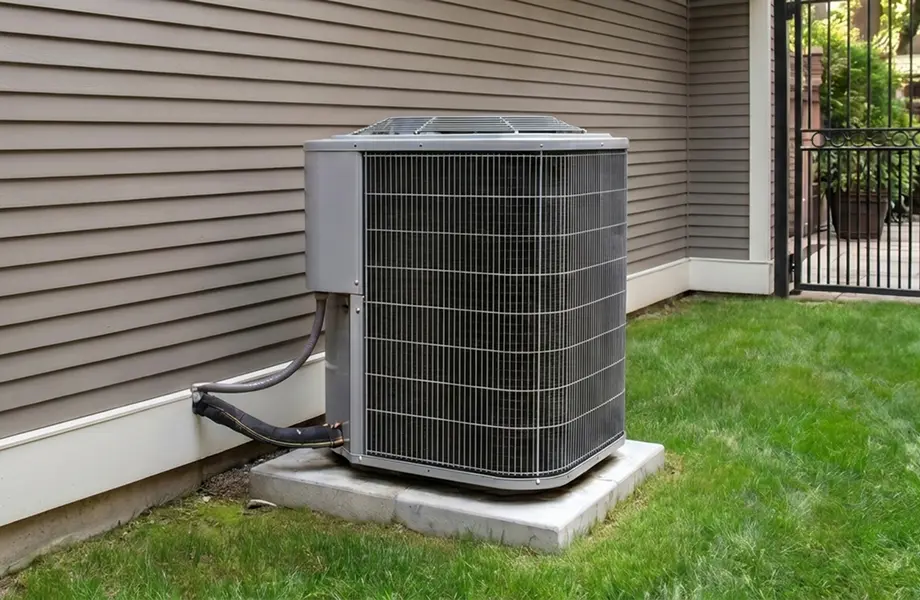


An AC installation cost is typically $3,397 - $12,695 in 2026, with many homeowners paying around $6,878 for a complete installation that includes equipment and standard labor.
Most full system installations and major replacements require permits and inspections. Skipping them can create safety and code issues, and it may complicate future resale, so confirm in writing who is pulling permits and scheduling inspections.
Central systems move cooled air through ductwork. Ductless mini-splits use one or more wall-mounted indoor units connected by small line sets, and they do not rely on traditional ducts.
This guide breaks down what drives pricing, including equipment size and efficiency, labor and permitting, ductwork or electrical upgrades, and local market conditions. You will also find budget vs. premium comparisons and hiring tips to help you request solid bids and avoid common pitfalls[1].
6 Factors That Affect the Cost of Air Conditioning Installation
Several variables influence how much an AC installation will cost. Use the factors below to spot what is likely to move your project toward the low or high end of the range.
- Home Size, Layout, and Insulation: Layout matters, since many rooms or tricky airflow paths can require additional design work. Better insulation can reduce cooling load and operating costs, and if improvements are completed before sizing, it may affect the size of the system you need[2].
- System Size and Load Calculations: Proper sizing helps prevent comfort problems and premature wear. Industry standards, including ACCA Manual J (load), Manual D (duct design), and Manual S (equipment selection), are commonly used to guide these calculations[3].
- Equipment Type and Efficiency: Entry-level split systems are often less expensive to install than higher-efficiency or multi-stage options. Variable-speed compressors can add complexity and cost. When estimating the residential AC installation cost, compare models with your expected energy use in mind.
- Ductwork Condition: Leaky, undersized, or damaged ducts can add labor and materials. If replacement is needed, full air duct replacement costs can significantly change the overall budget and timeline.
- Installation Complexity and Labor: Multi-story homes, tight crawlspaces, and difficult attic access typically take longer. Work in hot attics or cramped spaces may require additional safety steps and staffing, which increases labor costs.
- Permits, Local Codes, and Warranties: Permit requirements and inspection rules vary by area, and they may add fees or specific equipment requirements. Extended warranties, zoning systems, and upgraded controls increase upfront cost, but can add protection and comfort.
Split AC Installation Cost by Type
AC installation can mean anything from a full system install to a replacement or duct repair. Pricing depends on the scope of work and how much of your home needs to be updated for the new equipment to run safely and efficiently.
Some installs use heat pump systems that provide heating and cooling, which can affect equipment choices and labor planning[4]. Many homeowners also review overall HVAC prices before committing to a project.
| Type of Service | Cost | Features |
|---|---|---|
New Central Air Conditioning Installation | $4,996 - $11,892 | Full new central cooling system tied into existing ducts or bundled with basic new ducts for a whole-house solution. |
Split-System AC Installation | $5,739 - $12,739 | Conventional split central system installed where compatible ductwork already exists and minimal duct changes are needed. |
Mini-Split (Ductless) Installation | $3,397 - $12,695 | Ductless indoor heads paired with one or more outdoor units; can serve a single room, several zones, or even an entire small home. |
AC Replacement | $6,911 - $16,060 | Removes an old unit and installs a replacement, often required when efficiency drops or repairs become frequent. |
AC Upgrade or Retrofit | $1,188 - $5,657 | System improvements such as higher-efficiency components or updated controls. |
Thermostat or Control Installation | $188 - $875 | Installing a programmable or smart thermostat to improve temperature control and energy management. |
AC Ductwork Repair | $339 - $3,700 | Sealing, patching, or replacing damaged ducts to restore airflow and efficiency. |
Split-System Installation Costs
A split-system install pairs an outdoor condensing unit with an indoor air handler or coil, then connects it to your existing ductwork.
It is usually selected when ducts are already in place and in decent shape, so the quote is driven more by equipment and connections than by building new duct runs.
Costs range from $5,739 to $12,739, with an average of $8,978.
Key price drivers include capacity, efficiency, refrigerant line routing, and any duct modifications needed for proper airflow.
Central Air Conditioning Installation Costs
Central installs are designed for consistent, whole-home cooling. They often require closer attention to duct condition and overall airflow balancing.
Expect costs of $4,996 to $11,892, with an average of $8,466.
Pricing is influenced by home size, duct condition, condenser location, and whether electrical updates or permits are required. If your home does not have ductwork, duct design and installation can add significant labor and materials, and it can extend the timeline.
AC Replacement Costs
Replacement is commonly the right call when repairs are frequent or the unit can no longer deliver efficient performance. Many central AC systems have a typical service life of about 12-15 years, so systems near or past that range are often replaced instead of repaired.
AC replacement costs run from $6,911 to $16,060, averaging $10,535. Final pricing depends on equipment matching, removal of the old system, refrigerant handling, and any electrical or line-set updates needed to complete the install.
AC Ductwork Repair Costs
Duct repairs address leaks, disconnections, or damaged sections that reduce airflow and waste energy. Repair costs fall between $339 and $3,700, with an average of $1,192.
Cost typically depends on duct accessibility, the extent of damage, and whether sections need full replacement. Pricing can increase when crews must open finished ceilings or walls to reach duct runs, or when diagnostic work is needed to pinpoint the problem.
Thermostat Installation Costs
A programmable or smart thermostat can improve comfort and reduce unnecessary runtime, as long as it is compatible with your equipment.
Installation costs for thermostats range from $188 to $875, averaging $385.
Complexity depends on the thermostat type, wiring, and whether integration with smart home systems is required. Some systems, including many heat pump setups, benefit from controls that are designed to work with higher-efficiency operation[5].
Confirm compatibility for communicating systems, multi-stage equipment, and heat pumps to avoid comfort issues or improper operation.
AC Unit Installation Cost by Size
Similar to other home project costs, size affects material needs, labor time, and complexity. Cooling a single room is usually simpler than cooling an entire home, which may involve larger equipment, ductwork changes, or multiple indoor units.
Larger systems can require longer refrigerant runs, more electrical work, and more balancing and setup time. Improving insulation and sealing ducts can reduce the capacity needed and lower operating costs[6].
Single-Room or Window-Style Installations
Single-room cooling is often used for bedrooms, home offices, and additions. Options include window or through-the-wall units, or a single-zone ductless mini-split. Window units usually fit into an existing opening with minimal labor.
Cost: $827 - $4,303, Average: $1,886
Pricing depends on labor time, any local permit requirements, and whether a dedicated circuit is needed. Easy access keeps labor lower, while custom framing, reinforced mounting, or choosing a refrigerant-based mini-split typically raises the total.
Multi-Room Ductless or Zoned Solutions
Multi-room setups use multiple indoor heads connected to one outdoor unit, or sometimes multiple outdoor units. They are popular for finished basements, upstairs additions, or homes where adding ducts is not practical.
Cost: $6,503 - $18,925, Average: $10,535
Cost factors include the number of indoor units, refrigerant line length, mounting difficulty, and any electrical panel upgrades required.
Outdoor units have capacity limits, so expanding to more zones than one condenser can support may require additional equipment, which increases the total project cost.
Whole-House System
Whole-house installations aim to cool an entire home and often involve checking duct capacity, blower sizing, and thermostat zoning. A whole home AC installation usually includes a larger outdoor condenser and a compatible indoor coil, or multiple air handlers, depending on layout.
Cost: $9,014 - $25,957, Average: $14,353
Major cost drivers include ductwork repair or replacement, custom sheet-metal work, electrical service upgrades, and removal and disposal of old equipment. Available space in attics, basements, and mechanical rooms can also affect labor time and design options.
Central Forced-Air System Installation
In homes with existing ductwork, central forced-air installation ties a new condenser and evaporator coil into the current system and delivers cooled air through vents. These projects range from equipment-only swaps to more involved replacements.
Cost: $6,000 - $16,914, Average: $9,872
Duct condition, the need for new plenums or return paths, and access to the air handler and condenser location can change labor estimates. Zoning dampers and multi-stage thermostats add complexity and cost. This category generally applies when you already have ducts and are not adding extensive new runs.
Ductless Single-Split Units
Single-split systems are common for additions, garage conversions, or any space without duct access. They pair one outdoor condenser with one indoor unit and require a refrigerant line set, a condensate drain plan, and electrical work.
Cost: $3,389 - $9,876, Average: $5,704
Costs rise with longer line runs, difficult mounting locations, or the need to route tubing through finished walls. Contractor experience and warranty options can also affect quotes.
How Much Does AC Installation Cost by Region
Where you live affects pricing in 2026. Climate, permitting, and local labor markets all play a role, so it helps to compare bids with regional expectations in mind.
| Region | Cost | Description |
|---|---|---|
Northeast | $5,663 - $13,038 | Higher labor costs and stricter permitting in dense metropolitan areas raise average project costs. |
Midwest | $4,893 - $11,536 | Moderate demand and wide rural service areas can lower equipment and labor pricing but increase travel charges. |
South | $4,745 - $11,088 | Strong demand for cooling in hot climates increases sales volume, which can reduce unit costs, while high humidity and attic installs can raise labor needs and design complexity. |
West | $5,406 - $12,641 | Variable terrain and higher material costs near coastal cities influence prices and contractor availability. |
Ask for itemized bids that separate equipment, labor, and permit fees so you can compare scope line by line. Timing matters as well, since peak cooling season can stretch lead times and affect pricing.
Local wage levels and regional requirements influence HVAC labor rates, which can show up directly in your estimate[7]. Use this context when comparing quotes, especially if one bid is much lower than the others.
Cost to Install Air Conditioning Add-Ons
Add-ons increase comfort, performance, or convenience, but they also add cost. The list below covers common upgrades so you can decide what is worth including in your initial bid.
| Add-On | Cost | Details |
|---|---|---|
Smart Thermostat | $288 - $741 | Provides remote control, scheduling, and energy reporting; installing or integrating this device can overlap with thermostat installation costs for wiring or setup. |
Zoning System | $2,725 - $7,251 | Uses dampers and multiple thermostats to control temperatures in separate areas, improving comfort and reducing wasted runtime. |
UV Air Purifier | $590 - $1,806 | Mounted in the ductwork to shine UV light on coil and air-path surfaces to neutralize bacteria and mold. |
Electrostatic Filter | $375 - $1,152 | High-efficiency reusable filter that captures fine particles and lowers replacement frequency, but requires periodic cleaning. |
Surge Protector | $248 - $721 | Protects compressor and electronics from voltage spikes, a sensible choice in storm-prone regions. |
Condensate Pump | $389 - $1,198 | Pumps condensate when gravity drainage is not possible, preventing water backups and potential damage. |
Noise Reduction Barrier | $750 - $2,499 | Adds sound-absorbing materials or barriers around the outdoor unit to reduce operational noise for nearby living spaces. |
Add-on pricing varies by product, installation difficulty, and how much modification is needed. Regional labor rates and code requirements can also affect totals. Improvements that support airflow and sealing can reduce duct energy losses[8].
Retrofitting zoning into existing ductwork can be labor-intensive, since it may involve adding motorized dampers, new control wiring, and duct modifications in tight spaces.
UV systems are generally best treated as a supplement to filtration and humidity control, not a replacement. For outdoor noise barriers, maintain manufacturer-recommended clearances and airflow so performance is not compromised.
ROI of AC Installation
ROI depends on your upfront cost, efficiency improvements, and how much buyers value cooling in your market.
When comparing central air conditioning installation cost, consider energy use, comfort, and potential incentives that can reduce net cost. Some high-efficiency systems may qualify for federal credits, which can improve overall value for homeowners[9].
Key ROI Drivers
- Material Quality and Durability: Better components can reduce early failures and repair frequency.
- Energy Efficiency: Higher-efficiency systems can reduce electricity use, especially when paired with broader efficiency steps[10]. In some situations, the highest efficiency tier may provide diminishing returns, so compare life-cycle cost rather than focusing only on SEER.
- Professional Installation: Correct sizing, refrigerant charge, and duct sealing support expected performance.
- Market Demand: In hot climates, a dependable central system can improve resale appeal.
- Maintenance Requirements: Lower ongoing maintenance costs help preserve long-term value.
| Service | Estimated ROI | Details |
|---|---|---|
Basic Repair and Tune-Up | around 20-35% | Extends service life and improves efficiency modestly; lower cost but smaller resale impact. |
Full System Replacement | around 60-75% | New system restores reliability and is attractive to buyers, with solid energy and resale benefits. |
Energy-Efficient Upgrade | around 70-90% | High-SEER systems plus duct sealing or smart thermostats maximize utility savings and may qualify for incentives, raising net ROI. |
These ROI percentages are broad estimates, not guarantees. Actual results depend on local climate, utility rates, home condition, and installation quality. Comfort and reliability also matter, even when financial payback is slower.
For a clearer comparison between standard and ultra-high-efficiency options, ask your contractor or an energy auditor to walk through the life-cycle cost, including incentives, operating costs, and expected lifespan.
How Season Affects the Average Cost of AC Installation
Seasonality affects both pricing and scheduling. When contractors are busiest, quotes can be higher and start dates may be pushed out.
During slower seasons, you may have more flexibility and, in some cases, better pricing. For many homeowners, the AC installation price is more favorable outside peak summer demand.
| Season | Cost | Description |
|---|---|---|
Spring | $5,114 - $12,430 | Contractors ramp up for cooling season, so availability tightens late in spring and quoted start dates may be several weeks out. |
Summer (Peak Cooling) | $5,498 - $13,543 | Highest demand and fast response for emergency installs, which often raises labor rates and reduces flexibility. |
Peak Demand Period | $5,918 - $14,805 | Peak scheduling occurs in heat waves and extended warm spells, leading to premium pricing and limited same-week slots. |
Autumn | $4,940 - $11,735 | Cooler temperatures reduce demand, so contractors tend to offer better scheduling options and occasional discounts. |
Winter / Off-Season | $4,694 - $11,339 | Lowest demand in many regions, which can lower prices and shorten lead times, though cold climates may limit outdoor work and full cooling performance testing. |
During peak demand, overtime and urgent scheduling can increase the AC installation labor cost. In very cold weather, some performance testing may be limited, and final commissioning steps may be completed later when temperatures rise.
If your timeline is flexible, booking earlier can give you better scheduling options and more time to compare bids.
AC Installation Repair vs. Replacement Costs
Replacement means removing the existing system and installing a new one. Repair focuses on specific parts or failures to restore function. This cost comparison of AC installation summarizes the cost differences and practical trade-offs.
| Option | Cost | Considerations |
|---|---|---|
Replace | $6,911 - $16,060 | Full-system swap increases longevity and efficiency but has a higher upfront cost; best when the system is old or repairs are frequent. |
Repair | $190 - $690 | Targeted fixes cost less up front and suit isolated failures, though repeated repairs shorten useful life and may not improve efficiency. |
When to Choose Replacement
Replacement makes sense when the system is near the end of its expected life, repairs are becoming frequent, or multiple components are failing.
A new unit can improve reliability and efficiency, and some energy-efficient upgrades may qualify for federal tax credits[11].
Many homeowners use a practical threshold, such as replacing an older unit when a major repair is a large portion of the cost of a new system, particularly if the unit is already in the latter part of its typical 12-15 year lifespan.
When to Choose Repair
Repair can be the better fit for newer systems, isolated failures, and equipment still under warranty. Many homeowners compare expected repair totals against typical ranges shown in AC repair investments.
For qualifying households, government programs may also offer repair or energy-efficiency assistance[12]. If the unit is under warranty, use authorized or properly licensed contractors to help maintain coverage.
DIY vs. Professional AC Installation: What to Know
DIY work can look appealing on paper, but most AC installs involve electrical work, refrigerant handling, and permitting that are not a good fit for unlicensed work.
This section compares common tasks so you can decide what is realistic to do yourself and what should be handled by a professional.
Most central AC and heat pump installations, especially work that involves refrigerant piping or charging, are typically completed by licensed, EPA-certified technicians and may be illegal without proper credentials.

DIY AC work can quickly create safety and compliance issues. Handling refrigerant, electrical wiring, or heavy equipment without training increases the risk of leaks, electrical hazards, code violations, and voided warranties. In the U.S., refrigerant work typically requires EPA Section 608 certification, making most major AC tasks unsuitable for DIY.
Hiring a professional helps ensure proper system sizing, refrigerant charging, electrical work, and permits while protecting efficiency and warranties. Contractors can also identify issues like duct leaks or poor airflow that may increase operating costs. Verify licensing, insurance, and written estimates, and watch for common home improvement scam red flags[13].
As a general rule, homeowners can handle low-risk tasks like replacing compatible thermostats or changing filters. For anything involving refrigerant, new equipment, wiring, ductwork, or permits, hiring a licensed professional is usually the safer and more cost-effective choice.
If you suspect a refrigerant problem, compare repair options against replacement using home AC recharge costs. Leave all refrigerant handling to certified technicians.
How to Save on AC Installation
You can often reduce costs by tightening the scope, preparing your home, and comparing bids carefully. These steps help you control the budget without cutting corners on quality.
- Get a Detailed Written Estimate: Ask for a clear AC installation estimate that lists equipment, labor, warranties, permits, electrical work, and timeline.
- Verify Contractor Credentials: Confirm licensing, insurance, and references so work can pass inspection and meet local requirements.
- Improve the Building First: Air sealing and insulation upgrades completed before sizing can support a smaller, better-fitting system and improved comfort.
- Confirm Utility Rebates: Check state and local incentives before scheduling so you meet eligibility rules and paperwork requirements[14].
- Check Federal Tax Credits: Review available residential credits and keep the documentation you will need at filing time, including Form 5695 instructions[15].
- Schedule in Shoulder Seasons: If you can plan ahead, spring or autumn often offers better scheduling flexibility than peak summer.
- Bundle Related Work: Coordinating duct sealing, thermostat upgrades, or minor electrical prep in the same project can reduce repeat labor and delays.
- Confirm Electrical Capacity: Ask your contractor or a licensed electrician to verify panel capacity and required circuits, since electrical upgrades can significantly change cost and timing.
Smart planning reduces surprises and protects your investment. Connect through homeyou with local AC installation contractors to compare qualified pros and choose the right fit.
Frequently Asked Questions About AC Installation
A typical AC installation includes sizing the system, supplying and setting the indoor and outdoor units, connecting refrigerant lines and drains, tying into existing ductwork when applicable, electrical connections, startup and testing, and basic cleanup. Many projects also include permits and inspections, which should be clearly listed in the estimate.
Most straightforward replacements with existing ductwork take about one working day. More complex projects, such as adding new ducts, multi‑zone ductless systems, or major electrical upgrades, can take two to several days. Permits, inspections, and ordering special equipment can also extend the overall project timeline.
The lowest cost installations usually involve single‑room solutions, such as basic window units or small single‑zone ductless systems in spaces with easy access. Using existing ducts for a simple equipment swap is generally cheaper than installing all‑new ductwork or multi‑zone systems, as long as the ducts are in good condition.
Unexpected costs come from hidden duct damage, inadequate electrical capacity, or discovering that existing line sets or drain lines are unusable. Required permits, code upgrades, pad or platform work, or correcting previous improper installations can also add costs, so ask for itemized estimates and contingency notes in advance.
In many markets, especially warmer climates, a reliable central AC or well‑designed ductless system can improve comfort and buyer appeal. While it may not return every dollar spent, updated, efficient cooling often helps a home sell faster and can offer a solid portion of its cost back in resale value.
Ask about licensing, insurance, and references, and whether they perform a load calculation rather than sizing by rule of thumb. Request a written, itemized estimate, details on permits and inspections, warranty terms, brand and model being installed, and who will be on site doing the work each day.
Clear access to the indoor unit, electrical panel, and outdoor condenser area, including moving fragile items. Secure pets and plan for the system to be off during work. If ducts or attic spaces are involved, ensure access doors are unlocked and pathways are free of stored belongings and clutter.
References
[1] U.S. Department of Energy, "Consumer Guide to Home Heating and Cooling Fact Sheet", https://energy.gov/energysaver/consumer-guide-home-heating-and-cooling-fact-sheet.
[2] U.S. Department of Energy, "Consumer Guide to Home Insulation Fact Sheet", https://energy.gov/energysaver/consumer-guide-home-insulation-fact-sheet.
[3] Air Conditioning Contractors of America, "HVAC Industry Standards", https://acca.org/standards.
[4] U.S. Department of Energy, "Heat Pump Systems", https://energy.gov/energysaver/heat-pump-systems.
[5] ENERGY STAR, "Air-Source Heat Pumps", https://energystar.gov/products/air\_source\_heat\_pumps.
[6] U.S. Department of Energy, "Guide to Home Insulation", https://energy.gov/sites/prod/files/guide\_to\_home\_insulation.pdf.
[7] U.S. Bureau of Labor Statistics, "Occupational Employment and Wages Tables", https://www.bls.gov/oes/tables.htm.
[8] U.S. Department of Energy, "Minimizing Energy Losses in Ducts", https://energy.gov/energysaver/minimizing-energy-losses-ducts.
[9] U.S. Department of Energy, "Federal Tax Credits for Energy Efficiency", Energy Star, https://www.energystar.gov/about/federal-tax-credits.
[10] ENERGY STAR, "High-Efficiency Heating and Cooling", https://energystar.gov/newhomes/features-benefits/heating-cooling.
[11] Internal Revenue Service, "Energy Efficient Home Improvement Credit", https://irs.gov/credits-deductions/energy-efficient-home-improvement-credit.
[12] U.S. General Services Administration, "Home Repair and Energy Efficiency Assistance", USA gov, https://usa.gov/repairing-home.
[13] Federal Trade Commission, "How To Avoid a Home Improvement Scam", FTC Consumer Advice, https://consumer.ftc.gov/how-avoid-home-improvement-scam.
[14] Database of State Incentives for Renewables & Efficiency (DSIRE), "Utility Rebates for HVAC Systems", https://dsireusa.org.
[15] United States, Internal Revenue Service, "Instructions for Form 5695, Residential Energy Credits 2024", https://www.irs.gov/pub/irs-pdf/i5695.pdf.