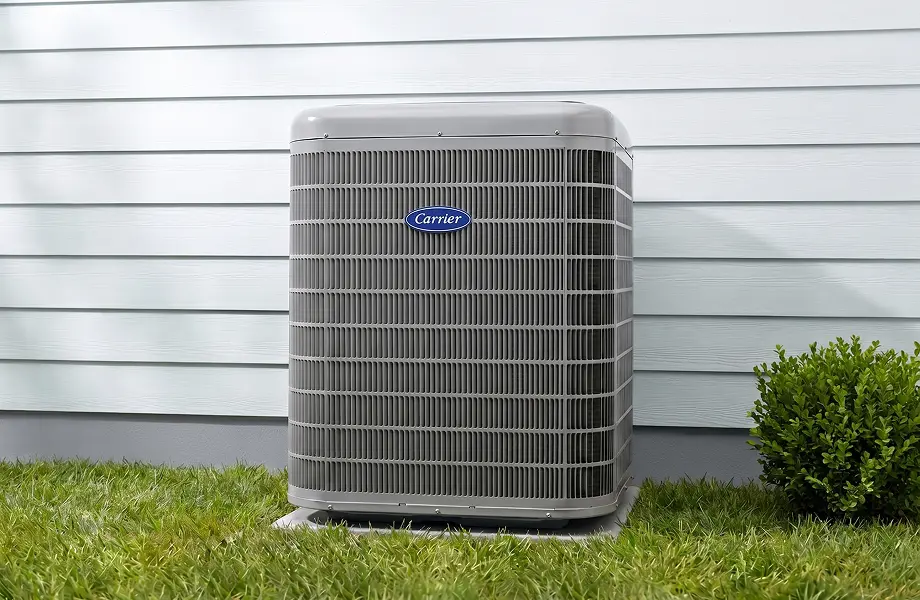


In 2026, a typical heat pump project can range from $7,876 to $15,441, with many installations landing near $11,332. This guide breaks down the main drivers behind heat pump installation cost and what you should expect when you start collecting estimates.
Below, you will find equipment and labor basics, cost drivers that commonly change bids, and practical hiring tips that help you compare proposals with less guesswork[1].
Average Heat Pump Installation Cost by Type
Heat pump work can mean a brand-new system, a replacement, or a smaller project like removal or repair. Costs change with scope, complexity, materials, and local labor rates, and some projects overlap with broader HVAC investments.
| Type of Service | Cost | Features |
|---|---|---|
Air-Source System Installation | $7,514 - $14,034 | Installation of a central air-source unit that uses outdoor air as the heat source. Often connects to existing ducts, with only minor duct adjustments included. Major duct changes are usually priced separately. |
Ground-Source System Installation | $19,037 - $36,135 | Ground loop excavation or drilling plus system hookup for homes that use earth-sourced heat. Typically more disruptive upfront, but efficient over the long term. |
Mini-Split Heat Pump Installation | $5,314 - $12,527 | Wall-mounted or ceiling cassette units installed without ductwork. Often used for additions, retrofits, or zoned comfort control. |
Whole-Home Heat Pump Installation | $7,876 - $15,441 | A complete whole-house system, ducted or multi-zone ductless, including sizing, placement, electrical hookup, and commissioning across primary living areas. |
Heat Pump Replacement | $7,022 - $14,034 | Removal of an existing unit and installation of a new one. Common when efficiency drops or repairs are no longer cost effective. |
Heat Pump Repair | $291 - $2,381 | Diagnostics and component repairs such as compressor, refrigerant, or controls. Cost depends on the failed part and ease of access. |
Heat Pump Removal | $693 - $1,798 | Safe disconnection and disposal of existing equipment to prepare for replacement or complete system removal. |
Air-Source Heat Pump Installation Costs
Air-source heat pumps are a common choice for many homes because they use outdoor air as the heat source. Typical projects range from $7,514 to $14,034, with an average of $10,398. Your final cost is usually shaped by system capacity, efficiency, ductwork needs, and climate, and ENERGY STAR guidance highlights the role efficiency plays when comparing models[2].
ENERGY STAR certification and published performance data can also matter when you are looking at incentives and expected operating costs[3]. If your home needs new ducts or significant duct changes, contractors typically price that work separately from the base equipment install.
Ground-Source Heat Pump Installation Costs
A ground source heat pump installation uses buried loops to move heat, which can provide stable performance over time. Costs typically run from $19,037 to $36,135, with an average of $27,777. Loop type, drilling or trenching difficulty, access for equipment, and soil conditions are usually the biggest price drivers.
Mini-Split Heat Pump Installation Costs
Mini-splits are popular when you want zoned comfort without ductwork, especially for additions or spaces that need separate temperature control. Expect $5,314 to $12,527, with an average of $8,780. The number of indoor heads, line-set routing, mounting location, and electrical work are common reasons one quote comes in higher than another. It can also help to compare mini-split installation costs while planning.
Heat Pump Replacement Costs
Replacement can be the better value when repair costs keep stacking up or when you want a more efficient system. Replacements typically range from $7,022 to $14,034, with an average of $10,227. Pricing often depends on removal and disposal, electrical or ductwork updates, refrigerant considerations, and the efficiency level of the new unit.
Heat Pump Installation Cost per Hour
Some parts of a heat pump job may be billed hourly, especially when the scope is uncertain, such as wiring changes, duct adjustments, troubleshooting, or change orders. Full installations are more commonly quoted as a fixed price, with labor included in the total.

When you review hourly pricing, ask what the rate includes. Subcontracted electrical work can affect the labor portion, since electrician pay and availability influence job costs in many markets[4].
Also, confirm whether the quoted heat pump installation labor cost is per technician or per crew, and whether travel time, disposal, and permit fees are billed separately.
For clearer comparisons, request a written estimate that separates labor, parts, and permits. A solid proposal typically includes a fixed price for the main install, plus clearly stated hourly rates for any additional work that is approved after the job begins.
6 Factors That Affect the Cost to Install a Heat Pump
Several variables can change what you pay, from the equipment you select to the work needed inside your home. If you are lining up multiple upgrades, you can also browse related data in the home services pricing directory.
- System Type: Central air-source, geothermal, and a ductless heat pump installation each come with different equipment needs and labor demands, and that shows up in the final bid.
- Size and Capacity: A heat pump should match your home's heating and cooling load. Oversizing can raise purchase costs and sometimes increases operating costs. Ask whether the contractor will run a formal load calculation, such as Manual J, and request a copy or summary with your proposal.
- Home Insulation and Heat Loss: If insulation is poor, your home may need more capacity to stay comfortable. Improving insulation can reduce heat loss and may allow a smaller system in some cases[5].
- Ductwork Condition: Leaky, undersized, or poorly routed ducts can increase labor and materials for sealing or modifications. Improving duct performance can support better overall system performance[6].
- Installation Complexity and Access: Long refrigerant runs, difficult access, roof or wall penetrations, or structural work can add labor time and materials. Electrical panel capacity also matters, since upgrades or additional circuits can increase the project total.
- Permits, Incentives, and Local Codes: Permit fees, inspections, and code requirements add upfront cost. Rebates or tax incentives may offset part of the purchase or installation. Licensed professionals should handle required permits and refrigerant and electrical work to support safety, warranties, and future resale.
Heat Pump Installation Cost By Size
Home size and system layout influence cost because larger or more complex installs usually require bigger equipment, more labor hours, and sometimes electrical or ductwork upgrades.
Ductwork and airflow also matter, and heat distribution choices can affect sizing and installation needs[7].
Single-Zone System (One Room or Addition)
A single-zone setup is designed for one room, such as a bedroom, home office, or modest addition. Many homeowners choose a mini split heat pump installation for this scope because it avoids ductwork and focuses comfort where it is needed.
- Cost Range: $3,908 - $7,816
- Average Cost: $5,545
Pricing often depends on indoor unit placement, line-set length, and whether a dedicated electrical circuit is needed. Easier wall access and a shorter route to the outdoor unit typically reduce labor.
Multi-Zone System (Two to Four Rooms)
Multi-zone systems connect several indoor units to one outdoor unit, letting you control temperatures by zone.
- Cost Range: $8,961 - $18,053
- Average Cost: $13,241
Costs usually rise with each additional indoor unit and with more complex routing through walls, attics, or crawlspaces. Commissioning and balancing multiple zones can also add time.
Whole-Home System (Ducted or Ductless for Entire House)
Whole-home installations can replace a central furnace and air conditioner, or they can become the primary heating and cooling system for the entire house. These jobs typically require careful sizing and may involve meaningful ductwork and electrical work.
In colder climates, the system may include electric resistance backup heat strips or a dual-fuel setup with a gas furnace, which adds equipment and wiring.
If new or modified ducts are part of your project, include air duct replacement expenses in your planning.
- Cost Range: $9,724 - $19,871
- Average Cost: $14,356
Larger equipment, longer duct runs or additional indoor units, and possible electrical service upgrades can all increase cost. Permits and full system testing also add to the total.
Auxiliary or Backup Unit (Supplemental Heating)
A smaller auxiliary unit is sometimes used to supplement an existing system during extreme cold or to heat a space like a workshop or garage.
- Cost Range: $2,903 - $5,917
- Average Cost: $4,189
A straightforward mount and short line set can keep labor lower. Integration with existing controls or added weatherproofing can raise the price.
Heat Pump for Addition (New Room or Expanded Space)
An addition may need its own dedicated unit or, in some cases, an extension of an existing system. Line-set length, electrical routing, and access for installation often drive labor time.
- Cost Range: $5,003 - $10,327
- Average Cost: $7,454
Structural penetrations, insulation quality in the new space, and routing constraints affect complexity. Matching capacity to the new area helps avoid comfort problems later.
Heat Pump Installation Cost Per Square Foot
Most contractors do not price heat pump installation strictly by square footage. They typically base bids on equipment size, load calculations, and a defined scope. Still, a per-square-foot view can help with early budgeting and comparing proposals.
When you review bids for residential heat pump installation, confirm what is included, especially permits, minor repairs, and old equipment removal.
| Service Type | Cost | Details |
|---|---|---|
Full Heat Pump System Installation | $4 - $8/square foot | Includes equipment, basic installation labor, refrigerant lines, and system startup. Higher-efficiency units can raise the per-square-foot figure. |
Air Source Heat Pump Installation | $4 - $8/square foot | Cost depends on unit capacity and installation complexity. Outdoor unit access and electrical upgrades can increase pricing. |
Mini Split Heat Pump Installation | $5 - $11/square foot | Multi-zone configurations often raise labor and materials per square foot due to additional indoor units and line sets. |
Ductwork for Heat Pump Installation | $7 - $18/square foot | New or modified ductwork adds framing, insulation, and balancing. Complex layouts often cost more per square foot. |
Replace Existing Heat Pump System | $4 - $8/square foot | Replacement may reduce some labor time, but costs can increase if electrical or refrigerant changes are needed. |
Remove Existing Heat Pump | $0.28 - $0.72/square foot | Covers disconnection, refrigerant recovery, and disposal. Hard-to-access units can increase per-square-foot removal costs. |
Licensed contractors size and install systems according to HVAC industry standards[8]. Meeting code, manufacturer requirements, and testing expectations can add labor time or materials, which affects the total.
Per-square-foot figures tend to rise when you need ductwork, longer line-set runs, structural openings, multiple indoor units, or electrical upgrades. Homes with compatible existing ducts and straightforward equipment placement often land on the lower end.
Heat Pump Installation Price by Region
Regional pricing reflects climate demands, local labor costs, permitting, and equipment availability. Broader market trends and policy shifts can influence heat pump adoption and availability, which may affect homeowner pricing over time[9]. When you compare the cost to install a heat pump, expect contractor experience, sizing decisions, and permit requirements to show up in the final bid.
| Region | Cost | Description |
|---|---|---|
Northeast | $8,911 - $17,450 | Colder winters can increase demand for cold-climate models and supplemental heating, which can raise equipment needs and installation complexity. |
Midwest | $7,715 - $14,948 | Wide temperature swings can drive more flexible designs, including cold-climate or dual-fuel approaches, depending on the home. |
South | $7,193 - $13,843 | Milder winters may allow simpler setups, but humidity concerns and older ductwork can add retrofit work. |
West | $8,157 - $16,043 | Climate variation, elevation, and local code requirements can increase permitting and equipment considerations in some areas. |
Incentives and utility programs can reduce net cost, so check state and local rebates early while you are budgeting[10].
ROI of Heat Pump Installation
ROI is a way to think about how upfront cost compares with potential long-term benefits in 2026, such as lower utility bills and stronger buyer appeal. Federal tax credits and other incentive programs can improve ROI for qualifying equipment and installations[11]. The ranges below are broad national estimates for comparison only, and real-world results depend on climate, energy prices, incentives, and home conditions.
Key ROI Drivers
- Material Quality and Durability: Higher-quality compressors, coils, and controls tend to hold efficiency longer, which can preserve value.
- Energy Efficiency: Higher-efficiency units can lower heating and cooling costs and may qualify for rebates or credits.
- Professional Installation: Correct sizing, refrigerant charge, and ductwork work can reduce performance problems and callbacks.
- Market Demand: In some markets, efficient HVAC is a stronger selling point than in others.
- Maintenance Requirements: Routine maintenance helps performance stay consistent over time.
Choosing a high-efficiency heat pump installation can improve savings and may help a project qualify for specific federal credits and state rebates[12].
| Service | Estimated ROI | Details |
|---|---|---|
Basic Replacement | around 50-60% | Replacing an older unit with a standard heat pump can reduce energy use, with modest resale recoupment in many markets. |
Standard Heat Pump Installation | approximately 65-75% | A typical upgrade paired with proper installation can deliver solid savings and good buyer appeal. |
High Efficiency Upgrade | around 70-85% | Higher-end units can offer stronger operating savings and may align better with incentive requirements. |
Whole-Home Conversion | around 60-80% | Converting from fossil fuel equipment can improve efficiency, but higher upfront cost affects payback timing. |
Treat ROI as directional, not guaranteed. Utility rates, installation quality, system sizing, and local incentives can significantly change outcomes. Comfort improvements and reduced emissions can also matter, even though they are not captured in resale-focused percentages.
Heat Pump Repair vs. Replacement Costs
Replacement removes the old unit and installs a new system. Repair focuses on specific components to restore performance. The right choice depends on the system's condition, expected remaining life, and how repair costs compare with the average heat pump installation.
| Option | Cost | Considerations |
|---|---|---|
Replace | $7,022 - $14,034 | Full-system replacement can improve efficiency and reliability, with higher upfront cost and updated warranty coverage. |
Repair | $291 - $2,381 | Repairs usually cost less upfront and can make sense for isolated issues, but repeat service can add up over time. |
When to Choose Replacement
Replacement is often considered when a system is near the end of its expected life, when several components have failed, or when you want a meaningful efficiency upgrade. If a major repair on an older unit approaches roughly one-third to one-half of the cost of a new system, or if repair bills over time begin to near half the replacement cost, many homeowners start requesting replacement quotes.
Some qualifying projects may also be eligible for residential energy tax credits, which can lower the net cost[13]. If your scope looks similar to a standard cooling swap, it can be useful to compare AC installation prices so you are comparing like-for-like work.
When to Choose Repair
Repair is often a better fit when the unit is relatively new, the problem is limited, and warranty coverage still applies. It can also be the practical choice when budget constraints make replacement unrealistic in the short term. A well-scoped repair can restore comfort and buy time while you plan for a future upgrade.
How to Save When Hiring a Heat Pump Installation Contractor
A little planning can lower project cost without cutting corners. Basic air sealing and insulation improvements can reduce heating and cooling demand, which may allow a smaller system or simpler design[14].
- Get Multiple Written Estimates: Request several bids and ask each contractor for a heat pump installation estimate that lists equipment, scope, and warranty details so comparisons are straightforward.
- Prioritize Right-Sized Equipment: Use a load calculation as the basis for sizing, since correct sizing supports comfort and reduces avoidable performance issues.
- Bundle Related Work: If you already plan a thermostat upgrade or minor duct sealing, combining tasks can reduce repeat labor and scheduling delays.
- Check Local Incentives: Look for utility rebates, tax credits, or assistance programs that support energy upgrades[15].
- Verify Licenses and References: Confirm licensing, insurance, and recent customer references. Also, confirm who pulls permits and how electrical panel capacity will be verified, since these details affect inspections and manufacturer requirements.
Connect with local home improvement contractors through homeyou to compare heat pump pro credentials, warranties, and references, so you can hire a reliable installer and feel confident in your final proposal.
Frequently Asked Questions About Heat Pump Installation
A standard installation usually covers equipment delivery, setting outdoor and indoor units, refrigerant line routing, basic electrical connections, condensate drainage, startup and testing, and a walkthrough of controls. Removal of old equipment, duct changes, and electrical panel upgrades are often itemized separately on the estimate.
Most single-system replacements take one full day. A new whole-home system, added ductwork, or multi-zone mini-split may take two to three days. Ground-source systems can extend longer because of drilling or trenching. Ask your contractor for a written schedule and how they handle unexpected delays.
Ask about licenses, insurance, brand certifications, and recent projects similar to your home. Request a load calculation, a detailed written scope, warranty terms, permit handling, and who performs electrical work. Clarify what is fixed-price versus hourly and how change orders and cleanup will be handled.
Common surprises include electrical panel upgrades, hidden duct problems, refrigerant line issues, structural repairs around penetrations, and permit or inspection fees. In older homes, asbestos or mold remediation can add cost. A thorough pre-installation inspection and a detailed estimate reduce these surprises.
Repair can make sense for newer systems with isolated issues, especially under warranty. Replacement is often wiser when the unit is older, unreliable, or when repairs approach a significant fraction of a new system. Efficiency upgrades and new warranties can improve comfort and lower long-term costs.
Proper sizing is based on a formal load calculation that considers square footage, insulation, windows, air leakage, and local climate. Reputable contractors use industry methods rather than rules of thumb. Ask them to share the calculation summary and explain how it guided the equipment recommendation.
Many buyers see modern, efficient HVAC as a selling point, especially in markets that value energy efficiency. A well-sized, professionally installed heat pump can improve comfort, lower operating costs, and make your listing more competitive, although resale value gains vary by region and housing market.
Improve air sealing and insulation, service or repair existing ducts, clear work areas, and ensure easy access to electrical panels and equipment locations. Gather multiple bids with comparable scopes, and check available incentives in advance so the system and documentation will meet program requirements.
References
[1] U.S. Department of Energy, "Heat Pump Systems", https://energy.gov/energysaver/heat-pump-systems.
[2] ENERGY STAR, "Air-Source Heat Pumps", https://energystar.gov/products/air\_source\_heat\_pumps.
[3] ENERGY STAR, "ENERGY STAR Certified Air-Source Heat Pumps", http://data.energystar.gov/Active-Specifications/ENERGY-STAR-Certified-Air-Source-Heat-Pumps/w7cv-9xjt/data%5Fpreview?%5Fgl=1%2A1qqng7q%2A%5Fga%2AMTYwMzEzMzM0NC4xNzUwNDI0MzQ3%2A%5Fga%5FS0KJTVVLQ6%2AczE3NTA0MjQzNDckbzEkZzEkdDE3NTA0MjUyNDgkajQkbDAkaDA.
[4] U.S. Bureau of Labor Statistics, "Occupational Outlook Handbook Electricians", https://www.bls.gov/ooh/construction-and-extraction/electricians.htm.
[5] U.S. Department of Energy, "Guide to Home Insulation", https://energy.gov/sites/prod/files/guide\_to\_home\_insulation.pdf.
[6] U.S. Department of Energy, "Minimizing Energy Losses in Ducts", https://energy.gov/energysaver/minimizing-energy-losses-ducts.
[7] U.S. Department of Energy, "Heat Distribution Systems", https://energy.gov/energysaver/heat-distribution-systems.
[8] Air Conditioning Contractors of America, "HVAC Industry Standards", https://acca.org/standards.
[9] International Energy Agency (IEA), "Heat Pumps Policy and Market Trends", https://iea.org/reports/heat-pumps.
[10] Database of State Incentives for Renewables & Efficiency (DSIRE), "Utility Rebates for HVAC Systems", https://dsireusa.org.
[11] U.S. Department of Energy, "Federal Tax Credits for Energy Efficiency", Energy Star, https://www.energystar.gov/about/federal-tax-credits.
[12] Internal Revenue Service, "Energy Efficient Home Improvement Credit", https://irs.gov/credits-deductions/energy-efficient-home-improvement-credit.
[13] United States, Internal Revenue Service, "Instructions for Form 5695, Residential Energy Credits 2024", https://www.irs.gov/pub/irs-pdf/i5695.pdf.
[14] U.S. Environmental Protection Agency, "Identifying Greener Insulation", https://epa.gov/greenerproducts/identifying-greener-insulation.
[15] U.S. General Services Administration, "Home Repair and Energy Efficiency Assistance", USA gov, https://usa.gov/repairing-home.