

In 2026, stone paver pricing depends heavily on the paver you choose and how much groundwork the site needs. Your paver installation cost will usually fall between $3,642 and $15,876, with many projects landing near $8,124.
These ranges reflect current market conditions and resource-conscious landscaping practices[1]. Below, you will find the biggest material and labor cost drivers, plus guidance for comparing bids and choosing a contractor with confidence.
Stone Pavers Cost by Material
Material choice affects the look, upkeep, and how the surface holds up over time. In general, denser stones can be very durable, but they may require more cutting and more careful base preparation. Manufactured pavers tend to be more uniform, which can simplify layout and future replacements.
Before you compare price ranges, think through:
- The finish and color you want
- Exposure to freeze-thaw cycles
- The amount of grading and drainage work your yard needs
| Item | Cost | Description |
|---|---|---|
Concrete Paver | $13 - $22 | Manufactured for uniform size and color, often used for driveways and patios. Homeowners ask about concrete paver cost when comparing value and ease of installation. |
Brick Paver | $15 - $25 | Fired-clay pavers offer a classic look and good compressive strength. Searches for brick paver cost reflect interest in durability and traditional aesthetics. |
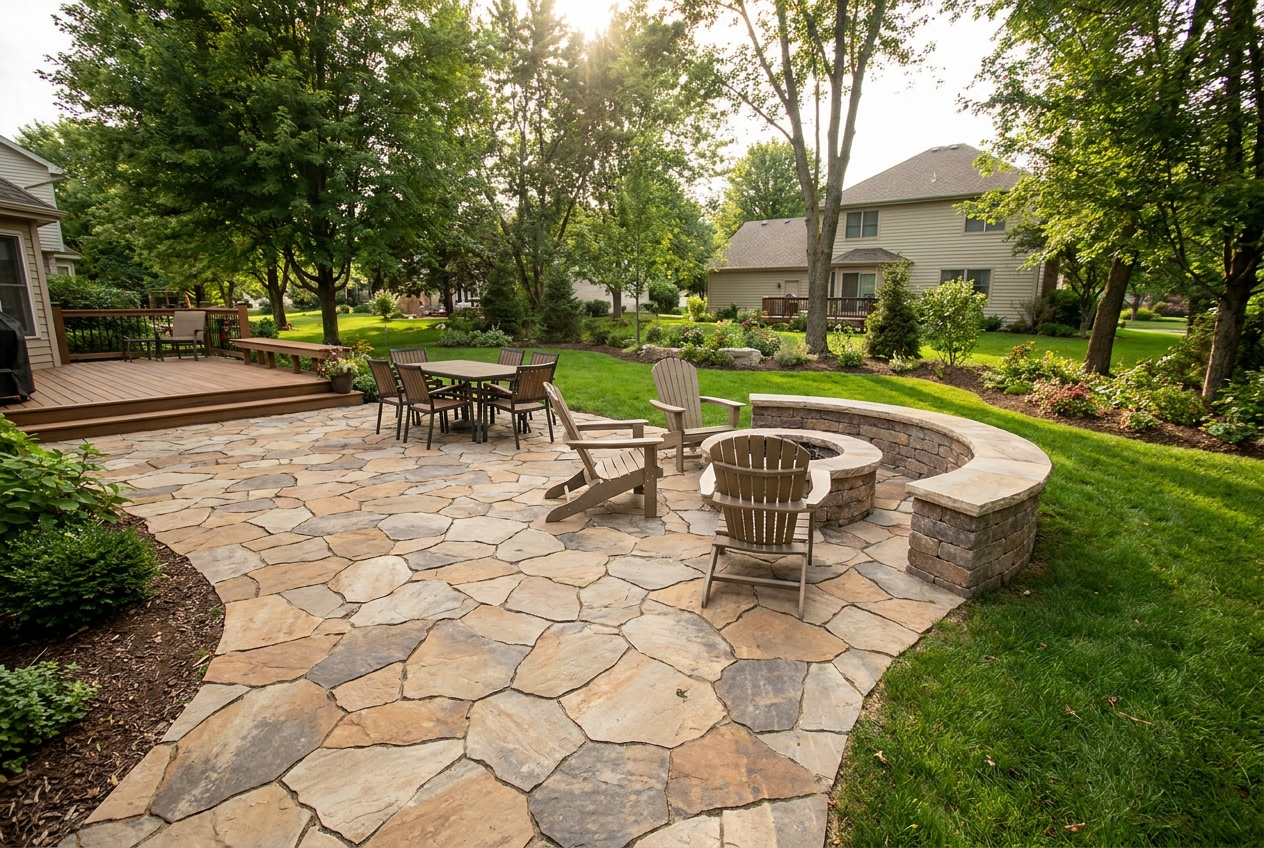
Natural Stone Paver | $19 - $34 | Cut from quarried stone like slate or granite, these vary in color and texture. They are prized for unique appearance and long service life. |
Porcelain Paver | $20 - $35 | Dense, low-porosity tiles that resist staining and fading, suitable for patios and pool surrounds where slip resistance matters; use only porcelain rated for exterior use with appropriate slip resistance. |
Cobblestone Paver | $25 - $41 | Irregular, heavy stones that create an old-world look. Installation is labor intensive but results in exceptional longevity. |
Bluestone Paver | $22 - $35 | Bluestone provides a rich blue-gray color and a relatively flat, refined surface with natural texture for traction. It is a popular choice for patios and walkways seeking a high-end finish. |
Travertine Paver | $21 - $36 | Porous, warm-toned limestone often used around pools because it stays cool underfoot; sealing reduces staining and maintenance. |
Material pricing reflects quarrying or manufacturing costs, regional availability, and how much cutting or finishing the project requires. Base preparation, drainage work, and properly compacted bedding are common reasons quotes rise, and solid foundation work is central to long-term stability[2]. Most systems use a compacted crushed-stone or processed-gravel base with a sand, or similar, bedding layer. Rounded pea gravel is typically used for specific drainage details or adjacent landscape areas, not as the main structural base. If it is part of your plan, local pea gravel prices can still affect your overall budget.
Your climate and site exposure also matter. Weather cycles, including freeze-thaw conditions and expected traffic, influence which materials make the most sense and what kind of maintenance to plan for[3].
Cost to Install Pavers by Type of Stone Paver Project
Stone paver work can mean a full new installation or smaller services like repairs, cleaning, and sealing. Costs change with scope, material choice, access, and how much base work the surface needs. Scheduling pressure and job complexity can also affect the final number.
| Type of Service | Cost | Features |
|---|---|---|
Stone Paver Installation | $3,642 - $15,876 | Full installation of new patios, driveways, or walkways, including base prep and setting pavers; complexity rises with patterns and edge treatments. |
Paver Replacement | $942 - $4,388 | Removing and replacing damaged or settled sections while matching existing layout and materials; may include base repairs. |
Paver Repair | $386 - $1,768 | Local fixes such as resetting, filling joints, and replacing a few pavers to correct tripping hazards or sinking areas. |
Paver Cleaning | $418 - $1,286 | Pressure washing, stain removal, and moss or weed treatment to restore surface appearance and slip resistance. |
Paver Sealing | $336 - $1,284 | Applying sealant to protect color and reduce staining; frequency depends on exposure and product choice. |
Paver Restoration | $1,186 - $4,562 | Comprehensive work to return aged or heavily stained pavers to like-new condition, often combining cleaning, repair, and sealing. |
Paver Inspection | $139 - $358 | Assessment of base condition, drainage, and stability, with recommendations and cost estimates for further work. |
Installation Costs
A standard installation typically includes excavation, a compacted base, edging, and setting the pavers for a patio, driveway, or walkway. Many installs fall between $3,642 and $15,876, with an average around $8,124. Material type, layout pattern, and access for equipment tend to drive the biggest differences. If the project ties into broader landscaping projects, plan for additional design time and coordination.
Replacement Costs
Replacement usually involves lifting existing pavers, correcting base problems, and installing new units. Expect costs to range from $942 to $4,388, with an average near $2,246. Matching older materials, fixing a damaged base, and working around utilities can push pricing up. For driveways especially, check your paver driveway cost early so you can budget for base depth and edge restraints.
Repair Costs
Repairs often include resetting uneven pavers, regrading small sections of base, and refilling joints to reduce movement and tripping risk. Typical repair pricing runs from $386 to $1,768, averaging $884. The root cause matters, including drainage issues and subbase failure. If the area needs accessibility improvements, the design may need adjustments for safer, more comfortable use[4].
Sealing Costs
Sealing can help with staining, UV fading, and weather exposure, and it is often scheduled after cleaning or restoration. Sealing commonly costs $336 to $1,284, with an average of $694. Pricing depends on the sealer, the paver's porosity, and how much surface prep is needed. If you are budgeting a patio, factor sealing into your long-term maintenance plan for a paver patio cost.
Paver Cost Per Square Foot for Stone Pavers
Many contractors price paver work per square foot because it gives a consistent way to bundle materials, labor, and standard site work into one unit you can compare across bids. A per-square-foot price commonly includes the pavers, basic base materials, installation labor, and routine cutting and edging.
This approach also makes it easier for contractors to adjust pricing when a design calls for more cutting, heavier base work, or harder access, which is consistent with common estimating practices[5].
| Service Type | Cost | Details |
|---|---|---|
Paver Installation | $16 - $32 | Cost reflects new pavers, base prep, labor, and standard jointing. Pattern complexity and paver quality raise the per-square-foot rate. |
Paver Replacement | $11 - $27 | Replacing worn or damaged pavers includes removal, matching materials, and resetting adjacent units; matching rare pavers increases cost. |
Paver Repair | $7 - $19 | Localized repairs cover lifting, re-leveling, and joint repair. Extensive settling or subbase failure drives prices higher. |
Paver Cleaning | $2 - $4 | Cleaning ranges from pressure washing to deep stain removal; severe staining or biological growth requires more time and chemicals. |
Paver Sealing | $1 - $3 | Sealing protects color and joints and varies by sealer type, number of coats, and surface preparation needs. |
Paver Removal | $2 - $7 | Removal includes labor to lift and dispose of pavers and old base; easier access and reusable pavers lower the per-square-foot fee. |
Per-square-foot pricing changes most due to:
- Material grade and thickness
- Pattern complexity and cutting time
- Subbase condition and required drainage fixes
- Existing surface removal and disposal
- Access for equipment and staging materials
For broader budgeting, the site's project cost estimates can help you compare other outdoor hardscaping and maintenance categories.
Stone Pavers Cost By Size
Size and layout have a major impact on pricing in 2026. More square footage means more materials, excavation, and base layers. Complex shapes can increase labor time, even for smaller areas.
Bigger layouts can also raise per-unit costs when grading, setbacks, or drainage corrections are needed. Planning tools can help you map the layout, estimate materials, and reduce waste before installation begins[6].
Narrow Walkway or Garden Path
A typical path is often 3 to 4 feet wide and runs 10 to 50 feet, connecting entrances or garden areas. These runs use less material but still require edge restraints and careful jointing, especially on curves.
- Cost Range: $1,684 - $6,128
- Average Cost: $3,246
Curves, steps, and tight access increase handwork and labor time. Good compaction and drainage prep remain critical, even on narrow projects.
Small Patio For Dining Or Seating
Small patios often measure about 8x10 to 12x12 feet and are sized for a table and chairs. Typical scope includes base layers, setting pavers, and perimeter edging.
- Cost Range: $1,538 - $4,220
- Average Cost: $2,441
Site slope, pattern complexity, and stone type influence labor and cutting. Utility lines for future grills or outdoor kitchens can add coordination and cost.
Pool Deck Or Outdoor Entertaining Area
Pool decks and entertaining areas often run 200 to 600 square feet. They usually need slip-resistant surfaces, consistent drainage slope, and clean tie-ins to coping.
- Cost Range: $6,248 - $21,874
- Average Cost: $11,836
Work around an existing pool can require careful sequencing. Grading tolerances are often tighter, which can increase labor time.
Driveway Replacement Or New Driveway
Driveways range from single-car to two-car widths and require a stronger base to handle vehicle loads. Typical projects include excavation, subbase installation, and thorough mechanical compaction before paver installation, rather than relying on long natural settling periods.
- Cost Range: $9,486 - $26,418
- Average Cost: $16,284
Soil conditions and base depth drive major cost differences. Edge restraints and curb connections also add labor and materials, especially on steep or long driveways.
Entire Yard Or Large Landscape Hardscape
Large hardscapes can combine patios, paths, and driveways across a yard, sometimes with terraces, grading, or retaining elements. These projects require more planning, staging, and coordination.
- Cost Range: $18,844 - $54,826
- Average Cost: $32,762
Project access, drainage design, and added features often determine the timeline. Bulk purchasing can reduce per-unit material costs, but labor and equipment needs can still be substantial.
6 Factors That Affect the Paver Cost
Stone paver pricing comes down to a few practical decisions and site conditions. Review these factors when you are planning your budget and comparing bids.
- Material Type: Natural stone, manufactured concrete pavers, and cobblestone vary in cost, durability, and maintenance needs.
- Paver Size and Pattern: More cuts and intricate patterns increase time and waste. Large-format pavers can install faster in simple layouts, but they often need a flatter, well-prepared base.
- Base Material and Drainage: Base depth, base type, and any drainage additions affect excavation and material quantities. A solid base also helps reduce future settling.
- Site Preparation and Grading: Demo, soil removal, root clearing, and slope corrections add labor and disposal fees.
- Labor and Installation Complexity: Curves, tight joints, borders, and detailed patterns require more skilled labor.
- Additional Features and Edge Restraints: Steps, lighting, borders, and edge restraints add both materials and installation time.
If the layout involves meaningful elevation changes, pavers are often paired with retaining structures. For planning, it can help to budget related work such as retaining wall costs at the same time. Permeable pavers and properly engineered bases can also reduce runoff and support durable, sustainable landscape construction[7]. Before changing driveway grades or drainage patterns, check permit requirements and HOA rules that may affect design and scheduling.
Stone Pavers Repair vs. Replacement Costs
Repairs focus on fixing localized issues like settling, loose pavers, or joint problems. Replacement means removing existing pavers and installing new ones. The right choice depends on how widespread the issue is and whether the base remains sound.
| Option | Cost | Considerations |
|---|---|---|
Replace | $942 - $4,388 | Full replacement restores uniform appearance and longevity, but has higher upfront cost and more disruption. New installation often adds long-term value and may include warranties. |
Repair | $386 - $1,768 | Repairs address localized issues at lower cost and with less work, but may not solve widespread wear. Best for isolated damage or cosmetic fixes and when the base remains sound. |
When to Choose Replacement
Replacement is more likely to make sense when multiple areas are failing, the base is compromised, or the surface has recurring drainage issues. If repair costs keep stacking up, and they approach about half the replacement cost, replacement often delivers better long-term value. In high-traffic areas or near pools, a full rebuild can also help address safety and drainage concerns[8]. If an inspection points to undersized base layers, poor compaction, or chronic water problems, removing and rebuilding the base can be more cost-effective than repeating surface-level fixes.
When to Choose Repair
Repair is usually the better fit for small, isolated problems such as a few cracked pavers, minor settling, or staining. It is also a practical approach when the installation is relatively new, still under warranty, or when a full replacement does not fit the budget. Targeted repairs can restore function and appearance with less disruption.
Stone Pavers ROI
Stone pavers can add value when they improve curb appeal and outdoor usability. ROI is influenced by resale expectations, maintenance demands, and how well the installation performs over time. Federal tax credits rarely apply directly to hardscaping, but some areas offer local incentives tied to stormwater or green-infrastructure improvements.
Key ROI Drivers
- Material Quality And Durability: Higher-grade stone and well-maintained surfaces hold up better and can reduce repair frequency.
- Professional Installation: Strong base preparation and good jointing help prevent settling and rework.
- Market Demand: Buyer preferences vary by neighborhood, and outdoor living features can influence perceived value[9].
- Maintenance Requirements: Lower-maintenance layouts and sealed surfaces can reduce ongoing costs.
- Curb Appeal And Aesthetics: A well-designed patio, walkway, or driveway can strengthen first impressions during showings[10].
| Service | Estimated ROI | Details |
|---|---|---|
Basic Repair | around 40-50% | Fixes like resetting or replacing a small area extend life but deliver modest resale impact. |
Standard Installation | approximately 60-70% | New patios or walkways with quality materials and proper base work appeal broadly to buyers. |
Premium Upgrade | around 70-80% | High-end natural stone, custom patterns, and integrated lighting increase curb appeal and durability. |
Permeable Paver Installation | approximately 65-75% | Improves stormwater management and may qualify for local credits, appealing to eco-conscious buyers. |
Treat ROI figures as directional rather than guaranteed. Your local market, the home's value range, and workmanship quality will influence results. Day-to-day enjoyment and improved function also matter, even if resale timing is years away.
Add-Ons for Stone Pavers
Add-ons are optional upgrades that expand a basic paver install. They can improve function, durability, or appearance, and they increase the overall price. Use the table below to weigh common upgrades against your goals and your hardscape investment.
| Add-On | Cost | Details |
|---|---|---|
Edging Installation | $286 - $1,184 | Solid edge treatments keep pavers square and prevent shifting. Good for high-traffic areas and lawn transitions. |
Polymeric Sand Application | $214 - $918 | Polymer sand locks joints against erosion and insects, improving longevity and reducing maintenance. |
Weed Barrier Installation | $196 - $842 | In some cases a geotextile is placed at the soil-subbase interface to separate soft soils from the base. Joint treatments like polymeric sand and regular cleaning do more to limit weeds between pavers. |
Drainage System | $864 - $3,824 | Subsurface drains or channel drains prevent pooling and protect the base from water damage. |
Steps Construction | $1,426 - $5,846 | Built-in stone steps create level changes and improve access, often requiring additional footing work. |
Embedded Lighting | $1,188 - $4,822 | Low-voltage fixtures set into pavers enhance safety and ambiance, adding electrical labor costs. |
Ornamental Border | $342 - $1,488 | Decorative trim or accent courses frame the patio and raise curb appeal, often using different materials. |
Material selection and detailing affect both price and maintenance. Nearby planting choices can also change edge treatments and finish details, especially where roots, irrigation, or groundcover meet the paver field[11]. If a geotextile or separation fabric is used, it should be selected and installed based on professional or manufacturer guidance. Its main role is separating soil and base layers, not making joints weed-proof.
If work is planned near large trees, roots can complicate excavation and long-term stability. For mature trees or sensitive sites, a qualified arborist can help evaluate risks and appropriate protection steps[12].
How Season Affects Stone Pavers Cost
Timing can affect both price and scheduling. In 2026, demand, crew availability, and weather conditions often influence how quickly work can start and what contractors charge. Permitting windows and municipal schedules may also play a role[13].
| Season | Cost | Description |
|---|---|---|
Spring | $3,786 - $16,144 | Many homeowners schedule projects, so availability tightens and prices often rise. Rain delays are possible in some regions. |
Summer | $3,894 - $16,682 | Peak construction season in many areas, higher labor rates, and faster turnaround when weather is dry. |
Autumn | $3,498 - $15,118 | Demand eases after peak, but cooler temperatures can shorten daily work windows. Good time for mid-price scheduling. |
Winter | $3,562 - $16,362 | In cold climates installations may be delayed or require special prep, increasing costs. Mild regions often see discounts. |
Off Season | $3,328 - $14,362 | Contractors have more open dates and may offer lower rates, but weather and material delivery can still cause interruptions. |
Seasonal shifts happen largely because labor demand rises in busy months, which can push up rates and premiums for faster start dates. Weather also affects cost when site conditions require extra prep. Many contractors avoid installing base layers on frozen, saturated, or very soft subgrades because compaction suffers and long-term settling becomes more likely.
DIY vs. Professional Stone Pavers Costs
DIY can look cheaper on paper, but it can require more time, tool rentals, and rework than many homeowners expect. Hiring a professional costs more upfront, but it can reduce risk, especially on jobs that depend on correct grading and compaction.

DIY Risks, Challenges, and Limitations
DIY paver installation often runs $1,486 to $6,214, compared with $3,642 to $15,876 for a professional crew. The most common DIY problems come from underestimating base preparation and drainage. If compaction or slope is off, pavers can shift, rock, or settle unevenly. DIY projects can also run long due to material hauling, tool learning curves, and extra trips for forgotten supplies.
Physical demands are another factor. Excavation, moving base material, and repeated compaction are strenuous, and injuries are possible without the right tools and technique. Depending on your area, permit or code issues can also lead to rework.
Professional Advantages and How to Choose
Pros are set up to handle grading, base layering, and compaction efficiently. They also have the tools for cutting, leveling, and moving materials safely and quickly. When permits or inspections are required, many contractors can coordinate that process as part of the job.
Some contractors also offer a workmanship warranty for a set period, which can be useful if pavers settle or joint material erodes sooner than expected.
DIY is best reserved for smaller, low-risk areas if you have time, proper tools, and confidence in grading and drainage. Sealing and light cleaning are also more approachable DIY tasks.
Professional installation is the safer choice for driveways, large patios, complex slopes, or any job where longevity is the priority. If you want fewer surprises after the first winter, paying for skilled base work often costs less than repeating repairs.
Stone Pavers Cost Per Hour
Hourly rates apply when labor is billed by time instead of by square footage or a fixed bid. Hourly work typically covers excavation, setting and cutting pavers, cleanup, and smaller troubleshooting tasks. Rates vary by crew experience and location.

Installation labor typically runs $82 to $146 per hour, with repair and cleaning work often priced a bit lower. Hourly costs are often higher for steep grades, difficult access, and layouts with lots of cutting. Labor pricing tends to track broader wage patterns reported for landscaping and groundskeeping roles[14]. When you compare proposals, review the paver labor cost line closely so you understand what is labor, what is equipment time, and what is billed separately. Hourly billing is most common for repairs or uncertain-scope work. Full installations are usually priced per square foot or as a fixed bid to make totals easier to compare.
How Much Do Pavers Cost by State
State pricing varies due to labor markets, contractor availability, and material delivery distances. Local regulations and site conditions, including soil behavior, can also affect base design and installation requirements[15].
| State | Cost | Details |
|---|---|---|
California | $4,468 - $18,462 | Labor and subcontractor costs are typically higher in urban areas, while long material supply chains and permit requirements push prices up in coastal and high-cost regions. |
Texas | $3,384 - $14,196 | Large state with varied labor markets; high demand in fast-growing metro areas increases prices, while rural regions tend to be more affordable. |
Florida | $3,764 - $15,828 | Climate and hurricane-related standards can require sturdier installation methods, and seasonal demand for outdoor projects raises peak-season pricing. |
New York | $4,326 - $17,986 | Urban projects often incur higher labor and permit costs, while upstate areas may see lower rates and differing material availability. |
Illinois | $3,526 - $15,144 | Chicago area has higher labor and permit costs, while smaller towns benefit from lower labor rates; freeze-thaw cycles affect material choices. |
Washington | $3,926 - $16,724 | Pacific Northwest demand and material sourcing impact cost, and rainy season timing can change scheduling and labor availability. |
Virginia | $3,588 - $15,394 | Proximity to major population centers raises labor rates, and regional styles or historical district rules can increase installation complexity. |
Use state ranges as a starting point, not a final quote. The site conditions, chosen material, and contractor approach will determine what you actually pay. For the most accurate number, get multiple in-person bids with itemized scope.
How to Save on Stone Pavers
You can often reduce costs without cutting corners on base work or drainage. The biggest savings usually come from planning, simplifying the layout, and getting clear bids.
- Plan The Layout And Materials: Finalize the footprint and choose locally available sizes to reduce waste and simplify installation.
- Reclaim Or Reuse Existing Pavers: Salvage sound pavers, borders, or base material when they can be reused without compromising stability.
- Handle Low Risk Prep Tasks Yourself: Consider demolition, vegetation removal, or material staging when it is safe, then leave grading and compaction to professionals.
- Request Multiple Detailed Bids: Ask for itemized proposals that list materials, base depth, labor scope, and timeline.
- Schedule Strategically And Bundle Work: Combine a patio and walkway, or coordinate with nearby projects, to improve crew efficiency and scheduling.
Connect with reliable stone paver contractors through homeyou to compare vetted pros, confirm timelines, and choose a contractor who balances quality and value for lasting results.
Frequently Asked Questions About Stone Pavers
Ask about their experience with projects similar to yours, base depth and materials they use, drainage strategy, and whether they follow manufacturer or industry standards. Request references, photos, proof of insurance, a written warranty, and an itemized bid that separates materials, labor, and any prep or demolition work.
The best material depends on use and climate. Concrete and brick pavers work well for driveways and patios. Natural stone, bluestone, and travertine suit upscale patios and pool areas. In freeze-thaw regions, choose dense, exterior-rated products and ask installers which materials perform best locally.
Stone and paver surfaces require a well-built base or they may settle and shift. Joints can grow weeds or lose sand without maintenance. Installation is labor intensive, especially with complex patterns. In cold climates, de-icing salts can damage some materials, so product selection and care matter.
Quality paver patios, walkways, and driveways often improve curb appeal and outdoor usability, which can support resale value. Buyers tend to appreciate low-maintenance, well-designed outdoor spaces. Value depends on local market expectations, workmanship, and how well the design fits the home and neighborhood.
Surprises often include deeper excavation for soft soils, extra base material, drainage additions, root or utility conflicts, and correcting poor existing work. Access issues, permits, and changes to the layout or pattern can also raise the price, so allow contingency room in your budget.
A small walkway or patio may take a few days from excavation through cleanup, while large patios, pool decks, or driveways can run a week or longer. Timeline depends on weather, site access, drainage work, and pattern complexity. Sealing, if planned, may be scheduled after the surface cures.
Repair is usually best for limited settling, a few cracked pavers, or cosmetic issues when the base is still solid. Replacement makes more sense when many areas are failing, drainage is poor, or the base was built incorrectly. A professional inspection can help you decide with confidence.
Handy homeowners sometimes DIY small, simple patios or paths, especially on flat sites. However, driveways, sloped areas, or large entertaining spaces benefit from professional grading, compaction, and drainage expertise. Improper base work is hard to fix later, so consider a pro for complex or high-traffic areas.
References
[1] United States Environmental Protection Agency, "Resource Conserving Landscaping", https://archive.epa.gov/.
[2] U.S. Department of Housing and Urban Development, "The Rehab Guide Foundations", https://huduser.gov/publications/pdf/foundations.pdf.
[3] U.S. Department of Housing and Urban Development, "Durability by Design A Guide for Residential Builders and Designers", https://huduser.gov/portal/sites/default/files/pdf/Guide-Durability-by-Design.pdf.
[4] "Residential Remodeling and Universal Design Making Homes More Comfortable and Accessible", HUD USER, https://huduser.gov/portal/publications/destech/resid.html.
[5] Abbott, Richard, and Kenneth Miller, "Estimating and Pricing Tree Care Jobs", Arboriculture & Urban Forestry, https://doi.org/10.48044/jauf.1987.025.
[6] Hansen, Gail, et al, "Landscape Design Software: Evaluation and Recommendations for Homeowners", EDIS, https://doi.org/10.32473/edis-ep526-2015.
[7] Sorvig, Kim, and J. William Thompson, "Sustainable Landscape Construction", https://doi.org/10.5822/978-1-61091-811-4.
[8] Perkins Philip H, "Swimming Pools", https://doi.org/10.4324/9780203477885.
[9] Rosiers, François D., et al, "Landscaping Attributes and Property Buyers' Profiles Their Joint Effect on House Prices", Housing Studies, https://doi.org/10.1080/02673030701608183.
[10] Anderson, L. M. and H. K. Cordell, "Residential Property Values Improved by Landscaping With Trees", Southern Journal of Applied Forestry, https://doi.org/10.1093/sjaf/9.3.162.
[11] Irish, Mary, and Gary Irish, "Agaves, Yuccas, and Related Plants A Gardener's Guide", Choice Reviews Online, https://doi.org/10.5860/choice.38-1563.
[12] International Society of Arboriculture, "ISA Certified Arborist", https://isa-arbor.com/credentials/types-of-credentials/isa-certified-arborist.
[13] O'Brien, Patrick, et al, "Performance Standards for Municipal Tree Maintenance", Arboriculture & Urban Forestry, https://doi.org/10.48044/jauf.1992.059.
[14] Bureau of Labor Statistics, "Landscaping and Groundskeeping Workers", https://bls.gov/oes/2022/may/oes373011.htm.
[15] A. Eastwood, David, "RECOMMENDED GUIDELINES FOR DESIGN AND CONSTRUCTION OF INGROUND SWIMMING POOLS IN HOUSTON, TEXAS", GEOTECH ENGINEERING and TESTING, https://foundationperformance.org/pastpresentations/EastwoodPresPaper-12Sep07.pdf.