
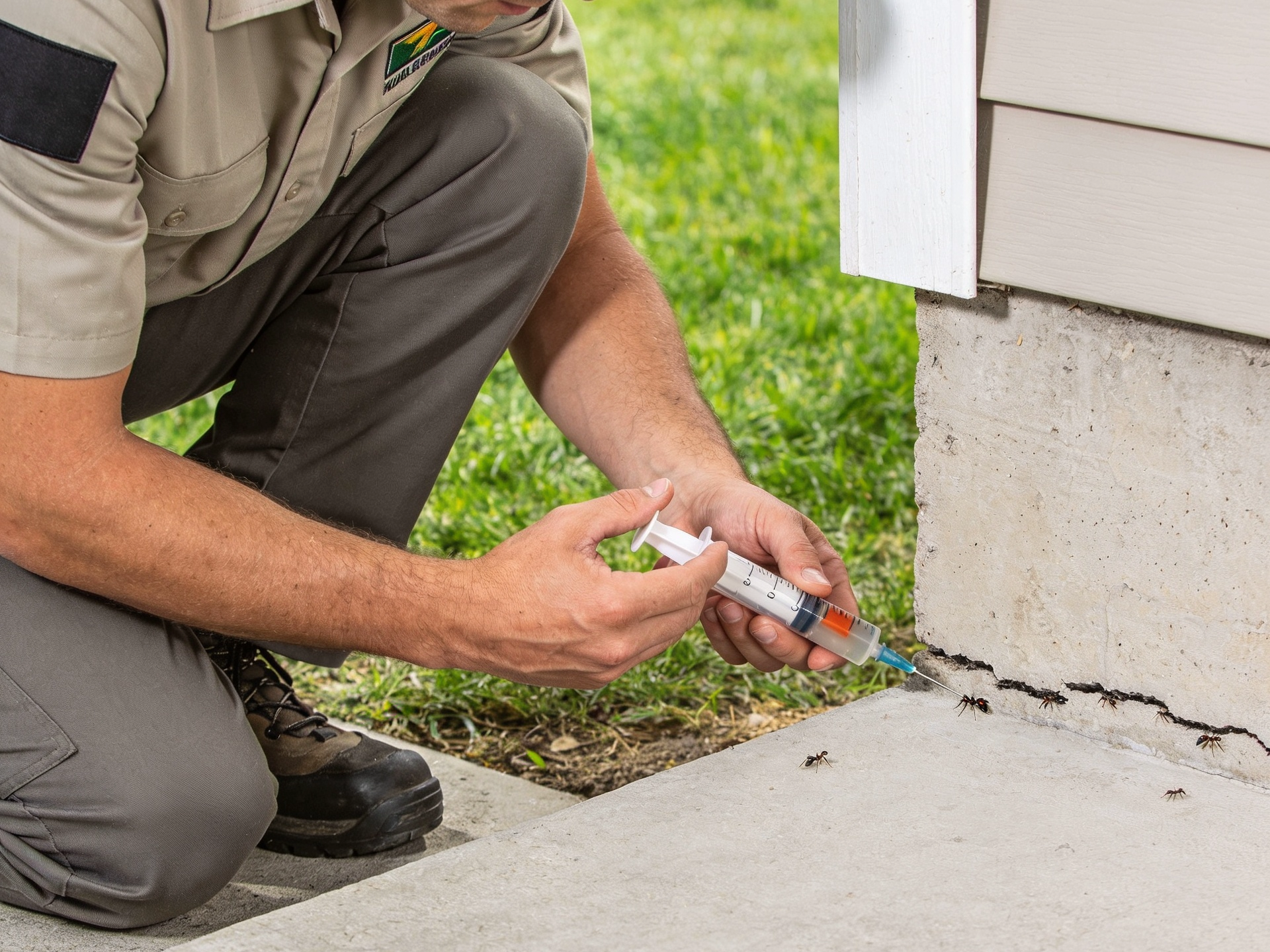


In 2026, typical ant control cost ranges from $149 on the low end to $338 for larger treatments, with an average job around $228. Many standard visits for a typical single-family home are completed in about 1 to 2 hours, plus time for inspection and paperwork as needed.
This guide breaks down what drives pricing, such as infestation size, treatment type, and follow-ups. You'll also see how DIY stacks up and what to ask about warranties[1].
Key takeaways
Expect a wide price range from $149 to $338, with most jobs near $228.
Basic, single-visit treatments are often the most affordable option.
Ongoing service plans and structural treatments usually push costs toward the high end.
Compare guarantees and follow-up visits to judge value, not just the lowest price.
Ask for a written scope and estimate before hiring to avoid surprise charges.
6 Factors That Affect Professional Ant Control Service Costs
Ant control pricing depends on conditions at your home. These are the biggest variables that change the treatment approach, labor time, and whether follow-up visits are likely.
- Infestation Size: A small, single trail usually takes less time and fewer materials than a large, established colony. Multiple colonies or activity across several rooms or the yard can increase labor and monitoring needs.
- Ant Species: Different ants require different strategies. Fire ants, carpenter ants, and odorous house ants have distinct nesting habits and may need species-specific baits or more targeted removal.
- Moisture and Nesting Sites: Damp areas, leaks, and decaying wood can support nesting and repeat activity, which can expand the scope of treatment and follow-up inspections[2]. If a technician flags moisture issues, fixing them can help reduce repeat problems.
- Treatment Type: Baiting, interior dusting, perimeter sprays, and direct colony eradication vary in product cost and application time. Options designed to reduce insecticide runoff can also affect product selection and overall cost[3]. Some products and methods are only available to licensed applicators, which can limit DIY options.
- Property Accessibility and Home Size: Larger homes, multiunit buildings, dense landscaping, crawlspaces, and complex eaves make inspections and treatments more time consuming. Hard-to-reach nests can add labor time or require specialized tools.
- Previous Treatments and Resistance: Prior DIY sprays or misapplied products can disrupt trails or reduce bait acceptance, which can complicate planning. A technician may need more monitoring, different bait types, or a combined approach when infestations keep returning.
How Much Does Ant Control Cost by Type
Ant control services range from basic inspections to ongoing barrier plans, and each one comes with different labor and material needs. Pricing depends on infestation size, access, product choice, and local rates, so it helps to compare local pest control prices. Regular inspection and sanitation are commonly included in pest management recommendations to reduce infestation risk[4].
| Type of Service | Cost | Features |
|---|---|---|
Inspect Infestation | $79 - $188 | Visual and moisture inspection to locate trails, nests, and entry points. Often the first step before treatment and commonly finished within an hour for a standard home. |
Identify Ant Species | $52 - $146 | Field or lab identification to confirm species and behavior, which helps guide bait and treatment selection. |
Exterminate Ant Colony | $172 - $372 | Direct eradication using baiting, sprays, or dusts aimed at the colony and foraging ants. Many visits take about 1 to 2 hours depending on access. |
Apply Ant Treatment | $118 - $264 | One-time or scheduled applications of baits or residual insecticides inside or outside the home. |
Seal Ant Entry Point | $92 - $248 | Caulking, screening, or minor carpentry to close gaps around windows, doors, and foundations. Larger repairs may require another contractor. |
Remove Ant Nest | $126 - $286 | Physical nest removal for accessible outdoor colonies or nests in structures, sometimes followed by minor repair. |
Maintain Ant Barrier | $92 - $206 | Ongoing perimeter treatments and monitoring to prevent re-infestation. Plans are often monthly or quarterly. |
Exterminate Ant Colony Costs
Extermination targets the colony and foragers when activity is persistent or widespread. Typical cost ranges run $172 to $372, with an average of $248.
Pricing mainly depends on colony size, treatment method, and whether interior access or structural work is needed. A standard visit for a typical home is often completed in roughly 1 to 2 hours, not counting follow-ups. If you are dealing with wood-infesting species, plan for potential repair needs tied to carpenter ant control cost.
Seal Ant Entry Point Costs
Sealing entry points helps limit new foragers from reaching food and nesting sites, and it is often recommended after treatment. Expect costs of $92 to $248, with an average of $154.
Cost varies with the number of gaps, material replacement needs, and whether minor carpentry or weatherproofing is required. Pest control services often handle small gaps and caulking. Larger masonry, siding, or structural repairs are usually separate work at additional cost.
Maintain Ant Barrier Costs
Maintenance typically includes periodic perimeter treatments, bait refreshes, and follow-up checks to discourage return activity. Costs typically fall between $92 and $206, average $138.
These plans are commonly scheduled monthly or quarterly, so confirm how many visits per year are included. Frequency, product choice, and property size drive the price. Low-toxicity programs and bait-based approaches can also shift per-visit pricing in line with average organic pest control costs.
Ant Control Cost By Size
Project size and layout affect ant control pricing because larger or more complex areas often need more product, more technician time, and sometimes structural access work.
Homes with multiple entry points, older building materials, or more complex layouts may need coordinated interior and exterior measures, which can change both treatment duration and approach[5].
Most single-visit services still fall in the 1 to 2 hour range, but larger homes and more complicated properties usually add inspection time and may require follow-ups.
Single Entry-Point Treatment
A targeted visit that addresses one clear ant entry, such as a gap in the foundation, a single exterior crack, or a localized indoor issue. This is common when you can point to one problem spot.
- Cost Range: $108 - $226
- Average Cost: $156
Access and visibility of the entry point strongly affect price. Easy access and a single treatment zone typically reduce labor time, while concealed or hard-to-reach areas may add time and make follow-up visits more likely.
Single-Room Treatment
Coverage of one interior room, including common ant pathways like baseboards, cabinets, and nearby voids. This is often used for kitchens or bathrooms where sightings keep happening in the same area.
- Cost Range: $126 - $266
- Average Cost: $182
Labor can increase if technicians must move items, inspect cabinetry, or work in tight spaces. Product choice matters too, since baits and residual applications are priced differently, and sealing work can add to the total.
Multi-Room Service
Treatment across multiple adjacent rooms or an entire floor. Technicians may combine bait placement, localized sprays, and entry point checks to control spreading colonies.
- Cost Range: $168 - $352
- Average Cost: $244
More rooms usually means more inspection time and more product. Complexity also goes up when the service area includes spaces like kitchens, basements, and utility rooms, where application methods can differ.
Whole-Home Treatment
Comprehensive interior and exterior service that covers living spaces, basements, attics, and common entry areas to treat or prevent colony activity throughout the home.
- Cost Range: $224 - $458
- Average Cost: $318
Whole-home plans typically require the most labor and materials. Some companies quote one comprehensive visit, then price follow-ups separately, while others include a set number of rechecks for the first few months. Confirm exactly how many visits your quote includes, especially if the home has heavy landscaping, outbuildings, or multiple access points.
Exterior Perimeter Barrier
Application around the foundation, beds, and thresholds to create a continuous barrier that reduces ant entry pressure from outdoors.
- Cost Range: $132 - $286
- Average Cost: $196
Yard size, planting density, soil conditions, and weather exposure affect material needs and time on site. Barrier treatments may also need repeat applications after heavy rain or seasonal shifts.
Emergency Ant Control Costs
Ants in food prep areas, electrical enclosures, or situations involving bites can justify same-day or after-hours service, which often costs more. Rapid response can require a technician to interrupt scheduled work and prioritize containment. Emergency calls generally use the same registered products as standard service, but they may involve more intensive targeting and higher minimum fees for urgent dispatch[6].

System installation usually means setting up an expanded baiting or barrier plan on short notice, such as multiple bait stations, an exterior perimeter treatment, and necessary interior applications completed in one urgent visit.
Overtime labor, travel outside normal service areas, and sourcing materials immediately are common reasons emergency work costs more. If the first treatment is focused on reducing activity fast, you may still need follow-up service to fully resolve the issue.
Severe, widespread infestations can require whole-structure methods, so review the cost of fumigation if an inspector recommends aggressive remediation.
Ant Control Cost by Region
Ant control costs vary by region due to climate, common ant species, labor markets, and local pesticide regulations. Permitted products and required practices can differ by state, which can influence both material and labor costs[7].
| Region | Cost | Description |
|---|---|---|
Northeast | $162 - $356 | Colder seasons can reduce outdoor activity, but dense housing and higher labor costs may raise prices. |
Midwest | $138 - $314 | Temperature swings and urban-rural mixes can affect service frequency and technician travel time. |
South | $152 - $348 | Warm, humid conditions can support longer seasons of ant activity, which may increase monitoring and repeat visits. Invasive species like fire ants can require more recurring control. |
West | $158 - $352 | Dry climates and regional species differences can change bait performance and product selection. Invasive ants may increase service frequency and long-term costs. |
Local pest pressure and contractor availability can affect scheduling and follow-up, which can change the total cost beyond the first visit. For a sense of how soil treatments and structural access can affect scope, compare related work like termite control prices.
Homes with foundation gaps, crawlspace access challenges, or aging construction may need more involved inspections and targeted exclusion work, which can add time on site and coordination with other trades[8].
DIY vs. Professional: Professional Ant Control Service Costs
Homeowners often choose between handling ants themselves and hiring a licensed technician. This comparison helps you weigh upfront cost against the likelihood of repeat treatments and the value of professional follow-through.

DIY Risks and Common Challenges
DIY treatments can be cheaper upfront, but results often fall short due to misidentification, the wrong bait choice, or poor placement. Product age and storage can also affect performance, including bait products.
Partial treatment can make control harder if it disrupts trails or spreads activity. There is also the practical side, such as ladder work and handling pesticides. Follow label directions, use appropriate protective gear, and keep children and pets away from treated areas until reentry intervals are met.
Advantages of Hiring a Professional
A professional can confirm the species, choose an appropriate strategy, and use integrated pest management approaches that combine baits, residual treatments, and exclusion work. Technicians can also locate hidden nests, treat sensitive structural areas, and schedule follow-up visits.
Many companies offer limited warranties or free re-treatments within a set period, which can help if ants return. Some products and application methods are restricted by local rules and only available to licensed professionals, which is another key difference between professional service and over-the-counter options.
How to Decide: Practical Scenarios
If you see a single trail or occasional activity in one area, careful inspection and targeted baiting may be a reasonable DIY starting point. If the problem keeps returning, involves a large colony, or affects food prep areas, professional service can reduce the cycle of repeat spending and frustration.
For broader budgeting across home projects, check the project cost estimates directory to compare typical expenses.
Choose the option that fits your comfort level with chemicals, the scope of the infestation, and whether a warranty or follow-up plan matters to you.
Add-Ons for Ant Control
Add-ons are optional upgrades that can be added to a standard ant treatment. They can raise the total cost, but they may be worth it for sensitive households, hard-to-access areas, or prevention-focused plans.
| Add-On | Cost | Details |
|---|---|---|
Eco-Friendly Treatment | $42 - $128 | Uses lower-toxicity products and methods for sensitive households. These programs often focus on reducing exposure risks for children, pets, and beneficial insects. |
Child- and Pet-Safe Application | $34 - $108 | Specialized timing and products to minimize risk to kids and pets. May overlap with eco-friendly options, so ask what is included. |
Attic Treatment | $74 - $194 | Targeted service inside the attic for nesting colonies, including baits and localized sprays. Useful when activity is linked to overhead voids. |
Garage Treatment | $46 - $126 | Focused service for garage voids, door thresholds, and storage areas where ants often forage or nest. |
Yard Perimeter Protection | $68 - $184 | Barrier treatments around the property line to reduce outdoor infestation pressure. |
Follow-Up Visit | $72 - $168 | Scheduled revisit to monitor results and retreat if needed. Adds oversight for longer-term control. |
Exterior Foundation Spray | $48 - $136 | Treats the foundation and common entry points to block access routes. Often paired with perimeter work. |
Price differences can reflect product selection, treatment complexity, and the size of the area being treated[9]. Labor intensity, customization for child or pet safety, and accessibility can also affect cost, along with the need for repeat visits or larger outdoor barriers[10].
How Season Affects Ant Control Cost
Ant control pricing and appointment availability in 2026 can shift with the season. When ants are more active, demand typically rises. Weather can also limit when certain applications are practical.
| Season | Cost | Description |
|---|---|---|
Spring / Early Summer | $154 - $342 | Ant emergence increases call volume, so availability tightens and faster service may cost more. |
Summer | $161 - $358 | High temperatures can boost activity and demand. Expect fuller schedules and possible premium pricing. |
Autumn | $142 - $322 | Activity can drop, which may improve scheduling flexibility and sometimes lead to promotional offers. |
Winter | $136 - $306 | Cold weather limits many outdoor treatments, but indoor infestations can still need attention. |
Rainy Season | $158 - $348 | Saturated soil and storms can delay or alter treatment plans, which can increase prep time and rescheduling. |
A few seasonal patterns can affect your final quote:
- Peak demand: Busy months may require overtime or extra crews, which can raise labor costs and extend scheduling.
- Weather limitations: Some treatments need dry ground or specific temperatures, so delays can add logistics or lead to repeat visits. Local climate and surrounding landscaping can influence ant behavior and timing[11].
- Labor availability and regional differences: Rural areas may have fewer providers and more travel fees, while urban areas can have more competition.
- Off-season advantages: When demand is lower, it can be easier to schedule service and get clearer timelines.
How to Save on Ant Control
A little prep before the technician arrives can keep the visit focused and may reduce how much work is needed. Sealing entry points and removing food sources are common parts of exclusion-focused programs[12].
- Inspect and Identify Infestations: Note where ants enter and what they are attracted to, so treatment targets the source, not just the visible trail.
- Seal Entry Points: Caulk gaps, repair screens, and add weatherstripping to limit reinfestation after treatment.
- Clean up Food Sources: Store food in sealed containers, wipe up spills, and manage pet food to make the space less attractive.
- Adjust Landscaping and Moisture: Trim vegetation, pull mulch back from the foundation, improve drainage, and reduce standing moisture to discourage nesting.
- Use Targeted Baits and Placement: Place slow-acting baits along trails instead of broad sprays. Avoid heavy spraying or moving bait stations right before a professional visit, since that can hide trails and make inspection harder.
- Bundle Services and Ask for Guarantees: If you need inspection plus treatment, ask about combining visits. Get any guarantee or free re-treat policy in writing.
Connect with home pest control services through homeyou to compare qualifications, warranties, and reviews so you can choose a contractor with clear scope and reliable follow-through.
Frequently Asked Questions About Ant Control
References
[1] Larramendy, Marcelo L., and Sonia Soloneski, "Integrated Pest Management and Pest Control - Current and Future Tactics", https://doi.org/10.5772/1383.
[2] U.S. Environmental Protection Agency, "A Brief Guide to Mold, Moisture and Your Home", https://epa.gov/mold/brief-guide-mold-moisture-and-your-home.
[3] "Research Report Impact of Ant Control Technologies on Insecticide Runoff and Efficacy", NPMA PestWorld, https://npmapestworld.org/content-pages/technical-resources/pmf-research-reports/research-report-impact-of-ant-control-technologies-on-insecticide-runoff-and-efficacy.
[4] Kloosterman, L. and K. Mager, "Pest Control in Food Businesses: An Introduction", https://doi.org/10.1533/9780857098634.3.465.
[5] U.S. Department of Housing and Urban Development, "Durability by Design A Guide for Residential Builders and Designers", https://huduser.gov/portal/sites/default/files/pdf/Guide-Durability-by-Design.pdf.
[6] Bruesch, Jay C., "Institutional pest management current trends", Executive housekeeping today, https://pubmed.ncbi.nlm.nih.gov/10134138/.
[7] Association of American Pesticide Control Officials, "Documents 2002 to Present", http://aapco.org/documents.
[8] U.S. Department of Housing and Urban Development, "The Rehab Guide Foundations", https://huduser.gov/publications/pdf/foundations.pdf.
[9] PestWorld, "What Is a Termite Inspection and Why Do You Need One", https://pestworld.org/news-hub/pest-articles/what-is-a-termite-inspection.
[10] Stop Pests, "What Exclusion Techniques Work for Rodents", https://stoppests.org/frequently-asked-questions/what-exclusion-techniques-work-for-rodents/?keywords=rats.
[11] Sorvig, Kim, and J. William Thompson, "Sustainable Landscape Construction", https://doi.org/10.5822/978-1-61091-811-4.
[12] Stop Pests, "Developing a Pest Exclusion Program for Cockroaches and Rodents - StopPests.org", https://stoppests.org/ipm-training/training-opportunities/stoppests-webinars/developing-a-pest-exclusion-program-for-cockroaches-and-rodents/\#7.


