
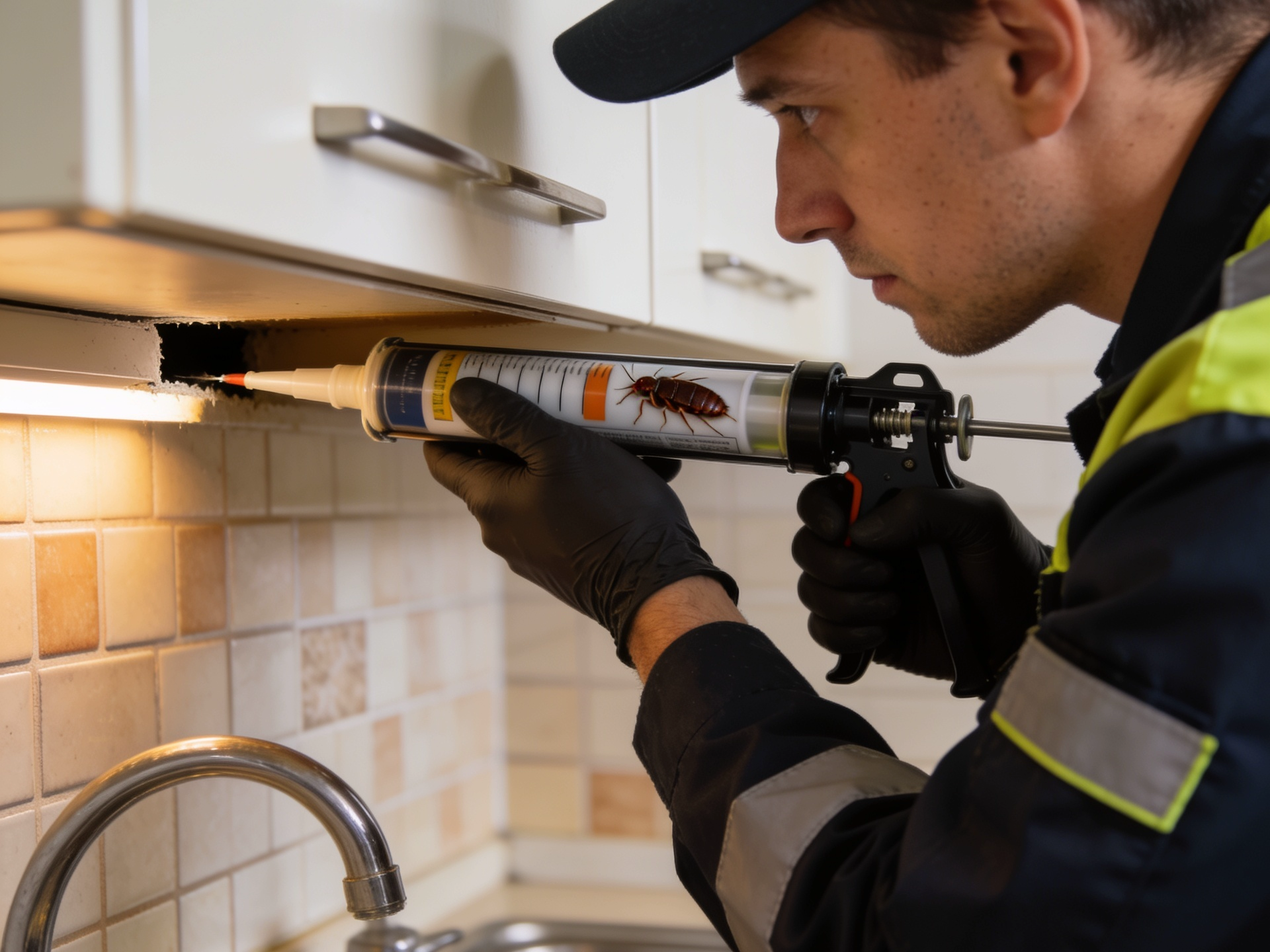


In 2026, the typical cockroach exterminator cost ranges from $82 to $168 per hour, with an average around $118.
The exact total depends on the treatment plan, number of visits, and local operating requirements common in pest management programs[1]. Many companies quote flat per-visit or program pricing instead of hourly rates, so use these figures as a way to gauge labor value and compare estimates on similar scopes.
Below, you will find the main price drivers (severity, treatment method, access, and travel), a breakdown of common service types, and practical tips for comparing quotes and hiring a qualified provider.
Key takeaways
Hourly pricing can range from $82 to $168, but many providers use per visit or program pricing, so hourly numbers are best for apples-to-apples comparisons.
The average hourly rate is $118, which can help with quick planning.
Bigger infestations and multi-visit programs usually cost more, even when the quote is flat.
Comparing quotes, licenses, and what follow-ups are included can improve value.
Treatment approach matters, including baits, sprays, and less common options like heat.
6 Factors That Affect Cockroach Exterminator Cost
A professional quote is shaped by both the pest problem and the building. Use these cost drivers to compare bids and ask the right questions before you book service.
- Infestation Size: Larger or long-established infestations usually require more labor, more product, and repeat visits, which increases total cost. Catching activity early often keeps the scope smaller.
- Cockroach Species: Different species hide and travel differently. If a species reproduces quickly or stays deep in walls and voids, treatments often need to be more thorough and may require more follow-ups.
- Property Construction and Entry Points: Cracks, utility penetrations, shared walls, and hard-to-seal gaps can increase the amount of exclusion work and monitoring. If sealing and structural gap work is included, it can raise labor and materials[2].
- Property Layout and Access: Tight crawlspaces, finished basements, high ceilings, or restricted utility areas add time. Multiunit properties can also require coordination with building management, which affects scheduling and labor.
- Sanitation and Moisture Conditions: Food residue, clutter, and persistent moisture make roach control harder. Addressing dampness and moisture sources can support better outcomes, but it may add tasks outside basic treatment[3].
- Treatment Type and Materials: Costs vary by method, including baits, residual sprays, dusts, traps, and broader integrated pest management approaches. More structured plans may cost more up front, especially when they include follow-ups and monitoring.
Methods of Cockroach Extermination and Cockroach Heat Treatment Cost
Cockroach services can include an inspection, targeted baits, insecticide applications, habitat reduction, exclusion, and in less common cases, whole structure heat. Pricing depends on how widespread the activity is, how fast you need help, how accessible the problem areas are, and what materials are used.
| Type of Service | Cost | Features |
|---|---|---|
Inspection of Cockroach Infestation | $84 - $188 | A technician assesses infestation scope, identifies species and hotspots, and recommends treatments. Inspections often guide whether localized or whole-home work is needed. |
Apply Cockroach Bait | $118 - $268 | Gel or station baits target feeding behavior and are used in kitchens, behind appliances, and in voids. Repeat visits may be required for ongoing control. |
Apply Cockroach Insecticide | $132 - $312 | Liquid or residual sprays treat cracks, crevices, and baseboards. This option is common for visible or widespread activity. |
Perform Cockroach Heat Treatment | $986 - $2,286 | Whole-structure heat raises indoor temperatures to lethal levels; for cockroaches, it is a specialized, less common option used mainly in severe or resistant infestations. |
Extermination of Cockroaches | $186 - $412 | Comprehensive service combining inspection, baiting, insecticide, and exclusion tactics to rapidly reduce populations and manage long-term control. |
Remove Cockroach Nesting Site | $126 - $304 | Physical removal of nests, harborage materials, and heavy debris that shelter roaches. Often paired with sanitation recommendations. |
Seal Cockroach Entry Point | $94 - $248 | Caulking, screening, and weatherstripping to close gaps around pipes, vents, and foundations to prevent reinfestation. |
Homeowners comparing program pricing across multiple pests can also review pest control fees for a broader look at related services.
Apply Cockroach Bait Costs
Baiting uses gel or station products placed where roaches feed and travel, and it is often a common starting point for indoor infestations. Typical pricing runs $118 - $268, with an average of $176.
Costs usually rise with heavier activity, more placements, and the need for follow up visits. Product condition can also matter in planning, since research shows gel bait performance can change as it ages[4].
Perform Cockroach Heat Treatment Costs
Heat treatment raises indoor temperatures to levels that can be lethal to pests, and it is sometimes chosen when a rapid, low chemical approach is requested. For cockroaches, whole structure heat is typically a niche service rather than a standard first step, and availability varies by provider.
Costs range $986 - $2,286, with an average of $1,484. Price is driven by the size of the structure, equipment access, required preparation, and technician specialization. Heat services often require significant prep, removal of heat sensitive items, and time out of the home during treatment[5].
Cockroach Extermination Costs
Full extermination commonly combines inspection, targeted baits, insecticide applications, and exclusion work. Expect $186 - $412, with an average of $278.
In many homes, effective control takes more than one visit, with monitoring and adjustments over the following weeks rather than a guaranteed one time fix[1]. Total cost is driven by the extent of activity, how many visits are included, and whether sealing and ongoing monitoring are part of the plan. Regulated environments can require additional documentation and program structure, such as commercial cockroach extermination in food related settings[6].
Cockroach Exterminator Cost By Size
Size and layout affect cost because technician time, product use, and access needs generally increase with the area treated. Complex configurations can also add follow-up work, especially when roaches are moving between rooms.
A clear scope usually starts with an inspection, since visible sightings do not always show where the population is concentrated or how it is getting in. For households managing multiple pest concerns, comparing bed bug treatment prices alongside cockroach estimates can also help with overall budget planning.
Single-Room Treatment Costs
When the issue is confined to one area, treatment can focus on a smaller footprint. This often applies to a bedroom, bathroom, or small living space with localized activity.
- Cost Range: $128 - $276
- Average Cost: $186
Material choice, severity, and access affect the final price. A follow-up visit is still common, especially when bait placements and monitoring need to be checked and adjusted.
Kitchen Area Treatment Costs
Kitchen-focused work usually costs more than other single-room areas because food storage zones require careful placement and extra prep. Common tasks include treating cabinets, appliance perimeters, and plumbing voids.
- Cost Range: $156 - $346
- Average Cost: $234
Moving appliances, protecting food and surfaces, and using lower odor options can increase labor time. Many kitchens also need a recheck visit, since they are a high-activity zone.
Multiple-Room Treatment Costs
When activity spans several rooms, the plan typically needs coordination across connected spaces to prevent roaches from shifting between treated and untreated areas. This scope often includes scheduled follow-ups.
- Cost Range: $228 - $516
- Average Cost: $352
More coverage generally means more product and more technician time. Multi-story layouts, pets, and children can also require more targeted application methods and scheduling flexibility.
Basement and Crawlspace Treatment Costs
Basements and crawlspaces can be tougher to treat due to moisture, clutter, tight access, and multiple entry points. Service here may include perimeter and crack work, along with interior baiting and monitoring.
- Cost Range: $204 - $486
- Average Cost: $336
If the area is tight, cluttered, or finished, technicians may need extra time to reach typical harborage locations. Moisture reduction and sealing work can also increase labor.
Whole-Home Treatment Costs
Whole-home treatment is usually quoted when activity is widespread, recurring, or affecting multiple zones. Plans often cover interior rooms and exterior perimeter pressure points across more than one appointment.
- Cost Range: $318 - $724
- Average Cost: $486
These projects can require more materials, more visits, and more coordination for preparation. Homes with many entry points or dense landscaping at the foundation may also need more exclusion work and monitoring.
Emergency Cockroach Exterminator Costs
Emergency calls usually cost more because the company is prioritizing your job, staffing after hours, and adding travel or schedule disruption to the visit. The core products and methods may be similar to standard service, but the timing and logistics are different.

If quick spot work does not address the underlying issue, some homeowners compare broader options such as cockroach fumigation costs to understand the pricing difference between targeted emergency visits and more comprehensive remediation.
Night and weekend calls can involve additional operational and safety overhead, and it is common to schedule verification visits after urgent treatment to confirm progress[7]. In rentals, multiunit buildings, and commercial settings such as food service, emergency work may also require owner or manager approval and must follow site policies and applicable health requirements[6].
Cockroach Exterminator Cost by Region
Regional pricing reflects local labor markets, climate pressure, and how heavily regulated pest control is in the area. Use regional ranges as a starting point, then focus on what is included in the service plan.
| Region | Cost | Description |
|---|---|---|
Northeast | $214 - $468 | Higher cost of living, labor rates, and stringent state pesticide and licensing rules can raise service prices; winter treatments may be less frequent but more intensive. |
Midwest | $168 - $364 | Seasonal demand and lower average labor rates tend to keep prices moderate, though urban centers with stricter regulations can cost more. |
South | $178 - $398 | Warm, humid climate increases infestation risk and recurring treatments, which raises overall costs over time, especially in dense metro areas. |
West | $206 - $452 | Higher cost of living plus state pesticide rules and licensing requirements affect technician availability and pricing. |
Local pesticide rules can influence what products and application methods are permitted, which can affect both scope and final pricing[8].
Travel time, technician availability, and how quickly you need service also matter. In high demand areas, it is common to see higher scheduling fees, while multi visit plans can change the per visit structure depending on what is bundled.
DIY vs. Hiring a Professional Cockroach Exterminator
You can handle some cockroach control steps yourself, but larger problems usually need professional tools and a structured plan. The chart below compares common DIY tasks with professional service pricing in 2026.

Risks and Limits of DIY Work
DIY can work for limited activity, but it is easy to underestimate how established an infestation is. Misidentifying the pest, skipping hidden breeding sites, or placing products incorrectly can lead to quick rebound and higher long term cost.
Chemical safety is another concern. You must follow label instructions exactly, and some stronger products are restricted to licensed applicators under state rules[8]. If entry points remain open after a DIY attempt, roaches can keep coming in, which is why exclusion is a core prevention strategy discussed in pest exclusion guidance[9]. For households with health sensitivities, recurring infestations can be more than an inconvenience, and it may be worth moving to professional support sooner.
Advantages of Hiring a Professional
A licensed technician can evaluate scope, hiding places, and contributing conditions, then use an integrated approach that commonly combines baits, targeted treatments, and exclusion work[1]. Professionals may also offer scheduled follow ups, monitoring, and warranties that reduce guesswork.
When comparing companies, confirm licensing and insurance, ask what is included in the quote, and request details on follow up visits and any re service policy.
Choosing Between DIY and Pro Services
DIY is most realistic when sightings are isolated and you can safely handle cleanup, bait placement, and sealing work with careful follow through. Hire a pro for recurring sightings, visible egg cases or droppings, or when you need a faster, more structured plan.
Also plan for safety instructions. Some treatments require people and pets to stay out of treated areas for a period of time, along with ventilation and re entry guidance.
For context on how pest work compares with other home projects, explore project cost estimates to see a wider range of service budgets.
Is Professional Cockroach Extermination Worth the Cost?
Cockroach allergens are one of the most common indoor asthma triggers, particularly for children. The EPA identifies cockroach droppings, shed skins, and saliva as significant contributors to indoor air quality problems in homes with active infestations.
A professional treatment running near $118 per hour is often far less than the compounding cost of repeated over-the-counter attempts, medical visits tied to allergy flare-ups, or structural damage caused by moisture conditions that accompany long-established infestations.
For rental properties and food-adjacent spaces, an unresolved infestation can trigger code violations and complaints that carry costs well beyond a standard service call. Early professional treatment typically costs far less than emergency remediation after a problem has spread. For perspective on treatment costs across related pest services, termite control pricing offers a useful comparison for homes managing multiple pest risks.
Add-ons and Cockroach Inspection Cost
Add-ons are optional services that may be recommended alongside a standard cockroach visit. They increase the total price, but they can improve results, reduce callbacks, or help match treatment to safety needs in the home. Optional add-on services can extend what a single visit covers, especially when monitoring and exclusion are part of a longer-term control plan.
| Add-On | Cost | Details |
|---|---|---|
Disinfection Service | $74 - $224 | Sanitizing surfaces after treatment to remove bacteria and droppings; useful in kitchens and food prep areas. |
Post-Treatment Monitoring | $62 - $166 | Scheduled checks and trap inspections to verify that activity has declined and to catch rebounds early. |
Allergen Filtration | $88 - $286 | HEPA-grade filter installation or air cleaning to reduce allergen exposure from shed skins and droppings. |
Child- and Pet-Safe Application | $48 - $138 | Builds on standard label-safe methods with lower-toxicity products or even more targeted placement to further limit exposure. |
Exterior Perimeter Treatment | $82 - $228 | Treats foundation lines and entry points to block incoming pests and reduce indoor pressure. |
Appliance Move Service | $54 - $148 | Technician moves large appliances to treat behind and beneath them, addressing hidden harborage. |
Follow-Up Visit | $86 - $194 | Return visits to reapply treatments or address persistent activity without a full re-service. |
Price differences usually come down to treatment area size, the products specified, and how time-intensive the add-on is. For exterior perimeter work, application choices can affect environmental impact and performance, and research on insect control technologies highlights how application method can influence runoff and efficacy[10].
The need for follow-ups and monitoring depends on how well products reach hidden areas. Some pests and life stages are harder to penetrate, which is why many programs build in rechecks when initial treatment cannot reach all hidden sites[11].
Seasonal Effects on Cockroach Extermination Costs
Season affects both scheduling and price, mainly due to demand. In 2026, busier periods can mean longer wait times and a greater chance of paying for expedited service.
| Season | Cost | Description |
|---|---|---|
Spring | $184 - $406 | Warmer temperatures increase insect activity and call volume, so expect moderate to high demand and busier schedules. |
Summer | $202 - $442 | Peak reproduction months often bring the highest demand, longer wait times, and tighter scheduling, which can raise prices and reduce contractor availability. |
Autumn | $194 - $426 | As pests seek shelter from cooling weather, technician demand rises. Scheduling may be constrained but rates can vary by region. |
Winter | $172 - $378 | Lower outdoor activity can reduce calls and create more booking flexibility, though extreme weather may delay on-site visits. |
- Peak Demand: High call volume can tighten schedules, and emergency requests are more common.
- Weather Limitations: Heavy rain, snow, or extreme heat can slow exterior work or require rescheduling. Using a pre-service checklist can help prevent delays and missed prep items that trigger added visits[12].
- Labor Availability: Off-season windows may offer more appointment choices.
- Regional Differences: Warm and humid areas often have longer busy seasons. Some indoor species can remain an issue year-round, so timing is not the only factor.
How to Save on Cockroach Exterminator
You can often lower your total cost by making the visit more efficient and reducing the chance of extra follow-ups. Focus on steps that support the treatment plan and help the technician work quickly.
- Prepare the Space: Clear counters, store food, and reduce clutter so the technician can reach common harborage areas without delays.
- Document Activity: Note where and when you see roaches, and take photos if possible, so hotspots are easier to target.
- Follow Pre-Treatment Instructions: Complete recommended cleaning and sealing steps before the appointment to support better results and fewer repeat visits.
- Consolidate Service Visits: If you also need minor sealing or repairs, scheduling them together can reduce back-and-forth time.
- Check Government Assistance Programs: Look into local or federal home repair assistance programs that may support pest control or related repairs for eligible homeowners[13].
- Ask What Is Included: Request a written plan, confirm whether follow-up visits are included, and ask how warranties or re-service policies work so you can avoid surprise charges.
Get durable results and confident hiring by connecting with vetted home improvement contractors through homeyou; compare credentials, reviews, and recommended service plans to find reliable care that protects your home long term.
Frequently Asked Questions About Cockroach Exterminator
References
[1] Larramendy, Marcelo L., and Sonia Soloneski, "Integrated Pest Management and Pest Control - Current and Future Tactics", https://doi.org/10.5772/1383.
[2] Stop Pests, "Developing a Pest Exclusion Program for Cockroaches and Rodents - StopPests.org", https://stoppests.org/ipm-training/training-opportunities/stoppests-webinars/developing-a-pest-exclusion-program-for-cockroaches-and-rodents/\#7.
[3] U.S. Environmental Protection Agency, "A Brief Guide to Mold, Moisture and Your Home", https://epa.gov/mold/brief-guide-mold-moisture-and-your-home.
[4] NPMA, "Research Report The Perfect Meal Determining How Aging Effects Cockroach Gel Bait Performance", https://npmapestworld.org/content-pages/technical-resources/pmf-research-reports/research-report-the-perfect-meal-determining-how-aging-effects-cockroach-gel-bait-performance.
[5] "Controlled Environment Heat Treatment as a Safe and Efficient Method of Pest Control", http://cool.culturalheritage.org/byauth/nicholson/heatpest.html.
[6] Kloosterman, L. and K. Mager, "Pest Control in Food Businesses: An Introduction", https://doi.org/10.1533/9780857098634.3.465.
[7] Bruesch, Jay C., "Institutional pest management current trends", Executive housekeeping today, https://pubmed.ncbi.nlm.nih.gov/10134138/.
[8] Association of American Pesticide Control Officials, "Documents 2002 to Present", http://aapco.org/documents.
[9] Stop Pests, "What Exclusion Techniques Work for Rodents", https://stoppests.org/frequently-asked-questions/what-exclusion-techniques-work-for-rodents/?keywords=rats.
[10] "Research Report Impact of Ant Control Technologies on Insecticide Runoff and Efficacy", NPMA PestWorld, https://npmapestworld.org/content-pages/technical-resources/pmf-research-reports/research-report-impact-of-ant-control-technologies-on-insecticide-runoff-and-efficacy.
[11] "Research Report Efficacy of Several Pesticide Products on Brown Widow Spider Araneae Theridiidae Egg Sacs and Their Penetration Through the Egg Sac Silk", https://npmapestworld.org/content-pages/technical-resources/pmf-research-reports/research-report-efficacy-of-several-pesticide-products-on-brown-widow-spider-araneae-theridiidae-egg-sacs-and-their-penetration-through-the-egg-sac-silk.
[12] "Home Improvement ExpertTM Checklists", Building America Solution Center, http://basc.pnnl.gov/home-improvement-expert/checklists.
[13] "Government Home Repair Assistance Programs", USAGov, https://usa.gov/home-repair-programs.


