
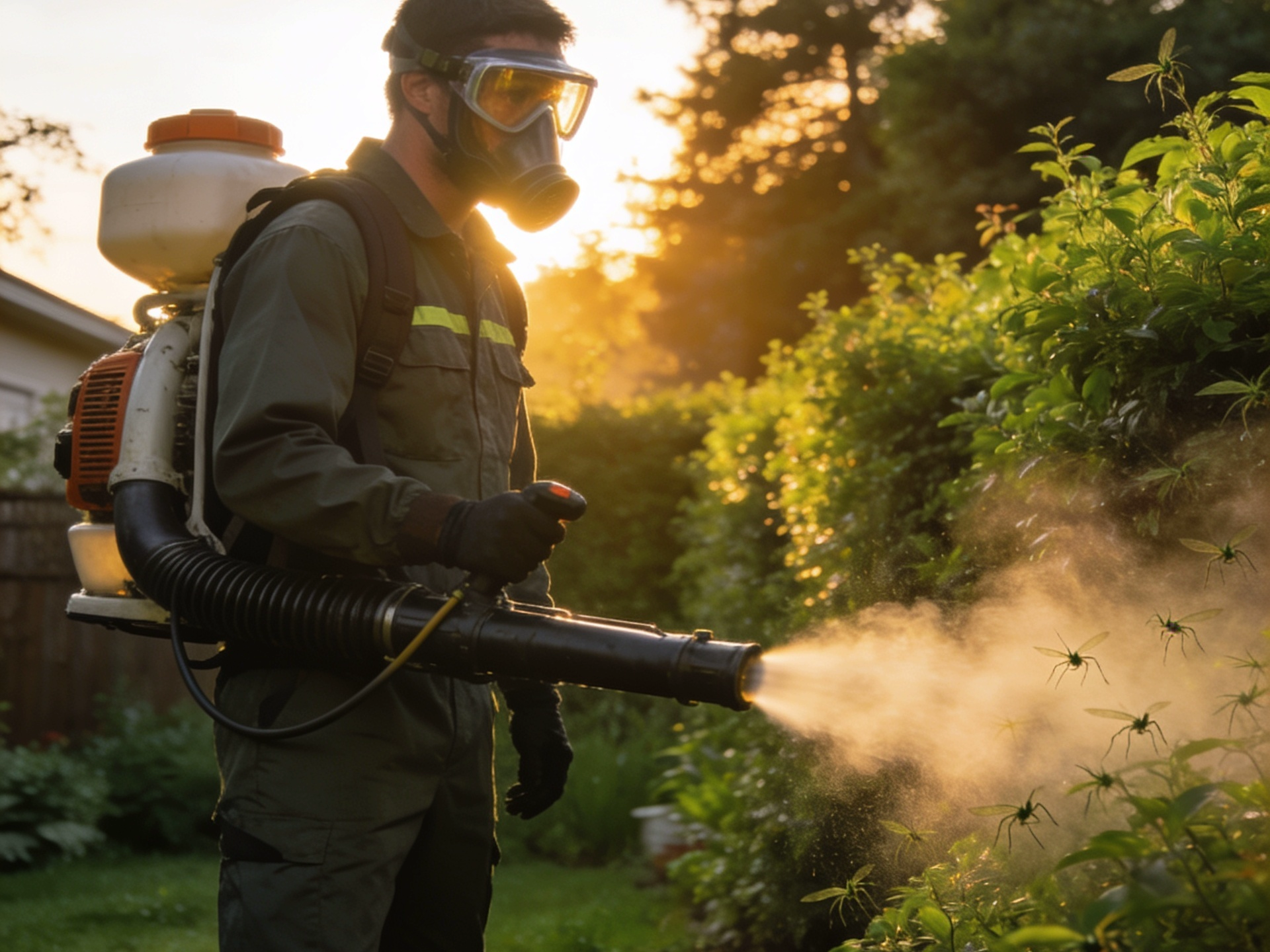


In 2026, mosquito control hourly rates typically range from $84 to $142, with many standard appointments clustering around $109. Rates can vary based on service approach and local conditions. Many residential companies still price mosquito work as a flat per visit fee or as a seasonal plan, especially for routine barrier sprays and maintenance programs.
This guide breaks down what drives mosquito control pricing, when hourly billing applies, and how to compare DIY versus professional treatment options. You will also find practical questions to ask before you book, so you can choose a plan that fits your yard and your budget[1].
Key takeaways
Hourly mosquito control can be as low as $84 for basic visits.
The market average is around $109 per hour.
High-end or intensive treatments may reach $142.
Many companies quote flat per visit or seasonal package prices instead of hourly rates.
Ask about guarantees, treatment frequency, and eco-friendly options.
Compare quotes and ask about guarantees and re-treatment policies before hiring.
Mosquito Control Cost Per Hour
When a mosquito technician charges by the hour, you are paying primarily for on-site labor time. Basic equipment use and standard materials may be included, but that depends on the provider, so confirm what the hourly rate covers before work starts.
Hourly pricing is most common for:
- inspections and site evaluations
- targeted treatments for a specific problem area
- device installation or troubleshooting
- breeding site cleanup and source reduction work
Ask about minimum service charges, travel fees, and whether materials are billed separately. For many routine yard treatments, a flat per visit price may be more common than time-and-materials billing.

Hourly rates often shift based on crew size, treatment complexity, and regional labor costs. In many areas, the labor portion tracks broader outdoor service wage patterns[2]. Before work begins, ask for a written estimate that spells out any minimum hours and exactly which materials are included.
Types of Mosquito Control and Their Prices
Mosquito control can include inspection, source removal, larval habitat treatment, adult suppression, and device installation or maintenance. The scope you choose, along with property size and timing, is what usually determines the final price. Integrated approaches can also change how often you need service over a season[3].
Because mosquitoes breed continuously in warm weather, effective control is usually a program with repeat visits during the active season, not a one-time appointment.
| Type of Service | Cost | Features |
|---|---|---|
Property Inspection | $79 - $176 | Walkthrough to identify breeding sites, estimate treatment needs, and produce a written plan or quote. |
Mosquito Barrier Spray | $118 - $264 | Residual spray applied to vegetation and perimeters to reduce adult activity for weeks; often scheduled regularly. |
Targeted Mosquito Treatment | $132 - $289 | Focused larvicide or adulticide applications to hotspot areas during peak seasons or after complaints. |
Remove Mosquito Breeding Area | $126 - $356 | Elimination or mitigation of standing water, gutter cleaning, and habitat modification to disrupt breeding. |
Install Mosquito Misting System | $2,148 - $5,279 | Automated, timed mister lines and nozzles mounted around a yard for ongoing control, with higher upfront cost. |
Maintain Mosquito Misting System | $149 - $358 | Seasonal servicing, nozzle cleaning, refills, winterization, and performance checks to keep systems effective. |
Repair Mosquito Misting System | $142 - $396 | Repairs to pumps, controllers, tubing, or nozzles after leaks, clogs, or electrical faults. |
Inspect Mosquito Breeding Site | $96 - $212 | Visual survey of yards, containers, and landscape features to locate larval habitats and entry points; report includes recommended actions. |
Remove Mosquito Breeding Site | $128 - $336 | Physical elimination of standing water and breeding containers, plus simple landscape fixes to reduce pooling. |
Treat Standing Water for Mosquitoes | $112 - $268 | Application of larvicides, larvicide tablets, or biological controls in ponds and containers to prevent mosquito emergence; products must be labeled for the specific water use and applied per directions. |
Apply Mosquito Barrier Treatment | $139 - $318 | Residual perimeter sprays applied to foliage and structures; options include synthetic and organic formulas, such as organic mosquito control costs. |
Exterminate Adult Mosquitoes | $184 - $426 | Fogging or targeted adulticide applications for severe infestations, often used for events or outbreaks. |
Install Mosquito Control Device | $286 - $1,428 | Setup of traps, misting systems, or automated larvicide dispensers that require electrical access or mounting. |
Maintain Mosquito Control Device | $118 - $284 | Routine refills, component checks, and seasonal startups for installed control systems. |
Apply Mosquito Barrier Treatment Costs
Barrier treatments use a residual product applied around yard edges, shrubs, and common resting areas. Homeowners often choose this service when adult mosquitoes are persistent or after breeding sites have been addressed.
Typical cost runs from $139 to $318, with an average near $212. The main cost drivers are property size, product choice, and how often treatments are scheduled. Many barrier applications last only a few weeks, so repeat visits through mosquito season are usually the biggest ongoing expense.
Install Mosquito Control Device Costs
Device installation covers traps, misting units, or automated dispensers intended to reduce adult populations over time. This option is often chosen for ongoing pressure or when you want a more hands-off system.
Installation typically costs $286 to $1,428, averaging $648. Pricing depends on device type, mounting requirements, and power access. Many homeowners compare this upfront cost against recurring service plans and other pest control prices.
Treat Standing Water for Mosquitoes Costs
Treating larval habitat is a common need when a yard has ponds, drainage issues, or frequent pooling after rain.
Costs typically fall between $112 and $268, with an average of $178. Key cost factors include water volume, accessibility, and the type of product used. Products should match the water use and be applied according to directions, which is one reason many homeowners hire licensed professionals for this step.
6 Factors That Affect Mosquito Control Cost
Mosquito control pricing depends on site conditions and the type of plan you choose. Here are the factors that most often change the scope, frequency, and total cost.
- Property Size: Larger yards require more product and more technician time, which raises per visit and seasonal costs.
- Mosquito Species And Infestation Level: Heavy infestations usually require more visits or more intensive methods, increasing labor and material needs.
- Standing Water And Moisture: Persistent pooled water and wet areas create breeding habitat. Addressing these spots can add source reduction work and follow-up monitoring, which increases cost.
- Vegetation And Landscape Complexity: Dense shrubs, wooded edges, and layered landscaping take longer to treat thoroughly and may require specialized application.
- Swimming Pools And Water Features: Pools, ornamental ponds, and irrigation systems can influence mosquito pressure and may call for specialized treatments or separate maintenance steps, which can add to total costs. Properly chlorinated, circulating pools rarely breed mosquitoes. Neglected pools, stagnant water under covers, and nearby puddles or skimmers can become problem sources.
- Treatment Frequency And Service Type: One-time fogging, monthly barrier treatments, and integrated programs can look very different on price. Plans that include inspection and larval control often cost more, but can reduce populations more reliably over time[3].
When you request quotes, ask providers to explain how they will address breeding sites, vegetation, and visit frequency. A clear scope makes it easier to compare proposals. Responsible contractors also plan applications to reduce exposure risks for pollinators, pets, and neighboring properties.
How Size and Layout Affect Mosquito Control Costs
Size and layout affect mosquito control pricing because they change how much product is needed and how long the technician spends on site. Below are common treatment footprints and how they typically influence cost in 2026.
Larger areas increase spray time and product usage. Complicated layouts, such as tight side yards or thick planting beds, can also add labor because they take longer to access and treat.
Small Outdoor Living Area (Patio, Deck, and Nearby Landscaping)
Treatments that focus on a single seating area, small patio, or compact planting strip are usually quick. These jobs often cover a few hundred square feet and concentrate on perimeter and vegetation near where you spend time.
- Cost Range: $96 - $214
- Average Cost: $144
Labor is often the biggest driver because the technician still needs to treat carefully around seating zones. Product selection can matter more near food-prep areas or play spaces, which can raise materials cost.
Standard Residential Yard (Full-Property Treatment under 1 Acre)
Full-yard treatments for a typical suburban lot cover turf, shrubs, ornamental beds, and perimeter vegetation. These visits target general adult mosquito activity and often require multiple application points to cover the property evenly.
- Cost Range: $168 - $382
- Average Cost: $258
Total area drives product use and time on site. Dense landscaping, hard-to-reach corners, and the need for a second technician can increase the total.
Home Perimeter Only (Barrier Treatment Around Structure)
Perimeter services focus on the foundation line, eaves, and near-door vegetation to create a barrier around the home. Because the treated area is smaller, this option is often faster than whole-yard service.
- Cost Range: $118 - $252
- Average Cost: $174
Access to foundation areas and landscaping density affects labor time. Providers may also adjust products or application methods to manage runoff concerns, which can change materials and time.
Multiple-Property Areas or Shared Spaces (HOA Yards, Parks)
Multi-lot or shared-space treatments require coordination across contiguous areas. Crews may map the space, schedule around residents, and apply product across a larger footprint with commercial equipment.
- Cost Range: $428 - $1,324
- Average Cost: $786
HOA rules, notice requirements, and possible permit needs add complexity. Administrative time and equipment needs can increase cost.
High-Risk Breeding Site Treatment (Pools, Ponds, or Extensive Standing Water)
Pools, ornamental ponds, rain-collection systems, and persistent standing water often call for targeted larvicide treatment and source reduction. In some cases, screens, covers, or drainage fixes are used instead of chemical options.
- Cost Range: $178 - $428
- Average Cost: $286
This work can be labor intensive, especially when water sources are hidden or spread across the property. Coordination with pool or landscape maintenance can also affect scheduling. Regular water maintenance can reduce mosquito habitat and may lower long-term control needs.
Prices for Mosquito Control Emergencies
A sudden spike in mosquito activity, constant nighttime biting, or a newly discovered breeding site can prompt an urgent service call. Emergency appointments often cost more because technicians may need to respond outside normal schedules, prioritize faster-acting options, and spend extra time on access and safety steps.
Some urgent situations overlap with broader property maintenance and health concerns, and federal housing guidance discusses the role of addressing unsafe conditions as part of maintaining a property.

Emergency pricing can also reflect added safety protocols, like coordinating with household schedules, avoiding treated play areas, and planning follow-up visits to confirm results. Travel time for urgent dispatch and technician overtime are common drivers of higher costs. Weather can still delay treatment, since heavy rain, strong winds, or extreme heat may reduce effectiveness or make application unsafe.
If the response becomes more intensive and property-wide, costs may resemble other major pest interventions, such as mosquito fumigation fees.
Cost of Mosquito Control by State
Mosquito control costs can vary by state due to differences in labor rates, contractor availability, material distribution costs, and local demand. State and local pesticide rules, permitting, and reporting can also affect pricing and service structure[4]. In many areas, mosquito treatments must be performed by licensed pesticide applicators in specific categories, so verify licensing and insurance before you book.
| State | Cost | Details |
|---|---|---|
California | $169 - $358 | Higher labor and living costs increase service rates, and coastal climates can extend treatment seasons. Urban areas often have more competition, which can lower prices. |
Texas | $129 - $281 | Large size and varied climates create regional demand spikes, especially in humid coastal and eastern zones. Rural travel distances can raise service fees. |
Florida | $161 - $344 | Year-round warm weather leads to continuous demand and more frequent treatments. Mosquito-borne disease concerns increase use of professional services. |
New York | $158 - $341 | Higher urban labor costs in metropolitan areas raise prices, while seasonal demand peaks in summer months. Local rules can restrict certain chemicals. |
Illinois | $133 - $282 | Seasonal summers produce short high-demand periods, and dense urban neighborhoods can lower per-unit costs through competition. Weather extremes affect timing. |
Georgia | $139 - $304 | Long warm seasons and high humidity lead to frequent treatments. Labor costs are moderate, but heavy seasonal demand can raise prices during peak months. |
Colorado | $121 - $258 | Mountain elevation and drier conditions limit mosquito populations in many areas, which can reduce treatment frequency, though resort communities may face higher charges. |
Washington | $146 - $318 | Cooler, wetter climate in parts of the state shortens peak season, but remote areas can add travel costs. Puget Sound region often sees higher contractor rates. |
These ranges can help with early budgeting, but local quotes are still the best way to confirm pricing for your specific property. Treatment recommendations may also reflect chemical standards and local public health guidance.
Comparing DIY and Professional Mosquito Control Costs
Many homeowners weigh DIY mosquito control against hiring a professional based on budget, time, and comfort with chemical handling. Use the comparison below to match likely costs with the level of effort and risk you are willing to take on.

DIY Risks and Practical Challenges
DIY can lower upfront spending, but it can also introduce safety and effectiveness issues. Missing breeding sites or using the wrong product can allow the problem to continue. Handling chemicals around pools, ponds, or other water features can also increase risks for people and pets if you do not follow safety guidance[5].
Time is another hidden cost. Many DIY approaches require repeat treatments, monitoring, and ongoing cleanup. All insecticides and larvicides must be used strictly according to label directions. Misuse can be illegal and can harm people, pets, beneficial insects, and waterways.
Advantages of Hiring a Professional
Professionals bring training, calibrated equipment, and experience spotting hotspots that are easy to overlook. Better application practices can reduce runoff and unintended exposure, which supports more targeted control and fewer wasted treatments over time[6]. Reputable providers also document what was applied, where, and when, which helps with follow-ups and seasonal planning.
How to Decide Between DIY and Pro
DIY is usually a better fit for simple, repeatable tasks, like clearing containers and refreshing basic traps. Hiring a pro makes more sense for larger yards, persistent infestations, or any situation where chemical application or device setup needs careful calibration.
If you want to compare mosquito work to other household services, the contractor cost overview is a helpful place to browse typical pricing categories.
Add-Ons for Mosquito Control
Add-ons are optional services that can improve convenience, expand coverage, or support longer-term control. They increase total cost, but they can be worthwhile if your yard has specific problem areas or you want fewer gaps between treatments.
| Add-On | Cost | Details |
|---|---|---|
Larvicide Treatment | $39 - $114 | Targets mosquito breeding sites with larvicide to stop juveniles before they become adults. Useful for yards with standing water. |
Eco-Friendly Product | $28 - $79 | Uses lower-toxicity or botanical formulas to reduce non-target impacts[12]. Homeowners choose this for environmental sensitivity. |
Tick Control Add-On | $67 - $173 | Extends treatment to reduce tick populations around borders and vegetation, lowering disease risk for people and pets. |
Fogging Service | $94 - $221 | Short-term, high-coverage treatment for events or heavy outbreaks, often used for rapid knockdown of adults. |
Indoor Treatment | $82 - $191 | Controls mosquitoes and other pests inside entryways and living areas using products labeled for indoor use; typically requires prep and respecting re-entry times. |
Water-Feature Treatment | $58 - $149 | Specialized dosing for ponds, fountains, or birdbaths to prevent breeding without harming fish or plants. |
Seasonal Service Plan | $312 - $886 | Repeated visits over the season for sustained protection, often with priority scheduling and monitoring. |
Fogging Treatment | $82 - $214 | Short-term aerosol application that covers large yards quickly. Useful for event treatments or high adult mosquito activity. |
Larvicide Granule Application | $64 - $178 | Granules applied to standing water or drainage areas to prevent larvae from maturing, reducing future adult populations. |
Repellent Spray Application | $72 - $184 | Barrier spray applied to foliage and structures to repel mosquitoes for several weeks, often used around patios and play areas. |
Mosquito & Tick Combo Treatment | $96 - $248 | Broad-spectrum application that targets both mosquitoes and ticks, saving cost versus separate services. |
Seasonal Maintenance Plan | $418 - $948 | Recurring visits through the season to sustain protection and monitor hotspots. Plans vary by visit frequency. |
Citronella Torch or Barrier Installation | $88 - $246 | Installation of torches or fixed citronella dispensers to create scent barriers in seating areas. May require refills and must follow local fire codes and clearance rules. |
Natural Treatment Upgrade | $36 - $128 | Uses botanical or less-toxic products and alternate application methods for homeowners prioritizing reduced chemical use. |
Add-on pricing often depends on product quality and how hard it is to integrate treatment into existing landscaping, especially in complex yards[7]. Pairing mosquito work with other pest services, such as flea control prices, can change technician time and product selection.
Water features may also require additional protocols, which can raise costs due to compliance and water management considerations[8]. Reduced-risk products can lower certain hazards, but they may not last as long as conventional formulas, so you might need more frequent reapplication.
How Season Affects Mosquito Control Cost
Season affects both pricing and availability. During high-demand months in 2026, schedules fill quickly and rates can rise. Weather can also interrupt service, especially during heavy rain or extreme heat, which can lead to rescheduling or additional visits.
| Season | Cost | Description |
|---|---|---|
Spring | $124 - $271 | Mosquito activity ramps up as temperatures rise, increasing service requests. Contractors may begin seasonal routes, so availability tightens on warm weekends. |
Summer Peak | $151 - $329 | This is the busiest period for treatments, especially near pools and outdoor living areas. Expect higher prices and longer lead times. |
Rainy Season | $163 - $349 | Standing water after storms boosts breeding, prompting repeat visits and surge demand from homeowners and property managers. |
Autumn | $109 - $241 | Cooler nights reduce mosquito activity, so some companies scale back routes and offer more flexible scheduling. Prices may moderate. |
Winter / Off-Season | $92 - $209 | Few active mosquitoes lower routine treatment frequency. Some contractors suspend regular service, creating opportunities for discounts. |
Winter Off-Season | $102 - $246 | Low activity in colder climates allows contractors to offer reduced rates or bundled off-season programs, but some services pause until spring. In warmer regions, mosquitoes may remain active and pricing can stay steady. |
Peak demand can increase labor costs as technicians work longer hours and companies add crews to keep up. Summer use of pools and outdoor water features can also increase service needs in some areas. In rural regions, fewer providers and longer drives can add travel charges, while urban areas often have more availability and competitive pricing.
Is Professional Mosquito Control Worth the Cost?
Mosquitoes are vectors for some of the most serious infectious diseases tracked by the CDC, including West Nile virus, Zika, dengue fever, and malaria. West Nile infections are reported annually across most U.S. states, with neurological complications requiring hospitalization in severe cases. Medical costs, missed work, and long recovery times can far exceed the price of a professional treatment program.
Beyond disease risk, heavy mosquito pressure measurably reduces how much time you spend outdoors. A seasonal control plan running near $109 per hour is often less than a single urgent care visit, and significantly less than an ER stay tied to a mosquito-borne illness.
For families with young children, pregnant individuals, or immunocompromised members, the health case for early, consistent professional control is particularly strong.
How to Save on Mosquito Control Costs
You can often reduce mosquito control costs by lowering the amount of breeding habitat on your property and by choosing a plan that matches your actual risk level.
- Eliminate Standing Water: Empty or refresh water in planters, bird baths, and clogged drains to reduce breeding sites.
- Schedule Treatments Seasonally: Plan ahead for peak mosquito months, and coordinate follow-up visits so treatments stay effective.
- Prepare the Property: Trim grass, thin dense shrubs, and clear debris so technicians can work efficiently.
- Bundle Services or Areas: Combine multiple zones or coordinate with nearby neighbors to reduce setup time and travel.
- Check Assistance Programs: Some mosquito abatement districts or public programs may offer free or low-cost inspections, larvicide, or area-wide spraying in addition to private services[9].
- Choose Integrated Methods: Ask about source reduction and targeted larvicide, along with limited perimeter treatments, to balance cost and long-term control[3].
Find trusted help by connecting with home improvement contractors and compare pros through homeyou to choose a team with clear pricing and a plan that fits your yard.
Frequently Asked Questions About Mosquito Control
References
[1] United States Environmental Protection Agency, "Resource Conserving Landscaping", https://archive.epa.gov/.
[2] Bureau of Labor Statistics, "Landscaping and Groundskeeping Workers", https://bls.gov/oes/2022/may/oes373011.htm.
[3] Larramendy, Marcelo L., and Sonia Soloneski, "Integrated Pest Management and Pest Control - Current and Future Tactics", https://doi.org/10.5772/1383.
[4] Association of American Pesticide Control Officials, "Documents 2002 to Present", http://aapco.org/documents.
[5] "Pool Chemical Safety", Healthy Swimming, https://cdc.gov/healthy-swimming/toolkit/pool-chemical-safety.html.
[6] "Research Report Impact of Ant Control Technologies on Insecticide Runoff and Efficacy", NPMA PestWorld, https://npmapestworld.org/content-pages/technical-resources/pmf-research-reports/research-report-impact-of-ant-control-technologies-on-insecticide-runoff-and-efficacy.
[7] Sorvig, Kim, and J. William Thompson, "Sustainable Landscape Construction", https://doi.org/10.5822/978-1-61091-811-4.
[8] U.S. Environmental Protection Agency, "Pool Water Efficiency", https://epa.gov/watersense/pool-water-efficiency.
[9] "Government Home Repair Assistance Programs", USAGov, https://usa.gov/home-repair-programs.


