
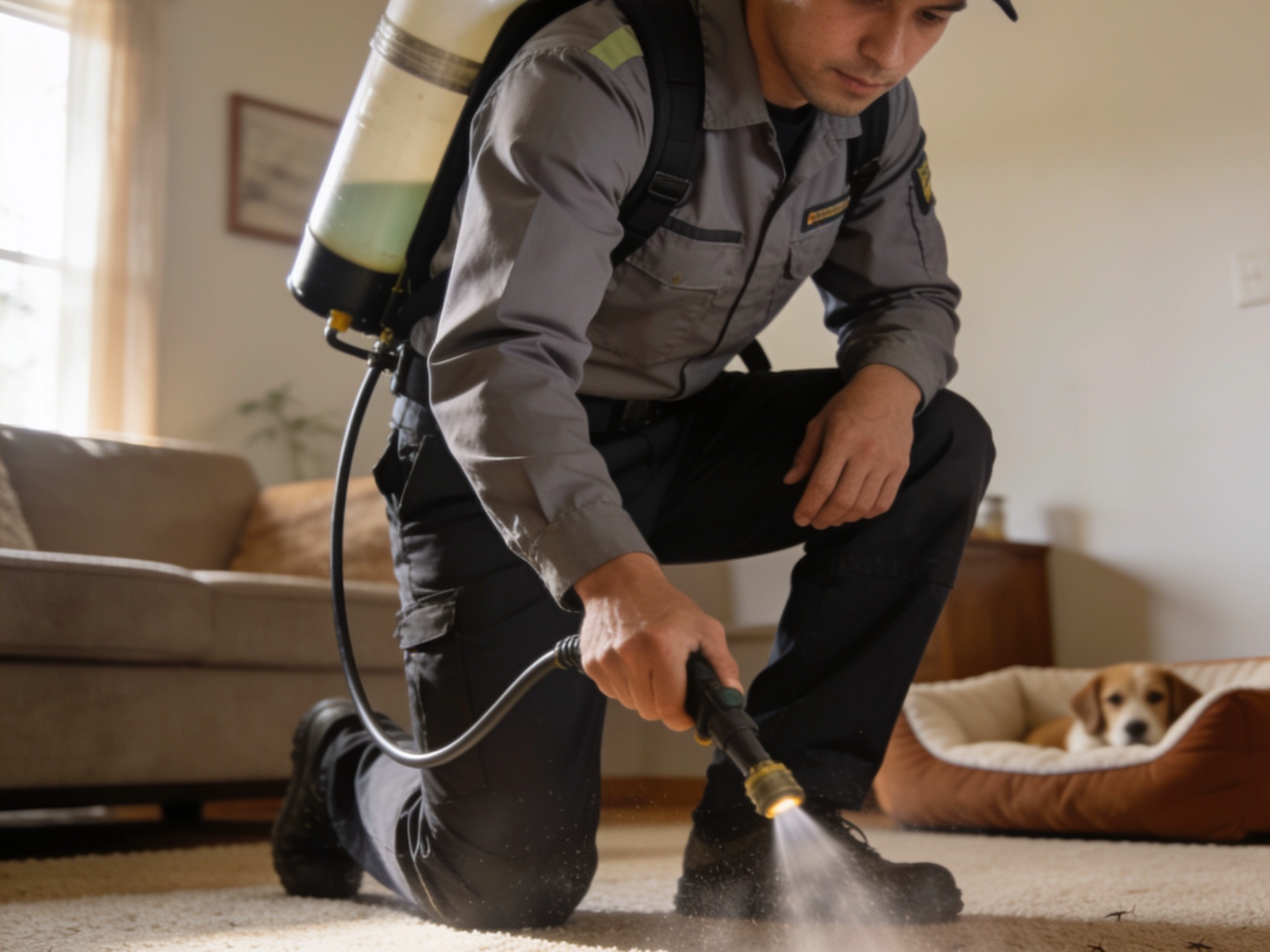


In 2026, the typical hourly rate for professional flea control cost runs from $82 to $171, with many jobs landing near $118. Your total cost depends on how many rooms need treatment, how established the infestation is, and how many return visits are required.
This guide explains what drives pricing, what different treatment types include, how DIY compares to professional work, and what to ask when hiring. For lasting results, treatment usually needs to address pets, indoor spaces, and sometimes outdoor areas within a similar time window, so the flea life cycle is interrupted and reinfestation is less likely[1].
Key takeaways
Expect low-end hourly rates around $82.
Many standard services cluster near $118 per hour.
Severe or widespread infestations can reach $171 and may take multiple visits.
Compare scope, follow-up timing, and any guarantees, not only the initial price.
Licensed professionals can be a better fit when the problem is persistent or widespread.
6 Factors That Affect the Average Flea Treatment Cost
Two homes with similar square footage can get very different quotes because the work is heavily driven by scope. This section covers the biggest cost drivers, and the site's home services pricing directory is a helpful way to compare costs across other projects.
Local pesticide rules and applicator certification requirements can affect which products and methods are available, which can also influence labor and material costs[2].
- Infestation Severity: Heavier infestations usually mean broader coverage, more product, and at least one follow-up visit, which increases the total.
- Treatment Type: Spot treatments, whole-home chemical applications, heat-based approaches, and insect growth regulators can differ in both material cost and technician time.
- Property Size and Layout: Larger homes, multiple stories, and lots of carpeted or pet-frequented areas typically take longer and require more product.
- Indoor vs. Outdoor Work and Landscape Constraints: Yard, shed, and perimeter treatments add time and materials. Nearby water features and runoff concerns can also affect application methods and pricing[3].
- Pets and Occupant Health Needs: Multiple pets, young children, or sensitive occupants may change product choices, prep steps, and re-entry timing, which can change the scope.
- Exclusion and Structural Repairs: Sealing gaps, repairing screens, or addressing moisture issues can reduce the odds of repeat problems, but these steps add upfront cost. Exclusion is commonly discussed as part of broader pest prevention programs[4].
Whole House Flea Treatment and Other Options by Type
Flea services can range from an inspection and targeted treatment to whole-structure work with planned follow-ups. Estimates are shaped by labor, product choice, how many areas are treated, and whether the job includes coordination with pet treatment. For a broader comparison, you can also review overall pest control prices.
| Type of Service | Cost | Features |
|---|---|---|
Inspect Flea Infestation | $79 - $171 | Technician checks interior spaces, pet bedding, and common activity areas to find hotspots, gauge conditions, and recommend a plan. Veterinarians handle detailed pet exams. |
Exterminate Flea Infestation | $218 - $489 | Targeted or whole-home extermination using insecticides, IGRs, or heat. More than one visit may be needed for full control. |
Apply Flea Treatment | $128 - $276 | Professional application of residual sprays or growth regulators to floors, baseboards, and other key areas. |
Treat Pet Flea | $54 - $171 | Onsite or veterinary treatment for dogs and cats, typically paired with home measures to reduce reinfestation. |
Treat Carpet Flea Infestation | $141 - $319 | Treatment of carpets, sometimes paired with deep cleaning to reduce eggs and larvae in fibers. Some companies treat chemically and have owners schedule separate cleaning. |
Treat Upholstery Flea Infestation | $92 - $209 | Spot treatment and cleaning steps for sofas, chairs, and other fabric surfaces where fleas can hide. |
Remove Flea Egg | $104 - $236 | Focuses on reducing eggs and larvae through vacuuming, steaming, and targeted products. It is not a manual egg-by-egg removal process. |
Exterminate Flea Costs
This option is typically used for larger or stubborn infestations that require broad coverage and a clear follow-up plan. Costs range from $218 to $489, with an average of $336.
Pricing is most affected by square footage, the number of rooms, and whether the plan relies on chemical applications, heat, or a combination. Heat-based pest control is discussed in the literature as a safe and efficient method in certain settings, but the exact approach and suitability depend on the structure and materials involved[5]. Some containment and prep steps can resemble those used for bed bug exterminator costs, which may affect labor needs.
Because eggs can continue to hatch after the initial visit, full control often takes weeks and commonly includes at least one follow-up.
Treat Pet Flea Costs
Pet treatment is essential when animals are carrying fleas or showing symptoms. Costs range from $54 to $171, with an average of $96.
What you pay is largely tied to the number and size of pets and whether a veterinarian is involved. The pet flea control cost for animals often shapes the overall plan because successful home treatment usually depends on pets being treated at the same time. Vets decide what is appropriate for each animal.
Treat Carpet Flea Costs
Carpet work targets larvae and eggs that settle into fibers and padding. Costs range from $141 to $319, with an average of $214.
Square footage, carpet condition, and whether any padding needs attention can affect the quote. Guidance on sanitation and pest control practices is often emphasized in commercial settings, and those principles can inform how pros approach thoroughness at home[6]. Some companies bundle deep cleaning, while others focus on insecticide application and expect you to handle vacuuming and shampooing separately.
How Much Does Flea Control Cost by Home Size
Pricing changes with the amount of space being treated and how that space is laid out. Larger homes often require more technician time, more product, and more application zones.
Scope matters because successful plans often include both interior treatment and, when needed, adjacent outdoor work. Yard layout and vegetation can create harborage areas that influence how much outdoor treatment is recommended[7].
Single Room Treatment (Living Room or Bedroom)
These projects focus on one primary space and usually include baseboards, carpeting, and common flea resting areas around furniture. This is most often used for light infestations or targeted follow-ups after pets are treated.
- Cost Range: $126 - $281
- Average Cost: $189
Common price drivers include flooring type, the amount of upholstered furniture, and how much prep is needed. Easier access and less clutter typically reduce labor time.
Multi-Room Treatment (Two to Three Rooms)
Treatment for two to three connected rooms may include hallways, stairs, or a small open-plan layout. This is a common scope when fleas have spread beyond a single room but have not taken hold throughout the home.
- Cost Range: $179 - $391
- Average Cost: $268
More space usually means more time and materials. Stairs, mixed flooring, and additional closets can add to detail work. Some technicians may recommend treating adjacent storage areas where activity is suspected.
Whole-Home Treatment (Entire Interior)
Whole-home treatment typically covers all rooms, closets, and common areas. When needed, it may also include perimeter work outside to reduce the chance of fleas being reintroduced.
- Cost Range: $246 - $536
- Average Cost: $368
Square footage, the number of levels, and how much furniture must be worked around are major cost drivers. Prep tasks, such as laundering bedding, plus scheduled follow-up checks can also affect the final total. Results are usually strongest when the plan is coordinated with pet treatment and, when appropriate, yard applications.
Pet-Only Treatment (On Animals)
Pet-focused services treat animals directly through topical or systemic options, either onsite or through a veterinary provider. This is generally priced per pet rather than by home size, but it is shown here for comparison with space-based treatments.
- Cost Range: $54 - $171
- Average Cost: $96
Pet size, coat type, number of animals, and whether a vet visit is required all influence cost. Pet treatment is most effective when paired with environmental control in the home, and repeat applications may be needed.
Upholstery and Carpet Treatment
This scope focuses on rugs, carpets, and upholstered items rather than a full-room application. Depending on the provider, the approach may include steam, specialized vacuuming, and spot treatments.
- Cost Range: $164 - $361
- Average Cost: $246
Pile height, fabric type, the number of pieces, and whether professional cleaning is included can change labor time and product choice. Heavily used or soiled items may take longer and can have longer dry times.
Prices for Emergency Flea Control
A sudden, heavy infestation can lead to an after-hours or weekend call. Emergency service often costs more due to off-schedule dispatch, travel time, staffing, and supplies reserved for urgent jobs.

Some emergency responses may use heat or rapid-dry equipment to speed results. Confirm that the method is appropriate for fabrics and pets, and ask what fire prevention steps the crew follows when heat is involved[8].
Emergency visits may also involve electrical heaters, fans, or powered pumps. Make sure circuits are accessible, avoid overloading outlets, and ask the provider what electrical safety procedures they use on-site[9]. Keep people and pets, especially children, out of treated areas until your provider clears re-entry, and follow ventilation instructions.
Regional Variation in Flea Control Cost
In 2026, regional pricing differences often reflect climate, pest pressure, and local labor rates. Seasonal peaks, product availability, and common property types also affect how providers build treatment plans.
| Region | Cost | Description |
|---|---|---|
Northeast | $198 - $424 | Cooler winters can reduce year-round pressure, but dense housing and higher labor rates often increase per-visit costs. |
Midwest | $172 - $379 | Seasonal swings can create concentrated treatment windows, and rural travel distances may raise service charges. |
South | $181 - $406 | Warm, humid conditions can support longer flea seasons, increasing the need for follow-up visits and outdoor work. |
West | $189 - $417 | Climate variety and local regulations in some areas can influence product choice and application methods, affecting price. |
Your home layout, indoor pets, and whether carpet treatment or interior cleaning is needed can change how many visits are recommended. If you are also considering yard-related pest work, bundling with mosquito control prices may change the per-service rate by reducing separate trip fees.
Landscaping strategies that reduce pest habitat are commonly discussed as a way to lower repeat pest pressure over time[10]. Local ordinances and seasonal weather patterns can also affect scheduling and product selection.
DIY vs. Professional Flea Control: Cost, Time, and Results
DIY flea control can reduce upfront spending, but it usually requires more time and disciplined follow-through. Professional service costs more, but it can be easier to coordinate, especially when follow-up visits are needed.

DIY Risks, Challenges, and Limitations
DIY can work for small problems, but it is easy to miss breeding sites and areas where fleas are being reintroduced. Gaps around doors, windows, and other entry points can be part of recurring pest issues, and exclusion is often discussed as a component of pest prevention, especially for rodents[11]. Misuse of pesticides is another risk if products are applied incorrectly or too aggressively.
Follow label directions, ventilation guidance, and local rules carefully. Do not mix products unless the label specifically allows it.
Even with consistent effort, you may still see adult fleas for a period as eggs hatch. Repeated vacuuming and follow-up treatment are often needed, and heavy infestations may still call for professional help.
Advantages of Hiring a Professional
Certified technicians can build a plan that targets multiple life stages, uses appropriate products, and schedules follow-ups based on results. When wildlife is involved, some providers also coordinate removal or prevention strategies, and non-lethal handling techniques are discussed in industry research for certain animals[12].
Many methods and materials require a licensed applicator, so confirm licensing and insurance when comparing providers. Professional help can also reduce the chance of incomplete treatment that turns into a repeat problem.
Severe cases may require stronger whole-structure approaches, including options sometimes discussed alongside flea fumigation costs when other methods do not resolve the issue.
Either way, plan for coordination, pets, indoor areas, and any affected outdoor zones often need attention within the same general period, plus at least one follow-up round.
Add-Ons for Flea Control
Add-ons are optional services that go beyond a basic treatment. They raise the total cost, but they can improve results, reduce the workload on your end, or help with prevention. The table below lists common add-ons and what they typically include.
| Add-On | Cost | Details |
|---|---|---|
Deep Cleaning | $118 - $283 | Intensive cleaning of carpets, baseboards, and hidden areas to remove eggs and larvae. Often includes steam cleaning or specialized shampoos. |
Mattress Treatment | $61 - $148 | Targeted treatment of mattresses and nearby upholstery when fleas are confirmed in sleeping areas, using only label-approved, bedding-safe methods and products. |
Yard Treatment | $96 - $224 | Outdoor perimeter and lawn treatment to reduce outdoor flea populations that can reinfest the home. |
HEPA Vacuuming | $73 - $169 | Use of HEPA-filter vacuums to capture fine debris that standard vacuums may miss. |
Follow-Up Visit | $86 - $189 | Scheduled return to assess progress and apply additional treatment if needed. |
Preventive Spray | $72 - $171 | Residual spray applied to common activity areas to reduce the chance of reinfestation for a set period. |
Laundry Service | $67 - $168 | Professional washing and drying of bedding and clothing to help eliminate eggs and larvae with less homeowner effort. |
Add-on pricing varies based on how much labor is involved, how large the area is, and what products or equipment the provider uses.
Planned follow-ups and property-wide approaches are commonly highlighted in pest control programs as a way to reduce recurring problems, which influences which add-ons a professional may recommend. Even with add-ons, results often improve over several weeks as the life cycle is brought under control.
Seasonal Impact On Flea Control Costs
Seasonality affects pricing and scheduling in 2026. Warm months often bring higher flea activity and more demand for treatment appointments, which can push pricing higher in many markets[13]. Holidays and regional climate patterns can also affect travel fees and lead times.
| Season | Cost | Description |
|---|---|---|
Spring / Early Summer | $168 - $362 | Demand often rises as flea activity increases. Appointments may fill faster, and repeat visits may be recommended. |
Peak Season | $192 - $416 | Worst local period for infestations, often late spring through midsummer. High demand and tight schedules can raise rates. |
Summer | $184 - $398 | Hot, humid conditions can extend flea activity in many areas, increasing the odds of larger or repeated treatments. |
Autumn | $156 - $338 | Demand often tapers after peak months, and scheduling can be easier while some regions still see activity. |
Winter / Off-Season | $143 - $312 | Lower activity reduces demand in many areas, which can improve availability and sometimes pricing. |
Other seasonal cost pressures can include:
- Peak Demand: Higher call volume and overtime can raise rates, and limited openings can push jobs into higher-priced time slots.
- Weather Limitations: Rain, extreme heat, or freezing temperatures can delay outdoor work or require extra prep.
- Local Labor Conditions: Rural areas may see higher travel charges, while urban markets may have more pricing competition.
Is Professional Flea Control Worth the Cost?
Fleas are more than an irritant. The CDC identifies fleas as vectors for murine typhus and as the intermediate host for tapeworms, which can infect both pets and children who accidentally ingest an infected flea. Secondary skin infections from scratching are also common, particularly in households with young children or immunocompromised individuals.
A professional treatment running near $118 per hour is often far less than the compounding cost of repeated over-the-counter products that fail to break the flea life cycle, added veterinary visits for pets, or medical care tied to secondary infections. Homes with heavy carpet, multiple pets, or outdoor access are especially prone to reinfestation without a structured, multi-visit plan.
Early, coordinated treatment, covering pets, interior spaces, and when needed the yard, is almost always cheaper than emergency service after a large-scale infestation has taken hold.
How to Save on Flea Control
You can often lower the total cost by reducing technician time on basic prep and by cutting down on repeat visits. Preparation, prevention, and careful program planning can help, and in limited cases some homeowners may find support through government home repair or assistance resources[13]. Check with local health departments or housing agencies to see what, if anything, applies in your area.
- Prepare Treatment Areas: Vacuum thoroughly, wash bedding and removable fabrics, and reduce clutter so technicians can focus on treatment rather than prep.
- Combine Services: If you already need other pest or yard work, ask whether combining visits reduces trip fees.
- Follow Pre and Post-Treatment Steps: Follow provider's instructions for pet care, cleaning, and re-entry timing to reduce the chance of repeat visits.
- Ask About Targeted Options: When the infestation is limited, ask whether a focused plan makes sense before paying for full-property service.
- Use Preventive Habits: Keep pets on a regular flea prevention routine and maintain cleaning and yard care to reduce recurrence.
Connect with vetted home improvement contractors through homeyou to compare estimates, confirm certifications, and choose a plan that fits your home and timeline.
Frequently Asked Questions About Flea Control
References
[1] Larramendy, Marcelo L., and Sonia Soloneski, "Integrated Pest Management and Pest Control - Current and Future Tactics", https://doi.org/10.5772/1383.
[2] Association of American Pesticide Control Officials, "Documents 2002 to Present", http://aapco.org/documents.
[3] "Research Report Impact of Ant Control Technologies on Insecticide Runoff and Efficacy", NPMA PestWorld, https://npmapestworld.org/content-pages/technical-resources/pmf-research-reports/research-report-impact-of-ant-control-technologies-on-insecticide-runoff-and-efficacy.
[4] Stop Pests, "Developing a Pest Exclusion Program for Cockroaches and Rodents - StopPests.org", https://stoppests.org/ipm-training/training-opportunities/stoppests-webinars/developing-a-pest-exclusion-program-for-cockroaches-and-rodents/#7.
[5] "Controlled Environment Heat Treatment as a Safe and Efficient Method of Pest Control", http://cool.culturalheritage.org/byauth/nicholson/heatpest.html.
[6] Kloosterman, L. and K. Mager, "Pest Control in Food Businesses: An Introduction", https://doi.org/10.1533/9780857098634.3.465.
[7] Sorvig, Kim, and J. William Thompson, "Sustainable Landscape Construction", https://doi.org/10.5822/978-1-61091-811-4.
[8] U.S. Fire Administration, "Fire Prevention and Community Risk Reduction", https://usfa.fema.gov/prevention/.
[9] Electrical Safety Foundation International, "Home Electrical Safety", https://www.esfi.org/home-electrical-safety/.
[10] United States Environmental Protection Agency, "Resource Conserving Landscaping", https://archive.epa.gov/.
[11] Stop Pests, "What Exclusion Techniques Work for Rodents", https://stoppests.org/frequently-asked-questions/what-exclusion-techniques-work-for-rodents/?keywords=rats.
[12] NPMA, "Research Report A Non-Lethal Technique for Raccoon Removal From Human-occupied Structures", https://npmapestworld.org/content-pages/technical-resources/pmf-research-reports/research-report-a-non-lethal-technique-for-raccoon-removal-from-human-occupied-structures.
[13] "Government Home Repair Assistance Programs", USAGov, https://usa.gov/home-repair-programs.


