
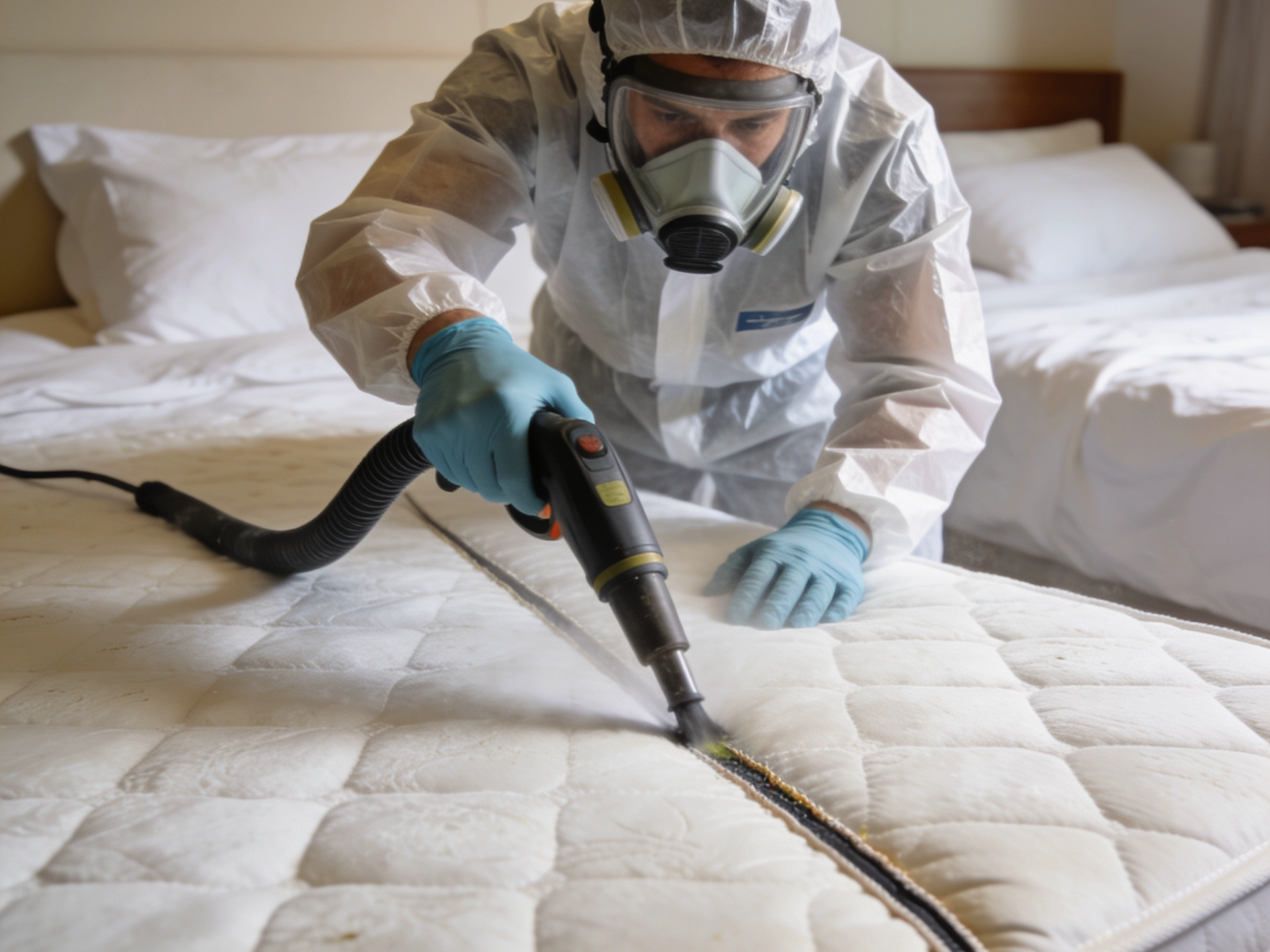


In 2026, the bed bug exterminator cost typically ranges from $924 to $5,418, with most jobs averaging around $2,886. Pricing depends on treatment method, infestation size, and number of visits, so understanding what goes into a quote can help you avoid surprises and compare contractors more effectively[1].
This guide breaks down treatment types, size and severity pricing, and hiring tips that help you compare quotes with fewer surprises.
Key takeaways
Expect costs between $924 and $5,418, with most jobs averaging around $2,886.
Lower-cost options can work for small, localized infestations, but confirm what prep, follow-ups, and retreatments are included.
Multi-visit plans are common, the number of treatments needed significantly affects your total.
Whole-home or intensive treatment methods push costs toward $5,418 when extra time, materials, and monitoring are required.
Ask about guarantees, expected visit count, and who performs the work so you can judge overall value.
Bed Bug Exterminator Cost Per Hour
Hourly billing for bed bug work typically covers technician time, equipment setup, and on-site treatment. Rates can shift based on the treatment method, how widespread the infestation is, and any safety steps required for the approach being used.
Some companies use a blended hourly rate internally to build a flat quote that includes inspection, initial treatment, and one or more follow-ups. Others bill hourly for specific tasks, such as additional treatment time beyond the original scope or intensive cleaning related to add-on services.

A "Full Extermination Service" line often represents the bundled labor rate behind package pricing, while "Treatment Application" is commonly used for extra treatment time or follow-up work outside the original quote. An inspection billed hourly can help narrow the scope and prevent paying for broader treatment than you need. Many professional services use integrated pest management strategies[2].
Before you book, ask about minimum billable hours, travel fees, and what follow-up visits cost.
Bed Bug Removal Service Cost by Type
Below are common bed bug service types and what typically drives the price. Most quotes depend on infestation size, urgency, treatment method, materials, and local labor rates. For broader context, you can also compare costs for pest control across services.
| Type of Service | Cost | Features |
|---|---|---|
Inspect Bed Bug Infestation | $129 - $368 | A focused inspection to confirm bed bugs and estimate severity. This may include visual checks and, in some cases, canine detection. |
Exterminate Bed Bugs | $924 - $4,418 | Targeted treatments, often chemical or combined low-intensity methods, focused on known areas. Multiple visits may be needed. |
Treat Bed Bug Infestation | $1,486 - $4,486 | More comprehensive programs that may use heat, steam, or whole-structure approaches for moderate to heavy infestations. |
Apply Bed Bug Preventative Treatment | $289 - $748 | Residual or barrier treatments applied after clearance to reduce the chance of reintroduction. |
Remove Bed Bug Infested Mattress | $168 - $548 | Disposal and replacement, or specialized containment and treatment for infested bedding. |
Clean Bed Bug Infested Area | $238 - $689 | Deep cleaning, laundering, and vacuuming to remove eggs, shed skins, and debris that can interfere with treatment. |
Monitor Bed Bug Activity | $96 - $324 | Interceptors or active monitors used to detect ongoing activity after treatment. |
Extermination Costs
Extermination usually means targeted killing of active bed bugs, commonly using insecticides applied to known problem rooms, with follow-ups as needed. Expect $924 - $5,418, with an average around $2,886. The biggest cost drivers are infestation size, number of treatments, product selection, and how easy it is to access the areas being treated.
Many programs require multiple visits over several weeks to address newly hatched bugs and verify results. Before you approve a quote, ask how many follow-ups are included and how long the provider expects the process to take.
Bed Bug Infestation Treatment Costs
Comprehensive treatment programs may use heat, steam, fumigation, or a combined approach, and they are often used for moderate to heavy infestations. Typical pricing runs $1,486 - $4,486, averaging about $2,648. Costs often track with the method chosen, square footage, furniture volume, and any containment steps required. Integrated pest management approaches can combine multiple tactics[3]. For heat-specific pricing, see the cost of bed bug heat treatment.
These programs often include an initial treatment plus follow-up inspections and retreatment if activity is still present. Providers may confirm success after a period with no signs of activity, based on their monitoring and inspection process.
Preventative Treatment Costs
Preventative treatments use residual products or barrier measures after clearance to reduce the chance of reinfestation. Costs range from $289 - $748, with an average of $472. Price is influenced by the treated area, the product used, and whether monitoring is included.
6 Factors That Affect the Bed Bug Infestation Cost
Several factors can change what you pay, so it is worth collecting more than one estimate. You can also browse the broader directory of home services pricing to compare related work.
- Infestation Size and Severity: Larger or well-established infestations usually take more labor, longer treatment time, and sometimes multiple methods, which raises cost.
- Treatment Method: Heat, chemical sprays, steam, and encasements have different equipment and labor requirements. Some programs also include monitoring and sanitation steps that affect the final price[4].
- Property Size and Layout: A studio is typically faster to treat than a multi-level home with multiple bedrooms, closets, and hiding spots, since more surfaces and voids need inspection and treatment.
- Furniture and Belongings: More upholstered furniture, wall hangings, and clutter can mean extra handling, bagging, and prep work, which adds labor time and sometimes disposal costs.
- Home Preparation and Exclusion Work: Prep steps like decluttering, laundering, and installing mattress encasements can improve results but may add time. Minor sealing of cracks and gaps can reduce hiding places, though bed bug prevention generally focuses more on inspecting belongings and sleeping areas than on blocking "entry points"[5].
- Follow-Up Visits and Monitoring: Some quotes include one follow-up visit, while others include scheduled inspections and monitoring. Plans with more check-ins usually cost more overall.
Bed Bug Exterminator Cost By Size
The size and layout of the space are major cost drivers. Larger areas usually require more labor, more materials, and more time. Complex layouts and shared living situations can also add coordination and follow-up needs.
Room count, square footage, furniture density, and unit connectivity often shape pricing. Treating contiguous spaces may cost less per square foot than treating many separated rooms, since setup and containment are simpler.
Single-Room Treatment
A single-room service focuses on the bed, nearby furniture, and common hiding spots in one sleeping area.
- Cost Range: $428 - $1,186
- Average Cost: $742
Prices tend to rise with heavy clutter, extensive upholstered furniture, or limited access that slows down inspection and application. Single-room jobs often use less product or heat time, and may involve fewer follow-ups than larger projects.
Multiple-Room Treatment
This covers two to three adjacent rooms, such as a bedroom plus a nearby living area.
- Cost Range: $1,286 - $3,628
- Average Cost: $2,194
Costs scale with each additional room because technicians must treat more furniture and inspect more seams, edges, and voids. Separate floors or rooms that require independent setup and containment can also increase labor time.
Entire-Home Treatment
Whole-home services cover bedrooms, living areas, and common spaces throughout a single-family home.
- Cost Range: $2,368 - $6,126
- Average Cost: $3,842
Whole-home treatments may use larger volumes of product or specialized heat systems and often require multiple technicians for longer periods. Prep work, furniture movement, and follow-up inspections also contribute to the total.
Shared Living Space Treatment
This applies to shared bedrooms, dorm settings, communal lounges, or laundry areas, where bed bugs can move between personal spaces.
- Cost Range: $1,184 - $3,384
- Average Cost: $2,036
Scheduling access, coordinating with occupants, and setting up repeat monitoring can affect both labor and total project cost. Providers may use targeted applications plus repeated checks to reduce reintroduction through personal items.
Multi-Unit Building Treatment
Multi-unit work addresses infestations affecting multiple apartments or condominiums and often requires coordinated treatment plans across units.
- Cost Range: $4,186 - $14,228
- Average Cost: $7,684
Because bed bugs can move between units through shared walls and common spaces, coordinated control is often needed. Administrative time, access logistics, and multiple crews can increase total cost. In rental housing, responsibility for treatment may depend on local rules and lease language, so tenants should review their lease and local regulations.
For severe infestations requiring whole-structure approaches, review the price of fumigation if an inspector recommends that option.
Bed Bug Exterminator Cost Per Square Foot
Many companies price bed bug work per square foot because labor and materials scale with the area treated. Per-square-foot quotes often bundle labor, materials, and standard preparation or containment steps, which can make it easier to compare bids.
This approach may include initial treatment and basic follow-ups, but it may exclude add-ons like deep cleaning or specialty handling. The table below shows common per-square-foot services and what typically affects pricing.
| Service Type | Cost | Details |
|---|---|---|
Bed Bug Extermination | $1 - $3 | Standard chemical or combined-method treatments. Pricing varies with infestation density and access to affected areas. |
Heavy Infestation Treatment | $2 - $5 | Intensive protocols that may require multiple visits. Discarding heavily infested items can raise labor and material costs. |
Preventative Treatment Application | $0.44 - $1 | Barrier sprays and residuals used after clearance. Costs depend on product type and surface complexity. |
Infested Area Cleaning | $0.58 - $1 | Steam cleaning and debris removal. Furniture handling and prep time can increase the per-sqft rate. |
Monitoring and Detection | $0.19 - $0.58 | Monitoring devices plus inspection labor, used before or after treatment to confirm results. |
Entry Point Sealing | $0.32 - $0.94 | Sealing gaps and crevices can reduce hiding spots and may help limit movement between rooms or units. |
Treatment method, severity, and preparation requirements drive most per-square-foot cost differences. Heat treatment can cost more per square foot, but it may reduce the need for repeat visits in severe cases.
When you compare quotes, ask what the per-square-foot price includes. Confirm whether follow-up inspections, mattress encasements, and furniture handling are included or billed separately.
Emergency Bed Bug Exterminator Costs
Same-day and after-hours calls often cost more because the provider has to adjust routing and staffing. Emergency work may include travel premiums, overtime labor, and rapid containment steps, which can raise the invoice compared with a scheduled appointment.

Heat treatments involve high-temperature equipment. If used improperly, overheating can create fire risks, so reputable providers follow strict safety procedures[6]. In the less common situations where fumigant gases are used, the main concerns are exposure control and proper aeration. Whole-structure fumigation is not a standard residential approach in many areas.
Before work starts, ask the emergency provider how they handle safety, ventilation, and containment. To keep the visit efficient, list the affected rooms and clear floors and surfaces where possible. Follow the technician's instructions for protecting or unplugging electrical devices to reduce hazards during treatment[7].
Average Bed Bug Treatment Cost by Region
Where you live affects pricing in 2026. Local labor costs, travel time, housing density, and the types of treatment commonly offered in your area can all shift the price range. Comparing multiple quotes within your region is the best way to set expectations.
| Region | Cost | Description |
|---|---|---|
Northeast | $1,016 - $5,960 | Higher labor costs and dense urban areas often raise prices. Older housing can add inspection and prep time. |
Midwest | $878 - $5,147 | Lower average labor rates can reduce costs, but rural travel distances may add fees. Seasonal demand can affect scheduling. |
South | $785 - $4,605 | Warmer climates can increase year-round demand, influencing availability and pricing. Competitive markets may bundle services. |
West | $1,109 - $6,502 | High urban costs and local rules can affect method selection and price. Multi-family treatments may be more common. |
Local rules can influence which products and methods are allowed, as well as any required preparation or notifications. Differences in pesticide regulation can contribute to pricing gaps between nearby areas[8].
DIY vs. Hiring a Professional Bed Bug Exterminator
Choosing DIY or professional help affects cost, time, and the likelihood of eliminating the infestation in 2026. Use the comparison below to match the approach to your situation and tolerance for repeat work.

DIY Risks, Challenges, and Limitations
DIY steps can lower upfront spending, but they usually require accurate identification, repeated applications, and strict laundering and containment routines. If you miss hiding spots or apply the wrong product, bed bugs can persist and the total cost can rise over time.
Some products also create health and safety risks when used incorrectly. Misusing total-release foggers, applying pesticides not labeled for indoor use, or attempting improvised heat methods can be dangerous. These approaches can also push bed bugs into new areas. Always follow label directions and avoid unapproved methods.
Advantages of Hiring a Professional
Professionals bring training, specialized equipment, and treatment plans that address more than visible mattress seams. A qualified provider can combine chemical, heat, and integrated strategies, and many plans include follow-up visits.
Licensed companies operate under state regulations, carry insurance, and use products and application methods approved for indoor use. If you are also weighing lower-toxicity options, resources on organic pest control costs can help you compare approaches.
How to Choose Between DIY and Professional
If the infestation is truly limited and you can follow protocols closely, DIY may be reasonable for early detection and small clusters. For widespread, recurring, or multi-unit issues, professional service can reduce the chance of hidden reservoirs and ongoing spread.
When you speak with providers, ask about guarantees, treatment scope, and prevention steps. Some programs include planning that reduces reinfestation risk through broader prevention practices[9]. Keep receipts and treatment records, especially if you rent or anticipate follow-up claims.
Add-Ons for Bed Bug Exterminator
Add-ons are optional services that can improve treatment effectiveness, protect belongings, or speed recovery. They increase the total cost, but they can be worth it when they reduce repeat visits or address hard-to-treat hiding places.
| Add-On | Cost | Details |
|---|---|---|
Furniture Encasement | $68 - $264 | Mattress and box-spring encasements can trap remaining bugs and reduce future hiding spots when used as part of a broader plan. |
Carpet Steam Cleaning | $118 - $364 | Steam can kill bugs in carpet fibers and remove debris. It is usually recommended when activity is near carpeted areas. |
Electronics Disinfection | $96 - $336 | Inspection and low-heat or dry methods for electronics that may harbor bugs, used selectively when needed. |
Luggage Treatment | $74 - $228 | Targeted treatment for travel bags to reduce reintroduction risk after known exposure. |
Vehicle Treatment | $184 - $548 | Interior treatment for cars or RVs, focused on upholstery seams and crevices. |
Wall Void Treatment | $128 - $428 | Injection or dusting inside walls to reach hiding spots not accessible to surface treatments. |
Post-Treatment Inspection | $84 - $278 | Follow-up inspection to check for remaining activity and guide next steps, often scheduled weeks after service. |
A follow-up inspection can help identify persistent hotspots and guide next steps, similar to how a termite inspection helps determine the scope of an issue[10].
Add-on pricing often reflects product quality, the complexity of the area being treated, and technician time. Some treatments require specialized chemistries designed to reach protected areas, which can affect cost[11]. Product age and storage conditions can also influence performance for certain formulations used in broader pest management programs[12].
Ways to Reduce Bed Bug Extermination Costs
You can often lower the total cost by making the job faster and reducing the chance of repeat work. These steps typically help the technician treat more thoroughly within the time paid for.
- Prepare Rooms Thoroughly: Follow prep instructions closely, launder and bag bedding, and clear access to beds and baseboards so technicians can work efficiently.
- Do Targeted Decluttering: Remove excess items from affected rooms and store belongings in sealed containers to reduce hiding spots and speed treatment.
- Use Mattress Encasements: Use encasements before and after treatment when recommended. They can trap bugs inside and reduce new hiding spots, but they need to stay on long term, often a year or more, and work best alongside other treatments.
- Request an Inspection First: An inspection can define the affected areas and help you avoid paying for unnecessary whole-home treatment.
- Check Assistance Programs: Some local programs may offer guidance or support for home repair and related issues[13].
To compare quotes and find qualified help, connect with bed bug exterminator professionals through homeyou. You can review options for inspection, treatment plans, and follow-up support so you can choose the best fit for your home and budget.
Frequently Asked Questions About Bed Bug Exterminator
References
[1] National Pest Management Association, "NPMA Debuts Bed Bugs Exposed A Series Revealing How These Sneaky Pests Invade Your Home", Pest World, https://pestworld.org/multimedia-center/press-releases/npma-debuts-bed-bugs-exposed-a-series-revealing-how-these-sneaky-pests-invade-your-home.
[2] Bruesch, Jay C., "Institutional pest management current trends", Executive housekeeping today, https://pubmed.ncbi.nlm.nih.gov/10134138/.
[3] Larramendy, Marcelo L., and Sonia Soloneski, "Integrated Pest Management and Pest Control - Current and Future Tactics", https://doi.org/10.5772/1383.
[4] Kloosterman, L. and K. Mager, "Pest Control in Food Businesses: An Introduction", https://doi.org/10.1533/9780857098634.3.465.
[5] Stop Pests, "What Exclusion Techniques Work for Rodents", https://stoppests.org/frequently-asked-questions/what-exclusion-techniques-work-for-rodents/?keywords=rats.
[6] U.S. Fire Administration, "Fire Prevention and Community Risk Reduction", https://usfa.fema.gov/prevention/.
[7] Electrical Safety Foundation International, "Home Electrical Safety", https://www.esfi.org/home-electrical-safety/.
[8] Association of American Pesticide Control Officials, "Documents 2002 to Present", http://aapco.org/documents.
[9] Stop Pests, "Developing a Pest Exclusion Program for Cockroaches and Rodents - StopPests.org", https://stoppests.org/ipm-training/training-opportunities/stoppests-webinars/developing-a-pest-exclusion-program-for-cockroaches-and-rodents/\#7.
[10] PestWorld, "What Is a Termite Inspection and Why Do You Need One", https://pestworld.org/news-hub/pest-articles/what-is-a-termite-inspection.
[11] "Research Report Efficacy of Several Pesticide Products on Brown Widow Spider Araneae Theridiidae Egg Sacs and Their Penetration Through the Egg Sac Silk", https://npmapestworld.org/content-pages/technical-resources/pmf-research-reports/research-report-efficacy-of-several-pesticide-products-on-brown-widow-spider-araneae-theridiidae-egg-sacs-and-their-penetration-through-the-egg-sac-silk.
[12] NPMA, "Research Report The Perfect Meal Determining How Aging Effects Cockroach Gel Bait Performance", https://npmapestworld.org/content-pages/technical-resources/pmf-research-reports/research-report-the-perfect-meal-determining-how-aging-effects-cockroach-gel-bait-performance.
[13] "Government Home Repair Assistance Programs", USAGov, https://usa.gov/home-repair-programs.


