
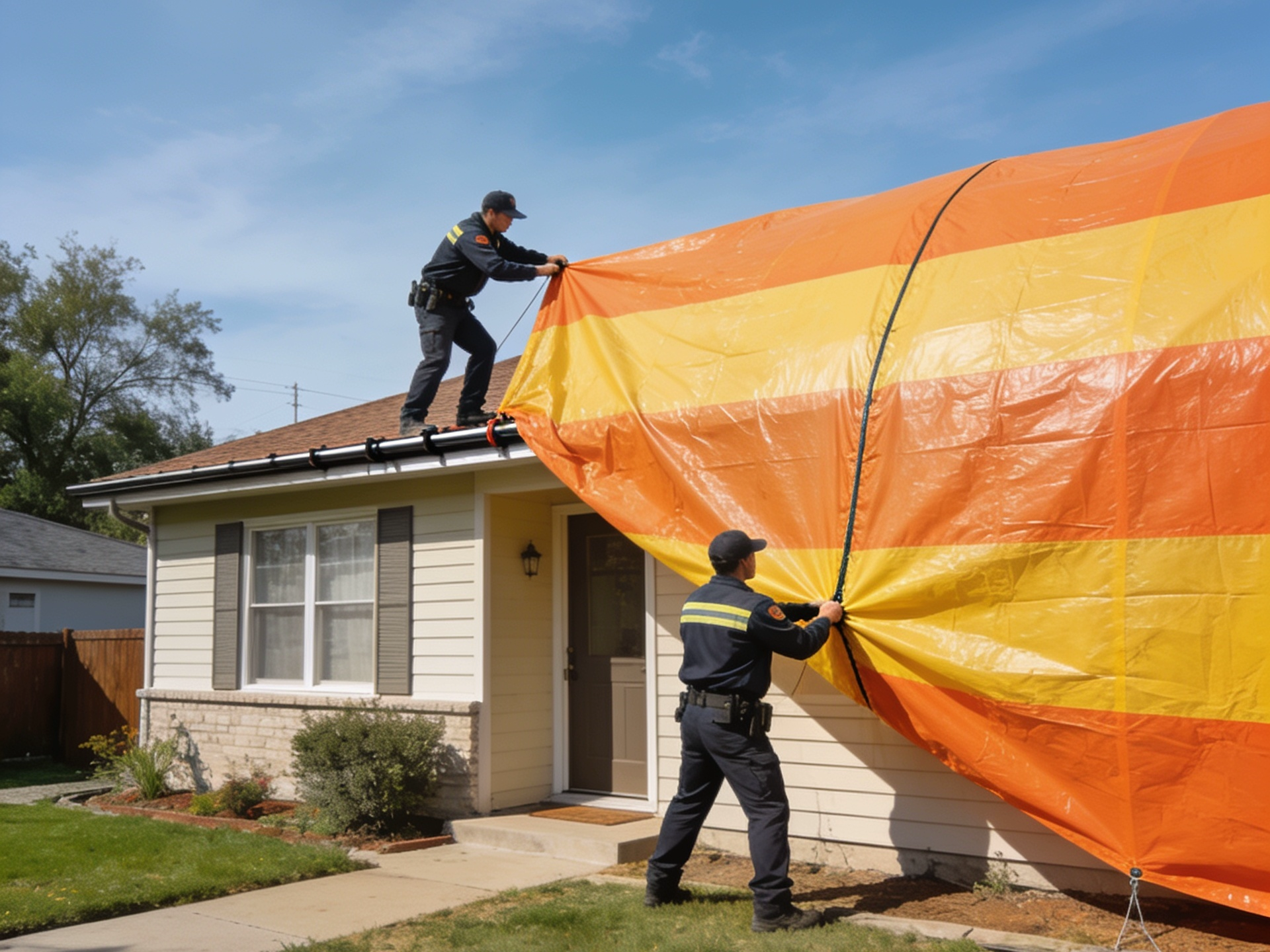


In 2026, termite tenting cost typically falls between $1,694 and $3,240, with many homeowners paying about $2,552 for full-structure fumigation after an inspection confirms it is needed.
Below, you will find the main cost drivers, how tenting compares with other approaches, and practical hiring tips for reviewing quotes and timelines[1].
Key takeaways
Tenting can start around $1,694 for smaller, simpler homes.
Many homeowners pay about $2,552 for whole-structure fumigation.
Larger or more complex setups can reach $3,240.
Inspection findings and building complexity are two of the biggest reasons quotes differ.
Structural fumigation is performed by licensed professionals, and it targets active termites. Ongoing risk depends on conditions and prevention steps after treatment, not licensing alone.
Fumigation does not repair termite damage. Any repairs are a separate scope and cost.
7 Factors That Affect the Termite Fumigation Cost
Two homes with similar square footage can receive very different tenting estimates. Contractors price fumigation based on what it takes to tent the structure safely, reach effective concentrations, and complete clearance steps.
Here are seven factors that commonly affect pricing. For a broader view of typical costs across home projects, you can also browse the home services pricing hub.
- Property Size and Layout: Larger homes usually need more tenting material, more fumigant, and more crew time. Complicated layouts and multiple rooflines also add labor.
- Infestation Severity: Widespread activity can affect how the job is scheduled and monitored, and may involve follow-up inspections or additional localized work alongside fumigation.
- Construction Type and Materials: Wood framing, older construction, and homes with crawlspaces or basements can require more careful setup and attention because wood and moisture conditions influence vulnerability[2].
- Accessibility and Preparation Needs: Tight lot lines, steep roof sections, nearby trees, attached patios, and the amount of interior prep can all increase labor during tent setup and removal.
- Local Labor Rates and Travel: Crew availability, regional pay rates, and travel time matter, especially for remote locations.
- Chemical Choice and Licensing Requirements: Product requirements, monitoring tools, and documentation can change the overall process and cost[3]. Fumigant gases are restricted-use products handled by licensed operators.
- Required Vacating Time and Disruption: Your out-of-home time can create added costs, such as lodging, boarding for pets, or storage for certain items, and it can also affect how quickly a contractor can schedule the work.
Types of Termite Tenting
Termite tenting is usually a package of steps, including inspection, preparation, tent installation, treatment, monitoring, tent removal, and ventilation. Pricing changes with how much of that work is included, how complex the structure is, and how quickly the job needs to happen.
Fumigation is often used as one tactic within broader integrated pest management strategies[4]. For related pricing, see our termite fumigation costs guide.
| Type of Service | Cost | Features |
|---|---|---|
Inspect Termite Infestation | $88 - $284 | Visual and tool-assisted evaluation to confirm infestation, estimate damage, and determine whether tenting or alternatives are required. |
Prepare Home For Tent Fumigation | $225 - $625 | Removal or protection of food, plants, pets, and sensitive items; sealing interior vents and securing valuables before tenting. |
Install Fumigation Tent | $845 - $1,895 | Custom tenting of the entire structure to contain fumigant; complexity rises with rooflines, attached structures, and landscaping obstacles. |
Exterminate Termites | $1,185 - $2,595 | Introduction of fumigant gas under the tent to eradicate colony members throughout the enclosed volume. Whole-structure heat treatment is a separate, usually tentless alternative service with different prep and pricing[5]. |
Monitor Fumigation Gas Level | $245 - $615 | Continuous or periodic gas sampling and meter readings to verify concentration during treatment and clearance thresholds afterward. |
Remove Fumigation Tent | $315 - $785 | Safe takedown and disposal or storage of tenting material after clearance tests confirm acceptable gas levels. |
Ventilate Home Post Fumigation | $165 - $465 | Forced ventilation and air quality checks to purge fumigant residues before reentry is allowed. |
Install Fumigation Tent Costs
Tent installation is the labor and materials needed to enclose and seal the structure so the fumigant stays contained. Costs typically run from $845 to $1,895, with an average around $1,285.
Pricing is driven mainly by:
- Home footprint and height
- Roof complexity and attached structures
- Clearance around the home, including landscaping access
- Tent material needs and setup time
Exterminate Termites Costs
This is the fumigant application phase after the structure is tented and sealed. When an inspection confirms active termites, extermination commonly ranges from $1,185 to $2,595, with an average of $1,765.
Costs can change based on infestation scope, fumigant requirements, and permitting. These line items often compare to typical pest control charges, but structural fumigation is usually more involved.
Fumigation targets live termites, but it does not repair damaged wood or restore structural strength.
Monitor Fumigation Gas Level Costs
Monitoring tracks fumigant concentration during treatment and confirms clearance thresholds before reentry. You can expect costs from $245 to $615, with an average of $395.
Pricing depends on staffing, monitoring equipment, time on site, and reporting requirements. Documented monitoring and safety procedures are commonly emphasized in institutional pest management practices[6]. The home must remain vacated until licensed personnel confirm it is cleared for reentry.
Termite Tenting Cost By Size
Size and layout are major cost drivers because larger or more complex structures take more tenting fabric, more fumigant volume, and more crew time.
Size affects pricing through:
- Tent surface area and structure height
- Number of openings and penetrations to seal
- Setup and takedown time
- Whether connected spaces must be treated together
Treatments that cover connected spaces or the full structure generally require more resources and can raise the overall price[7].
Single-Room Tenting
This is a small setup confined to one interior room or a limited area, such as a bedroom or office. It is typically used for highly localized issues when a provider determines it is appropriate.
- Cost Range: $485 - $1,185
- Average Cost: $765
Smaller enclosures can reduce labor and materials, but access issues and fragile or high-value contents can add time and handling. Permits and reentry rules still apply and can affect the final invoice. For drywood termites, room-only tenting may be less common, since many situations call for whole-structure fumigation or other localized, non-tent approaches based on the inspection.
Multiple-Room or Wing Tenting
This covers several adjacent rooms or a distinct section of a home, such as an in-law suite or a cluster of rooms on one floor.
- Cost Range: $1,265 - $2,785
- Average Cost: $1,895
As coverage expands, material and fumigant needs increase, and setup and monitoring typically take longer. Stairwells, interior separations, and moving or isolating contents across multiple rooms can also raise labor time.
Entire-Home Tenting
A full-structure fumigation encloses the entire residence. It is commonly recommended when infestation is widespread or when a provider determines a comprehensive treatment is the best fit.
- Cost Range: $1,572 - $2,690
- Average Cost: $2,066
Whole-house tenting is usually the most labor and material intensive option. Preparation, clearance testing, and coordinating time out of the home can add to the schedule and total cost.
Attached Structure Tenting (Garage, Porch, Sunroom)
This applies to attached areas such as garages, sunrooms, or screened porches, especially when they need to be treated and sealed at connection points.
- Cost Range: $965 - $2,185
- Average Cost: $1,485
Irregular shapes and multiple access points can increase both tenting time and monitoring needs. If attached areas share cavities with the main house, the scope may expand after inspection, which can raise the quote.
Main House Exterior-Only Tenting
This is described as focusing on the exterior envelope or targeted sections, typically when activity is concentrated near exterior areas.
- Cost Range: $785 - $1,865
- Average Cost: $1,245
Any tented fumigation still needs to enclose the treated area so gas can reach internal wood members. In practice, exterior-focused work is often handled as localized treatment or perimeter or barrier work, rather than partial tenting that leaves interior spaces open.
What Is the Cost of Emergency Termite Tenting?
When active termites are discovered suddenly, homeowners sometimes request short-notice tenting to limit further damage. Emergency pricing is often higher because crews may need to reshuffle schedules, mobilize quickly, and staff overtime or weekend work.
Licensed firms also need to follow applicable safety and containment rules when using fumigants[8]. Even with emergency requests, the start date may still depend on permits, fumigant availability, and how quickly your home can be prepared. Same-day scheduling often means rapid inspection and planning, not immediate tent installation.

Emergency quotes may include premium-rate prep work, like sealing, moving items, or coordinating temporary relocation. Ask for an itemized estimate so you can see what is driving after-hours pricing.
Before you book, request proof of licensing and insurance, and get the reentry timeline in writing. It also helps to compare at least two quotes and confirm whether post-fumigation inspections or monitoring are included or billed separately. Because structural fumigation uses restricted, regulated gases, DIY tenting is unsafe and illegal in many states.
Cost by Region for Termite Tenting
Regional pricing varies due to climate, termite pressure, labor availability, and local rules. The table below shows typical ranges for 2026 and what tends to influence pricing in each area.
| Region | Cost | Description |
|---|---|---|
Northeast | $2,395 - $5,095 | Cooler climate lowers year-round activity, but higher labor and inspection fees can raise costs. |
Midwest | $2,185 - $4,685 | Variable climates and longer travel for specialists affect pricing, plus seasonal demand spikes. |
South | $2,245 - $4,895 | High termite pressure and frequent treatments increase demand and can push prices higher. |
West | $2,465 - $5,295 | Regional regulations and rugged access in some areas influence both materials and labor costs. |
Beyond region, permitting, disposal rules, and the number of certified applicators in your area can change a quote noticeably. Your home's footprint, crawlspace access, and the amount of protection needed for landscaping and outdoor items also affect the final number.
Expect an on-site estimate that lists permits, prep work, and post-treatment monitoring. If you are concerned about landscaping, follow common guidance on minimizing chemical impacts to outdoor areas and plants[9].
Termite Tenting Add-Ons
Add-ons are optional services that can make tenting easier to manage, especially if you have lots of furniture, pets, or landscaping that needs protection. They increase the total cost, but they can reduce your workload and help the job run on schedule.
| Add-On | Cost | Details |
|---|---|---|
Furniture Moving | $285 - $1,085 | Movers shift or temporarily relocate furniture and large items to give technicians safe access and allow proper sealing, reducing the homeowner's physical workload. |
Plant Protection | $165 - $745 | Covers temporary relocation, covering, or pruning of plants and shrubs to prevent chemical damage; larger trees may require a certified arborist for safe handling[10]. |
Food Storage Assistance | $125 - $445 | Service includes sealed storage containers or temporary off-site storage for exposed food and perishables to meet safety requirements during fumigation. |
Pet Boarding | $95 - $465 | Short-term boarding or transport for pets while the house is tented, including coordination and paperwork to reduce homeowner stress. |
Premise Sealing | $145 - $545 | Sealing gaps and vents before fumigation improves fumigant retention and effectiveness, often increasing labor and materials costs. |
Post-Fumigation Cleaning | $185 - $685 | Includes airing out, vacuuming, and wipe-downs for general hygiene; modern structural fumigants are designed not to leave surface residues when used correctly, so cleaning is mainly for dust and household mess, not pesticide films. |
Follow-Up Inspection | $105 - $255 | A return visit to verify termite elimination and inspect for re-infestation, useful for peace of mind and warranty compliance. |
Add-on pricing depends on home size, the number of items that need handling, and whether specialist help is needed. A pre-tent assessment tied to termite inspection fees can also clarify which prep steps are required, and which are optional.
How Season Affects Termite Tenting Cost
Timing affects both availability and price in 2026. Busy seasons can raise rates and extend lead times, while weather can delay tent installation or make scheduling harder.
| Season | Cost | Description |
|---|---|---|
Spring | $2,315 - $4,965 | Spring often sees increasing requests after winter checks, so availability tightens and lead times shorten. |
Summer | $2,445 - $5,195 | Summer can be busy in warmer regions, raising labor costs and requiring early booking. |
Autumn | $2,195 - $4,725 | Cooler temperatures can improve scheduling, giving more weekend options and slightly lower demand. |
Winter | $2,145 - $4,585 | Cold snaps or snow in northern areas may delay tenting, but some regions see reduced pricing and faster bookings. |
Rainy Season | $2,415 - $5,145 | Heavy rain and wind can complicate tent setup, sealing, and roof safety, leading to rescheduling or longer installs; liquid soil treatments done alongside fumigation may also be delayed to avoid runoff issues[11]. |
Peak months tend to cost more because crews book up and overtime becomes more common. Labor is often a meaningful share of average termite treatment prices, especially when scheduling is tight.
Weather matters, too. Coastal and humid areas may see more rainy-season disruptions, while drier climates can have more flexible booking windows. If you can schedule outside peak demand, you may find better availability and potentially lower rates.
Is Termite Tenting Worth the Cost?
Termite tenting is one of the most thorough treatments available for drywood termite infestations, and the upfront cost reflects that comprehensiveness. Left untreated, drywood termites can damage structural framing, finish carpentry, and roof members - repairs that frequently run into thousands of dollars and, in severe cases, tens of thousands when load-bearing components are affected.
A full-structure fumigation averaging $2,552 addresses the entire structure in one treatment, reducing the risk of partial fixes that leave hidden colonies intact. For homeowners planning to sell, a current fumigation certificate with transferable warranty can be a meaningful asset during negotiations and can satisfy lender requirements without delaying closing.
Tenting also prevents the cycle of repeated spot treatments for widespread infestations, which can add up to comparable or higher total costs with less certainty of full elimination.
How to Save on Termite Tenting
There is no safe shortcut around fumigation rules, but you can often keep costs more predictable by reducing delays and minimizing avoidable labor. Practical preparation steps can help the project run more efficiently[12].
- Prepare the Interior: Pack or remove items that need to be bagged, boxed, or relocated, based on your provider's checklist, so the crew spends less time waiting on prep.
- Consolidate Treatments: If you are planning other pest or home services, schedule them in a way that avoids repeated mobilization.
- Provide Clear Access: Trim vegetation, clear side yards, and keep gates and utility areas accessible so setup and takedown go faster.
- Control Moisture and Vegetation Near Foundation: Improve drainage, reduce mulch depth, and keep wood away from the foundation to lower reinfestation risk and support easier long-term maintenance[13].
- Verify Credentials and Work Plan: Ask for a written plan that spells out prep requirements, monitoring, and reentry steps, and confirm licensing before work begins.
Get in touch with home improvement contractors through homeyou to compare qualified pros, confirm licensing and insurance, and choose a team with a clear plan for preparation, monitoring, and reentry.
Frequently Asked Questions About Termite Tenting
References
[1] PestWorld, "What Is a Termite Inspection and Why Do You Need One", https://pestworld.org/news-hub/pest-articles/what-is-a-termite-inspection.
[2] U.S. Department of Housing and Urban Development, "Durability by Design A Guide for Residential Builders and Designers", https://huduser.gov/portal/sites/default/files/pdf/Guide-Durability-by-Design.pdf.
[3] Association of American Pesticide Control Officials, "Documents 2002 to Present", http://aapco.org/documents.
[4] Larramendy, Marcelo L., and Sonia Soloneski, "Integrated Pest Management and Pest Control - Current and Future Tactics", https://doi.org/10.5772/1383.
[5] "Controlled Environment Heat Treatment as a Safe and Efficient Method of Pest Control", http://cool.culturalheritage.org/byauth/nicholson/heatpest.html.
[6] Bruesch, Jay C., "Institutional pest management current trends", Executive housekeeping today, https://pubmed.ncbi.nlm.nih.gov/10134138/.
[7] U.S. Department of Housing and Urban Development, "The Rehab Guide Foundations", https://huduser.gov/publications/pdf/foundations.pdf.
[8] National Fire Protection Association, "List of 300+ Codes and Standards", NFPA, https://nfpa.org/for-professionals/codes-and-standards/list-of-codes-and-standards.
[9] United States Environmental Protection Agency, "Resource Conserving Landscaping", https://archive.epa.gov/.
[10] International Society of Arboriculture, "ISA Certified Arborist", https://isa-arbor.com/credentials/types-of-credentials/isa-certified-arborist.
[11] "Research Report Impact of Ant Control Technologies on Insecticide Runoff and Efficacy", NPMA PestWorld, https://npmapestworld.org/content-pages/technical-resources/pmf-research-reports/research-report-impact-of-ant-control-technologies-on-insecticide-runoff-and-efficacy.
[12] Stop Pests, "Developing a Pest Exclusion Program for Cockroaches and Rodents - StopPests.org", https://stoppests.org/ipm-training/training-opportunities/stoppests-webinars/developing-a-pest-exclusion-program-for-cockroaches-and-rodents/\#7.
[13] Sorvig, Kim, and J. William Thompson, "Sustainable Landscape Construction", https://doi.org/10.5822/978-1-61091-811-4.


