
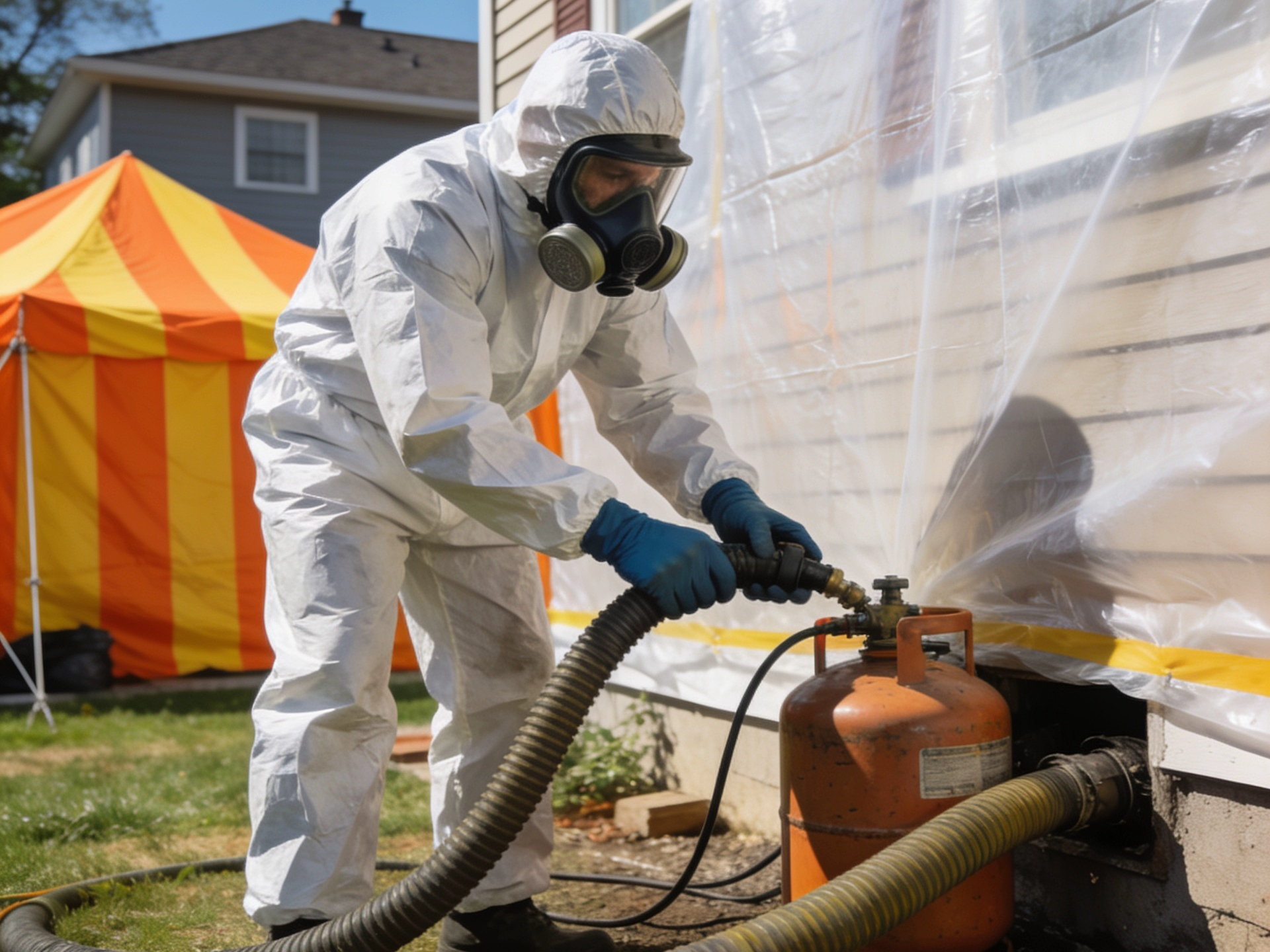


In 2026, typical fumigation cost is shaped by the infestation, the size of the structure, and the treatment approach. Most homeowners will see estimates from $2,146 to $4,892, with an average around $3,268.
In the pest-control world, "fumigation" most often refers to using a gas fumigant inside a tightly sealed structure or container. Many other common treatments, such as sprays, baits, and heat, are not fumigation, but they are included in this guide for cost comparison.
Below, you will find the biggest cost drivers, how spot treatments compare to whole-home fumigation, what prep and follow-up can add to the total, and what to look for when hiring a provider[1].
Key takeaways
Low-end jobs can be near $2,146, while severe infestations can reach $4,892.
Most projects cluster around $3,268, balancing cost and coverage.
Prep requirements, permits, and structure access often raise total cost.
Licensed, insured firms may cost more but often include stronger safety practices and clearer next steps.
Comparing quotes and checking references helps you judge value, not just the bottom line.
6 Factors That Affect the Average Fumigation Cost
Fumigation pricing comes down to a few practical variables that influence labor time, materials, equipment, and how long the job takes. Use the factors below to understand what is driving an estimate and what questions to ask before you approve a plan.
- Pest Type: Different pests call for different protocols, and modern control strategies influence which method a pro recommends.[2] Termites, bed bugs, and stored-product pests can require very different approaches, and many infestations are handled with non-fumigant options like baits, sprays, or heat.
- Infestation Severity: A larger or long-running infestation usually takes more product and more time, and it may require additional visits. As the scope grows, the total cost typically rises with it.
- Structure Size and Layout: Square footage, number of rooms, and construction details affect how much work it takes to seal, monitor, and ventilate a space. Multiunit buildings and complicated layouts can increase both prep time and labor.
- Treatment Method and Chemicals: Whole-structure gas fumigation, tenting, whole-structure heat, and localized liquid or bait treatments do not cost the same. They rely on different equipment, containment steps, and safety requirements. More specialized products can also raise materials costs.
- Access, Preparation, and Occupancy: Vacating people and pets, protecting food and medications, and preparing the home all take time. If your situation requires extra packing help or temporary lodging, those costs can add up quickly.
- Local Regulations, Permits, and Inspection Requirements: Some areas require permits, clearance testing, or post-treatment documentation. Food-related properties can face stricter rules and recordkeeping.[3] These steps add time and may include additional fees.
How Much Does Fumigation Cost by Type
Fumigation and related pest services range from whole-structure tenting to targeted applications. Pricing depends on scope, timing, complexity, and the method used. For a broader view of related services, compare typical pest control prices while planning. Several rows below describe non-fumigant methods that are often used instead of gas fumigation, included here so you can compare costs.
| Type of Service | Cost | Features |
|---|---|---|
Perform Fumigation | $2,146 - $4,892 | Whole-structure gas fumigation in a sealed space; usually involves tenting, on-site gas monitoring, ventilation, and final clearance by licensed professionals. |
Inspect Fumigation Site | $118 - $362 | Pre-fumigation inspection to determine infestation extent, confirm if gas fumigation is appropriate, and set the treatment plan. |
Termite Extermination | $812 - $3,296 | May use soil termiticides, baits, wood treatments, or in some cases tent fumigation; choice depends on species, colony size, and access. |
Bed Bug Extermination | $824 - $2,418 | Typically whole-room or whole-structure heat and targeted insecticide applications; full gas fumigation is less common and usually reserved for severe or special cases. |
Cockroach Extermination | $186 - $412 | Usually handled without fumigation, using baits, gels, dusts, and residual sprays; listed here to compare costs with more intensive treatments. |
Rodent Extermination | $229 - $618 | Primarily trapping, baiting, sanitation, and exclusion for homes; true gas fumigation for rodents is rare and highly specialized in residential settings. |
Apply Insecticide | $142 - $384 | Spot or perimeter liquid, dust, or granular applications before or after fumigation; often part of an integrated pest management plan. |
Perform Fumigation Costs
Perform Fumigation refers to whole-structure gas treatment. It is most often used when an infestation is widespread, difficult to access, or not responding to smaller interventions. Costs commonly fall in the $2,146 - $4,892 range, with an average of $3,268.
Pricing is usually driven by:
- Home size and how difficult it is to tent or seal
- Permit needs and any required inspections
- Fumigant type and on-site monitoring requirements
- Crew size and scheduling complexity
Most occupants must vacate during exposure and aeration, and you will typically have specific prep steps for food, medications, plants, and pets. Those requirements can add time, packing costs, or temporary lodging.
Termite Extermination Costs
Termite Extermination can include baiting, soil treatment, wood treatments, and whole-structure tenting when colonies are extensive. Expect $812 - $3,296, with an average of $1,784. A formal inspection is often used to confirm the infestation and map a treatment plan.[4]
If tenting is on the table, compare termite tenting costs against localized options. Also ask how the quote is structured, since termite work may be priced per square foot, per linear foot, or as a flat project rate depending on the method.
Bed Bug Extermination Costs
Bed Bug Extermination targets adults and eggs with heat or chemical approaches, and it often requires repeat visits plus detailed prep. Typical pricing is $824 - $2,418, averaging $1,486.
Most residential treatment plans rely on heat plus targeted insecticides. Full structural gas fumigation is uncommon, and it is generally considered for severe or persistent situations or special-use properties. Detection difficulty, number of rooms, and follow-up requirements all affect the final total. Guidance from specialized resources also emphasizes careful inspection and preparation to improve results.[5]
Structural Fumigation Cost by Size
Size and layout have an outsized impact on fumigation pricing. Larger spaces typically require more materials, more time on site, and additional containment and monitoring.
Interior layout also matters. Ceiling height, room count, and how easy it is to seal openings can change labor needs. Homes with multiple floors or complex rooflines may require additional prep and sealing work.[6]
Single-Room Fumigation
These are targeted treatments for one enclosed room, such as a kitchen or bedroom. The scope often includes protecting contents, sealing the room, and running treatment for the required exposure time. In many homes, single-room work is done with localized insecticide or heat rather than true gas fumigation, and feasibility depends on the structure and local rules.
- Cost Range: $446 - $1,324
- Average Cost: $786
Labor time often increases when the room has many openings, high ceilings, or delicate belongings that need extra protection.
Multi-Room Interior Fumigation
This category covers several connected rooms or a single floor. Work may include coordinating access across rooms, expanded monitoring, and more extensive sealing in shared areas. In practice, pros may recommend a mix of gas, heat, or liquid applications depending on layout and safety requirements.
- Cost Range: $1,268 - $3,486
- Average Cost: $2,144
As room count increases, so do equipment needs and on-site time. Longer vacate periods can also affect scheduling and logistics.
Attic Only Fumigation
Attic treatments focus on a confined overhead space that often includes insulation, stored items, and HVAC penetrations. These jobs can require specialized access, tarping, and careful ventilation control.
- Cost Range: $684 - $2,248
- Average Cost: $1,286
Limited access and the need to protect vents and openings can raise containment labor. Heavy storage can also add time.
Whole-Home Fumigation
Whole-home fumigation treats the entire dwelling, typically involving tenting or full-structure containment plus monitoring and ventilation. It can include closets and crawlspaces when required by the plan.
- Cost Range: $2,268 - $5,128
- Average Cost: $3,442
The biggest drivers are structure size, number of exterior openings, sealing complexity, monitoring needs, and the steps required for safe reentry.
Outbuilding or Detached Structure Fumigation
Garages, sheds, barns, and other detached structures vary widely in both construction and contents. That makes pricing less predictable than a standard home.
- Cost Range: $842 - $2,794
- Average Cost: $1,568
Ventilation, building materials, and what is stored inside can change prep requirements. Travel time and difficult access can also increase labor costs.
Whole House Fumigation Cost Per Square Foot
Many contractors price fumigation per square foot because labor, materials, tenting, and monitoring often scale with the size of the structure. When you are comparing multiple bids for similar scope, per-square-foot pricing can make it easier to review offers side by side.
A per-square-foot quote commonly includes basic sealing and prep, fumigant deployment, monitoring during exposure, and ventilation afterward. Itemized add-ons vary, so it is worth comparing line items, not only the headline price.
| Service Type | Cost | Details |
|---|---|---|
House Fumigation | $1 - $3 | Covers tenting or enclosure, gas fumigant materials, and technician labor; accessibility and number of entry points affect price. |
Termite Extermination | $0.86 - $3 | Per-sq-ft pricing mainly applies to whole-structure work; soil or bait systems may instead be bid per linear foot or as a service contract. |
Seal and Prepare Area | $0.34 - $0.96 | Includes sealing gaps, protecting contents, and temporary containment; older homes or complex roofs raise cost. |
Insecticide Application | $0.18 - $0.58 | Surface and perimeter sprays are priced by area treated and product strength; repeat visits increase total cost. |
Post-Treatment Ventilation | $0.16 - $0.46 | Mechanical ventilation and safety testing after exposure are required for reentry and influence turnaround time. |
Nesting Removal | $0.24 - $0.84 | Removal of nests, larvae, or droppings adds labor and disposal costs; complexity depends on nest location and contamination. |
Per-square-foot rates can shift with pest type, chemical choice, and how many separate zones must be treated. Challenging access, permit needs, and specialized containment can increase both labor hours and materials.
Local safety and testing requirements also affect pricing. In some situations, contractors may offer whole-structure heat as an alternative to chemical fumigation, which can change sealing needs while still aiming for thorough control.[7]
Emergency Fumigation Costs
Emergency calls usually come from sudden infestations or time-sensitive situations where waiting is not realistic. Urgent work can cost more due to after-hours labor, faster mobilization, and the need to coordinate containment, monitoring, and any permits on short notice. Even with rush scheduling, structural gas fumigation still requires inspection, preparation, and compliance steps, so it often cannot happen start to finish on the same day.

Higher costs often come from travel time, expedited crew scheduling, and required safety monitoring, especially when residents must vacate quickly. Contractors may also assign additional technicians to complete sealing and ventilation setup faster.
Keep in mind that exposure and aeration timelines still have to follow product labels and regulations. That means reentry timing is often similar to a standard fumigation, even when the job is booked as an emergency.
Some emergency jobs also lead to follow-up work, such as residual treatments, sealing, or cleanup. Those added scopes change the overall price. If bed bugs are part of the issue, related bed bug exterminator costs can also reflect the need for repeat inspections and additional visits.
Termite Fumigation Cost by State
State-to-state pricing varies because labor costs, contractor supply, material logistics, and local demand differ. Regulations can also influence which pesticides can be used and what application rules apply, which can affect total cost.[8] Climate and housing styles add another layer of variation.
| State | Cost | Details |
|---|---|---|
California | $2,488 - $5,482 | Higher labor and living costs raise contractor rates, plus strict local regulations and dense urban markets increase logistics and permitting expenses. |
Texas | $2,186 - $4,768 | Large geography creates variable travel and delivery costs, with strong competition in metro areas but higher rates in rural regions. |
Florida | $2,364 - $5,226 | Warm climate drives year-round pest pressure and seasonal demand, which can raise prices during peak infestation periods. |
New York | $2,548 - $5,624 | Urban density and permit fees in some municipalities increase costs; older housing often requires more preparation time. |
Illinois | $2,242 - $4,928 | Chicago-area labor and overhead are higher than statewide averages, while suburban and rural areas may offer lower rates. |
Washington | $2,328 - $5,148 | Pacific Northwest shipping costs and environmental rules can affect materials and methods, altering total project prices. |
Colorado | $2,268 - $5,046 | Mountain and high-altitude homes sometimes need specialized approaches, and seasonal access issues can increase labor time. |
State ranges are helpful for rough planning, but a local estimate is still the best way to price your specific home. A contractor can account for layout, prep needs, and any local permit, testing, or treatment requirements.
Comparing DIY and Professional Fumigation Costs
Some pest-control tasks can be handled with DIY products, but whole-structure gas fumigation generally requires licensed professionals. This section outlines typical cost ranges for common tasks so you can compare upfront savings against safety, effectiveness, and the time commitment.
For broader comparisons, the site's project cost estimates directory lists costs for other services and categories.

DIY Risks and Practical Challenges
DIY approaches can lower out-of-pocket costs, but they also introduce real safety and effectiveness concerns. Sealing and ventilation require experience and the right materials. DIY efforts can also fall short when products are old or stored improperly. Research on bait performance, for example, highlights how aging can reduce effectiveness.[9]
Structural gas fumigation uses restricted-use products and specialized monitoring equipment. In most cases it is not appropriate, and may be illegal, for unlicensed homeowners to perform. DIY is best limited to small, non-fumigant treatments that follow label directions.
Advantages of Hiring a Professional
Licensed technicians bring training, respirators, and equipment designed for proper dosing and safer handling. Professional methods can also improve control when pests are difficult to reach or when resistant life stages are involved.[10] Pros also manage permitting, disposal requirements, and any required air testing before reentry.
How to Decide Between DIY and Pro
DIY makes the most sense for small, contained issues where low-toxicity spot treatments are appropriate and you can follow instructions precisely. Hire a professional for large infestations, whole-structure work, or situations involving vulnerable occupants.
A good decision balances safety, realistic outcomes, and the cost of having to treat the problem again.
Fumigation Add-Ons and Typical Costs
Add-ons are optional services you may see in a fumigation proposal. They can increase the total cost, but they may also reduce your workload, protect belongings, or support longer-lasting results.
| Add-On | Cost | Details |
|---|---|---|
Odor Neutralization | $96 - $346 | Uses specialized agents to reduce or mask smells after treatment, helpful for occupied homes or sensitive occupants. |
Residual Barrier Application | $142 - $482 | Applies a surface barrier with residual insecticide to extend protection against return infestations on treated surfaces. |
Organic Treatment Upgrade | $164 - $612 | Substitutes conventional products with formulations marketed as lower-toxicity or plant-based options, where appropriate. |
Sensitive Item Protection | $176 - $688 | Packing, wrapping, or removal of heirlooms, artwork, or fabrics to keep sensitive items away from treatment exposure. |
Electronic Equipment Shielding | $118 - $446 | Extra covering or isolation for sensitive electronics; added protection may be used for high-value gear. |
Post-Treatment Cleaning | $184 - $724 | General cleaning and airing services for dust and contaminants; reentry relies on air-testing clearance. |
Pet-Safe Reentry Procedures | $88 - $318 | Extra measures and timing adjustments to minimize exposure risk for pets returning to the home. |
Add-on pricing typically reflects labor time, the level of protection needed, and how customized the work is. In some homes, moisture or mold concerns also come up alongside pest issues. If cleaning or sealing is needed, it should align with basic moisture control guidance.[11]
If rodents are part of the broader plan, compare add-on needs with rodent removal costs.
Return on Investment for Fumigation
Return on investment, or ROI, is one way to think about what you get back from pest-treatment spending. The value is often indirect, such as preventing structural damage, avoiding future repairs, and keeping documentation available for future buyers. Tax credits rarely apply to fumigation, but protecting a home from pest damage can help preserve other upgrades.
Key ROI drivers include:
- Treatment quality and follow-up practices that reduce the chance of recurrence.
- Professional documentation and compliance, which can matter during inspections and resale.
- Exclusion and repairs that prevent pests from returning. Sealing entry points is commonly recommended, and exclusion work is part of long-term rodent control strategies.[12]
- Ongoing maintenance, such as inspections and small repairs, to keep risk low.
- Local market expectations and disclosure concerns.
| Service | Estimated ROI | Details |
|---|---|---|
Spot Fumigation (Localized) | around 30-40% | Treats small outbreaks, lower upfront cost but limited impact on resale; repeat treatments may be needed. |
Whole-Structure Fumigation | approximately 55-70% | Removes widespread infestations, protects structural value, and reduces large repair risks despite higher initial cost. |
Preventive Fumigation with Exclusion | around 65-85% | Combines treatment and sealing of entry points, lowers recurrence, and improves buyer confidence and longevity of results. |
Integrated Pest Management with Repairs | approximately 70-90% | Includes monitoring, targeted treatments, and structural repairs; highest long-term protection and strongest resale appeal. |
These ROI figures are general guidance, not guaranteed returns. Actual value depends on your market, the pest involved, and the condition of the property. For many homeowners, safety, comfort, and protecting the home are just as important as resale math.
How Season Affects Fumigation Cost
Seasonal demand can affect both pricing and scheduling in 2026. When contractors are booked out, rush slots and premium scheduling become more common. Weather can also delay setup or add prep work, especially when sealing and tenting are more difficult.
Timing can also matter for some treatment performance factors. Temperature and rainfall can influence certain exterior and soil-related treatments, and weather affects how easily crews can tent and seal a structure.[13]
| Season | Cost | Description |
|---|---|---|
Spring / Early Summer | $2,188 - $4,946 | Higher activity as pests emerge, so availability tightens and same-day slots are rarer; expect moderate-to-high demand and occasional price increases. |
Summer Peak | $2,316 - $5,188 | Peak scheduling and fastest booking times, especially around school breaks and vacation periods; labor premiums can raise costs. |
Rainy Season | $2,262 - $5,082 | Heavy rain can delay tent setup and some soil or exterior chemical work, reducing availability and sometimes increasing prep or weatherproofing fees. |
Autumn / Fall | $2,214 - $5,018 | Many homeowners book preventive work before winter, creating a mid-level demand spike and steadier contractor schedules. |
Winter Off-Season | $2,048 - $4,682 | Lower demand often means better availability and occasional discounts, though very cold conditions can limit some treatment methods. |
If you have flexibility, booking early can help you avoid peak-season scheduling pressure. If timing is tight, ask what steps you can complete ahead of time to keep the job on track.
How to Save on Fumigation
You can often reduce total cost by lowering labor time, preventing delays, and cutting down on the chance of needing retreatment. Basic exclusion and decluttering can support a more effective plan. Sealing entry points and reducing clutter are commonly included in broader exclusion programs.[14] Before you start, it may also be worth checking whether you qualify for government support that can help with prep or follow-up work.[15]
- Consolidate service dates: Schedule inspection, prep repairs, and treatment close together to reduce repeat trips and downtime.
- Complete prep thoroughly: Handle food removal, pet items, access to crawlspaces or attics, and other checklist items so crews can start on time.
- Share clear information upfront: Photos and a list of problem areas help the contractor plan materials and staffing.
- Ask about alternatives: In some cases, localized treatments or exclusion work can reduce how often you need intensive treatment.
- Bundle related repairs: If you need sealing, minor carpentry, or sanitation work, coordinating it can reduce repeated site prep.
Connect with fumigation professionals through homeyou to find vetted contractors, compare proposals, and schedule reliable service that protects your home and investment for fair bids and long-term peace of mind.
Frequently Asked Questions About Fumigation
References
[1] Larramendy, Marcelo L., and Sonia Soloneski, "Integrated Pest Management and Pest Control - Current and Future Tactics", https://doi.org/10.5772/1383.
[2] Bruesch, Jay C., "Institutional pest management current trends", Executive housekeeping today, https://pubmed.ncbi.nlm.nih.gov/10134138/.
[3] Kloosterman, L. and K. Mager, "Pest Control in Food Businesses: An Introduction", https://doi.org/10.1533/9780857098634.3.465.
[4] PestWorld, "What Is a Termite Inspection and Why Do You Need One", https://pestworld.org/news-hub/pest-articles/what-is-a-termite-inspection.
[5] BedBugs.org, "the Web's #1 Bed Bug Resource", https://bedbugs.org.
[6] U.S. Department of Housing and Urban Development, "Durability by Design A Guide for Residential Builders and Designers", https://huduser.gov/portal/sites/default/files/pdf/Guide-Durability-by-Design.pdf.
[7] "Controlled Environment Heat Treatment as a Safe and Efficient Method of Pest Control", http://cool.culturalheritage.org/byauth/nicholson/heatpest.html.
[8] Association of American Pesticide Control Officials, "Documents 2002 to Present", http://aapco.org/documents.
[9] NPMA, "Research Report The Perfect Meal Determining How Aging Effects Cockroach Gel Bait Performance", https://npmapestworld.org/content-pages/technical-resources/pmf-research-reports/research-report-the-perfect-meal-determining-how-aging-effects-cockroach-gel-bait-performance.
[10] "Research Report Efficacy of Several Pesticide Products on Brown Widow Spider Araneae Theridiidae Egg Sacs and Their Penetration Through the Egg Sac Silk", https://npmapestworld.org/content-pages/technical-resources/pmf-research-reports/research-report-efficacy-of-several-pesticide-products-on-brown-widow-spider-araneae-theridiidae-egg-sacs-and-their-penetration-through-the-egg-sac-silk.
[11] U.S. Environmental Protection Agency, "A Brief Guide to Mold, Moisture and Your Home", https://epa.gov/mold/brief-guide-mold-moisture-and-your-home.
[12] Stop Pests, "What Exclusion Techniques Work for Rodents", https://stoppests.org/frequently-asked-questions/what-exclusion-techniques-work-for-rodents/?keywords=rats.
[13] "Research Report Impact of Ant Control Technologies on Insecticide Runoff and Efficacy", NPMA PestWorld, https://npmapestworld.org/content-pages/technical-resources/pmf-research-reports/research-report-impact-of-ant-control-technologies-on-insecticide-runoff-and-efficacy.
[14] Stop Pests, "Developing a Pest Exclusion Program for Cockroaches and Rodents - StopPests.org", https://stoppests.org/ipm-training/training-opportunities/stoppests-webinars/developing-a-pest-exclusion-program-for-cockroaches-and-rodents/\#7.
[15] "Government Home Repair Assistance Programs", USAGov, https://usa.gov/home-repair-programs.


