
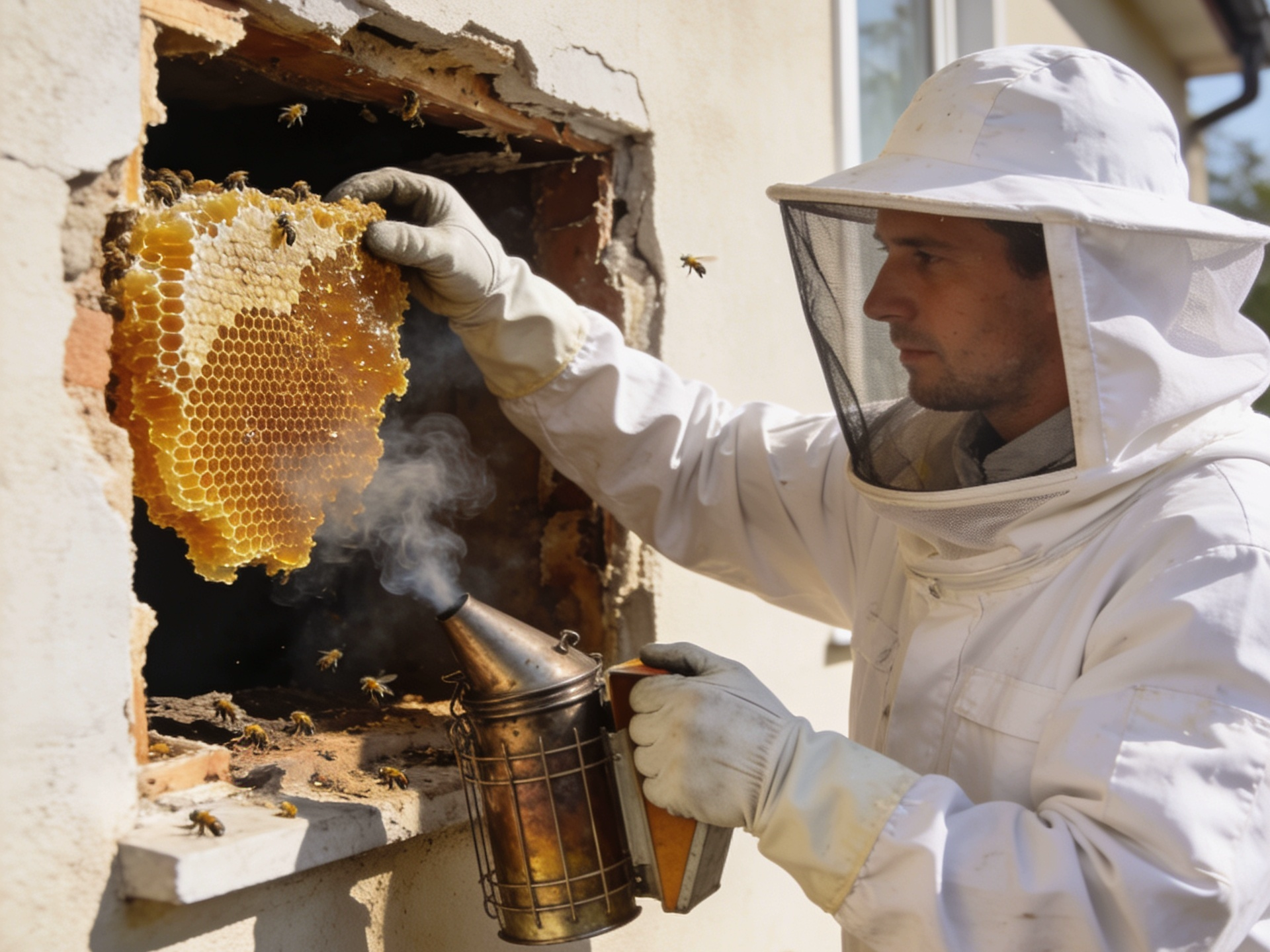


In 2026, the average cost for bee removal cost is shaped most by hive size, how hard it is to reach the nest, and what species is involved. Most projects land between $189 and $548, with a typical job averaging $332. Jobs that involve wall or attic cavities, structural damage, or follow-up repairs tend to land closer to the higher end.
Below, you will see what drives pricing, how budget and premium approaches compare, and what to ask before anyone starts work, including safety and compliance considerations commonly tied to pest management decisions[1]. Continue reading to compare options and plan your next steps. Regional costs, seasonal trends, and add-on services are also covered to help you build a complete budget.
Key takeaways
Low-end removals can be near $189, usually for small, easy-to-reach swarms.
Most jobs fall around $332, balancing safety and, for honey bees, often live relocation when conditions allow.
Complex, hard-to-reach, or emergency extractions can cost up to $548.
Hiring licensed pros or experienced beekeepers can be worth it for insurance, accurate species ID, and humane removal options.
Get multiple quotes and confirm insurance, licensing, and the proposed removal method before you hire, especially if honey bees are involved.
6 Factors That Affect the Bee Hive Removal Cost
Bee removal pricing is usually built around time, access, and risk, so it is normal to see a wide range instead of one flat rate. Here are the biggest cost drivers, and how each one can change your estimate.
- Hive Size and Colony Strength: Larger colonies generally take longer to remove or relocate, and they can require extra labor or more than one visit, which can raise the quote[2].
- Access and Safety: Tight attic spaces, steep ladders, confined cavities, or proximity to people and pets can mean more protective equipment and more time on site, which tends to increase labor[3].
- Hive Location on the Structure: Nests in roof eaves, wall cavities, or under complex rooflines typically require more intrusive access work. Some roof shapes also make safe approach and opening the area more time-consuming[4].
- Season and Bee Activity: Warm-weather periods tend to bring higher activity and higher demand. That can affect scheduling speed, the timing a crew can work safely, and overall availability.
- Removal Method and Follow-Up: Live relocation, humane removal, and extermination use different tools and steps. Some providers also bundle prevention services, such as organic pest control costs, which can change labor and material needs. For honey bees, non-lethal removal is often the first option when it is safe and feasible; extermination is more common for aggressive species or cases where access makes relocation impractical.
- Structural Damage and Permits: If a hive has damaged siding, roof decking, drywall, or insulation, repairs add cost. Permits are not commonly required for bee removal alone, but local pesticide rules, honey bee protections, or permits tied to structural repairs may apply, so confirm requirements with your contractor and local authorities.
How Much Does Bee Removal Cost by Type
Bee-related service calls can include inspection, live relocation, hive extraction, chemical control, repairs, sealing entry points, and cleanup. Prices vary by scope, urgency, accessibility, and local labor rates. Labor is often a major portion of overall pest control work costs.
| Type of Service | Cost | Features |
|---|---|---|
Inspect Bee Infestation | $82 - $228 | Visual and detailed inspection to identify species, colony size, and entry points; provides a quoted plan. |
Remove Bee Hive | $246 - $692 | Full hive extraction from walls, attics, or trees, often requiring structural access and basic debris removal. Extensive comb cleanup and structural repairs may be billed separately. |
Relocate Bees | $196 - $588 | Live capture and transport of bees to a safe site, preserving the colony when possible. |
Exterminate Bees | $214 - $642 | Chemical or fumigation treatments to eliminate a colony, typically for aggressive or inaccessible infestations. |
Repair Bee Damage | $238 - $824 | Structural repairs to framing, drywall, insulation, or soffits after hive removal, including pest-proofing prep. |
Seal Bee Entry Point | $96 - $314 | Targeted sealing of gaps, vents, and cracks to prevent reentry, often paired with inspection or repair. |
Clean Bee Hive Remnant | $168 - $472 | Removal of comb, honey, and residues to stop secondary pests and reduce odors. |
Relocate Bees Costs
Live relocation can be a good fit when bees are not aggressive and the colony is accessible. Typical costs run $196 - $588, with an average near $348. Pricing increases with colony size, difficult access (especially in walls and attics), and urgent scheduling.
For honey bees in particular, non-lethal approaches are often recommended for occupied structures when safety and access allow. A pro may still recommend a different method if the location, condition of the structure, or risk level makes relocation unsafe. Your estimated bee relocation cost typically reflects travel, containment equipment, and the time needed to transfer the colony safely.
Exterminate Bees Costs
Extermination removes a colony using targeted insecticides or fumigation, usually when relocation is unsafe or impractical. Pricing ranges $214 - $642, with an average of $378. The final number depends on product choice, infestation size, and how much containment and follow-up is needed.
Chemical treatments can raise concerns about runoff and real-world performance, so it helps to ask how the provider will limit exposure and what monitoring or follow-up is included[5]. Some companies bundle treatment with cleanup to reduce odors and secondary pest issues, which overlaps with how some homeowners think about fumigation costs. If extermination is the chosen approach, confirm the quote includes comb and honey removal and sealing the cavity. Leaving material behind can lead to melting, fermentation, staining, and future pest attraction.
Remove Bee Hive Costs
Hive removal gets more expensive when a colony is inside a wall, in an attic cavity, or high in a tree, since the crew may need to open building materials, control falling debris, and then restore the area. Costs often fall between $246 - $692, with an average of $424. Higher quotes typically reflect difficult access, larger colonies, and the need for specialized equipment.
Many contractors include basic access and cleanup in a standard hive removal. More intensive work, such as heavy comb and honey cleanup or rebuilding damaged sections, is often priced separately under "Clean Bee Hive Remnant" and "Repair Bee Damage." If the hive is in a tree or removal could affect tree health, consider coordinating with a certified arborist for safe access and proper limb protection[6].
Emergency Costs for Bee Removal from House
Emergency calls usually cost more because a crew may need to travel after hours, work in limited visibility, and focus first on rapid risk reduction. In many cases, temporary containment happens immediately, then full removal is scheduled for daylight, when conditions are safer and bee behavior can be easier to manage.

Emergency pricing typically reflects the time of day, urgency, and access challenges. Tight attic spaces, large colonies, or hives inside walls can extend containment, cleanup, and repair planning.
If bees are blocking exits or the situation is creating immediate danger, local emergency response and fire prevention guidance may be relevant[7]. Fire departments generally respond to urgent public safety threats, and they often do not provide full removal, so you may still need a bee removal or pest control pro to complete the job and handle repairs. If bees are near wiring or comb has formed around electrical components, electrical hazards are possible, and coordination with an electrician may be needed[8]. Ask for an itemized estimate and a clear plan for any follow-up repairs.
Honeybee Removal Cost by State
Bee removal costs can vary significantly by state due to differences in labor rates, contractor availability, travel distances, and local demand. The ranges below reflect typical jobs in each area, commonly involving honey bee colonies in structures, and sometimes other stinging insects found in similar locations.
Local regulations and pesticide restrictions can also influence approved methods and required documentation, which can affect pricing[9].
| State | Cost | Details |
|---|---|---|
California | $228 - $648 | Higher labor rates in metro areas and strict local rules increase costs. Warm coastal and inland climates create long seasons with higher demand. |
Texas | $186 - $536 | Large state with mixed urban and rural pricing. Hot summers raise swarm activity, and travel to remote properties can add fees. |
Florida | $214 - $612 | Year-round bee activity creates steady demand. Humidity and coastal access can complicate safe removal and relocation. |
New York | $236 - $678 | Metro labor and permit costs are higher, and older homes often require careful access work that raises labor time. |
Illinois | $192 - $554 | Seasonal peaks affect availability, with colder months reducing activity. City jobs typically cost more than suburban or rural calls. |
Washington | $204 - $584 | Moderate labor costs but remote mountainous areas increase travel time. Damp climate influences nesting sites and equipment needs. |
Colorado | $198 - $562 | Elevation and access issues affect crew time and equipment. Wildland-urban interfaces can require specialized removal approaches. |
Use these state ranges as a starting point, then request at least two local quotes. A quick conversation about location, access, and whether relocation is possible will usually narrow the range fast.
DIY vs. Professional Bee Removal Costs
DIY can look cheaper up front, but bee work has real safety and property risks. This section compares common tasks so you can see where DIY may be reasonable and where professional help can prevent a small issue from turning into a costly repair.

Risks and Challenges of DIY Bee Work
DIY removal can expose you to stings, allergic reactions, and potential legal issues if protected species rules apply. Misidentifying a colony or disturbing a nest can escalate defensive behavior and increase the amount of repair work needed later.
Working without the right tools and protective gear can provoke defensive swarming, which can endanger you, neighbors, and pets. Partial removal or poor sealing can also lead to repeat activity, which means paying for the job twice.
Advantages of Hiring a Professional
A qualified pro brings protective gear, accurate species identification, and removal techniques designed to reduce repeat problems. Many providers also document exclusion steps and follow recognized exclusion practices, which supports longer-term prevention[10].
Depending on your area, bee work may be handled by licensed pest control operators, experienced beekeepers, or both, with different rules and methods. Insurance coverage is another practical advantage, since it can protect you if accidental damage or injury occurs during removal.
How to Choose Between DIY and Pro
DIY may make sense for small, accessible inspections or minor sealing, but only when you have proper protective gear and no one in the household has known allergies. Avoid DIY removal of established colonies, especially inside structures or at height. A safer DIY role is taking photos, observing activity, and sealing only after a pro confirms the hive is inactive.
Hire a pro for large hives, colonies in walls or attics, or any situation that involves cutting into building materials. When you compare options, consider time, risk, and the cost of correcting mistakes, then use the budget planning guide to line up other home service priorities.
Good exclusion work is one of the best ways to reduce repeat problems, and skipped sealing or incomplete repairs can lead to additional costs over time[11]. Also, many "bee" calls turn out to be wasps or hornets, which are usually not relocated and may follow different pricing and treatment approaches. Expect your pro to confirm the species before recommending a plan.
How Season Affects Bee Removal Cost
Season can affect both pricing and scheduling in 2026. Warm months typically bring more activity and heavier demand, while cold or wet weather can limit access and change how safely a crew can work. Local climate conditions and habitat-related requirements may also influence timing and permitted methods, which can affect cost[12].
| Season | Cost | Description |
|---|---|---|
Spring / Early Summer | $184 - $532 | Bee activity rises, so bookings increase. Contractors have moderate availability but jobs begin to fill quickly. |
Summer (Peak Activity) | $214 - $604 | Highest demand and busiest schedules. Expect premium pricing and limited same-day service. |
Late Summer / Autumn | $176 - $516 | Activity tapers, so scheduling becomes easier. Some colonies remain active, so timing still matters. |
Winter (Off-Season) | $164 - $488 | Surface activity is low, but colonies inside walls or attics may still be present and causing damage. Some contractors offer lower rates or defer certain work until spring; ask a pro whether immediate removal or safe deferral fits your situation. |
Rainy Season / Wet Months | $202 - $578 | Weather can delay access and increase safety precautions, which may add prep time and labor costs. |
Seasonal pricing usually comes down to a few practical issues:
- Demand: Busy months fill schedules quickly, and urgent calls can cost more.
- Weather and access: Rain, heat, and cold can slow setup and increase safety steps.
- Staffing and availability: Some companies expand crews in peak months and reduce coverage in slower periods.
- Regional patterns: Local climate and nesting habits influence when removal is most practical.
Add-Ons for Bee Removal
Add-ons are optional services that may be offered alongside basic removal. They increase total cost, but they can also reduce odor, prevent secondary pests, and restore areas that had to be opened to reach the hive.
| Add-On | Cost | Details |
|---|---|---|
Honeycomb Extraction | $142 - $418 | Removal of visible honeycombs from walls, eaves, or trees to prevent re-infestation and reduce pest attraction. |
Honey Removal | $104 - $328 | Cleaning and removing sticky honey residues that can attract ants and other pests, often includes sanitizing surfaces. |
Attic Decontamination | $264 - $834 | Deep cleaning of insulation and bee-related debris such as wax, honey, propolis, and dead insects to improve air quality and reduce odors. |
Insulation Replacement | $318 - $988 | Replace contaminated insulation after nest removal to restore energy efficiency and indoor comfort. |
Anti-Pest Barrier | $92 - $294 | Install physical or chemical barriers around entry points to discourage future bee or insect access. |
Allergen Treatment | $118 - $372 | Specialized cleaning to remove bee-related allergens and residues, recommended for sensitive occupants. |
Structural Repair & Disposal | $186 - $548 | Minor repairs to damaged framing or siding and proper disposal of hive materials. |
Add-on pricing usually changes based on how large the affected area is, how hard it is to reach, and what materials are needed. Limited access and remote locations can add labor time, and higher-grade materials or more thorough cleaning can raise the quote.
Some homeowners also compare bee work to broader animal removal services expenses when budgeting, especially if there are multiple pest issues at once. If removal leads to restoring exterior areas, some landscaping upgrades, including trees, are often associated with improved curb appeal and property value[13].
How to Save on Bee Removal
You can often lower your total cost by making the job faster to evaluate and easier to perform. These steps can help you get cleaner quotes and avoid paying for preventable delays.
- Prepare a clear access point: Clear a safe path to the work area and trim vegetation so the crew can set ladders and equipment without extra time.
- Document hive details: Take clear photos, note where bees enter and exit, and share that information when you request quotes.
- Request live relocation when possible: Ask if relocation is feasible and what is included. Preventing a return usually depends more on comb removal and sealing than on relocation alone.
- Get multiple written estimates: Ask for an itemized scope, timeline, and warranty details so you can compare bids line by line.
- Modify nearby landscaping: Reduce attractants near the structure and consider pollinator-friendly plantings farther from the house[14].
Before scheduling, confirm licensing (if required locally), insurance, and the exact removal and cleanup plan. A clear scope up front can help you avoid change orders, repeat visits, and surprise repair costs.
Bee removal professionals at homeyou can help you with relocation and warranty options. Hire confidently for safe, long-term protection of your home.
Frequently Asked Questions About Bee Removal
References
[1] Larramendy, Marcelo L., and Sonia Soloneski, "Integrated Pest Management and Pest Control - Current and Future Tactics", https://doi.org/10.5772/1383.
[2] Abbott, Richard, and Kenneth Miller, "Estimating and Pricing Tree Care Jobs", Arboriculture & Urban Forestry, https://doi.org/10.48044/jauf.1987.025.
[3] O'Brien, Patrick, et al, "Performance Standards for Municipal Tree Maintenance", Arboriculture & Urban Forestry, https://doi.org/10.48044/jauf.1992.059.
[4] "Mastering Roof Inspections: Roof Styles", InterNACHI, https://www.nachi.org/roof-styles-1/benefits.htm.
[5] "Research Report Impact of Ant Control Technologies on Insecticide Runoff and Efficacy", NPMA PestWorld, https://npmapestworld.org/content-pages/technical-resources/pmf-research-reports/research-report-impact-of-ant-control-technologies-on-insecticide-runoff-and-efficacy.
[6] International Society of Arboriculture, "ISA Certified Arborist", https://isa-arbor.com/credentials/types-of-credentials/isa-certified-arborist.
[7] U.S. Fire Administration, "Fire Prevention and Community Risk Reduction", https://usfa.fema.gov/prevention/.
[8] Electrical Safety Foundation International, "Home Electrical Safety", https://www.esfi.org/home-electrical-safety/.
[9] Association of American Pesticide Control Officials, "Documents 2002 to Present", http://aapco.org/documents.
[10] Stop Pests, "Developing a Pest Exclusion Program for Cockroaches and Rodents - StopPests.org", https://stoppests.org/ipm-training/training-opportunities/stoppests-webinars/developing-a-pest-exclusion-program-for-cockroaches-and-rodents/\#7.
[11] Stop Pests, "What Exclusion Techniques Work for Rodents", https://stoppests.org/frequently-asked-questions/what-exclusion-techniques-work-for-rodents/?keywords=rats.
[12] Sorvig, Kim, and J. William Thompson, "Sustainable Landscape Construction", https://doi.org/10.5822/978-1-61091-811-4.
[13] Anderson, L. M. and H. K. Cordell, "Residential Property Values Improved by Landscaping With Trees", Southern Journal of Applied Forestry, https://doi.org/10.1093/sjaf/9.3.162.
[14] United States Environmental Protection Agency, "Resource Conserving Landscaping", https://archive.epa.gov/.


