
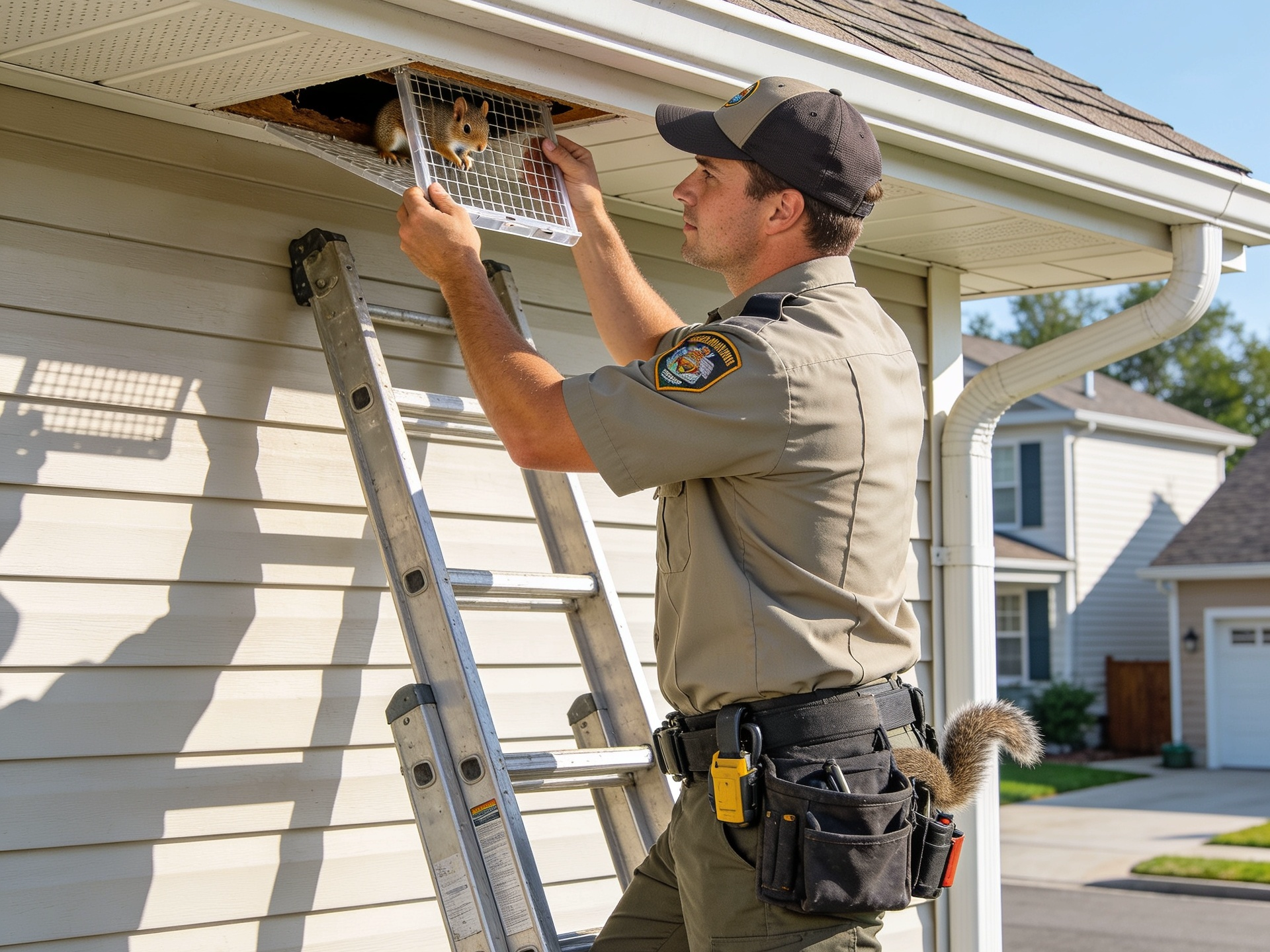


In 2026, typical squirrel removal cost estimates range from $286 to $872. Many homeowners land near $472, depending on how many squirrels are present and how difficult it is to reach attic voids, wall cavities, or other tight spaces.
Local wildlife rules can also shape what methods are allowed and whether a permit or licensed operator is required, which can affect pricing. The type of structure and how long the problem has been active are also key variables that influence where your estimate lands.
Below, you will find the main cost drivers, a breakdown of basic versus full-service options, and practical hiring checkpoints like permits, warranties, and insurance. Use it to compare quotes and choose the scope that solves the problem, not just the cheapest line item. Regional pricing differences, seasonal demand shifts, and add-on services are also covered so you can budget with confidence[1].
Key takeaways
Many homeowners use $472 as a practical baseline when comparing quotes.
Simple, straightforward jobs may price closer to $286, while extensive attic work can approach $872.
Humane trapping, repairs, and exclusion work can cost more upfront, but they can reduce repeat problems.
Compare multiple bids, confirm insurance and references, and look for written guarantees.
6 Factors That Affect Squirrel Removal Cost
Squirrel removal pricing depends on conditions at your home and what the service includes. These are the factors that most often explain why one quote comes in higher than another.
- Infestation Size: More squirrels, or a longer-running problem, usually means more trapping time and more return visits. Repeat re-entry also signals that sealing and repairs may need a wider scope.
- Control Method and Preventive Measures: Live trapping, one-way exclusion devices, and lethal control come with different labor needs and follow-up requirements. Some areas restrict certain methods, and some companies avoid lethal options based on policy. Services that include exclusion work and monitoring align with integrated pest management approaches, which can reduce recurrence but may increase upfront costs[2].
- Contamination and Cleanup Needs: Droppings, urine, and nesting materials can contaminate insulation and surfaces. More contamination typically means more time spent on controlled removal, disposal, and sanitation, and may involve specialized cleaning steps[3].
- Damage and Structural Repairs: Chewed wiring, vents, soffits, and roofline damage can add repair costs on top of removal. When insulation is contaminated, replacement may be recommended, and the insulation type and access affect the scope and price[4].
- Access and Entry Point Complexity: Steep roof pitches, high chimneys, tight crawlspaces, and hard-to-reach eaves increase labor time and safety requirements. If technicians need scaffolding, specialized ladder setups, or panel removal to reach nesting areas, costs usually rise.
- Timing and Urgency: Situations like active chewing near electrical components, loud activity in walls, or a squirrel inside living areas often trigger urgent calls. Emergency or off-hour scheduling typically costs more. Seasonal rules may also limit nest disturbance or relocation during certain periods, depending on local regulations.
Types of Squirrel Removal
Squirrel removal can be as small as an attic inspection or as comprehensive as removal, exclusion, cleanup, and repairs. Use the ranges below to compare scope, then benchmark against other pest control prices if you are building a broader pest budget.
| Type of Service | Cost | Features |
|---|---|---|
Inspect Attic Squirrel Entry Point | $109 - $258 | Visual and structural inspection to find entry points and signs of activity, usually the starting point before removal. |
Remove Squirrel | $286 - $748 | Removal from walls, attic, or crawl spaces, often using live capture and one-way exclusion methods that follow local wildlife rules. |
Provide Emergency Squirrel Removal | $418 - $1,098 | Fast response for active infestations, noises in wall cavities, or visible animals inside the home. |
Seal Squirrel Entry Point | $214 - $816 | Repairs and sealing for gaps, vents, and roofline openings to prevent re-entry. |
Install Squirrel Exclusion Barrier | $384 - $1,486 | Metal flashing, mesh, or exclusion devices around eaves and vents to prevent access long term. |
Repair Squirrel Entry Damage | $378 - $1,796 | Repairs to insulation, soffits, fascia, or framing that has been chewed, displaced, or soiled. |
Clean Squirrel Droppings | $301 - $1,196 | Sanitation and deodorizing of attics or crawl spaces affected by droppings, urine, or nesting debris. |
Remove Squirrel Costs
Removal is the core service when squirrels are nesting, making noise, or causing damage. Typical estimates run from $286 to $872, with many projects near $472.
Pricing usually moves based on:
- How many animals are involved
- How accessible the nesting site is
- Whether the approach relies on basic trapping or more complex exclusion and follow-up
Some methods require specialized handling and setup, which can increase labor time[5]. In many regions, local rules and company policies also limit which methods are used.
Seal Squirrel Entry Point Costs
Sealing targets the gaps and openings squirrels use to get in. It is commonly done after removal, or when chewing and fresh entry activity are visible. Expect estimates from $214 to $816, with an average near $428.
Cost tends to depend on how many openings exist, what materials must be repaired, and whether the work involves roof access.
Install Squirrel Exclusion Barrier Costs
Exclusion barriers add physical protection at common access points like eaves, soffits, and vents. Many homeowners pair this with sealing and repairs for longer-term prevention. Typical estimates range from $384 to $1,486, averaging $789.
Material grade, total linear footage, and how customized the installation needs to be will drive the total. Exclusion programs that combine inspection, sealing, and monitoring follow the same general principles used in other pest-exclusion strategies, including those for rodents and cockroaches[6]. If you are comparing related services, it can help to review average rodent removal costs.
Emergency Squirrel Removal Costs and After-hours Rates
If a squirrel is actively moving in walls or an attic, the priority is often quick containment to limit damage, noise, and stress inside the home. Emergency service tends to cost more because it is scheduled outside normal hours, may include rapid setup of traps or exclusion devices, and sometimes involves immediate temporary repairs.

Attic inspections sometimes uncover chewed insulation and wiring, which can increase fire risk[7]. In an emergency visit, a wildlife technician may point out obvious concerns, then recommend a licensed electrician for any detailed electrical inspection or repairs.
For more context on urgent wildlife work, compare these ranges with related projects listed under animal removal services fees, especially if you expect follow-up repairs.
Cost of Squirrel Removal by State
State-to-state pricing varies with labor rates, contractor availability, and local demand. Climate and home construction styles can also change how much exclusion and repair work is needed. State and local rules may affect allowable removal methods and permit requirements[8].
| State | Cost | Details |
|---|---|---|
California | $338 - $846 | Higher costs in many metro areas can raise pricing. Older homes with complex rooflines can increase labor and materials. |
Texas | $278 - $718 | Rural and urban mix can affect travel time and access costs. Seasonal cycles may affect demand and scheduling. |
Florida | $309 - $781 | Year-round activity can increase service frequency. Humidity and insulation issues may require added remediation. |
New York | $347 - $872 | Higher metro labor rates and stricter building requirements can raise costs. Contractor availability can also affect pricing. |
Illinois | $294 - $756 | Winter can push squirrels into attics, increasing seasonal demand. Urban areas often have higher labor rates. |
Washington | $314 - $792 | Older wood construction and moisture can increase repair needs. Remote areas may add travel fees. |
Colorado | $297 - $762 | Mountain homes may require added access planning and safety measures. Contractor density can affect rates. |
Use state-level ranges for a starting point, then request written quotes that spell out inspection findings, recommended exclusions and repairs, any permit requirements, and what follow-up or warranty is included.
DIY vs. Professional Squirrel Removal Costs
DIY squirrel work can look cheaper at first, but it can become costly if squirrels return or if hidden damage is missed. The comparison below shows typical task categories and how DIY estimates stack up against professional service ranges.

DIY ranges assume local rules allow homeowners to trap and handle squirrel removal. In some areas, trapping, transport, or relocation is limited to licensed operators or requires permits, so confirm local requirements before you buy equipment or start work.
Risks and Challenges of DIY Removal
DIY removal can cut upfront costs, but it comes with real safety and effectiveness tradeoffs. Nesting materials and droppings can expose you to allergens and other health hazards, and incomplete exclusion work can lead to reinfestation[9].
Many jobs also require ladder or roof access, plus the risk of bites or scratches if an animal is cornered. If you are not comfortable working at heights or handling wildlife, professional help is often the safer option.
Advantages of Hiring a Professional
A professional can combine inspection, humane removal, exclusion, and cleanup in a coordinated plan. Licensed providers may also carry insurance and offer warranties on sealing or repair work, which can reduce the cost of repeat visits if squirrels return.
Choosing Between DIY and Professional Options
DIY can make sense for small, accessible tasks like light trimming or basic prep work, as long as there is no heavy contamination and you are confident squirrels are already out. For attic infestations, structural damage, or visible droppings and urine, professional service is often the better value over time.
For help planning your overall home budget, the project budget overview can give you a broader sense of common service categories and typical costs.
Add-Ons for Squirrel Removal
Add-ons are optional services that address cleanup, odor, documentation, or longer-term prevention. They can raise the project total, but they may reduce the chance of repeat issues or support faster recovery after an infestation.
| Add-On | Cost | Details |
|---|---|---|
Attic Insulation Replacement | $892 - $3,384 | Removes and replaces contaminated insulation to restore thermal performance and eliminate nesting debris. |
Deodorizing Treatment | $118 - $378 | Targets lingering odors with specialized cleaners, often used after removal and sanitation. |
Decontamination Fogging | $186 - $608 | Fogging treatment for hard-to-reach attic surfaces to support sanitation after contamination. |
Photo Documentation | $34 - $146 | Before-and-after photos for your records or to support an insurance claim. |
HVAC Duct Cleaning | $318 - $978 | Cleaning for ducts that may have been affected by droppings or debris, depending on conditions. |
Attic Vent Screening | $172 - $562 | Screening or repairs at vents and soffits to block re-entry, often a cost-effective upgrade. |
Long-Term Monitoring | $128 - $468 | Ongoing checks of exclusion points. Some plans also include rodent bait-station checks, which are generally for rats or mice, not squirrels. |
Add-on pricing often depends on material quality, roofline access, and how invasive the work is. Work near rooflines or mature trees may require certified professionals, which can raise labor rates[10].
Access limitations and widespread contamination also change how jobs are estimated, since time, equipment, and safety measures can vary by site[11]. If an attic is heavily contaminated, professional cleanup is typically safer than attempting it without proper protection and containment equipment.
Some homeowners also invest in tree-friendly exclusions or preservation measures as part of protecting long-term property value, which can help explain higher upfront totals on prevention-focused plans[12].
How Season Affects Squirrel Removal Cost
In 2026, squirrel removal pricing can shift through the year as demand, weather, and technician availability change. Some seasons make exterior work easier, while others increase call volume or limit access.
| Season | Cost | Description |
|---|---|---|
Spring | $312 - $802 | Nesting activity can increase calls, tightening availability and sometimes extending response times. |
Summer | $294 - $764 | Exterior inspections can be easier, but contractor schedules and demand can raise pricing in some areas. |
Autumn | $301 - $786 | Increased activity before winter can raise demand, and many homeowners schedule repairs during this window. |
Winter | $272 - $702 | Cold weather can slow exterior work, although lower demand may improve scheduling in some markets. |
Peak Season | $324 - $824 | Busy periods can mean longer lead times and higher labor rates. |
Peak Demand: In high-volume months, crews may prioritize urgent calls first. During active nesting, many providers also adjust methods to avoid separating mothers from dependent young, and local rules may restrict nest disturbance.
Weather Limitations: Rain, snow, and extreme heat can delay exterior repairs or add safety steps, which can increase labor time.
Labor Availability: Spring and autumn often book up faster. Winter may offer more scheduling flexibility in some areas.
Regional Differences: Coastal, northern, and southern climates can shift activity cycles. Local ordinances and municipal maintenance standards can also shape when trapping or nest work is allowed[13].
How to Save on Squirrel Removal
You can often lower the total cost by reducing repeat visits and making the job easier to complete safely. These steps focus on prevention, planning, and smart coordination.
- Seal Entry Points: Inspect attic and eave openings and plan to close them with durable materials, but only after you are confident squirrels are out. One-way devices or a professional inspection can help prevent sealing animals inside, which can lead to odor and additional damage[14].
- Schedule a Single Comprehensive Visit: Ask if the technician can combine inspection, removal, sealing, and cleanup in one coordinated plan, when appropriate, to reduce trip charges.
- Do Minor Prep Work Yourself: Move stored items away from attic access points and trim branches near the roofline before the appointment, if you can do so safely.
- Explore Assistance Programs: Check local home repair and assistance programs that may help eligible homeowners with repair-related costs or referrals[15].
- Hire an Integrated Service Provider: If possible, choose a contractor who can handle both exclusion and cleanup so you are not coordinating multiple specialists.
If you talk to with local home improvement contractors through homeyou, you'll be able to review credentials to find reliable, experienced pros who offer clear scopes of work and written follow-up options.
Frequently Asked Questions About Squirrel Removal
References
[1] Larramendy, Marcelo L., and Sonia Soloneski, "Integrated Pest Management and Pest Control - Current and Future Tactics", https://doi.org/10.5772/1383.
[2] Bruesch, Jay C., "Institutional pest management current trends", Executive housekeeping today, https://pubmed.ncbi.nlm.nih.gov/10134138/.
[3] Kloosterman, L. and K. Mager, "Pest Control in Food Businesses: An Introduction", https://doi.org/10.1533/9780857098634.3.465.
[4] U.S. Department of Energy, "Insulation", https://energy.gov/energysaver/insulation.
[5] "Research Report A Non-Lethal Technique for Raccoon Removal From Human-occupied Structures", npmapestworld org, https://npmapestworld.org/content-pages/technical-resources/pmf-research-reports/research-report-a-non-lethal-technique-for-raccoon-removal-from-human-occupied-structures.
[6] Stop Pests, "Developing a Pest Exclusion Program for Cockroaches and Rodents - StopPests.org", https://stoppests.org/ipm-training/training-opportunities/stoppests-webinars/developing-a-pest-exclusion-program-for-cockroaches-and-rodents/\#7.
[7] Electrical Safety Foundation International, "Home Electrical Safety", https://www.esfi.org/home-electrical-safety/.
[8] Association of American Pesticide Control Officials, "Documents 2002 to Present", http://aapco.org/documents.
[9] Jankovic, Ljiljana, et al, "Rodent Pest Control", Veterinarski Glasnik, https://doi.org/10.2298/vetgl190507020j.
[10] International Society of Arboriculture, "ISA Certified Arborist", https://isa-arbor.com/credentials/types-of-credentials/isa-certified-arborist.
[11] Abbott, Richard, and Kenneth Miller, "Estimating and Pricing Tree Care Jobs", Arboriculture & Urban Forestry, https://doi.org/10.48044/jauf.1987.025.
[12] Anderson, L. M. and H. K. Cordell, "Residential Property Values Improved by Landscaping With Trees", Southern Journal of Applied Forestry, https://doi.org/10.1093/sjaf/9.3.162.
[13] O'Brien, Patrick, et al, "Performance Standards for Municipal Tree Maintenance", Arboriculture & Urban Forestry, https://doi.org/10.48044/jauf.1992.059.
[14] Stop Pests, "What Exclusion Techniques Work for Rodents", https://stoppests.org/frequently-asked-questions/what-exclusion-techniques-work-for-rodents/?keywords=rats.
[15] "Government Home Repair Assistance Programs", USAGov, https://usa.gov/home-repair-programs.


