
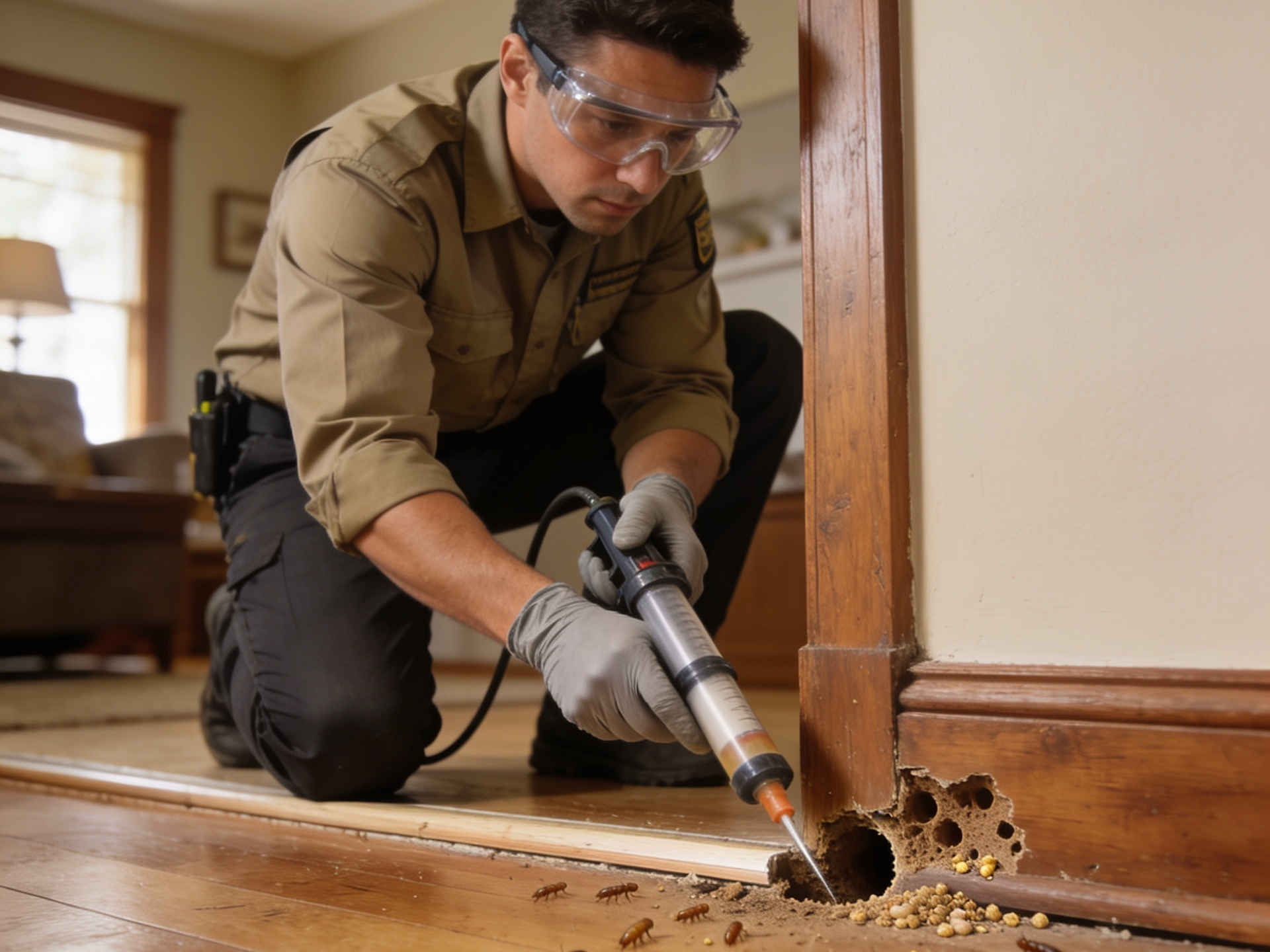


In 2026, the typical termite control cost ranges from $742 to $2,284, with an average job around $1,368. Treatment type, infestation severity, home size, and local labor rates are among the key variables that push costs toward either end of that range.
Below, you will find what drives pricing, how common treatment types compare, where DIY can make sense, and what to confirm in writing before you hire[1]. Taking a few minutes to review the full breakdown before reaching out to contractors can help you ask sharper questions and avoid unexpected charges.
Key takeaways
Typical market span: $742 to $2,284, average $1,368.
Price varies by treatment type, infestation severity, and home size.
Lower upfront options may come with ongoing monitoring fees, while premium plans often include longer warranties.
Get multiple written quotes, then confirm scope, licensing, and warranty terms before you commit.
Termite Control Estimate by Type
Termite control can include inspection, localized treatments, colony elimination, barriers, bait stations, prevention plans, and repairs. A professional inspection is typically the starting point because it documents signs of activity and damage, then guides the recommended treatment[2].
| Type of Service | Cost | Features |
|---|---|---|
Termite Inspection | $88 - $284 | Visual and moisture inspection of accessible areas, report with findings and treatment recommendations. |
Treat Subterranean Termite | $824 - $2,448 | Soil treatments or localized chemical applications aimed at eliminating subterranean colonies and preventing entry. |
Exterminate Termite Colony | $964 - $2,786 | Colony-level interventions, often involving baiting or broader chemical application to eradicate all active colonies. |
Apply Termite Barrier | $812 - $1,824 | Installation of physical or chemical barriers around foundations to block termite access. |
Install Termite Bait Station | $628 - $1,788 | Placement of monitored bait stations around a property for ongoing detection and colony suppression. |
Repair Termite Damage | $648 - $4,284 | Replacement of damaged structural wood, cosmetic fixes, and any required reinforcement after treatment. |
Conduct Termite Prevention | $286 - $918 | Ongoing maintenance, inspections, and corrective measures to reduce future infestation risk. |
Termite Inspection Costs
A thorough inspection records signs of activity, likely entry points, and visible damage, then helps shape the treatment plan. Costs typically range from $88 to $284, with an average of $156. For a deeper breakdown, see local market patterns in this guide to termite inspection costs.
Subterranean Termite Treatment Costs
Subterranean termite work often targets soil lines, mud tubes, and colony activity using liquid barriers, baits, and structural measures. Severity and regional conditions can shift the subterranean termite control cost. Typical pricing ranges from $824 to $2,448, with an average of $1,486. Many programs rely on structured application protocols and integrated approaches commonly discussed in professional pest control settings[3].
Repair Termite Damage Costs
Repairs can include joists, framing, siding, trim, or finished surfaces, depending on what was affected. Repair costs usually run from $648 to $4,284, with an average of $1,786. Whole-structure heat is a separate eradication method that may be completed before carpentry begins, and it is often priced as part of the treatment proposal instead of the repair line item unless both are bundled. If you are budgeting the full project, it can help to compare broader pest control prices alongside repair bids.
6 Factors That Affect the Average Termite Treatment Cost
Termite control pricing is built around what it takes to find the termites, reach the affected areas, and apply a treatment that fits the situation. Here are the main items contractors typically factor into an estimate.
- Infestation size and type: Larger or widespread infestations often require more labor, longer monitoring, and multiple treatment zones. Subterranean and drywood termites can also call for different approaches.
- Structure and materials: Wood-to-soil contact, older framing, crawl spaces, and certain siding or construction details can make treatment more involved and raise labor needs[4].
- Access and landscaping: Tight crawlspaces, extensive decking, and dense landscaping or hardscaping can slow the job, especially if items need to be moved, removed, or replaced.
- Treatment method chosen: Baiting systems, liquid soil treatments, heat, and localized spot treatments differ in labor and material costs. Liquid applications also require careful placement to reduce runoff risk near drains, wells, or waterways, following label directions and local rules.
- Local regulations and permits: States generally require licensed pest control operators and compliance with pesticide regulations. Permits are more commonly tied to structural changes or construction involved in termite-related repairs.
- Inspection frequency and service plan: Monitoring schedules, warranty length, and whether retreatments are included can change long-term cost. Monitoring-based strategies are commonly discussed in institutional and commercial pest management, and similar planning can show up in residential service options[5].
When you request quotes, ask each contractor to itemize inspection fees, the treatment method, the monitoring schedule, and warranty terms so you can compare bids on equal footing. You can also browse related categories on home services pricing to see how termite work fits into a broader home budget.
Termite Control Cost By Size
Size and layout shape cost because they change how much product is needed, how long technicians spend on site, and how many areas must be accessed or opened. Some targeted jobs can be handled in a single visit, while full-structure work and major repairs can take longer.
Footprint, wall count, and access points affect how many bait stations are installed, how much liquid termiticide is applied, or how involved tenting and setup will be. When termites have damaged structural elements, the scope can expand into repair work and, in some cases, foundation-related concerns[6]. Follow-up visits are also common for bait systems and some barrier programs, especially when monitoring is tied to warranty requirements.
Localized Infestation: Single Room or Small Area
This scope fits a small infestation limited to one room, one crawlspace section, or a short perimeter zone. Examples include a garage corner, a basement area, or a porch post. Treatment may involve localized chemical applications, foam injection, or other spot methods, rather than full-structure fumigation.
- Cost Range: $324 - $1,084
- Average Cost: $612
Costs often hinge on access, whether flooring or finishes must be moved, and how much damaged wood is visible once the area is opened.
Multiple Localized Areas Across the Home
If activity shows up in several separate spots, technicians typically treat each zone and may add monitoring points. That means more setup, more access work, and often more time on site.
- Cost Range: $782 - $2,186
- Average Cost: $1,348
The number of treated openings, containment needs between areas, and a multi-level layout can all raise labor and material use.
Whole-Structure Treatment for Entire Home
When evidence suggests widespread activity, or when you want full coverage, the plan may extend to the full interior and exterior perimeter, crawl spaces, and attached structures such as porches or sunrooms.
- Cost Range: $1,648 - $4,688
- Average Cost: $2,864
Pricing depends on total linear footage, access, and whether the plan uses fumigation or a combination of baits and liquid barriers. If fumigation is part of the recommendation, review how termite tenting costs may factor into the full project total.
Perimeter Barrier Application Around Home
A perimeter barrier focuses on creating a continuous treated zone along the foundation and common entry points. It is often used when exterior activity is a concern but interior damage is limited.
- Cost Range: $934 - $2,196
- Average Cost: $1,488
Soil type, landscaping obstacles, irrigation, and hardscaping near the foundation can affect how much trenching or drilling is required.
Structural Infestation Extermination and Remediation
Severe infestations that impact load-bearing members usually require intensive treatment plus remediation, such as replacing joists, studs, beams, or sill plates.
- Cost Range: $3,184 - $9,488
- Average Cost: $5,826
Costs increase with the amount of wood replacement, coordination between trades, and the possibility of engineering review or permits. Hidden damage found after materials are opened can also expand the scope.
Termite Control Cost Per Square Foot
Some companies quote termite work by the square foot for full-coverage treatment or prevention. For barriers and bait stations, pricing is often based on linear feet of foundation or the number of stations, and the per-square-foot figure is mainly used to compare similar proposals.
A per-square-foot quote commonly includes labor, materials, and the standard inspection or follow-up visits listed in the scope. Confirm whether monitoring, warranty retreatments, and structural repairs are included or billed separately.
| Service Type | Cost | Details |
|---|---|---|
Termite Treatment | $0.88 - $2 | Cost depends on treatment chemical or product, application depth, and whether interior access is required. |
Termite Barrier Application | $1 - $3 | Often estimated from linear feet of foundation; includes trenching or drilling and installing a barrier. Soil conditions affect price. |
Termite Bait Station Installation | $0.42 - $1 | Typically priced by number of stations and layout; per-square-foot figures help compare similar monitoring programs. |
Termite Extermination | $1 - $4 | For active infestations, cost varies with infestation severity, required eradication methods, and containment needs. |
Termite Damage Repair | $8 - $18 | Repairs depend on structural scope, material replacement needs, and whether cosmetic restoration is included. |
Termite Prevention Service | $0.24 - $0.72 | Routine prevention may include inspections, perimeter treatments, and moisture control recommendations that affect pricing. |
Infestation severity, crawlspace and foundation access, and the chosen method drive most per-square-foot differences. Warranty terms, follow-up frequency, local labor costs, and disposal requirements can also change the effective rate.
Ask for a written scope that states what the per-square-foot price covers, and what triggers additional charges, so you can compare true value across bids.
Emergency Costs: How Much Does Termite Control Cost
A swarm indoors or sudden signs of active termites can feel urgent, especially if you suspect structural wood is involved. Emergency service often costs more because the company has to prioritize scheduling, and the initial visit may include fast triage plus a plan for follow-up work.

Emergency pricing is usually influenced by how widespread the activity is, how hard it is to reach the affected areas, and whether temporary stabilization or immediate repairs are needed. Treatments requiring specialized equipment or extra site prep can also raise the total.
Before you schedule, ask what the emergency fee includes, whether follow-up and warranty coverage apply, and what the provider plans to do to protect surrounding materials during treatment. Comparing a few calls can help you spot a reasonable emergency premium.
Termite Control Cost by Region
Regional pricing varies because climate, termite species, labor rates, and state rules affect which treatment methods are common and how they must be applied. Local pesticide registration and compliance requirements can also influence product availability and treatment practices[7].
| Region | Cost | Description |
|---|---|---|
Northeast | $824 - $2,398 | Cooler winters may limit seasonal activity, but older foundations and basements can raise inspection and access costs. |
Midwest | $686 - $2,094 | Seasonal swings affect scheduling and monitoring, and soil types influence baiting versus barrier decisions. |
South | $764 - $2,486 | Warm, humid conditions can support year-round activity. Irrigation and dense vegetation may increase treatment scope and frequency. In many coastal areas, drywood termites are also common and may require fumigation or extensive localized treatments. |
West | $812 - $2,584 | Coastal humidity, arid inland zones, and varied building practices can create different risk profiles. Some western coastal regions face drywood termite pressure, which can raise costs when whole-structure fumigation is recommended. |
Beyond climate, pricing can shift with contractor availability, travel distance, and how common certain construction types are in your area.
Landscaping changes can matter, too. Large plantings and soil changes can affect moisture and create new pathways around a home, which may influence prevention planning and ongoing control strategies.
The ROI of Termite Control
Termite treatment is a protective investment. The cost of a professional plan is typically far lower than the expense of repairing structural damage left to worsen over time. Joists, sill plates, subfloors, and load-bearing framing can all require replacement once termites are established, and that work often involves multiple trades, inspections, and potential permits.
Beyond repairs, many states require a Wood-Destroying Organism (WDO) inspection and clearance report before closing a real estate transaction. A home with documented treatment history and active warranties is easier to sell and may avoid delays or renegotiation at closing.
Annual monitoring programs preserve warranty coverage and allow contractors to catch new activity early, before it requires significant intervention. Over time, a consistent prevention plan tends to cost less than episodic emergency treatments.
DIY vs. Professional Termite Control Costs
DIY termite work can look cheaper upfront, but it also asks more of your time and carries more risk if activity is hidden behind walls or under floors. Use the comparison below to weigh product costs against professional labor, equipment, and warranty support.

Common Risks and Limitations of DIY Work
Homeowners can miss signs of activity inside walls, subfloors, or other concealed areas, which lets damage continue. Some retail products help with small, surface-level issues, but long-term results depend heavily on correct product selection and application.
Concentrated termiticides also require careful handling. In some states, certain products are restricted to licensed professionals, and all applications must follow label directions and local rules, especially around foundations, crawlspaces, wells, and sumps.
Bait stations are another common sticking point. Even when placement looks reasonable, stations may not intercept foraging pathways, which limits monitoring and control value.
Benefits of Hiring a Licensed Termite Professional
Professionals bring inspection experience, specialized tools, and access to treatment options that may not be sold at retail. They can document the extent of activity, recommend a targeted plan, and often provide follow-up visits and warranty coverage.
A licensed company may also coordinate a combined approach, such as barriers, baits, and exclusion-style prevention steps, to lower the likelihood of recurrence and reduce the odds of expensive repairs later.
How to Decide Between DIY and Pro Options
DIY can be reasonable for minor, visible issues when you are comfortable following label directions and monitoring consistently. However, visible mud tubes, multiple swarmers indoors, hollow-sounding wood, or activity in several areas can suggest a larger hidden problem. In those cases, a professional inspection is a safer starting point.
Professional service is typically the better fit when there is structural damage, recurring activity, or you want warranty-backed monitoring. Sealing gaps and other exclusion-focused prevention steps can also support treatment plans, and guidance on exclusion programs is commonly emphasized in pest management training materials[9].
Seasonal Termite Control Costs
Termite activity and treatment demand are not evenly distributed across the year. Subterranean termites in many regions swarm in spring, often between March and June, when warm temperatures and humidity trigger reproductive activity. Drywood termites tend to swarm in late summer and fall. Homeowners who spot swarmers indoors or find discarded wings near windows often schedule inspections during these peak windows.
Higher demand in spring and early summer can affect contractor availability and scheduling timelines. If treatment is not urgent, scheduling inspections in late fall or winter, when most companies are less booked, may provide more flexibility. In the South, where activity continues year-round, seasonal variation in pricing is less predictable.
Soil-based treatments can be more difficult to apply during frozen ground conditions in northern states, which may limit barrier and trenching options in winter months. Baiting systems and interior spot treatments are generally available year-round regardless of season.
Add-on Services: Termite Prevention Cost
Add-ons supplement a base treatment plan. They can raise the total cost, but they may also improve results, reduce future risk, or simplify ongoing maintenance. Structural wood damage is typically evaluated by a contractor or engineer, while an arborist is most relevant when termites involve trees, stumps, or large landscape timbers[10].
| Add-On | Cost | Details |
|---|---|---|
Moisture Barrier Installation | $1,186 - $3,896 | A vapor and moisture barrier for crawlspaces to reduce damp conditions that attract termites and other pests. Often paired with sealing work. |
Wood Sealer Application | $178 - $648 | Applied to exposed wood to slow decay and reduce termite attraction; useful for porches, trim, and exposed framing. |
Attic Treatment | $284 - $918 | Targeted application in attics where infestations or conducive conditions are found, including baiting and liquid treatments. |
Fumigation Certification | $124 - $418 | Documentation and inspection reports needed after fumigation or inspection for real estate deals; often called a WDO report or termite clearance, with requirements varying by state. |
Annual Monitoring Program | $312 - $1,248 | Scheduled inspections and bait maintenance to catch activity early and maintain warranties. |
Wall Injection Treatment | $246 - $824 | Injections into walls or voids to deliver termiticide directly where colonies are active, avoiding full structural disruption. |
Crawlspace Encapsulation | $2,684 - $8,462 | Full encapsulation with barrier, ventilation, and seals that improves moisture control and supports long-term termite prevention. |
Pricing for add-ons depends on access, product choice, and how much labor is required. Upgrades such as extended warranties or certifications can also increase the total, so include them when budgeting the overall cost of termite treatment. In some cases, improvements tied to foundations and landscaping can also relate to curb appeal and property value considerations discussed in housing studies[11].
How to Save on Termite Control
You can often lower costs by reducing prep time, catching activity early, and choosing a scope that matches the actual problem. It is also worth checking whether home repair assistance programs are available in your area[12].
- Schedule annual inspections: Routine checks can catch activity earlier, when treatment is usually simpler and less disruptive.
- Address moisture and wood contact: Fix leaks, improve drainage, and remove wood touching soil to make your home less inviting to termites.
- Prepare the home before treatment: Clear access to crawlspaces, move stored wood, and trim plants near the foundation so technicians can work efficiently.
- Request detailed warranties: Get the scope, coverage limits, and follow-up steps in writing so you can compare long-term value.
- Keep records and photos: Save reports, invoices, and photos of damage to support warranty claims and speed up future inspections.
- Bundle prevention with other projects: If you already plan foundation, drainage, or landscaping work, coordinating visits can reduce repeat service calls.
Connect with termite control professionals through homeyou to compare vetted local contractors, read reviews, and choose a reliable team for long-term protection.
Frequently Asked Questions About Termite Control
References
[1] Larramendy, Marcelo L., and Sonia Soloneski, "Integrated Pest Management and Pest Control - Current and Future Tactics", https://doi.org/10.5772/1383.
[2] PestWorld, "What Is a Termite Inspection and Why Do You Need One", https://pestworld.org/news-hub/pest-articles/what-is-a-termite-inspection.
[3] Kloosterman, L. and K. Mager, "Pest Control in Food Businesses: An Introduction", https://doi.org/10.1533/9780857098634.3.465.
[4] U.S. Department of Housing and Urban Development, "Durability by Design A Guide for Residential Builders and Designers", https://huduser.gov/portal/sites/default/files/pdf/Guide-Durability-by-Design.pdf.
[5] Bruesch, Jay C., "Institutional pest management current trends", Executive housekeeping today, https://pubmed.ncbi.nlm.nih.gov/10134138/.
[6] U.S. Department of Housing and Urban Development, "The Rehab Guide Foundations", https://huduser.gov/publications/pdf/foundations.pdf.
[7] Association of American Pesticide Control Officials, "Documents 2002 to Present", http://aapco.org/documents.
[8] Sorvig, Kim, and J. William Thompson, "Sustainable Landscape Construction", https://doi.org/10.5822/978-1-61091-811-4.
[9] Stop Pests, "Developing a Pest Exclusion Program for Cockroaches and Rodents - StopPests.org", https://stoppests.org/ipm-training/training-opportunities/stoppests-webinars/developing-a-pest-exclusion-program-for-cockroaches-and-rodents/\#7.
[10] International Society of Arboriculture, "Hiring an Arborist," https://www.treesaregood.org/findanarborist/hireanarborist.
[11] Rosiers, François D., et al, "Landscaping Attributes and Property Buyers' Profiles Their Joint Effect on House Prices", Housing Studies, https://doi.org/10.1080/02673030701608183.
[12] "Government Home Repair Assistance Programs", USAGov, https://usa.gov/home-repair-programs.


